Thalloidima alutaceum Anzi
Atti Soc. Ital. Sc. Nat. Milano, 9: 249, 1866.
Synonyms: Biatorina alutacea (Anzi) Jatta; Thalloidima intermedium A. Massal. ex Arnold; Toninia alutacea (Anzi) Jatta; Toninia intermedia (Arnold) H. Olivier; Toninia subcandida B. de Lesd.?
Description: Thallus squamulose, white, forming up to 4 cm wide rosettes, the squamules up to 4(-5) mm across, scattered to usually contiguous, the marginal ones slightly elongate and radiating, the central ones convex to bullate, densely covered in a granular pruina, usually with shallow fissures in the cortex. Upper cortex 30-110 µm thick, including an up to 60 µm thick epinecral which later is heavily encrusted with crystals of calcium oxalates; medulla white, with crystals; lower cortex with a dark pigment (and hence lower surface pale brown to black), reacting K+ and N+ violet. Apothecia frequent, lecideine, black, but usually pruinose, up to 2 mm across, persistently marginate. Proper exciple grey in the outer rim, pale grey to colourless in inner part, the grey parts K+ and N+ violet; epithecium grey, K+ and N+ violet, with crystals; hymenium colourless, 60-70 µm high; paraphyses coherent, simple or sparingly branched and anastomosing in upper part, thin-walled, the apical cell distinctly swollen, with a gelatinous pigment cap; hypothecium colourless to pale yellowish brown in upper part, colourless in lower part, lacking crystals. Asci 8-spored, clavate to cylindrical-clavate, the apical dome K/I+ dark blue with a pale, conical-pointed apical cushion (axial mass), the wall I-, but the thin outer gel I+ blue, Bacidia-type. Ascospores mainly 3-septate, hyaline, narrowly fusiform to needle-like, (20-)23-33(-40) x 3-4(-5) µm. Photobiont chlorococcoid. Spot tests: thallus K-, C-, KC-, P-, UV-. Chemistry: thallus without lichen substances or with faint traces of terpenoids; apothecia with the Sedifolia-grey pigment.
Growth form: Squamulose
Photobiont: green algae other than Trentepohlia
Reproductive strategy: mainly sexual
Commonnes-rarity: (info)
Alpine belt: rather common
Subalpine belt: common
Montane belt: rather common
Dry submediterranean belt: rather rare
Humid submediterranean belt: very rare
Padanian area: absent
pH of the substrata:
1 2 3 4 5

Solar irradiation:
1 2 3 4 5
Aridity:
1 2 3 4 5
Eutrophication:
1 2 3 4 5
Poleotolerance:
0 1 2 3
Altitudinal distribution:
1 2 3 4 5 6
Rarity
absent
extremely rare
very rare
rare
rather rare
rather common
common
very common
extremely common
Loading data...
Occurrence data
Predictive map
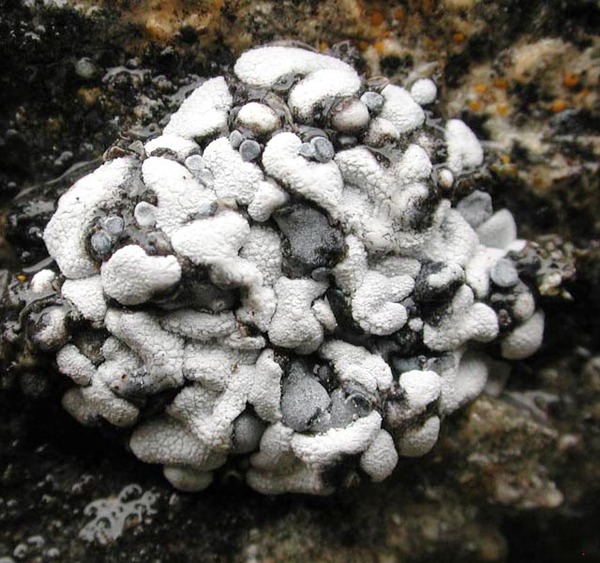
Einar Timdal Source: http://nhm2.uio.no/lav/web/index.html CC BY-NC
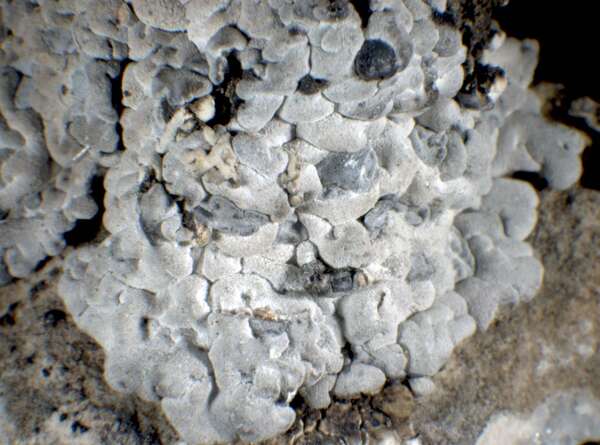
P.L. Nimis; Owner: Department of Life Sciences, University of Trieste
Herbarium: TSB (13560)
2001/12/15
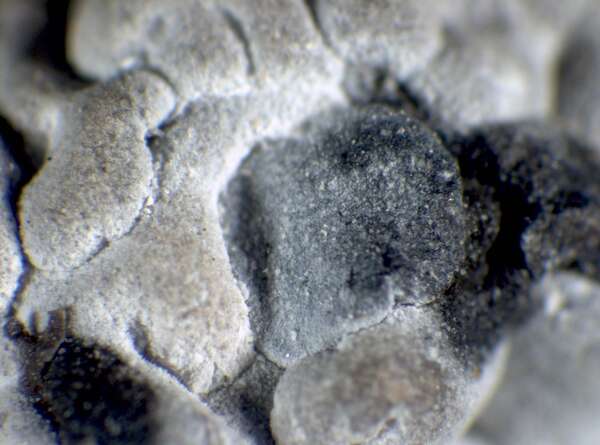
P.L. Nimis; Owner: Department of Life Sciences, University of Trieste
Herbarium: TSB (13560)
2001/12/15
apothecium
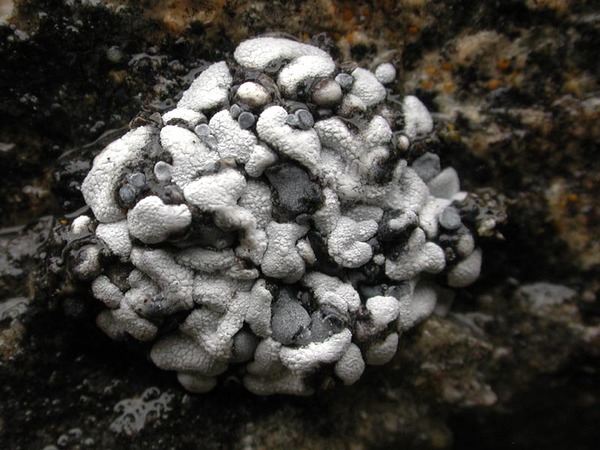
Einar Timdal - Source: http://nhm2.uio.no/lav/web/index.html - CC BY-NC
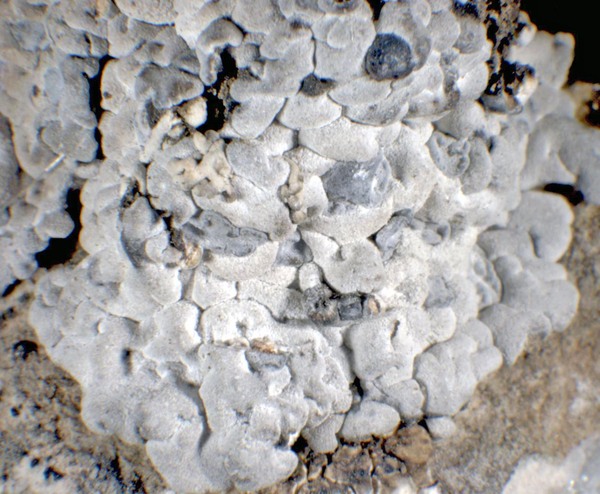
P.L. Nimis CC BY-SA 04
TSB 13560
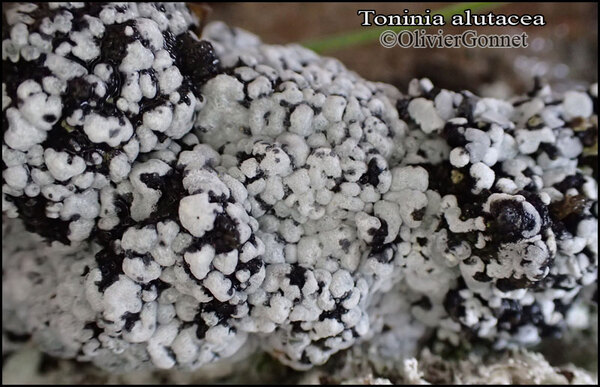
Courtesy Danièle et Olivier Gonnet - Source: https://www.afl-lichenologie.fr/Photos_AFL/Photos_AFL_T/Textes_T2/Thalloidima_alutaceum.htm
France, 18/9/2015 - Combe Chaulange, Villars-de-Lans - Isère
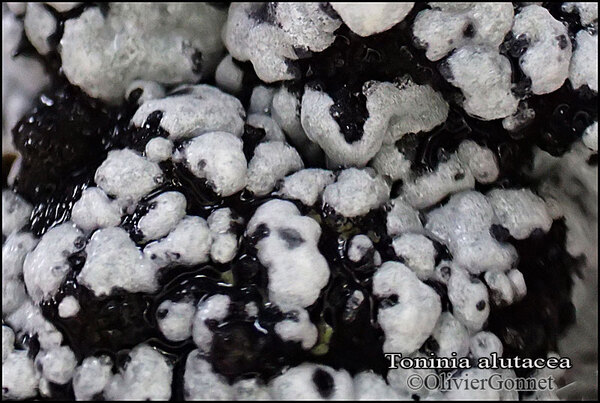
Courtesy Danièle et Olivier Gonnet - Source: https://www.afl-lichenologie.fr/Photos_AFL/Photos_AFL_T/Textes_T2/Thalloidima_alutaceum.htm
France, 18/9/2015 - Combe Chaulange, Villars-de-Lans - Isère
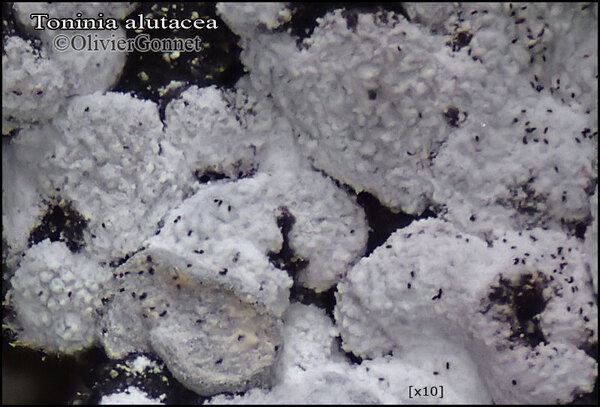
Courtesy Danièle et Olivier Gonnet - Source: https://www.afl-lichenologie.fr/Photos_AFL/Photos_AFL_T/Textes_T2/Thalloidima_alutaceum.htm
France, 18/9/2015 - Combe Chaulange, Villars-de-Lans - Isère
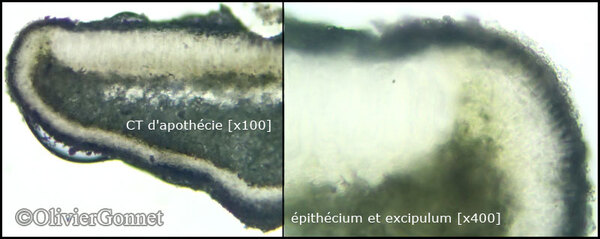
Courtesy Danièle et Olivier Gonnet - Source: https://www.afl-lichenologie.fr/Photos_AFL/Photos_AFL_T/Textes_T2/Thalloidima_alutaceum.htm
France, 18/9/2015 - Combe Chaulange, Villars-de-Lans - Isère
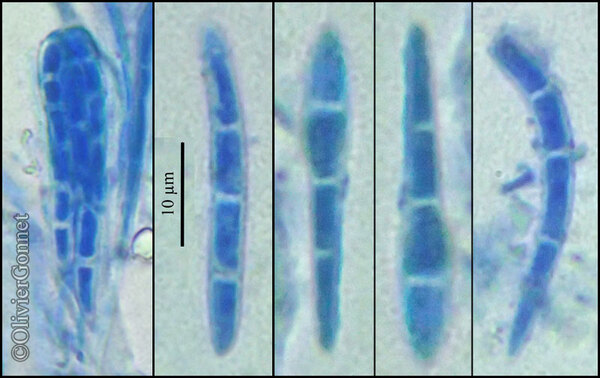
Courtesy Danièle et Olivier Gonnet - Source: https://www.afl-lichenologie.fr/Photos_AFL/Photos_AFL_T/Textes_T2/Thalloidima_alutaceum.htm
France, 18/9/2015 - Combe Chaulange, Villars-de-Lans - Isère
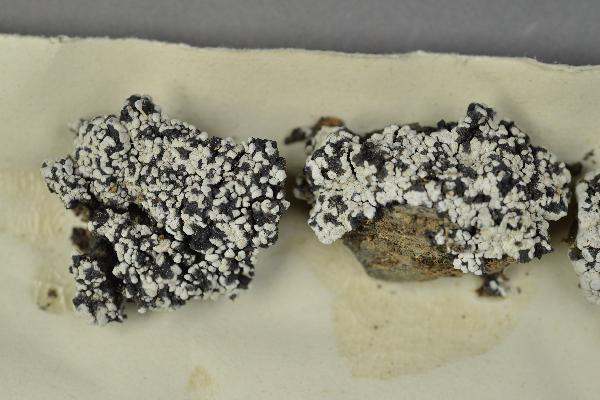
Source: https://nhm2.uio.no/typephotos/lichens/arkiv/O-L-001221d.jpg
ITALY: in montibus, et alpibus Bormiensibus, ., - ISOLECTOTYPE
Growth form: Squamulose
Photobiont: green algae other than Trentepohlia
Reproductive strategy: mainly sexual
Commonnes-rarity: (info)
Alpine belt: rather common
Subalpine belt: common
Montane belt: rather common
Dry submediterranean belt: rather rare
Humid submediterranean belt: very rare
Padanian area: absent
pH of the substrata:
| 1 | 2 | 3 | 4 | 5 |
Solar irradiation:
| 1 | 2 | 3 | 4 | 5 |
Aridity:
| 1 | 2 | 3 | 4 | 5 |
Eutrophication:
| 1 | 2 | 3 | 4 | 5 |
Poleotolerance:
| 0 | 1 | 2 | 3 |
Altitudinal distribution:
| 1 | 2 | 3 | 4 | 5 | 6 |
Rarity
absent
extremely rare
very rare
rare
rather rare
rather common
common
very common
extremely common
Loading data...
Occurrence data
Predictive map
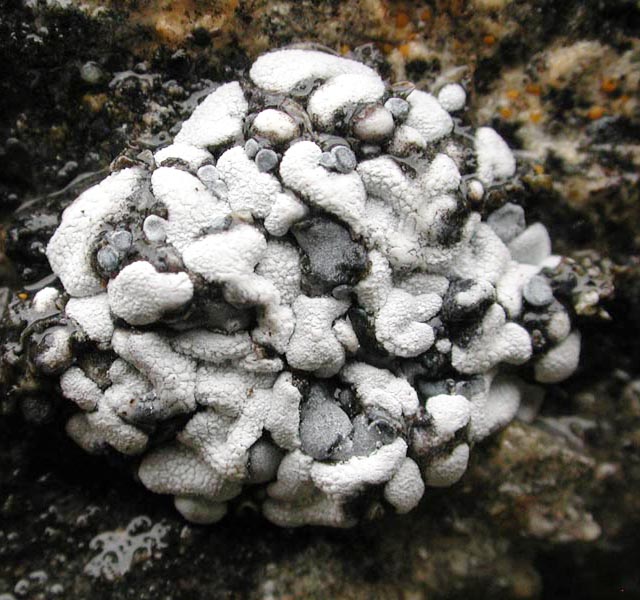
Einar Timdal Source: http://nhm2.uio.no/lav/web/index.html CC BY-NC
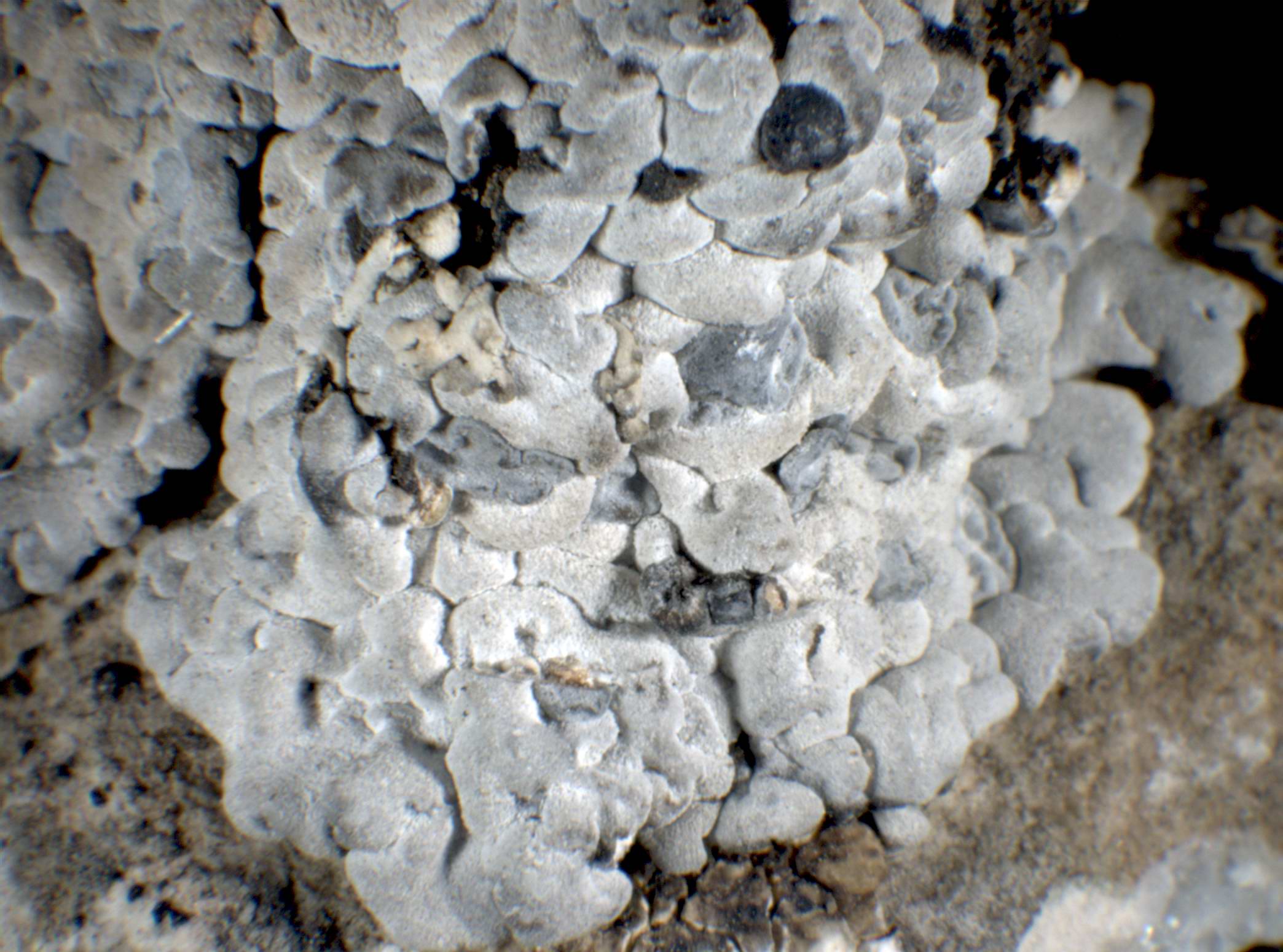
P.L. Nimis; Owner: Department of Life Sciences, University of Trieste
Herbarium: TSB (13560)
2001/12/15
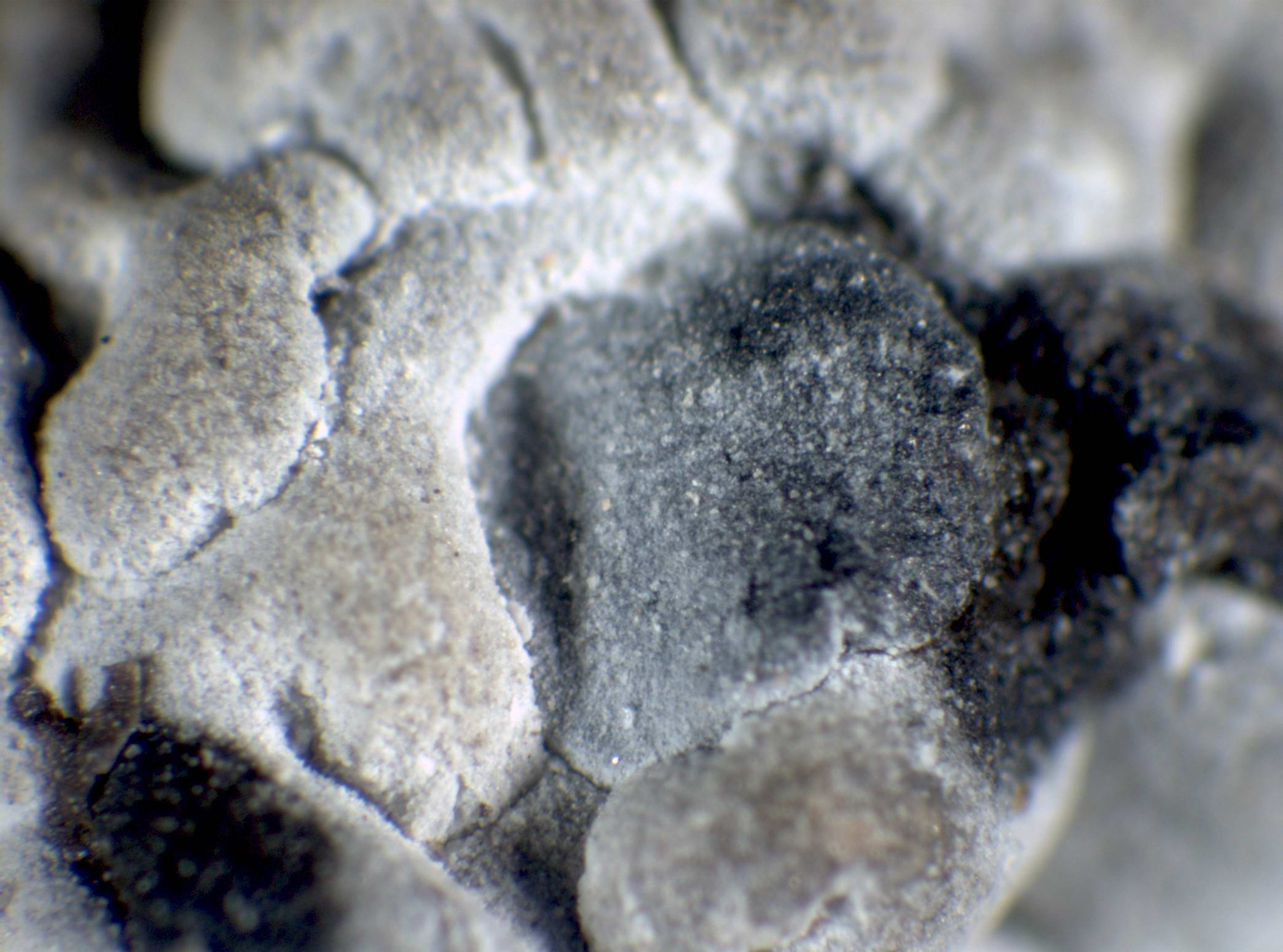
P.L. Nimis; Owner: Department of Life Sciences, University of Trieste
Herbarium: TSB (13560)
2001/12/15
apothecium
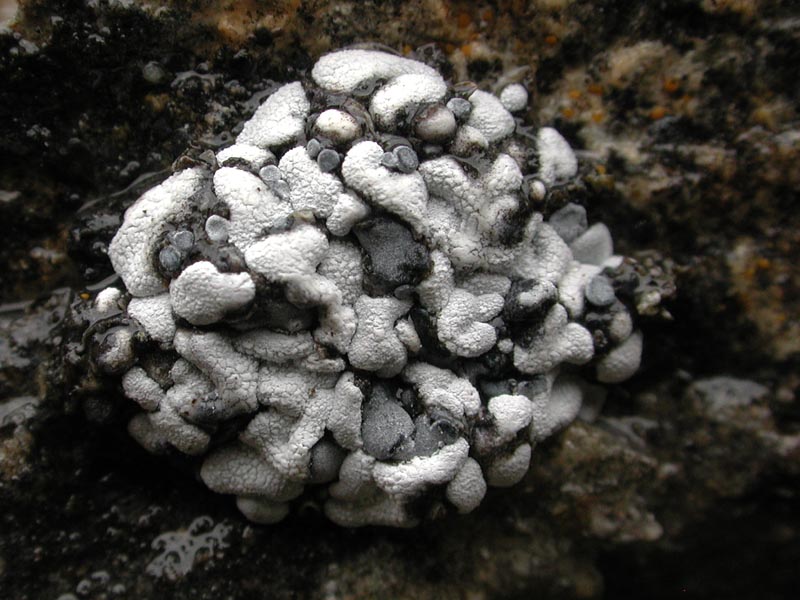
Einar Timdal - Source: http://nhm2.uio.no/lav/web/index.html - CC BY-NC
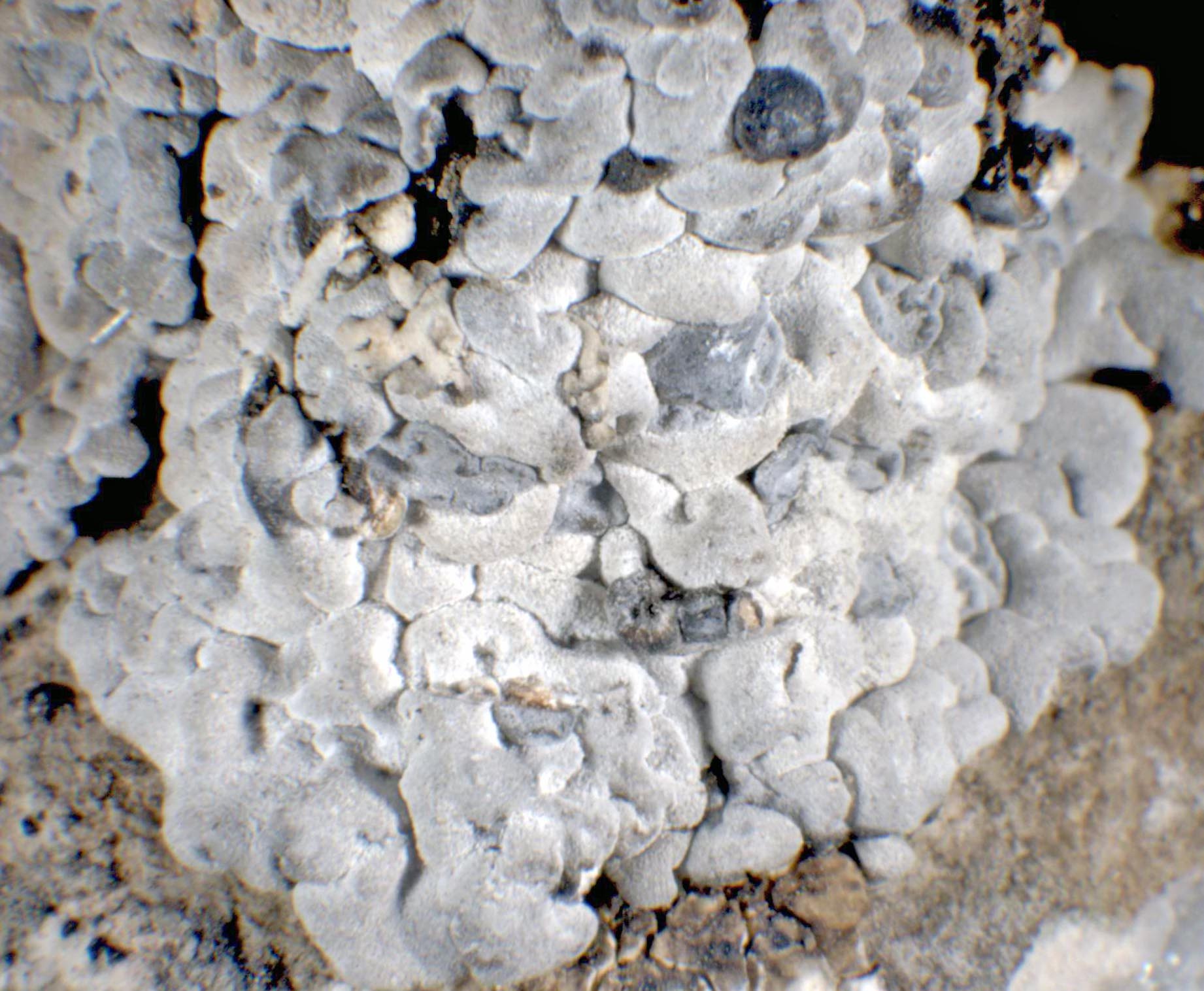
P.L. Nimis CC BY-SA 04
TSB 13560
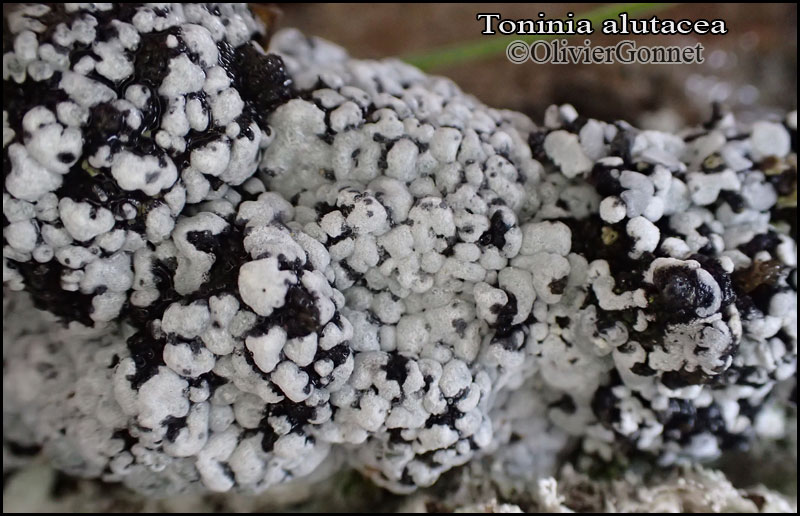
Courtesy Danièle et Olivier Gonnet - Source: https://www.afl-lichenologie.fr/Photos_AFL/Photos_AFL_T/Textes_T2/Thalloidima_alutaceum.htm
France, 18/9/2015 - Combe Chaulange, Villars-de-Lans - Isère
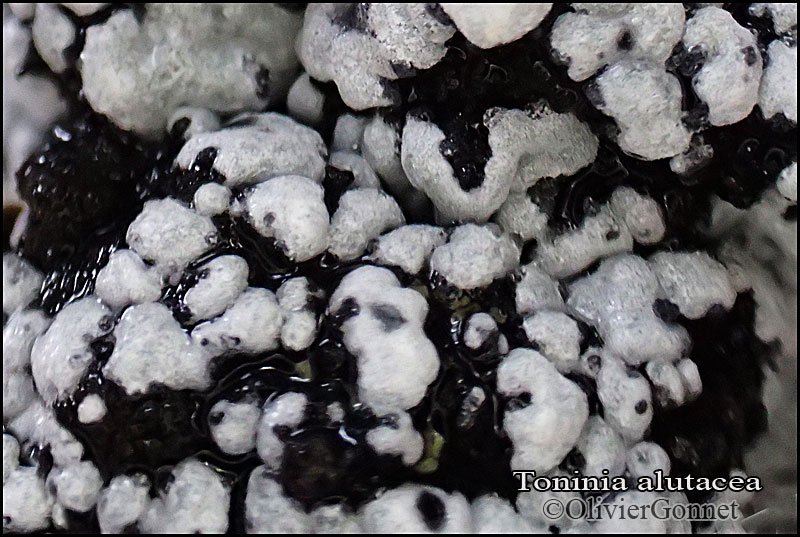
Courtesy Danièle et Olivier Gonnet - Source: https://www.afl-lichenologie.fr/Photos_AFL/Photos_AFL_T/Textes_T2/Thalloidima_alutaceum.htm
France, 18/9/2015 - Combe Chaulange, Villars-de-Lans - Isère
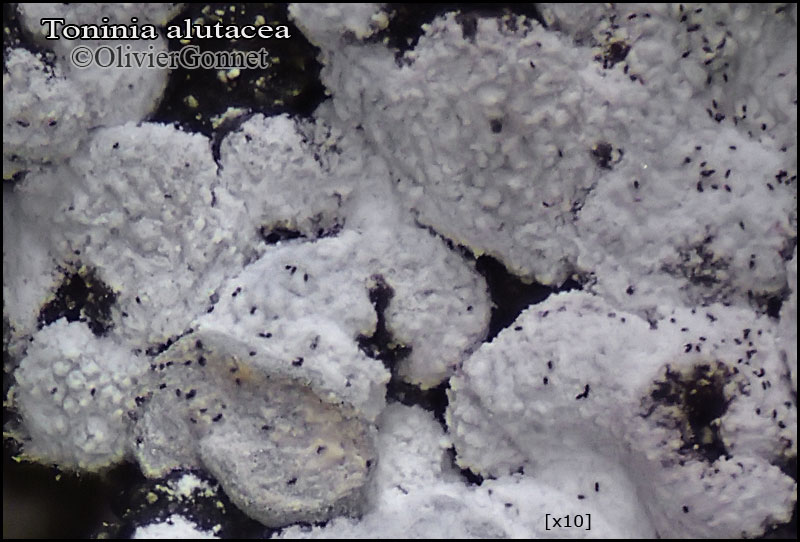
Courtesy Danièle et Olivier Gonnet - Source: https://www.afl-lichenologie.fr/Photos_AFL/Photos_AFL_T/Textes_T2/Thalloidima_alutaceum.htm
France, 18/9/2015 - Combe Chaulange, Villars-de-Lans - Isère
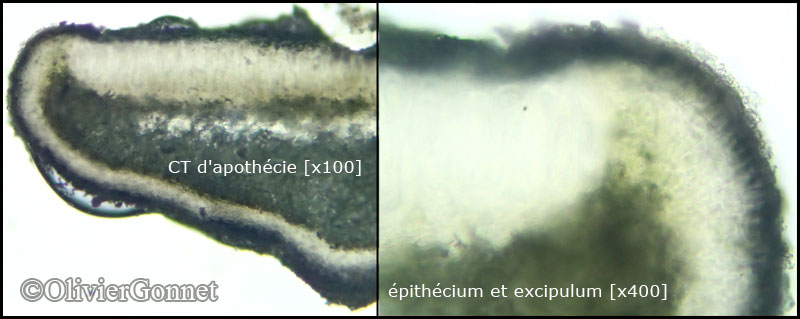
Courtesy Danièle et Olivier Gonnet - Source: https://www.afl-lichenologie.fr/Photos_AFL/Photos_AFL_T/Textes_T2/Thalloidima_alutaceum.htm
France, 18/9/2015 - Combe Chaulange, Villars-de-Lans - Isère
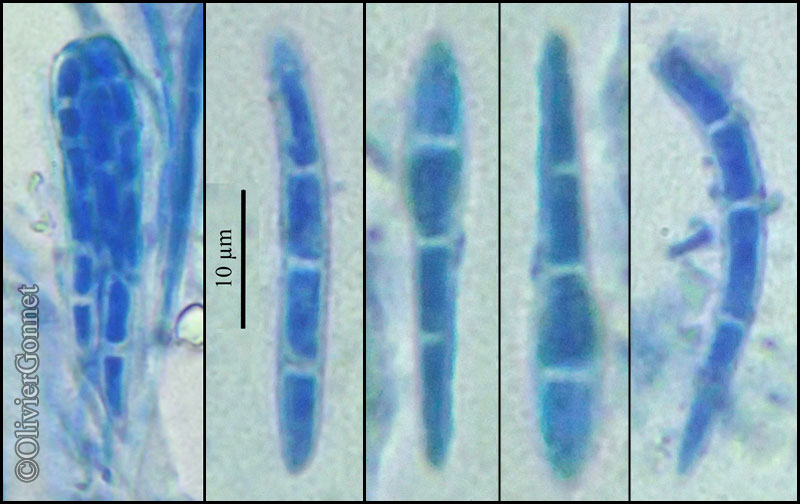
Courtesy Danièle et Olivier Gonnet - Source: https://www.afl-lichenologie.fr/Photos_AFL/Photos_AFL_T/Textes_T2/Thalloidima_alutaceum.htm
France, 18/9/2015 - Combe Chaulange, Villars-de-Lans - Isère