Alectoria ochroleuca (Hoffm.) A. Massal.
Sched. Crit., 2: 47, 1856. Basionym: Usnea ochroleuca Hoffm. - Descr. Adumbr. Pl. Crypt. Lich., 2, 1: 7 1794.
Synonyms: Alectoria ochroleuca var. rigida (Fr.) Th. Fr.; Alectoria rigida (Fr.) Dalla Torre & Sarnth.; Alectoria variegata (Samp.) Tav.; Bryopogon ochroleucus (Hoffm.) Link; Cornicularia ochroleuca (Hoffm.) DC.
Description: Thallus fruticose, more or less filamentous and shrubby, greenish grey to yellowish green, the apices concolorous or blackened, matt. Branches to 13 cm long (0.5-)1-2(-3) mm thick, stiff, elongate, prostrate to ascending, sparingly anisotomic-dichotomously divided, the apices sometimes drooping. Pseudocyphellae numerous, linear, raised, longitudinally oriented, to c. 1 mm long. Cortex of periclinally arranged hyphae; medulla white, compact. Apothecia extremely rare (not seen in Italian material), lateral, lecanorine, 3-6 mm across, with a reddish brown disc. Epithecium brown; hymenium and hypothecium colourless. Asci 2-4-spored, clavate, the K/I+ blue tholus penetrated by a faintly amyloid apical cushion with parallel or diverging flanks, the wall K/I-, surrounded by a K/I+ blue outer layer, Lecanora-type. Ascospores 1-celled, broadly ellipsoid, pigmented when old, 26-42 x 12-28 µm. Pycnidia dark, semi-immersed, mainly apical. Conidia bacilliform, 7-8 x c. 0.8 µm. Photobiont chlorococcoid. Spot tests: cortex K-, C-, KC+ pale yellow, P-, UV-; medulla K-, C-, KC-, P-, UV-. Chemistry: cortex with usnic acid, medulla with diffractaic acid.
Growth form: Fruticose filamentous
Substrata: soil, terricolous mosses, and plant debris
Photobiont: green algae other than Trentepohlia
Reproductive strategy: mainly asexual, by thallus fragmentation
Commonnes-rarity: (info)
Alpine belt: rather common
Subalpine belt: very rare
Montane belt: absent
Dry submediterranean belt: absent
Humid submediterranean belt: absent
Padanian area: absent
pH of the substrata:
1 2 3 4 5

Solar irradiation:
1 2 3 4 5
Aridity:
1 2 3 4 5
Eutrophication:
1 2 3 4 5
Poleotolerance:
0 1 2 3
Altitudinal distribution:
1 2 3 4 5 6
Rarity
absent
extremely rare
very rare
rare
rather rare
rather common
common
very common
extremely common
Loading data...
Occurrence data
Predictive map
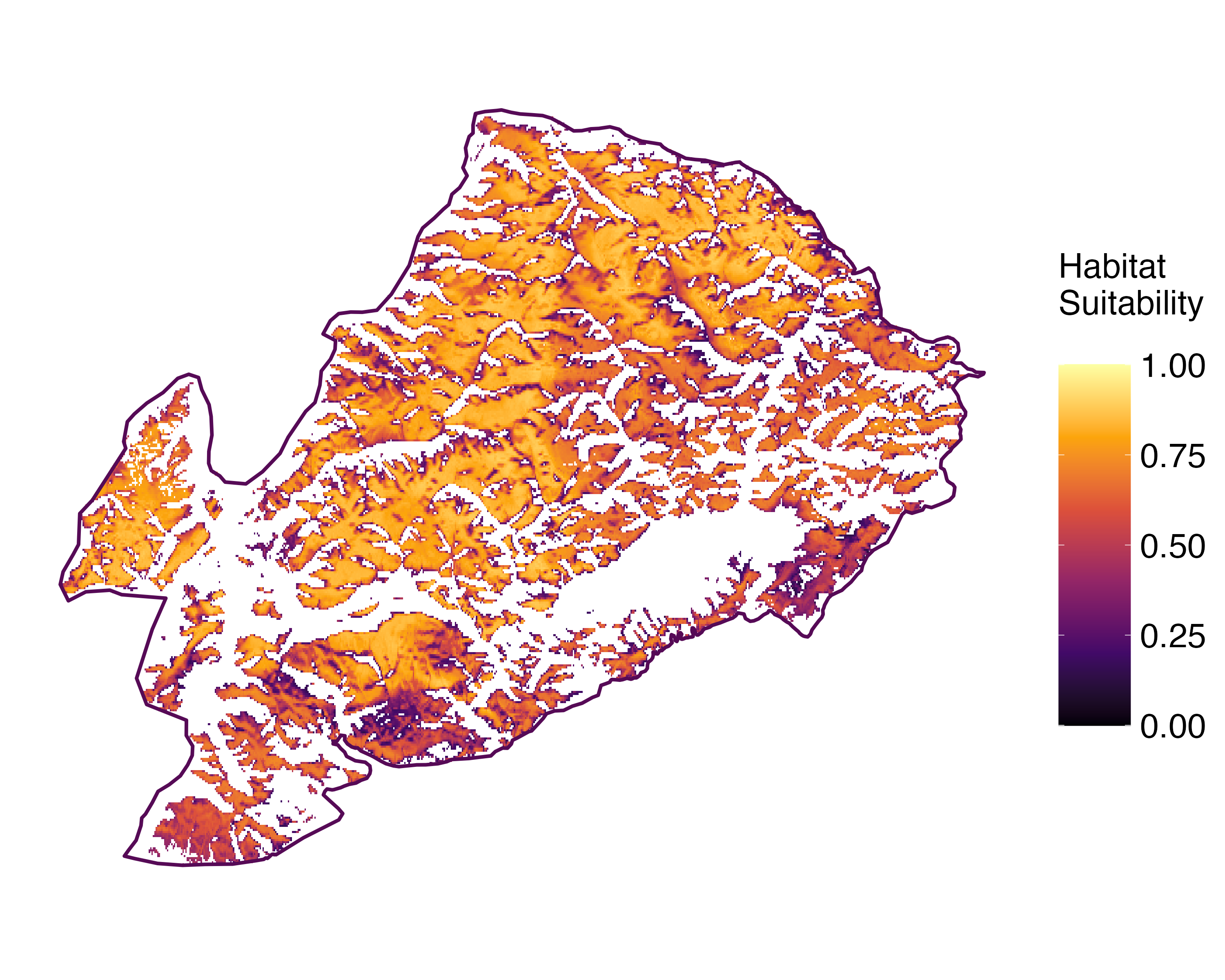 Current prediction (1981-2010)
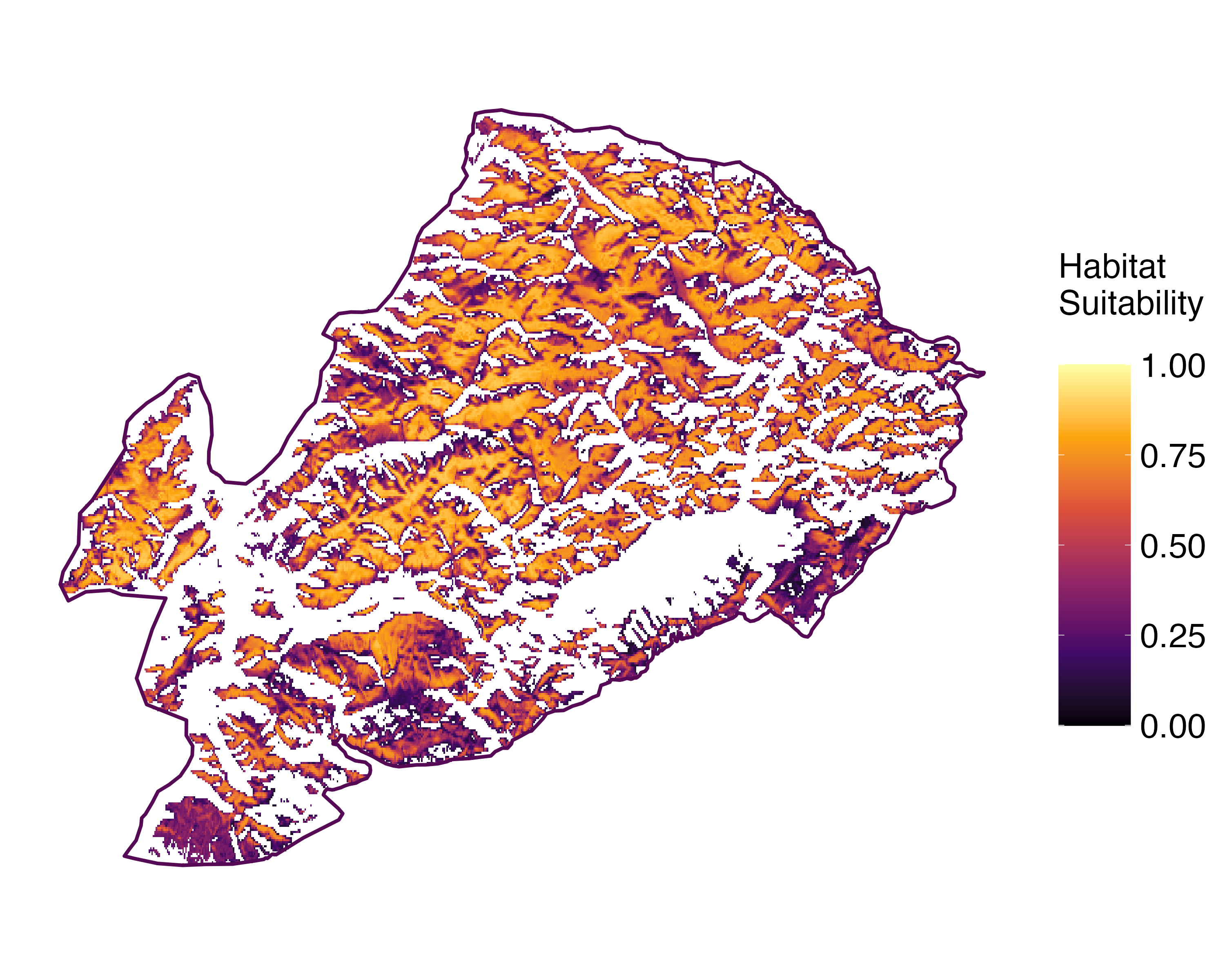 Future prediction (2071-2100) SSP 1-2.6
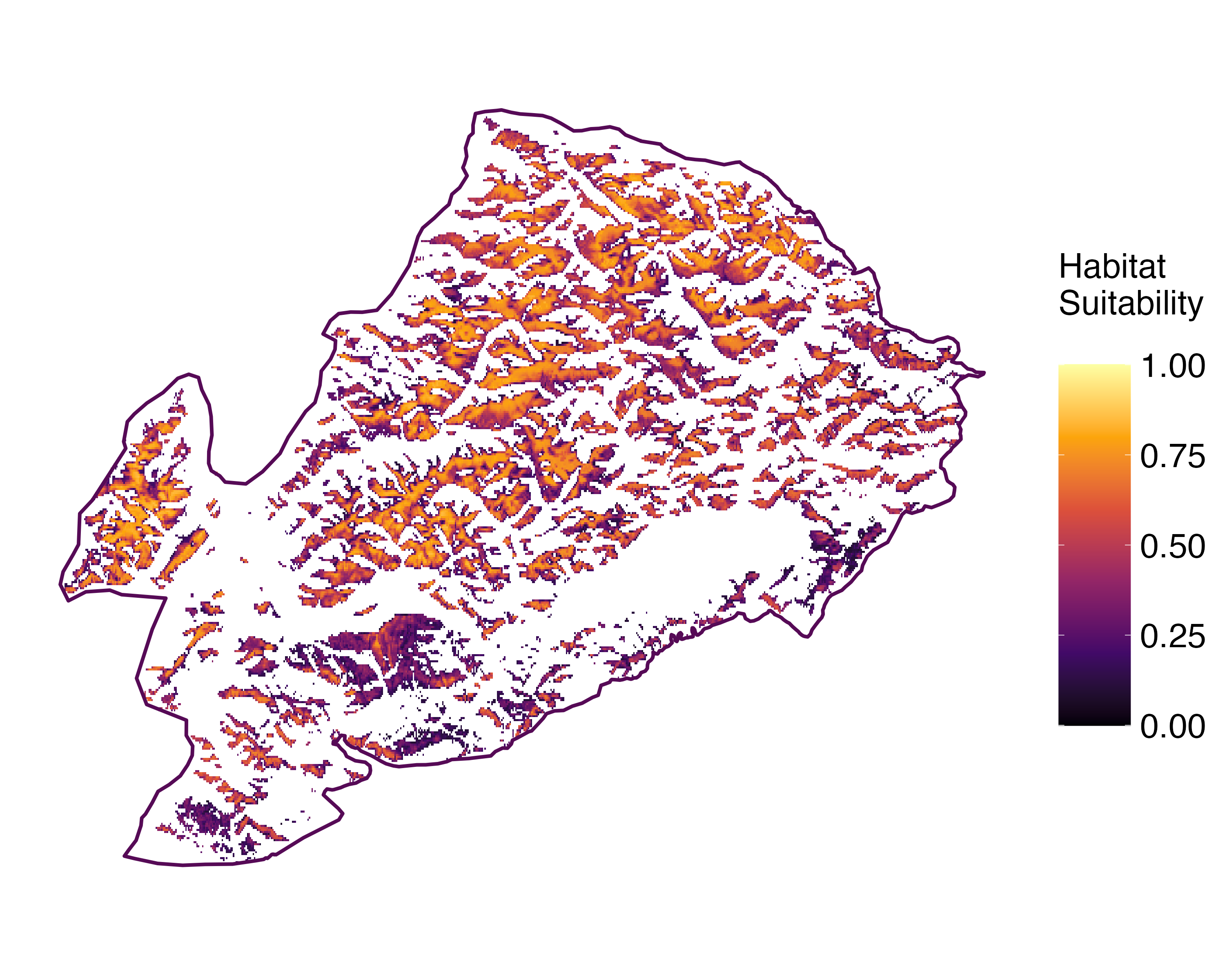 Future prediction (2071-2100) SSP 5-8.5Predictive maps according to Francesconi et al. 2025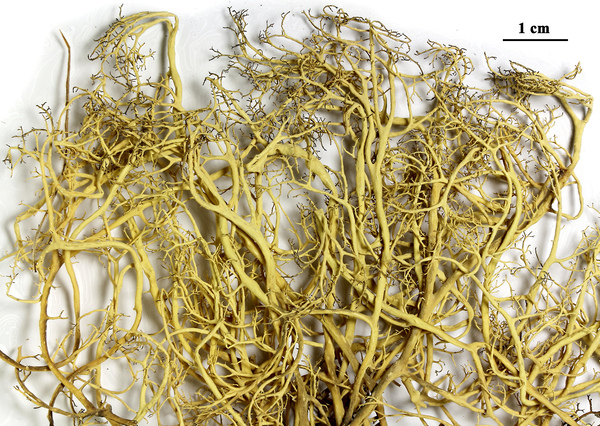
Felix Schumm - CC BY-SA 4.0
[18142], Peru, Junin, zwischen Satipo und Huancayo, zwischen Moosen und Zwergsträuchern über Granit, 3500 m. Leg. K. Kalb, 26.07.1979. KALB: LICHENES NEOTROPICI 161.
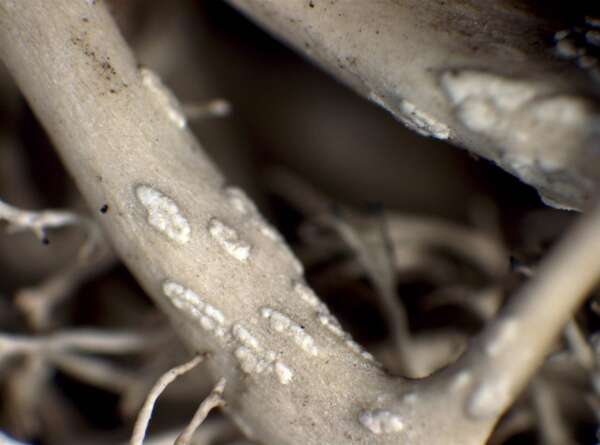
P.L. Nimis; Owner: Department of Life Sciences, University of Trieste
Herbarium: TSB (8714)
2001/11/21
detail of pseudocyphellae
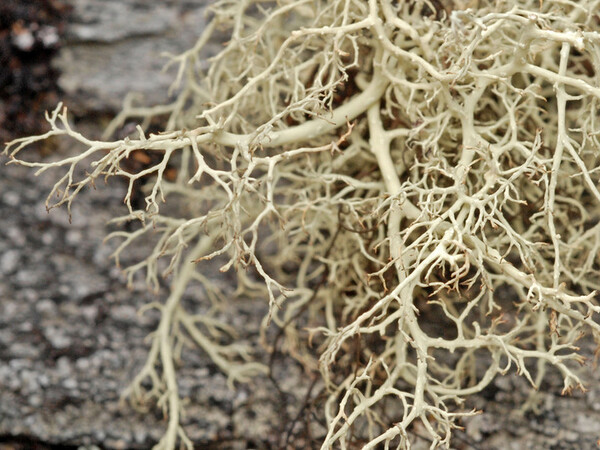
Leif Stridvall - Source: http://www.stridvall.se/la/galleries.php
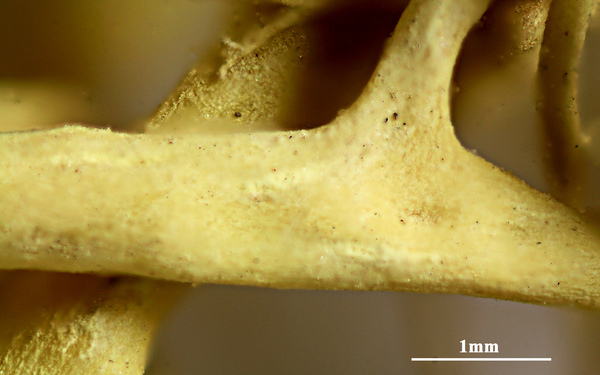
Felix Schumm - CC BY-SA 4.0
[18142], Peru, Junin, zwischen Satipo und Huancayo, zwischen Moosen und Zwergsträuchern über Granit, 3500 m. Leg. K. Kalb, 26.07.1979. KALB: LICHENES NEOTROPICI 161.
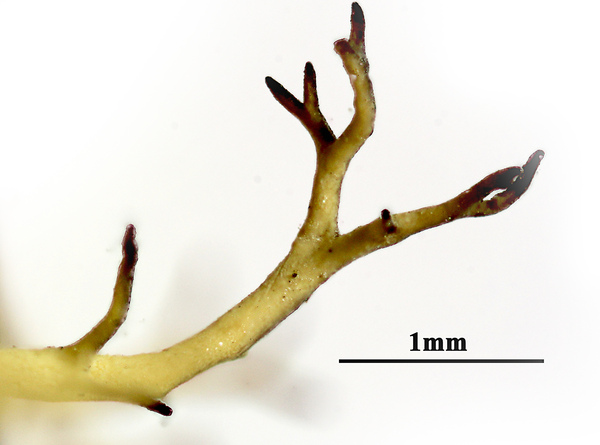
Felix Schumm - CC BY-SA 4.0
[18142], Peru, Junin, zwischen Satipo und Huancayo, zwischen Moosen und Zwergsträuchern über Granit, 3500 m. Leg. K. Kalb, 26.07.1979. KALB: LICHENES NEOTROPICI 161.

Curtis Randall Björk, - CC BY-SA 4.0
Nunavut, Northwest Territories, CanadaIsland, British Columbia, Canada
2012
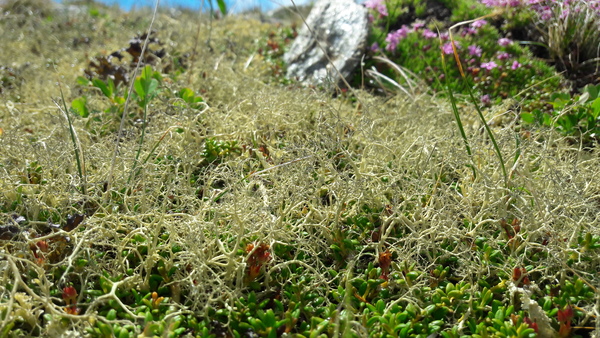
Juri Nascimbene - CC BY-SA 4.0
Italy, Trentino-Alto Adige, Bolzano/Bozen, Val Mazia
2017
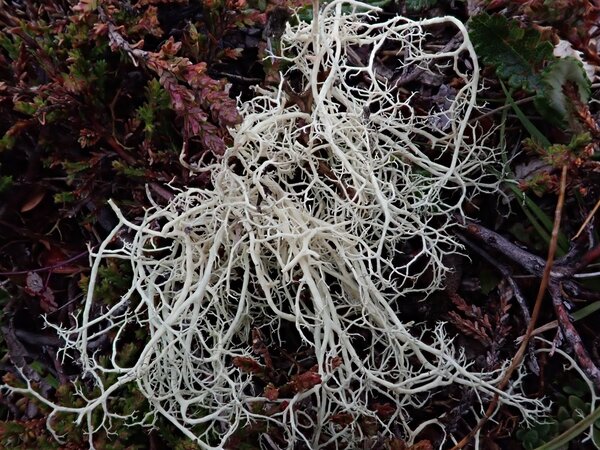
Jennifer Fiorentino
Iceland, Eastern Iceland
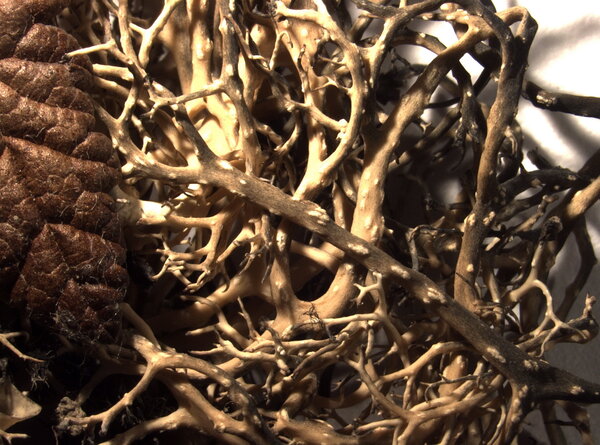
Pier Luigi Nimis - CC BY-SA 4.0
TSB 43985
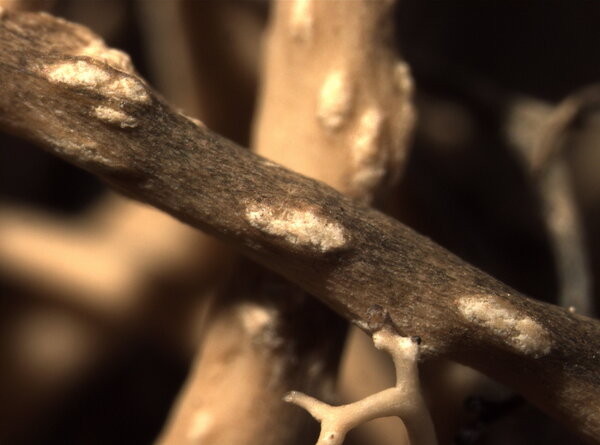
Pier Luigi Nimis - CC BY-SA 4.0
TSB 43985
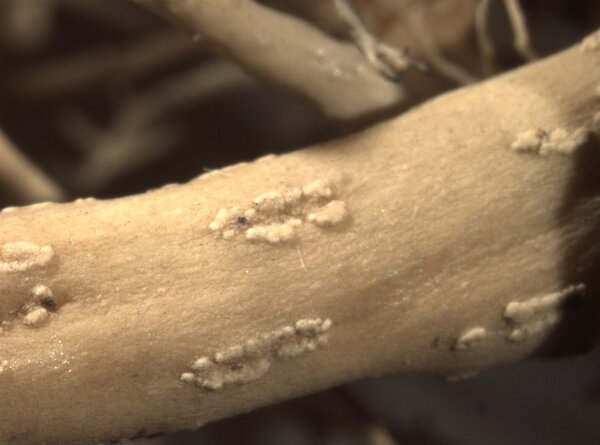
Pier Luigi Nimis - Department of Life Sciences, University of Trieste - CC BY-SA 4.0
TSB 36865
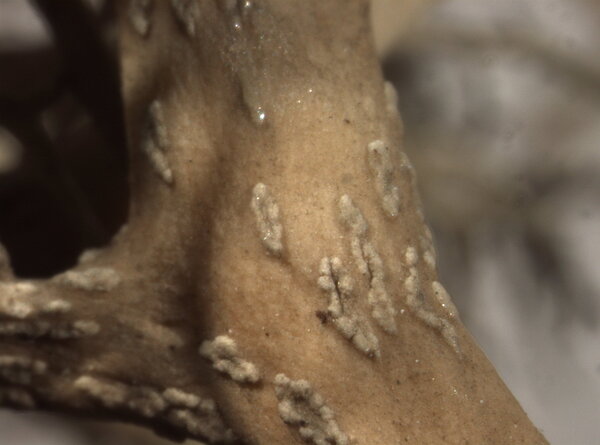
Pier Luigi Nimis - Department of Life Sciences, University of Trieste - CC BY-SA 4.0
TSB 36911
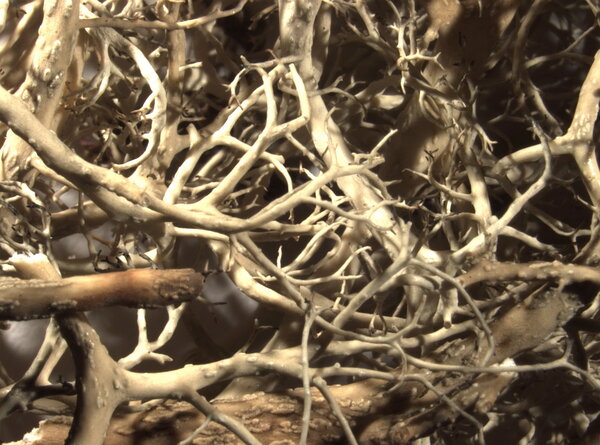
Pier Luigi Nimis - Department of Life Sciences, University of Trieste - CC BY-SA 4.0
TSB 36911
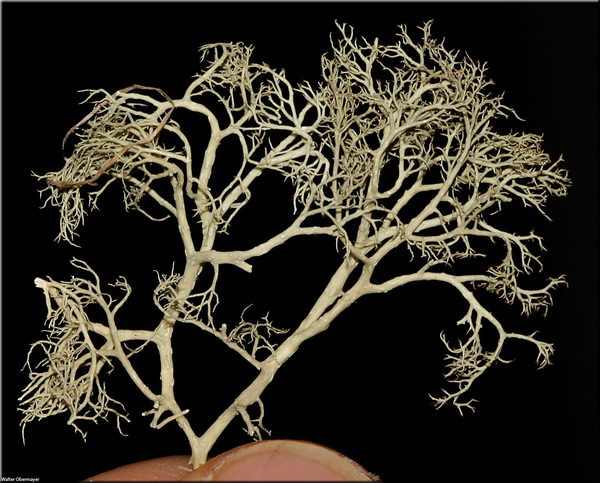
Walter Obermayer CC BY-SA 4.0 - Source: Lichens of Noricum - http://lichens-of-noricum.uni-graz.at/
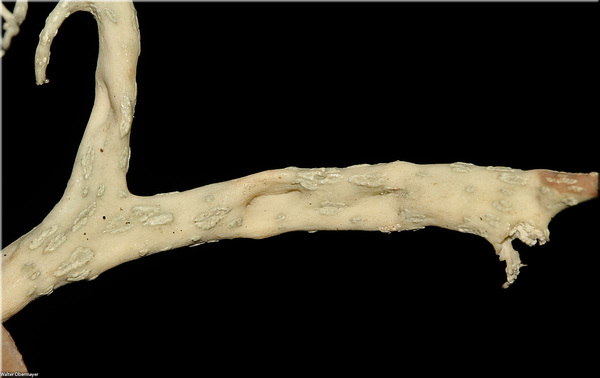
Walter Obermayer CC BY-SA 4.0 - Source: Lichens of Noricum - http://lichens-of-noricum.uni-graz.at/
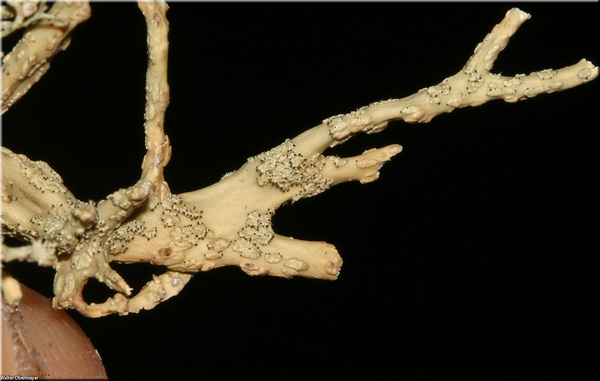
Walter Obermayer CC BY-SA 4.0 - Source: Lichens of Noricum - http://lichens-of-noricum.uni-graz.at/
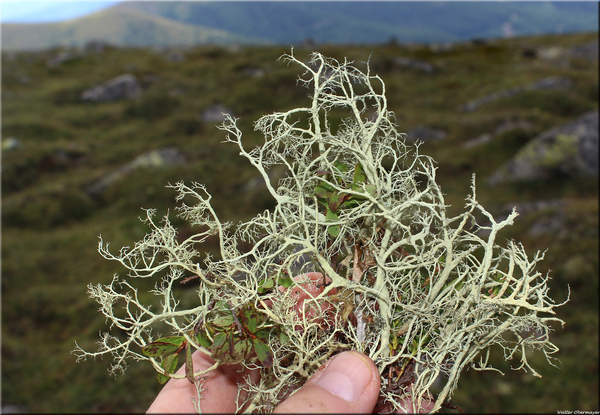
Walter Obermayer CC BY-SA 4.0 - Source: Lichens of Noricum - http://lichens-of-noricum.uni-graz.at/
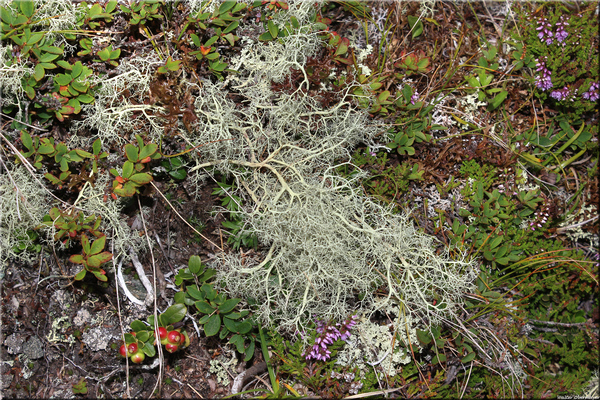
Walter Obermayer CC BY-SA 4.0 - Source: Lichens of Noricum - http://lichens-of-noricum.uni-graz.at/
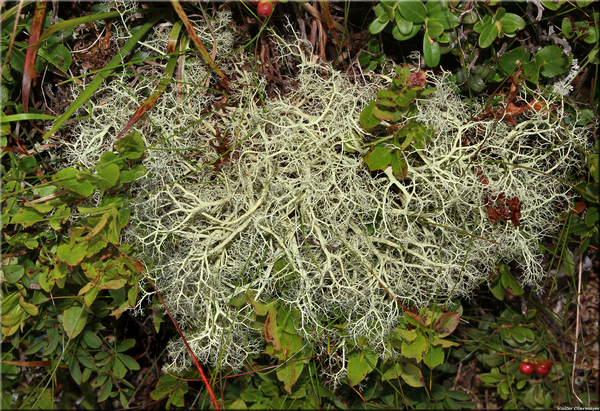
Walter Obermayer CC BY-SA 4.0 - Source: Lichens of Noricum - http://lichens-of-noricum.uni-graz.at/
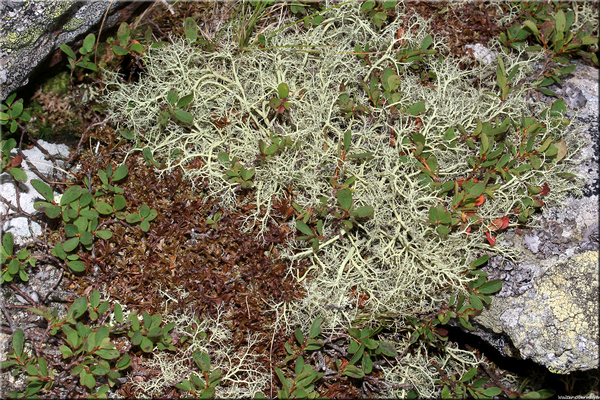
Walter Obermayer CC BY-SA 4.0 - Source: Lichens of Noricum - http://lichens-of-noricum.uni-graz.at/
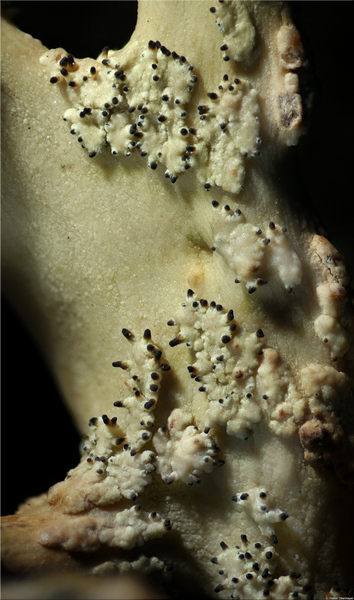
Walter Obermayer CC BY-SA 4.0 - Source: Lichens of Noricum - http://lichens-of-noricum.uni-graz.at/
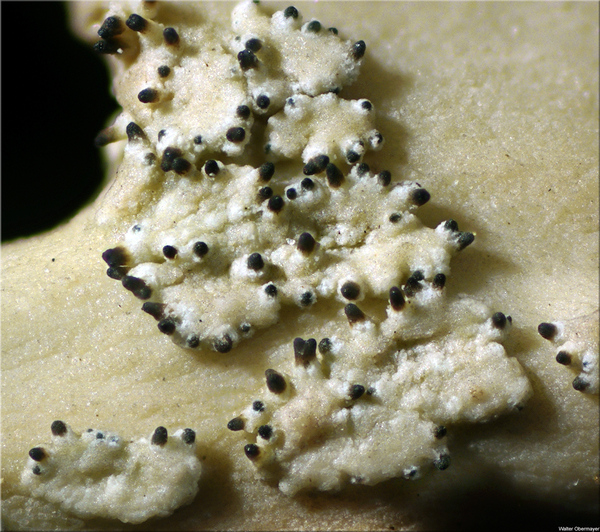
Walter Obermayer CC BY-SA 4.0 - Source: Lichens of Noricum - http://lichens-of-noricum.uni-graz.at/
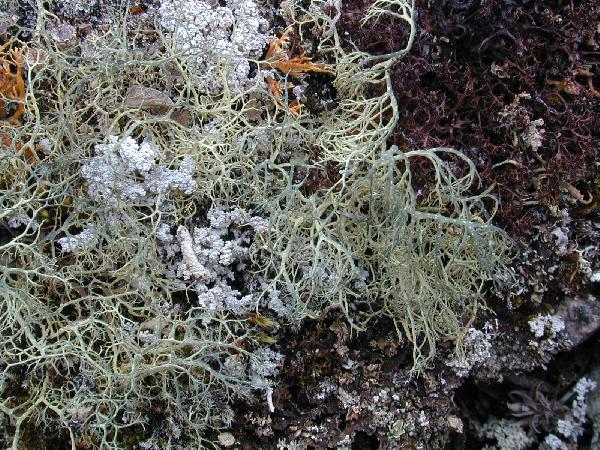
Wolfgang von Brackel - CC BY 4.0
Greenland, ., .
.
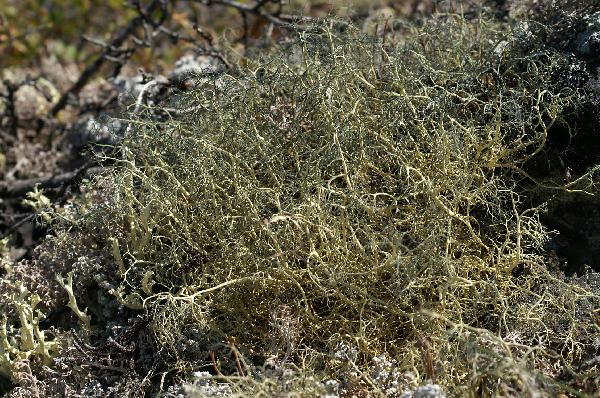
Wolfgang von Brackel - CC BY 4.0
Greenland, ., .
.
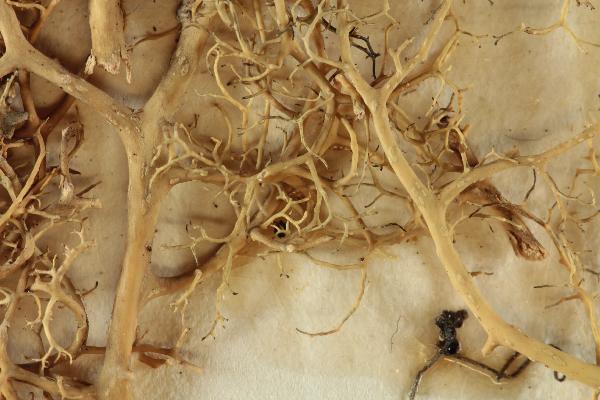
Collezione lichenologica Abramo Massalongo del Museo di Storia Naturale G. Ligabue di Venezia - Autori: Seggi, Linda; Trabucco, Raffaella Proprietà: Fondazione Musei Civici di Venezia - CC BY-NC
Italy, Veneto, in Alpibus Cadubriae. M. Spina 1855
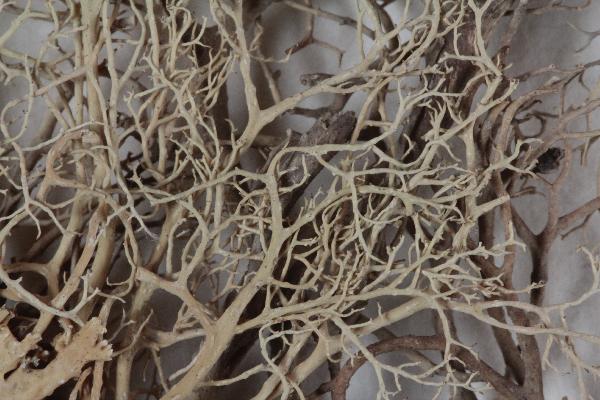
Collezione lichenologica Abramo Massalongo del Museo di Storia Naturale G. Ligabue di Venezia - Autori: Seggi, Linda; Trabucco, Raffaella Proprietà: Fondazione Musei Civici di Venezia - CC BY-NC
Italy, Veneto, in Al. Cadubriae
As Cornicularia ochroleuca
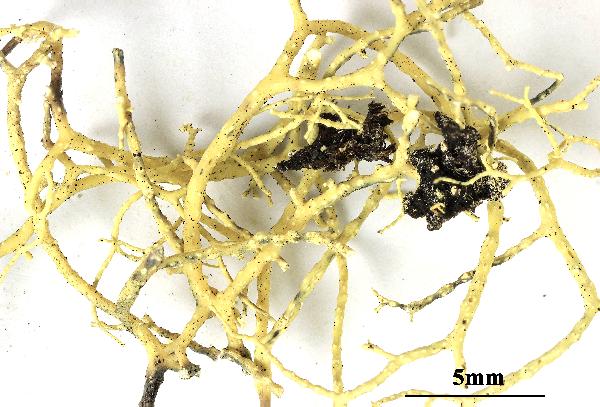
Felix Schumm - CC BY-SA 4.0
[VZR391], Venezuela. Mérida: Mucubaji prope lacum dictum Mucubaji,
inter Apartadero et Santo Domingo, in vegetatione montana
"paramo" dicta, 3230 m. Ad saxum muscorum. Leg. W. L. Culberson
(no. 21088) & C. F. Culberson, 19.08.1989. EX A. VEZDA: LICHENES
RARIORES EXSICCATI NR. 391.
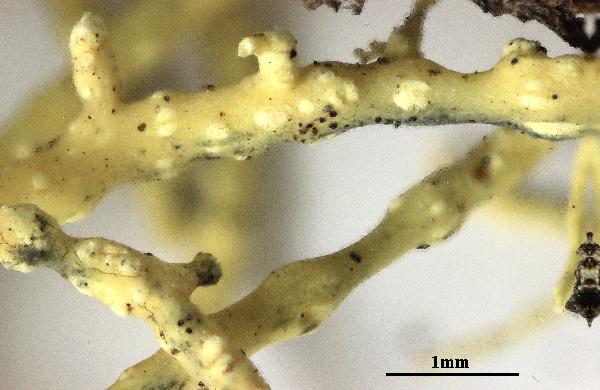
Felix Schumm - CC BY-SA 4.0
[VZR391], Venezuela. Mérida: Mucubaji prope lacum dictum Mucubaji,
inter Apartadero et Santo Domingo, in vegetatione montana
"paramo" dicta, 3230 m. Ad saxum muscorum. Leg. W. L. Culberson
(no. 21088) & C. F. Culberson, 19.08.1989. EX A. VEZDA: LICHENES
RARIORES EXSICCATI NR. 391.

Felix Schumm - CC BY-SA 4.0
[VZR391], Venezuela. Mérida: Mucubaji prope lacum dictum Mucubaji,
inter Apartadero et Santo Domingo, in vegetatione montana
Paramo dicta, 3230 m. Ad saxum muscorum. Leg. W. L. Culberson
(no. 21088) & C. F. Culberson, 19.08.1989. EX A. VEZDA: LICHENES
RARIORES EXSICCATI NR. 391.

Felix Schumm - CC BY-SA 4.0
[VZR391], Venezuela. Mérida: Mucubaji prope lacum dictum Mucubaji,
inter Apartadero et Santo Domingo, in vegetatione montana
Paramo dicta, 3230 m. Ad saxum muscorum. Leg. W. L. Culberson
(no. 21088) & C. F. Culberson, 19.08.1989. EX A. VEZDA: LICHENES
RARIORES EXSICCATI NR. 391.
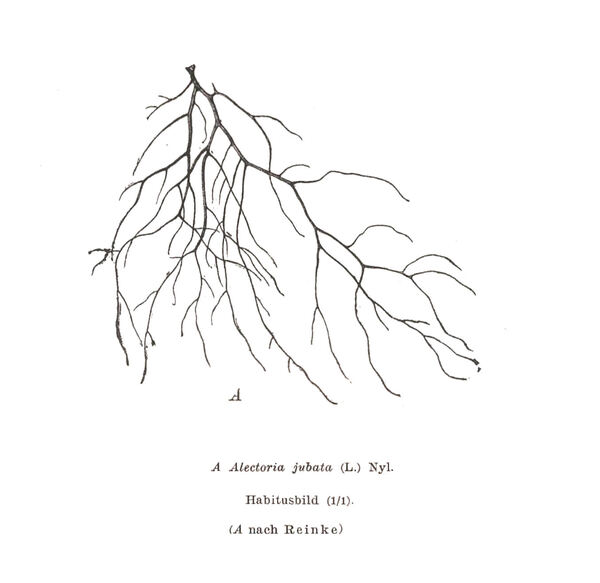
Zahlbruckner A. 1926. Lichenes (Flechten). In: Engler A. (ed.): Die natürlichen Pflanzenfamilien. 2nd ed., vol 8, W. Engelmann, Leipzig, 270 pp.
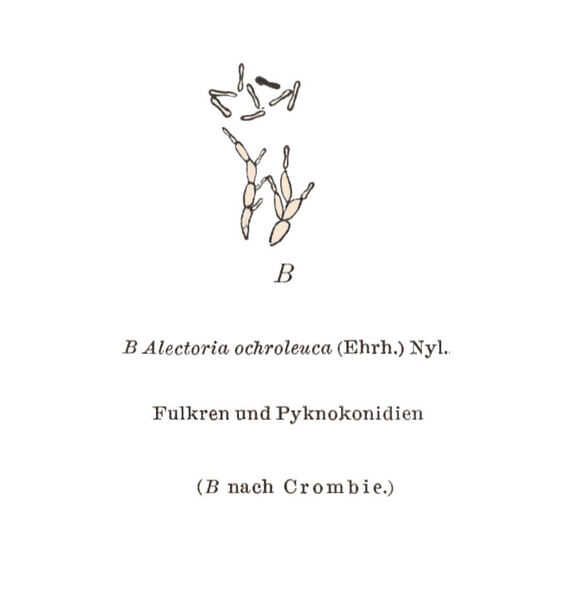
Zahlbruckner A. 1926. Lichenes (Flechten). In: Engler A. (ed.): Die natürlichen Pflanzenfamilien. 2nd ed., vol 8, W. Engelmann, Leipzig, 270 pp.
Growth form: Fruticose filamentous
Substrata: soil, terricolous mosses, and plant debris
Photobiont: green algae other than Trentepohlia
Reproductive strategy: mainly asexual, by thallus fragmentation
Commonnes-rarity: (info)
Alpine belt: rather common
Subalpine belt: very rare
Montane belt: absent
Dry submediterranean belt: absent
Humid submediterranean belt: absent
Padanian area: absent
pH of the substrata:
| 1 | 2 | 3 | 4 | 5 |
Solar irradiation:
| 1 | 2 | 3 | 4 | 5 |
Aridity:
| 1 | 2 | 3 | 4 | 5 |
Eutrophication:
| 1 | 2 | 3 | 4 | 5 |
Poleotolerance:
| 0 | 1 | 2 | 3 |
Altitudinal distribution:
| 1 | 2 | 3 | 4 | 5 | 6 |
Rarity
absent
extremely rare
very rare
rare
rather rare
rather common
common
very common
extremely common
Loading data...
Occurrence data
Predictive map
Current prediction (1981-2010)Future prediction (2071-2100) SSP 1-2.6Future prediction (2071-2100) SSP 5-8.5Predictive maps according to Francesconi et al. 2025
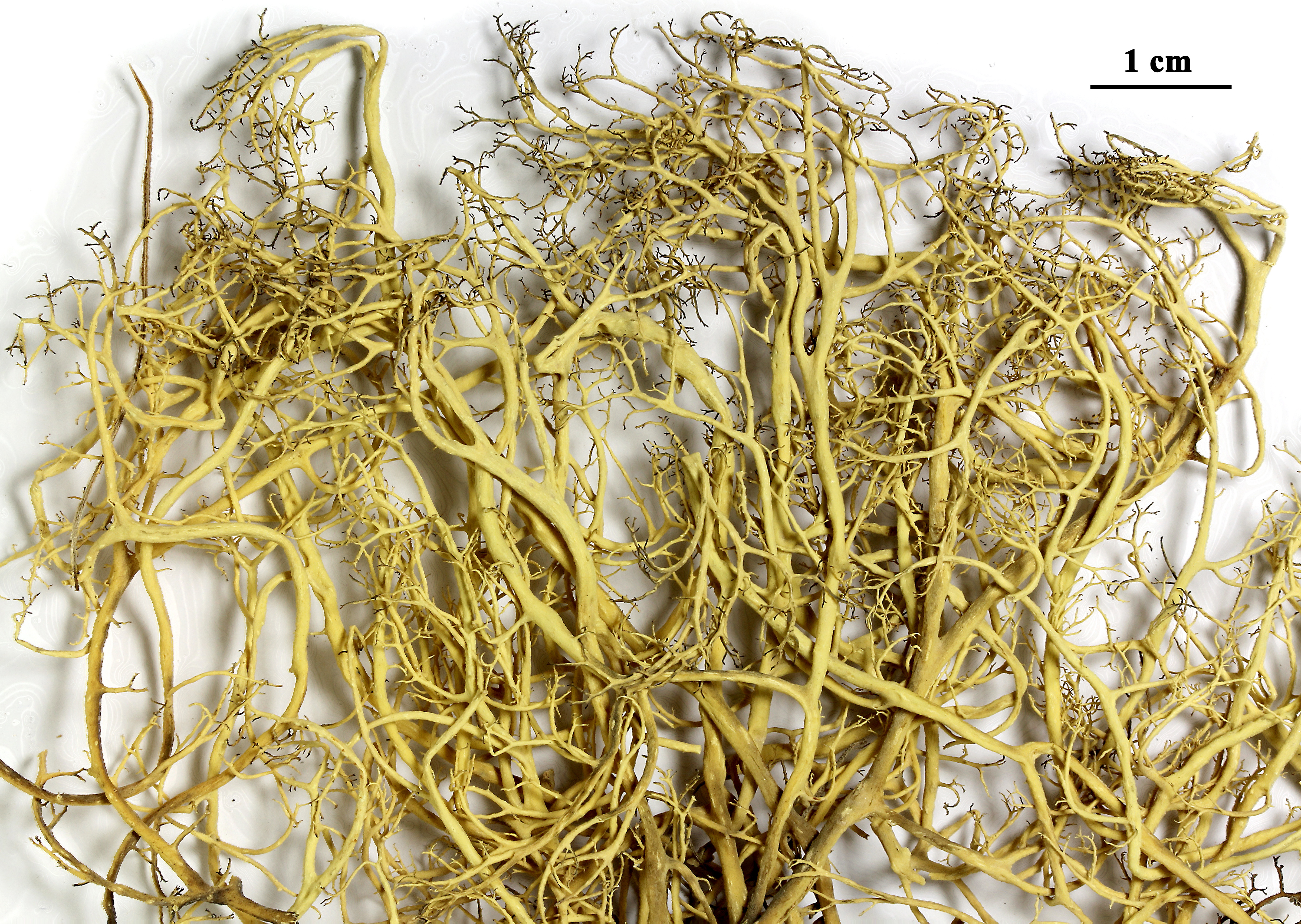
Felix Schumm - CC BY-SA 4.0
[18142], Peru, Junin, zwischen Satipo und Huancayo, zwischen Moosen und Zwergsträuchern über Granit, 3500 m. Leg. K. Kalb, 26.07.1979. KALB: LICHENES NEOTROPICI 161.
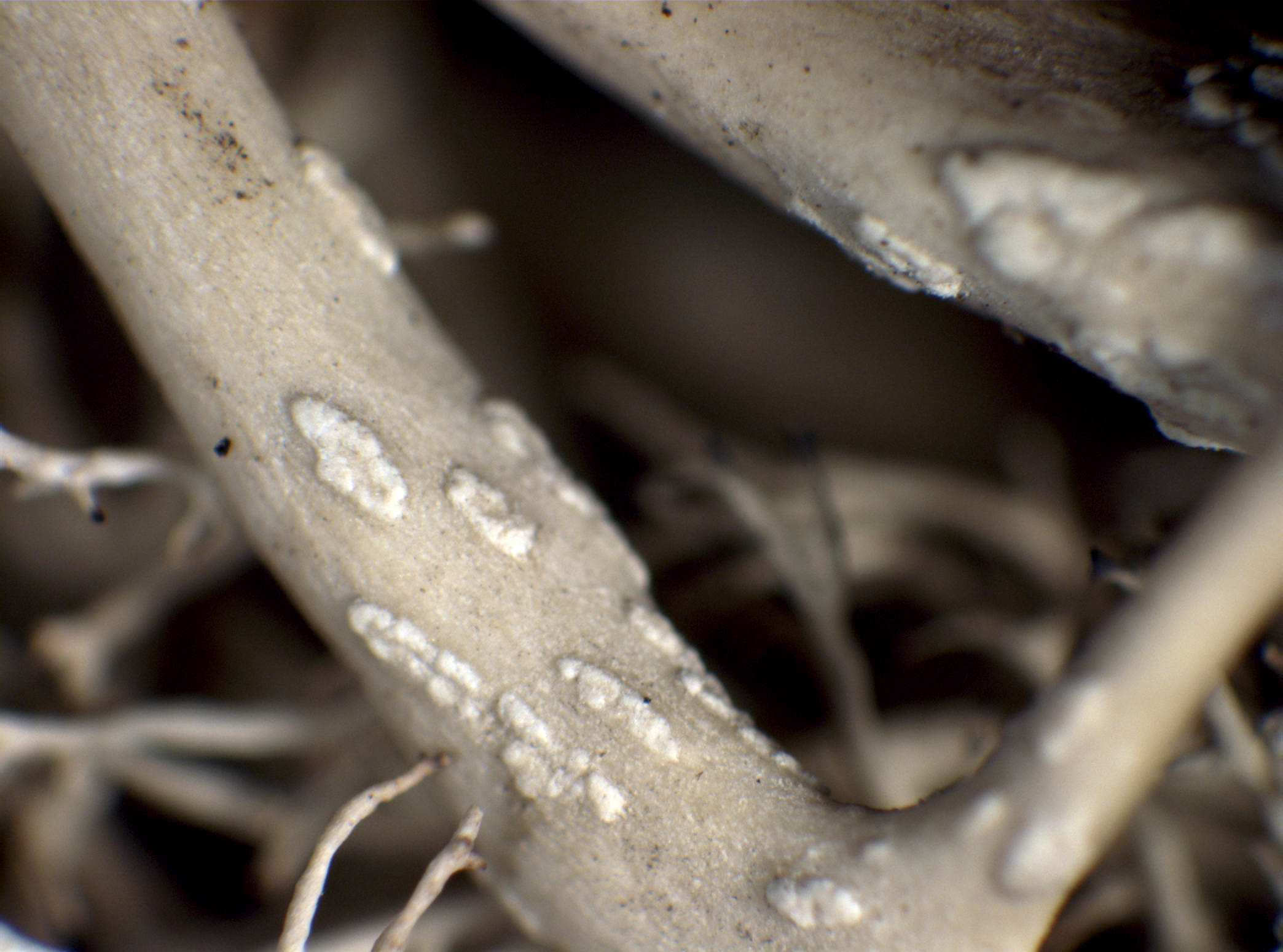
P.L. Nimis; Owner: Department of Life Sciences, University of Trieste
Herbarium: TSB (8714)
2001/11/21
detail of pseudocyphellae
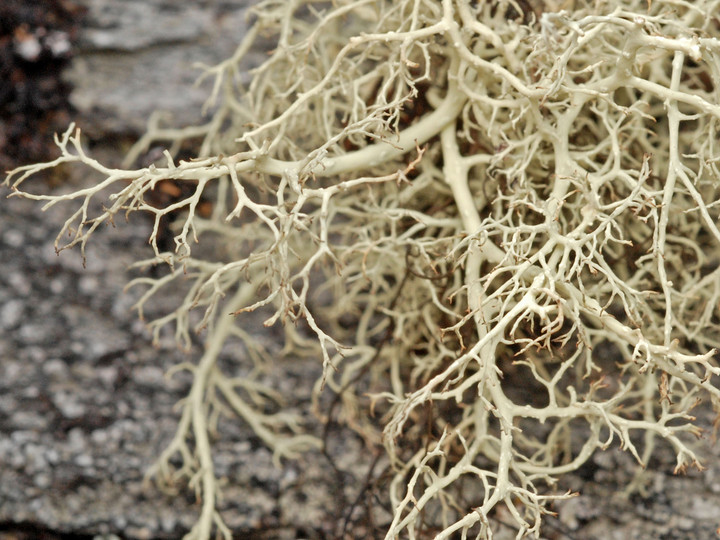
Leif Stridvall - Source: http://www.stridvall.se/la/galleries.php

Felix Schumm - CC BY-SA 4.0
[18142], Peru, Junin, zwischen Satipo und Huancayo, zwischen Moosen und Zwergsträuchern über Granit, 3500 m. Leg. K. Kalb, 26.07.1979. KALB: LICHENES NEOTROPICI 161.
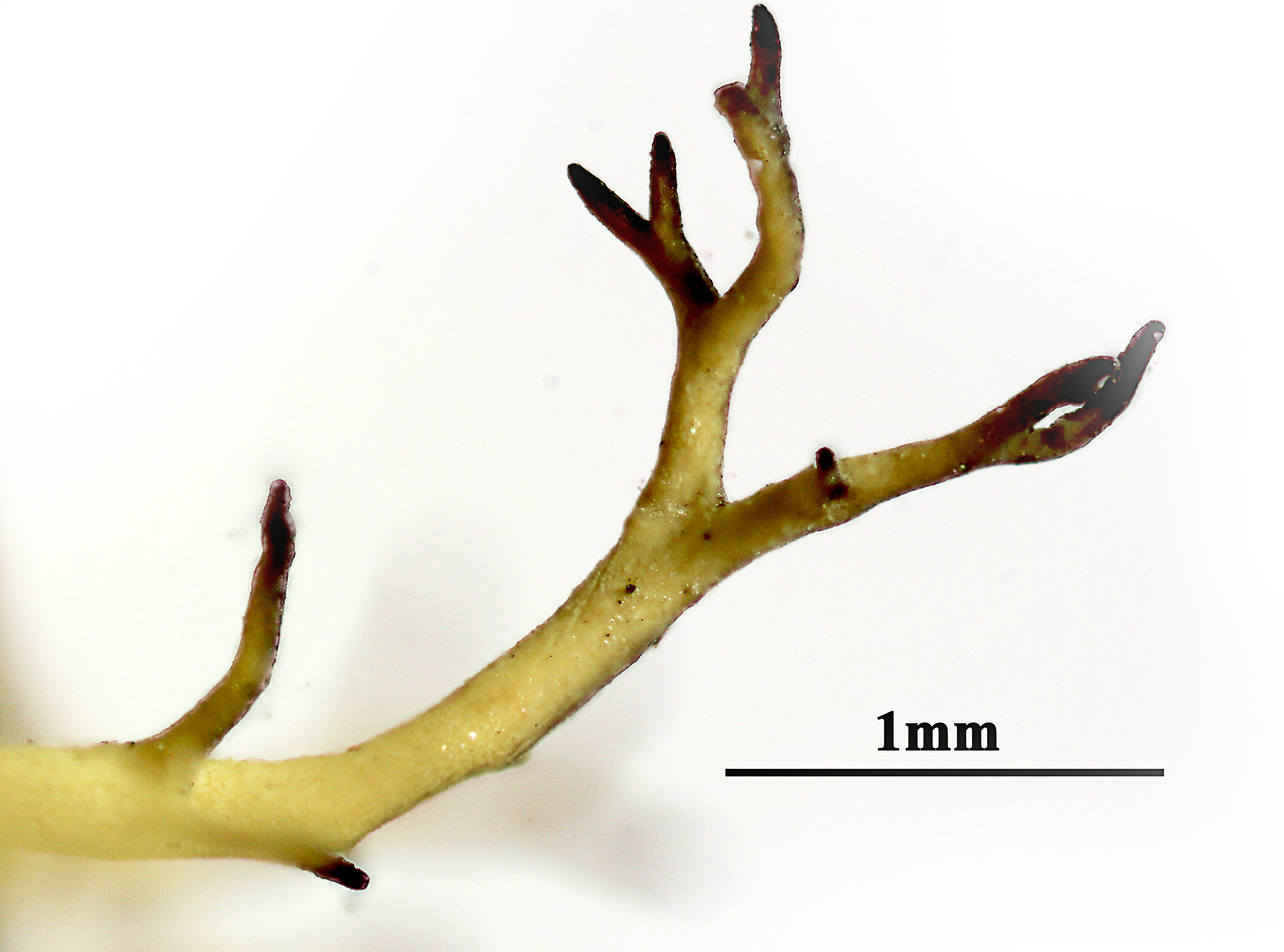
Felix Schumm - CC BY-SA 4.0
[18142], Peru, Junin, zwischen Satipo und Huancayo, zwischen Moosen und Zwergsträuchern über Granit, 3500 m. Leg. K. Kalb, 26.07.1979. KALB: LICHENES NEOTROPICI 161.
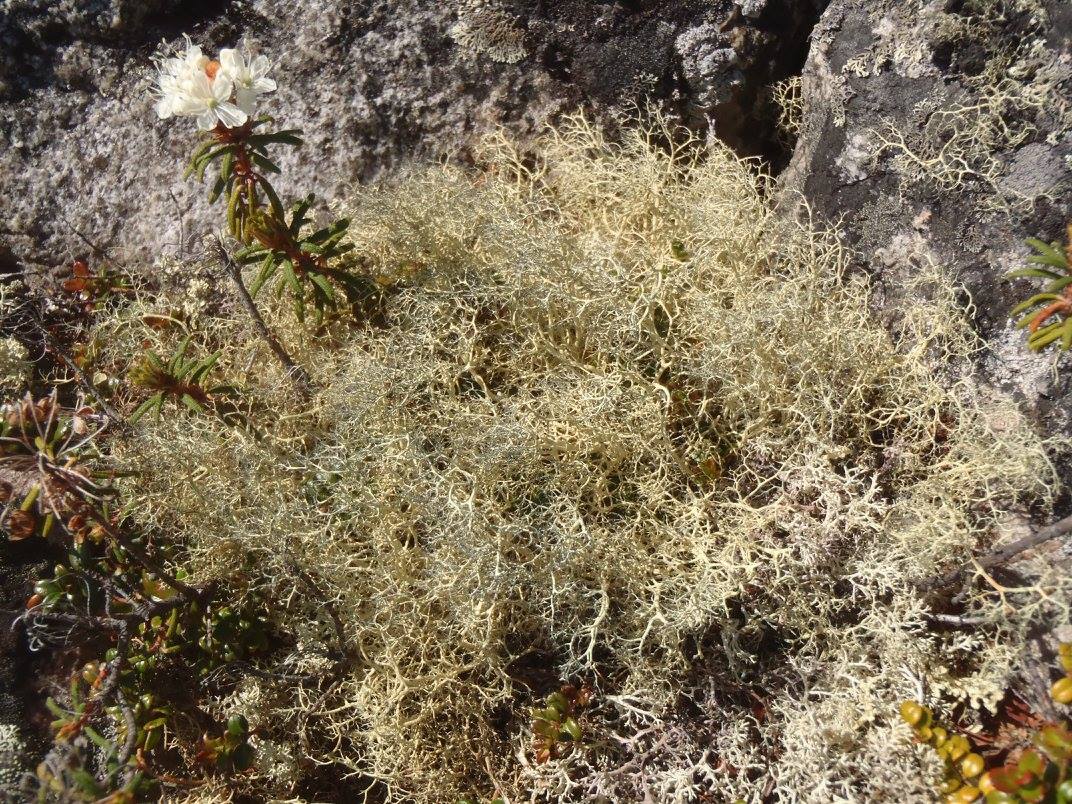
Curtis Randall Björk, - CC BY-SA 4.0
Nunavut, Northwest Territories, CanadaIsland, British Columbia, Canada
2012

Juri Nascimbene - CC BY-SA 4.0
Italy, Trentino-Alto Adige, Bolzano/Bozen, Val Mazia
2017
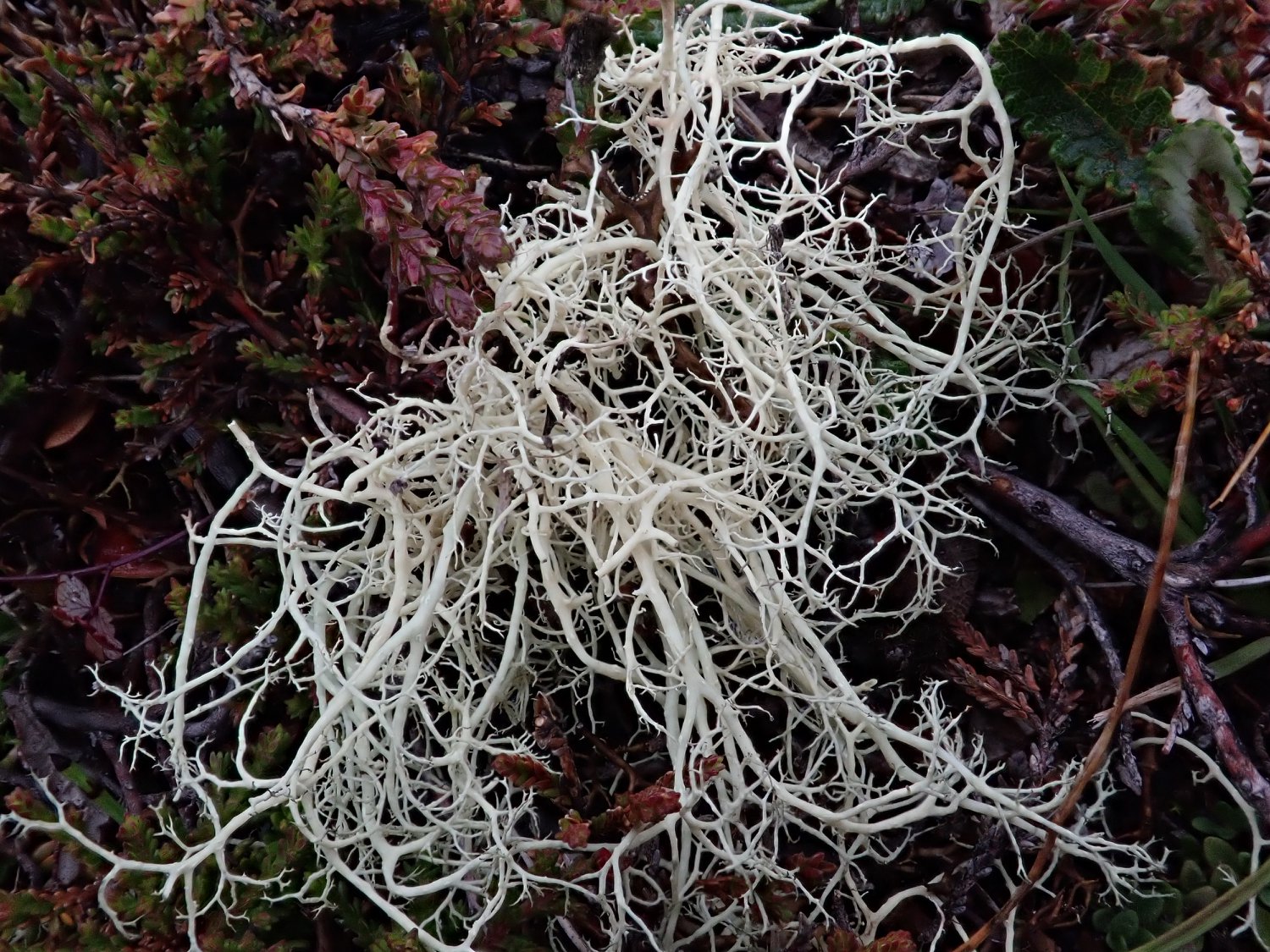
Jennifer Fiorentino
Iceland, Eastern Iceland
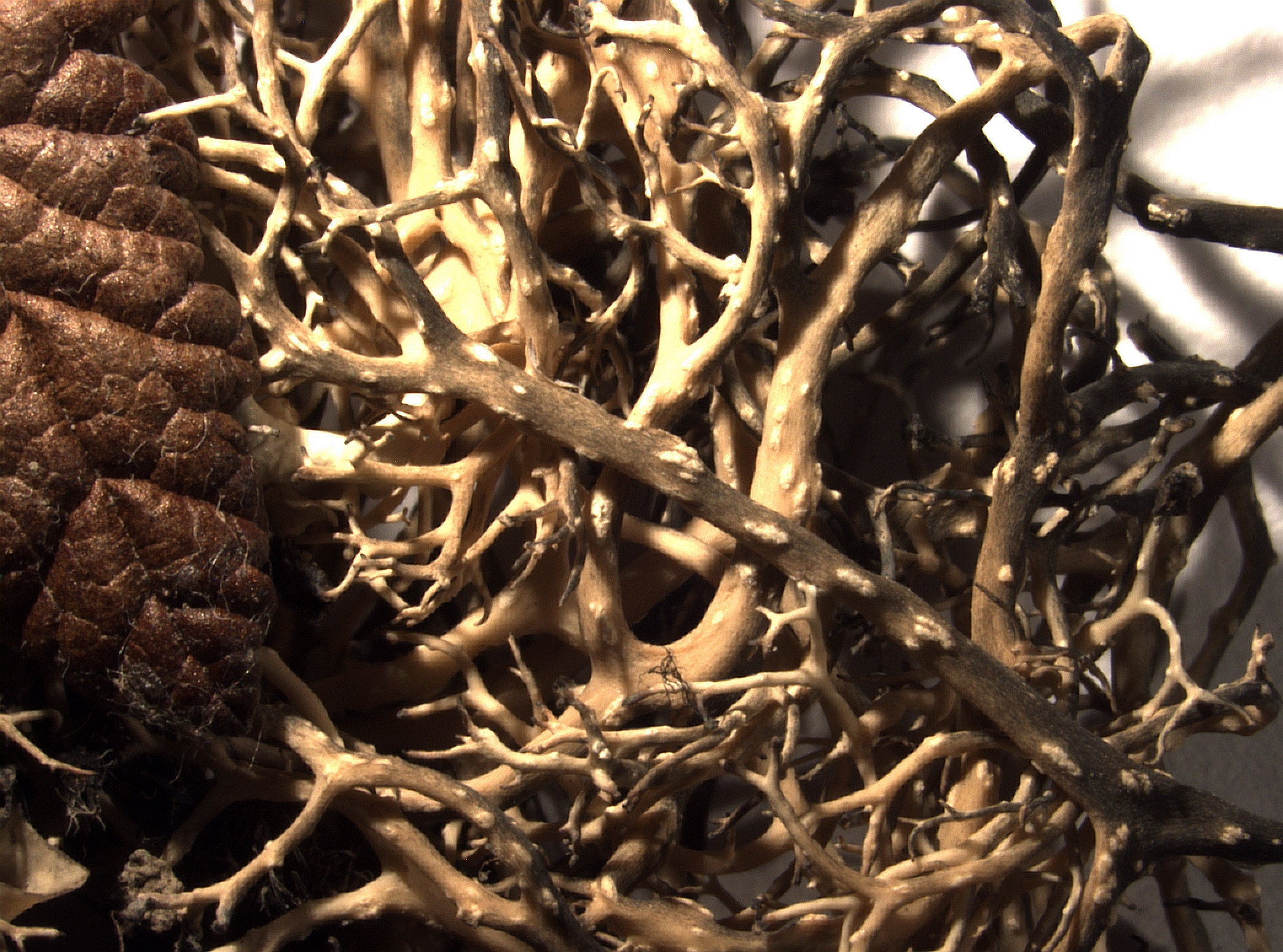
Pier Luigi Nimis - CC BY-SA 4.0
TSB 43985

Pier Luigi Nimis - CC BY-SA 4.0
TSB 43985
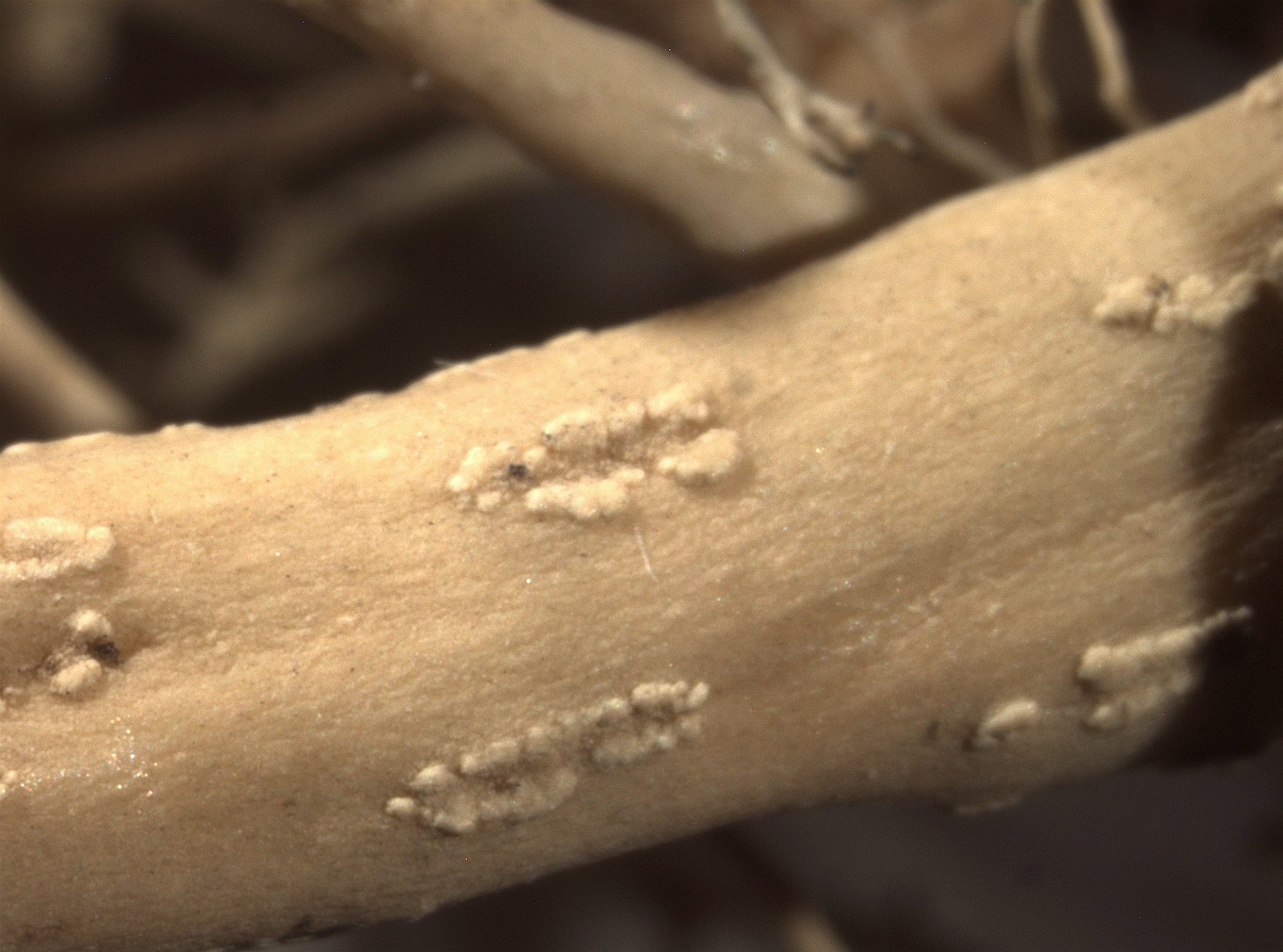
Pier Luigi Nimis - Department of Life Sciences, University of Trieste - CC BY-SA 4.0
TSB 36865

Pier Luigi Nimis - Department of Life Sciences, University of Trieste - CC BY-SA 4.0
TSB 36911
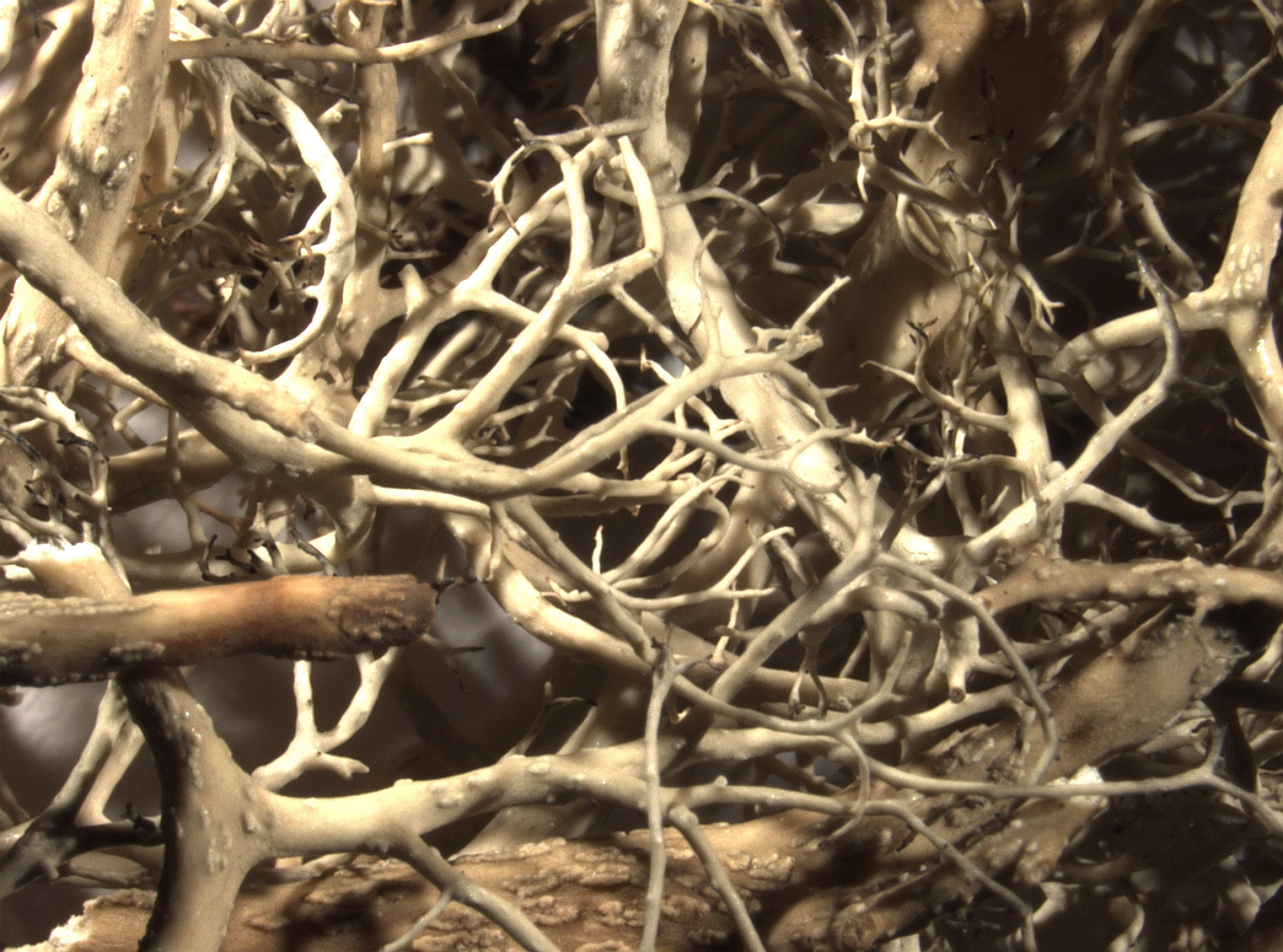
Pier Luigi Nimis - Department of Life Sciences, University of Trieste - CC BY-SA 4.0
TSB 36911

Walter Obermayer CC BY-SA 4.0 - Source: Lichens of Noricum - http://lichens-of-noricum.uni-graz.at/
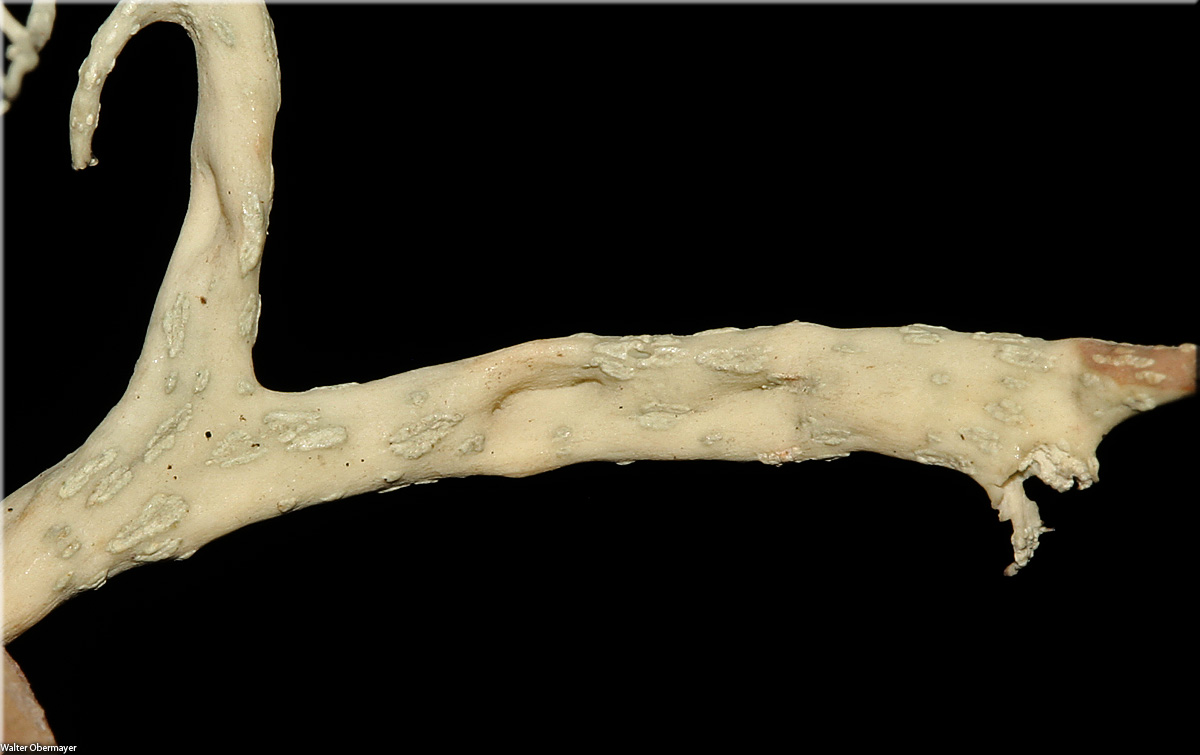
Walter Obermayer CC BY-SA 4.0 - Source: Lichens of Noricum - http://lichens-of-noricum.uni-graz.at/

Walter Obermayer CC BY-SA 4.0 - Source: Lichens of Noricum - http://lichens-of-noricum.uni-graz.at/
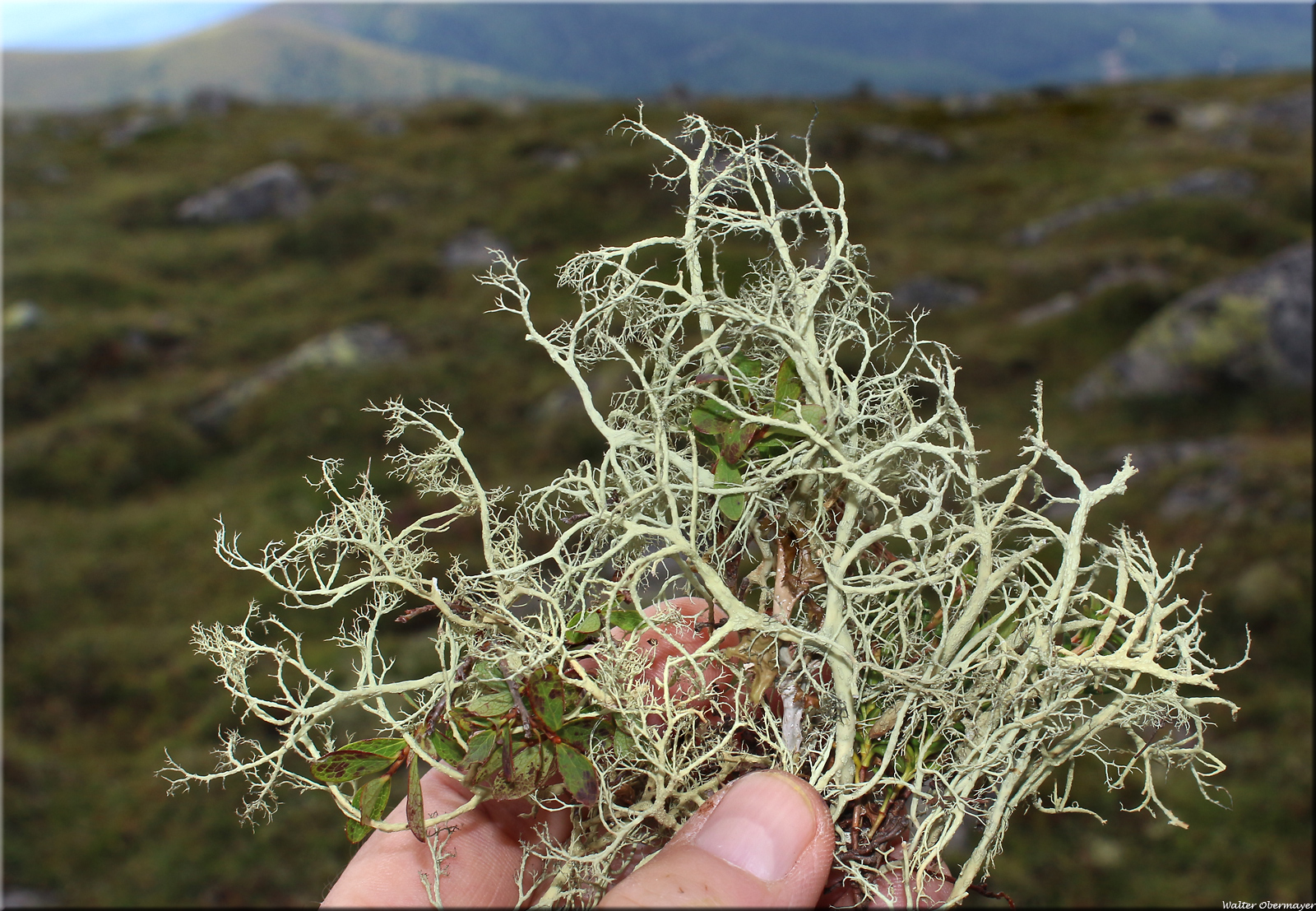
Walter Obermayer CC BY-SA 4.0 - Source: Lichens of Noricum - http://lichens-of-noricum.uni-graz.at/
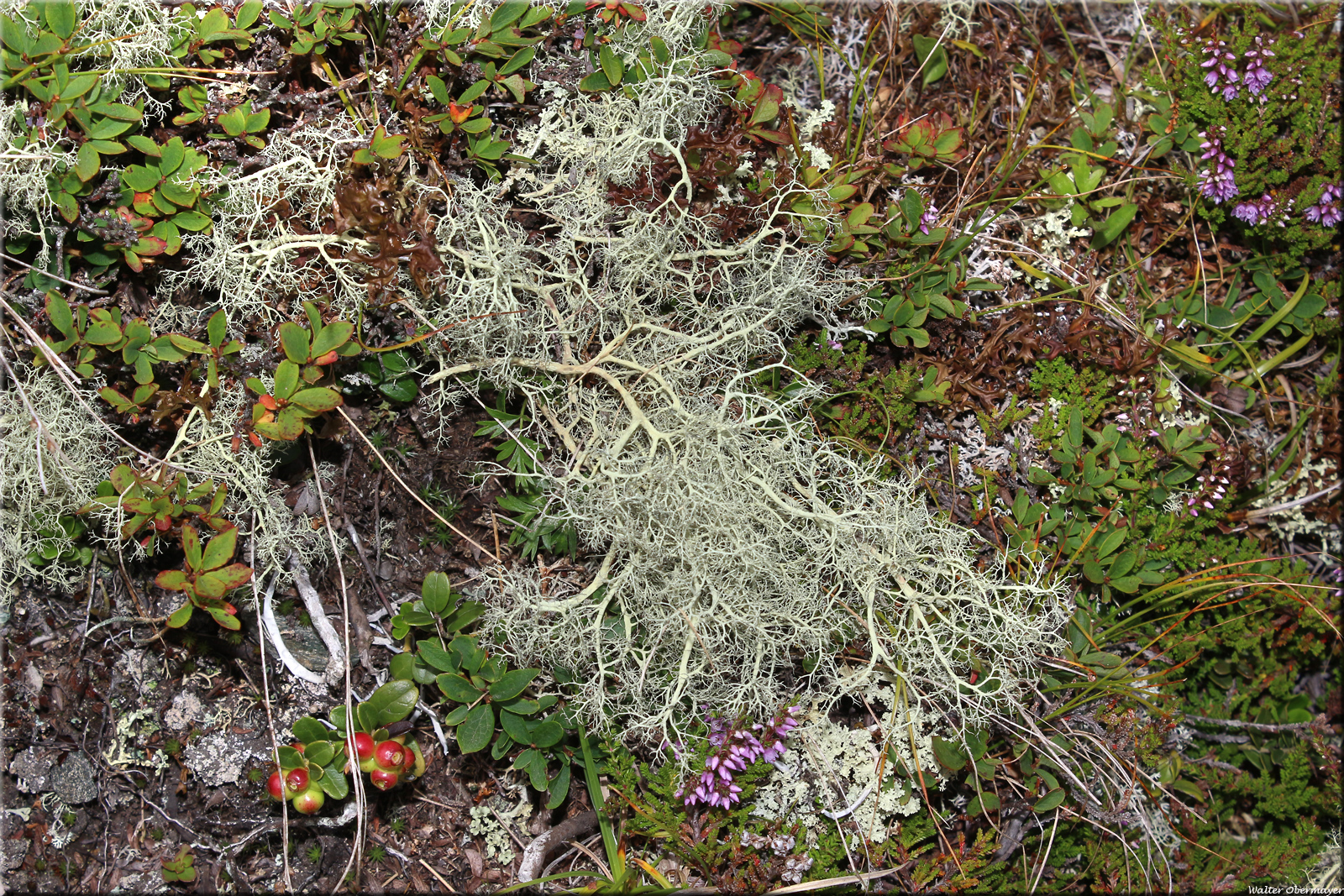
Walter Obermayer CC BY-SA 4.0 - Source: Lichens of Noricum - http://lichens-of-noricum.uni-graz.at/
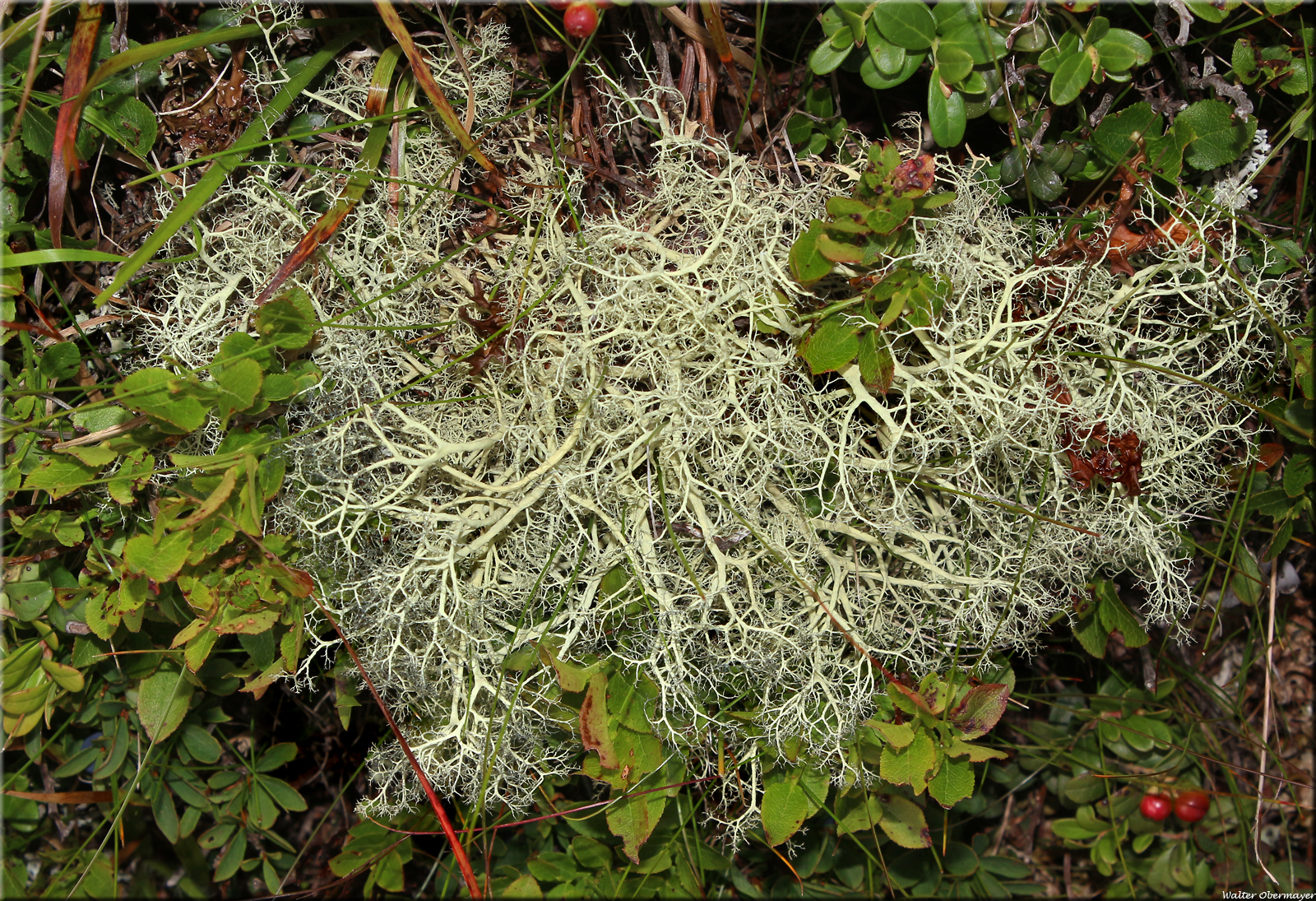
Walter Obermayer CC BY-SA 4.0 - Source: Lichens of Noricum - http://lichens-of-noricum.uni-graz.at/
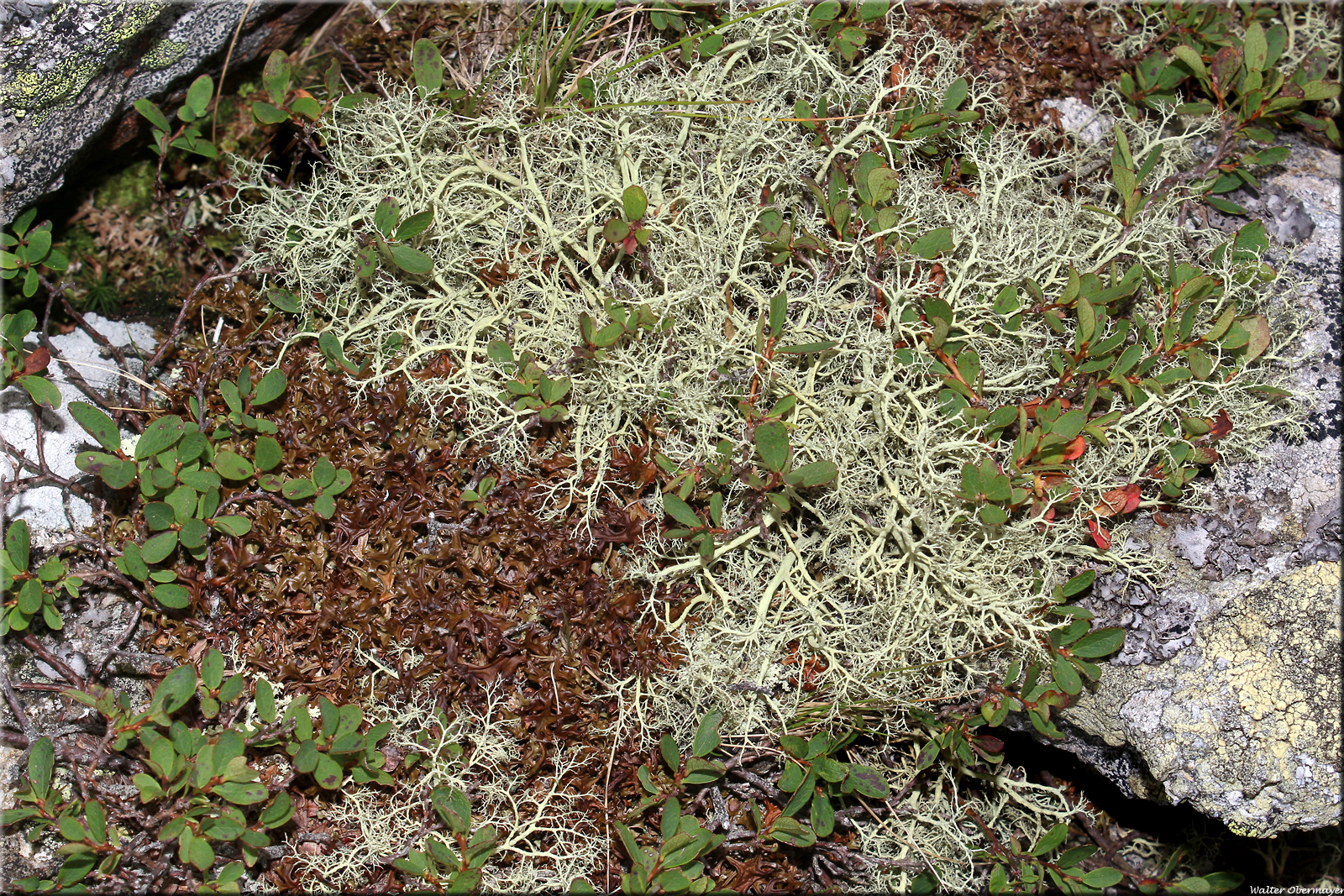
Walter Obermayer CC BY-SA 4.0 - Source: Lichens of Noricum - http://lichens-of-noricum.uni-graz.at/
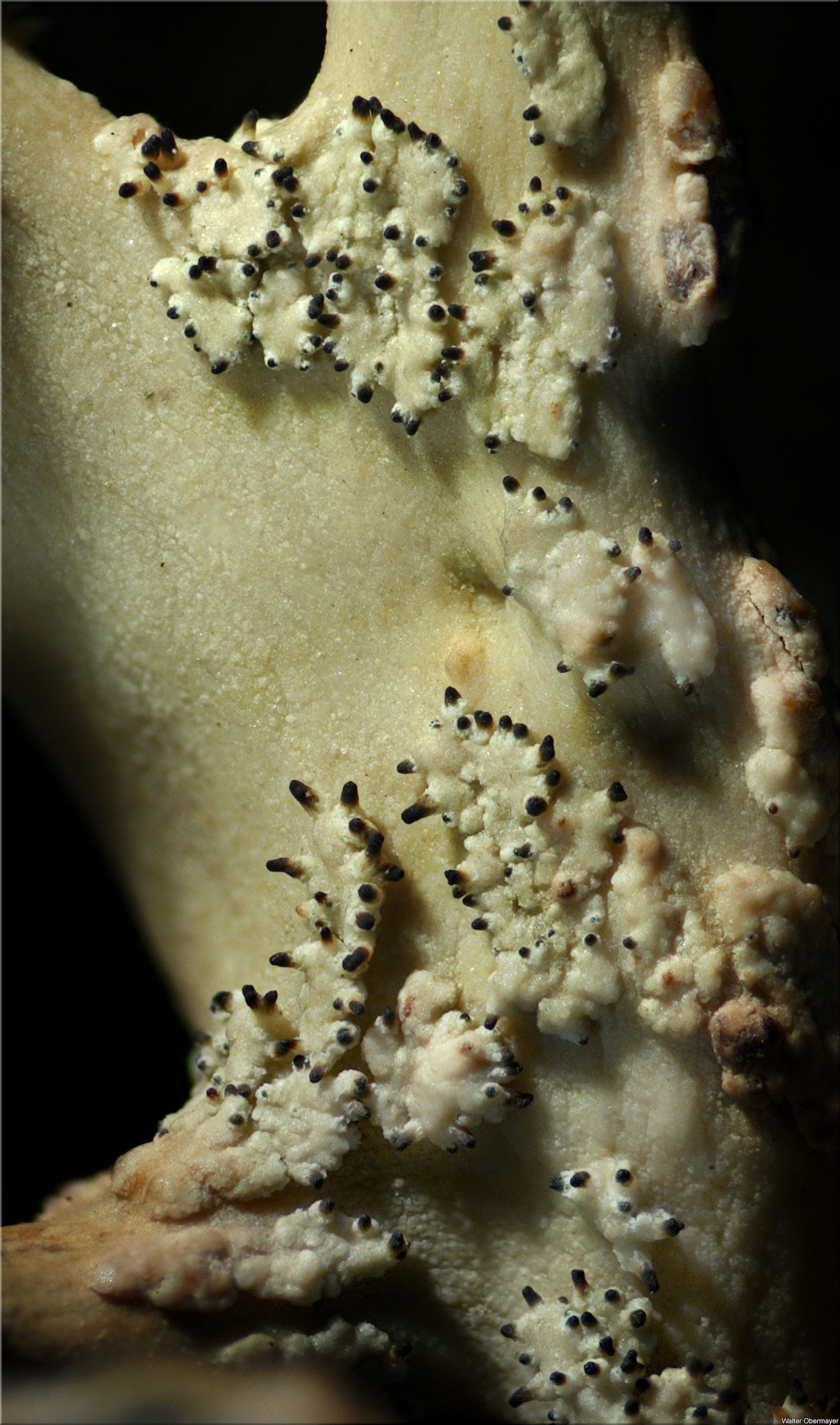
Walter Obermayer CC BY-SA 4.0 - Source: Lichens of Noricum - http://lichens-of-noricum.uni-graz.at/
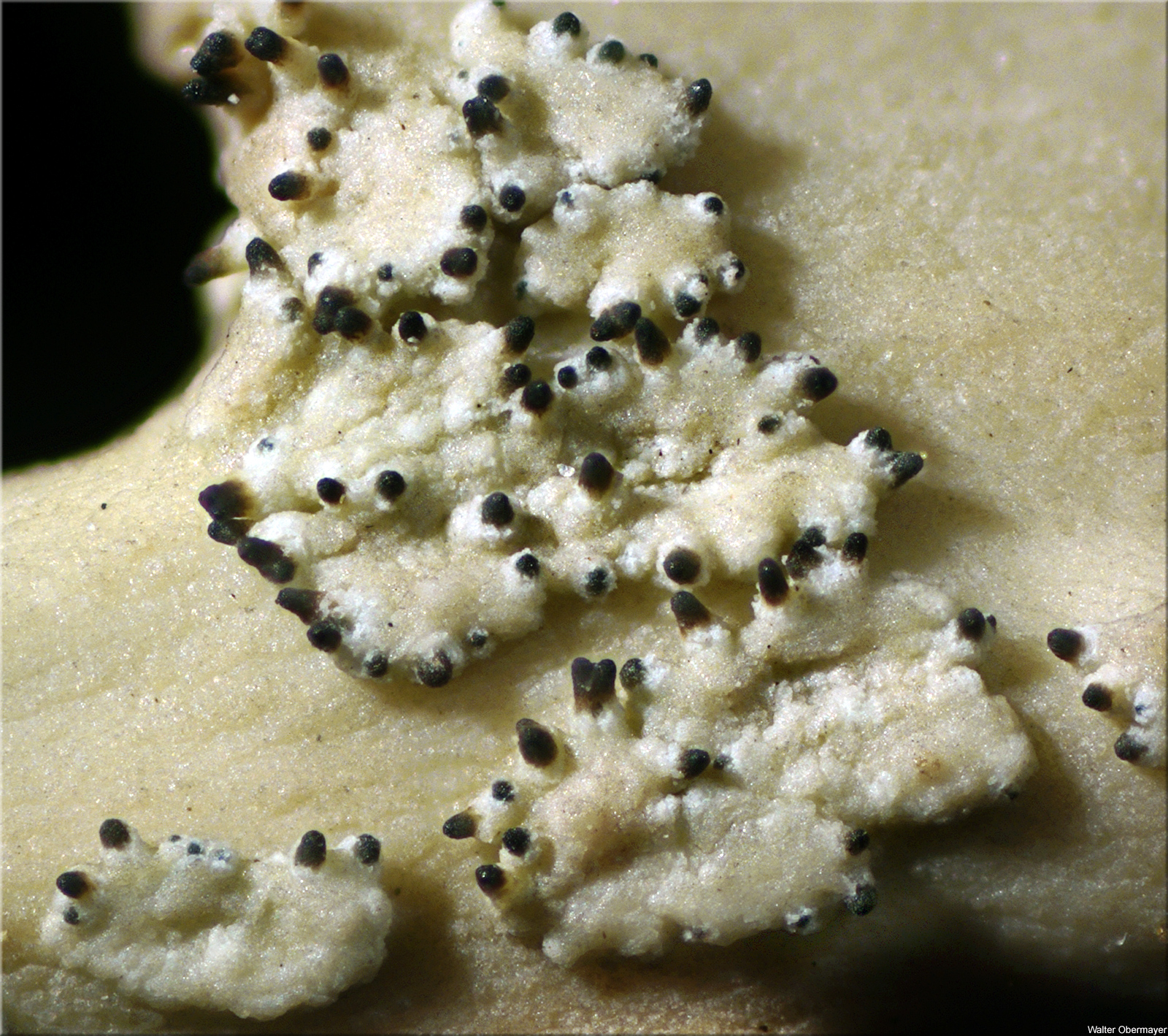
Walter Obermayer CC BY-SA 4.0 - Source: Lichens of Noricum - http://lichens-of-noricum.uni-graz.at/
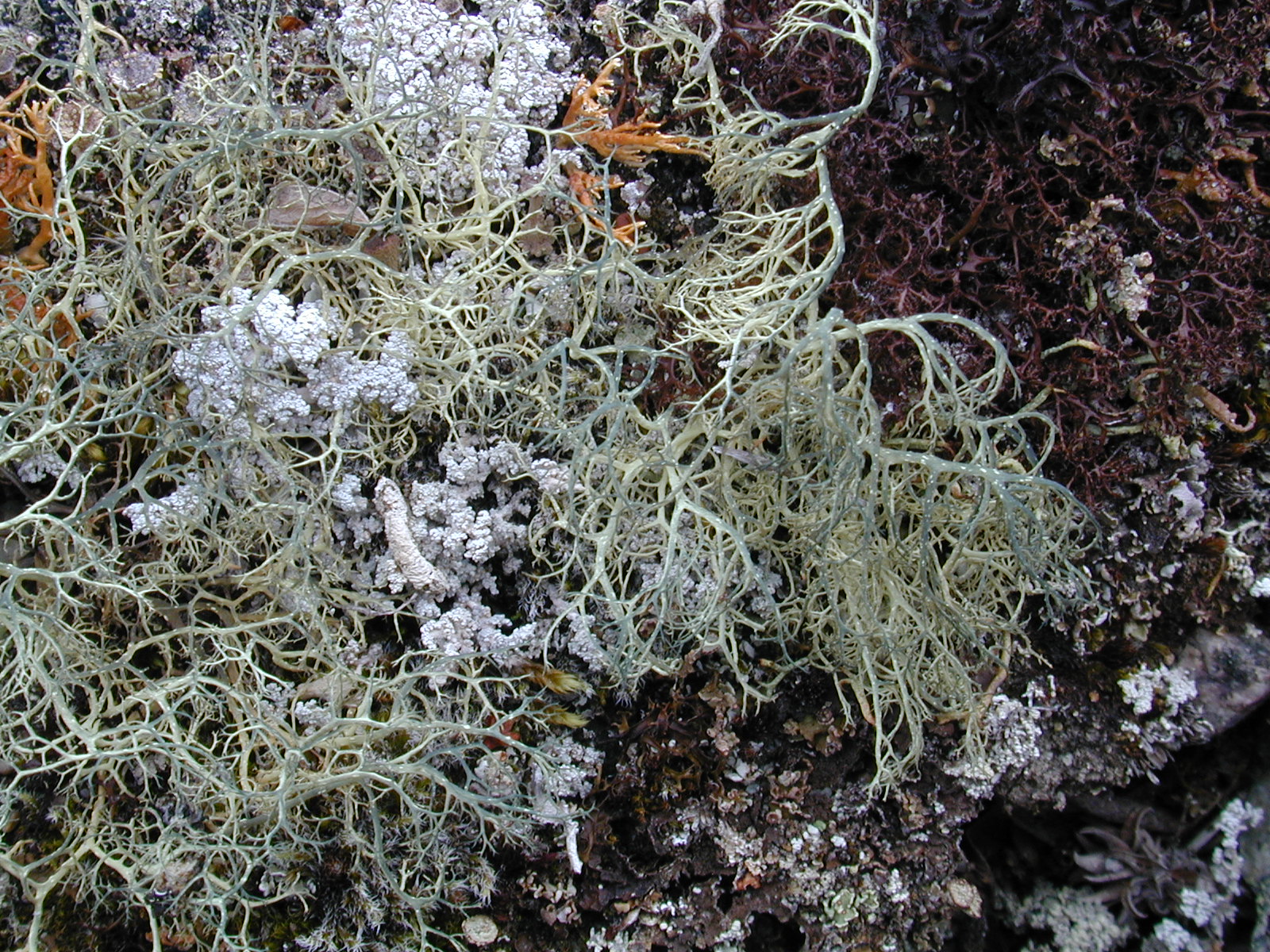
Wolfgang von Brackel - CC BY 4.0
Greenland, ., .
.
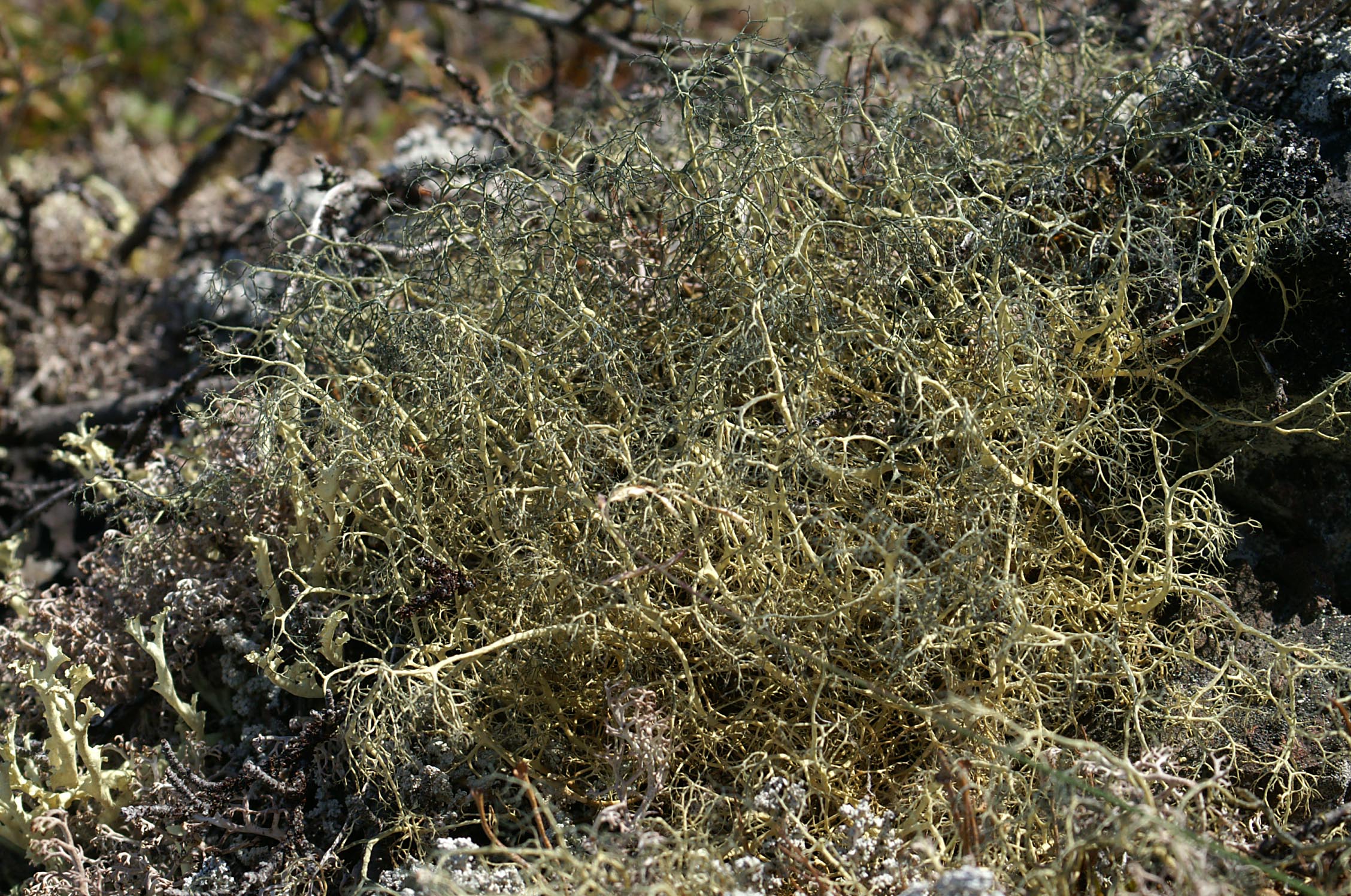
Wolfgang von Brackel - CC BY 4.0
Greenland, ., .
.

Collezione lichenologica Abramo Massalongo del Museo di Storia Naturale G. Ligabue di Venezia - Autori: Seggi, Linda; Trabucco, Raffaella Proprietà: Fondazione Musei Civici di Venezia - CC BY-NC
Italy, Veneto, in Alpibus Cadubriae. M. Spina 1855

Collezione lichenologica Abramo Massalongo del Museo di Storia Naturale G. Ligabue di Venezia - Autori: Seggi, Linda; Trabucco, Raffaella Proprietà: Fondazione Musei Civici di Venezia - CC BY-NC
Italy, Veneto, in Al. Cadubriae
As Cornicularia ochroleuca

Felix Schumm - CC BY-SA 4.0
[VZR391], Venezuela. Mérida: Mucubaji prope lacum dictum Mucubaji, inter Apartadero et Santo Domingo, in vegetatione montana "paramo" dicta, 3230 m. Ad saxum muscorum. Leg. W. L. Culberson (no. 21088) & C. F. Culberson, 19.08.1989. EX A. VEZDA: LICHENES RARIORES EXSICCATI NR. 391.

Felix Schumm - CC BY-SA 4.0
[VZR391], Venezuela. Mérida: Mucubaji prope lacum dictum Mucubaji, inter Apartadero et Santo Domingo, in vegetatione montana "paramo" dicta, 3230 m. Ad saxum muscorum. Leg. W. L. Culberson (no. 21088) & C. F. Culberson, 19.08.1989. EX A. VEZDA: LICHENES RARIORES EXSICCATI NR. 391.

Felix Schumm - CC BY-SA 4.0
[VZR391], Venezuela. Mérida: Mucubaji prope lacum dictum Mucubaji, inter Apartadero et Santo Domingo, in vegetatione montana Paramo dicta, 3230 m. Ad saxum muscorum. Leg. W. L. Culberson (no. 21088) & C. F. Culberson, 19.08.1989. EX A. VEZDA: LICHENES RARIORES EXSICCATI NR. 391.

Felix Schumm - CC BY-SA 4.0
[VZR391], Venezuela. Mérida: Mucubaji prope lacum dictum Mucubaji, inter Apartadero et Santo Domingo, in vegetatione montana Paramo dicta, 3230 m. Ad saxum muscorum. Leg. W. L. Culberson (no. 21088) & C. F. Culberson, 19.08.1989. EX A. VEZDA: LICHENES RARIORES EXSICCATI NR. 391.
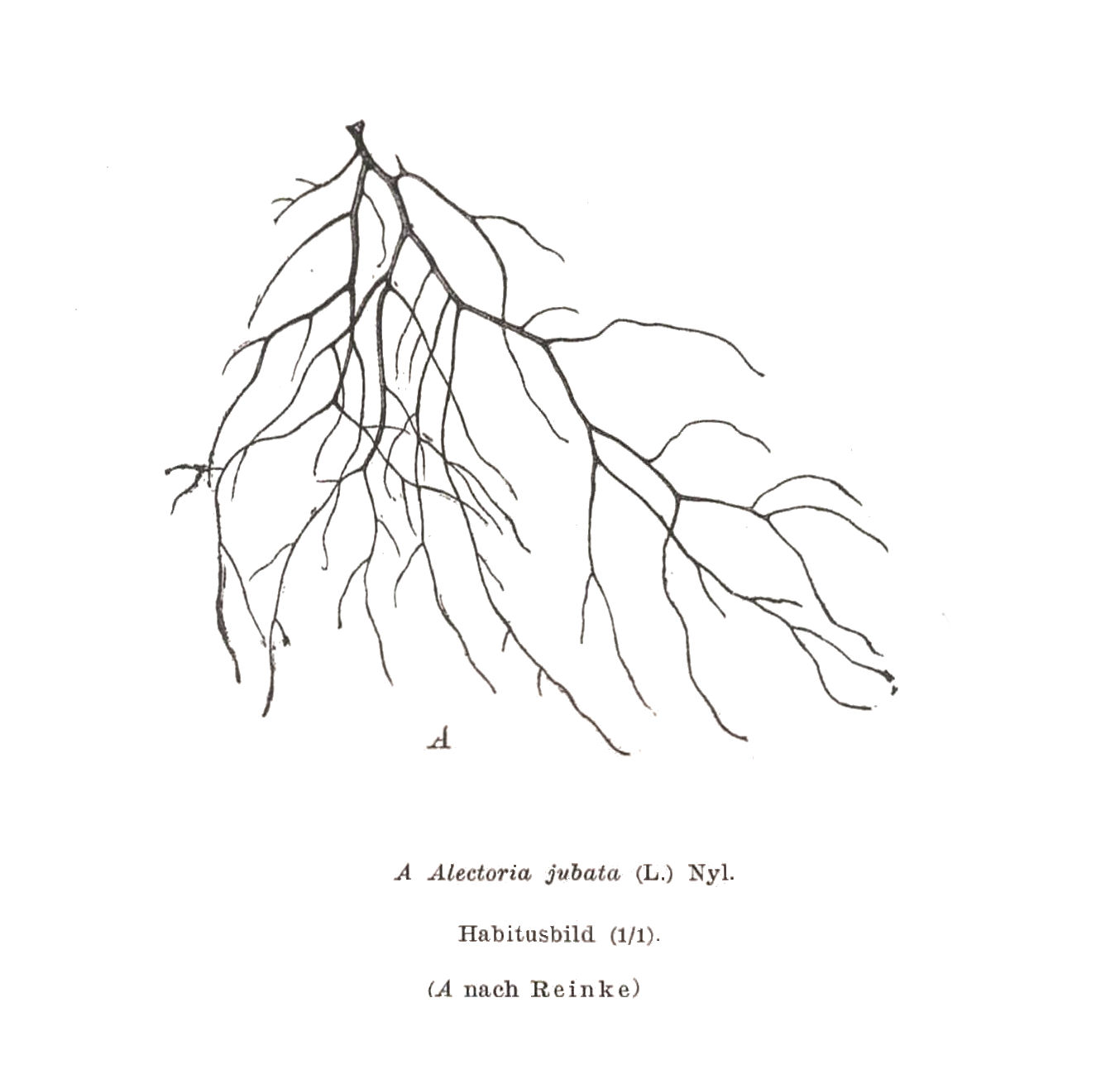
Zahlbruckner A. 1926. Lichenes (Flechten). In: Engler A. (ed.): Die natürlichen Pflanzenfamilien. 2nd ed., vol 8, W. Engelmann, Leipzig, 270 pp.