Allantoparmelia alpicola (Th. Fr.) Essl.
Mycotaxon, 7: 46, 1978. Basionym: Parmelia alpicola Th. Fr. - N. Acta Reg. Soc. Sci. Upsal., ser. 3, 3: 57, 1861.
Synonyms: Hypogymnia alpicola (Th. Fr.) Hav.; Parmelia encausta var. alpicola (Th. Fr.) Nyl.; Parmelia jinretienii Gyeln.; Parmelia nigrita (Flot.) Hillmann
Description: Thallus foliose, heteromerous, dorsiventral, closely adnate, forming regular or irregular up to to 6(-8) cm wide rosettes, several thalli often merging to cover larger surfaces. Lobes 0.2-0.8(-1) mm wide, flattened to convex, often torulose-nodulose, with a crenulate margin. Upper surface blackish brown, greyish black or brown, somewhat paler in shade-forms, dull or shiny towards margins; lower surface black, browned at lobe tips, erhizinate, attached by irregular, short cortical outgrowths (and hence sometimes appearing almost crustose). Upper cortex prosoplectenchymatous, with a non-pored epicortex, the cell walls containing isolichenan; medulla white, compact; lower cortex similar to the upper one. Apothecia common, lecanorine, 3-4(-5) mm across, with a dark brown to black disc and a usually smooth thalline margin. Epithecium brown; hymenium and hypothecium colourless. Asci 8-spored, clavate, the K/I+ blue tholus penetrated by a faintly amyloid apical cushion with parallel or diverging flanks, the wall K/I-, surrounded by a K/I+ blue outer layer, Lecanora-type. Ascospores 1-celled, hyaline, broadly ellipsoid to subglobose, 7-10 x 5-7 μm. Pycnidia common, immersed, black. Conidia bifusiform or thickened at one end, 4.5-6 x c. 1 μm. Photobiont chlorococcoid. Spot tests: upper cortex K-, C-, KC-, P-; medulla K+ pale yellow, C+ red, KC+ red, P+ yellow, UV-. Chemistry: medulla with alectorialic and barbatolic acids.
Growth form: Foliose, broad lobed
Substrata: rocks
Photobiont: green algae other than Trentepohlia
Reproductive strategy: mainly sexual
Commonnes-rarity: (info)
Alpine belt: very rare
Subalpine belt: extremely rare
Montane belt: absent
Dry submediterranean belt: absent
Humid submediterranean belt: absent
Padanian area: absent
pH of the substrata:
1 2 3 4 5

Solar irradiation:
1 2 3 4 5
Aridity:
1 2 3 4 5
Eutrophication:
1 2 3 4 5
Poleotolerance:
0 1 2 3
Altitudinal distribution:
1 2 3 4 5 6
Rarity
absent
extremely rare
very rare
rare
rather rare
rather common
common
very common
extremely common
Loading data...
Occurrence data
Predictive map
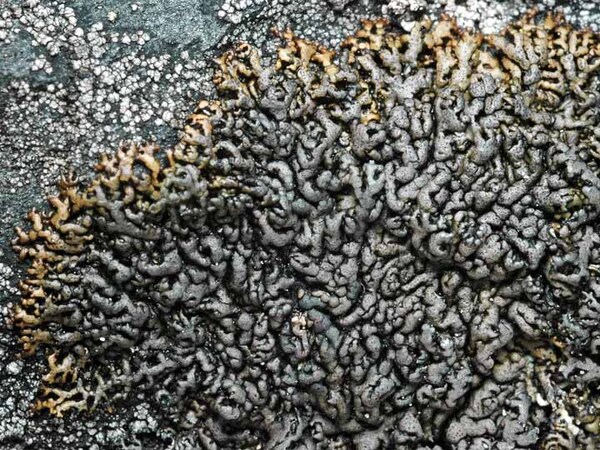
Leif Stridvall Courtesy: Anita Stridvall -Source: http://www.stridvall.se/lichens/gallery/
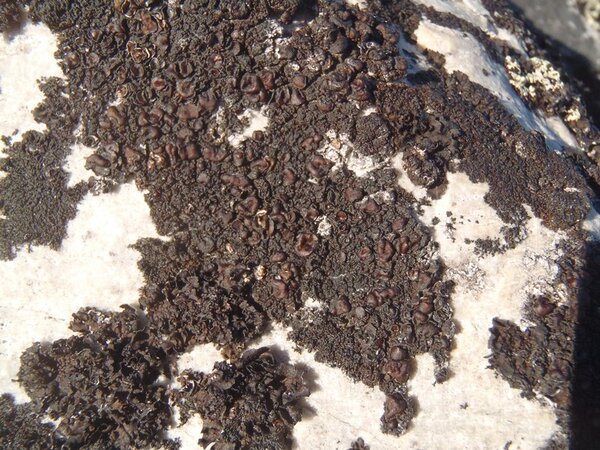
Curtis Randall Björk – CC BY-SA 4.0
Nunavut, Barrenlands tundra, near Hackett River On siliceous rock in tundra 2012-08-01
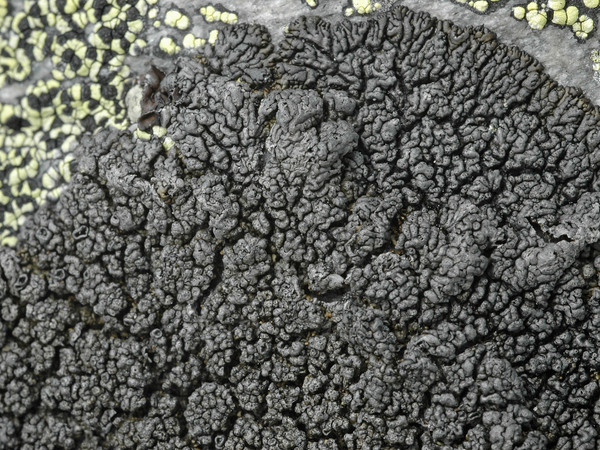
Leif Stridvall
Courtesy: Anita Stridvall -Source: http://www.stridvall.se/lichens/gallery/
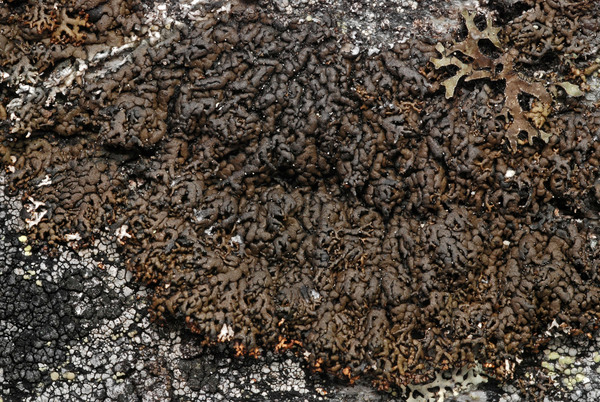
Leif Stridvall
Courtesy: Anita Stridvall -Source: http://www.stridvall.se/lichens/gallery/
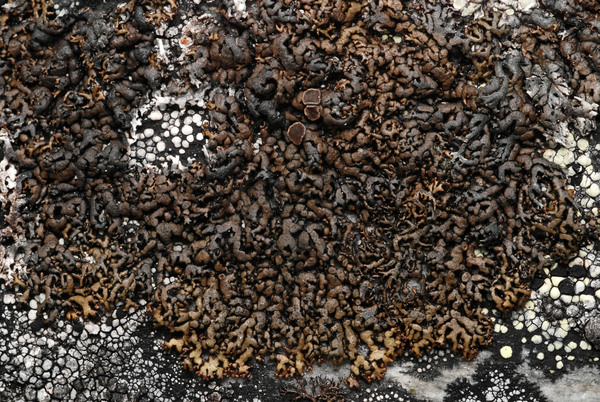
Leif Stridvall
Courtesy: Anita Stridvall -Source: http://www.stridvall.se/lichens/gallery/
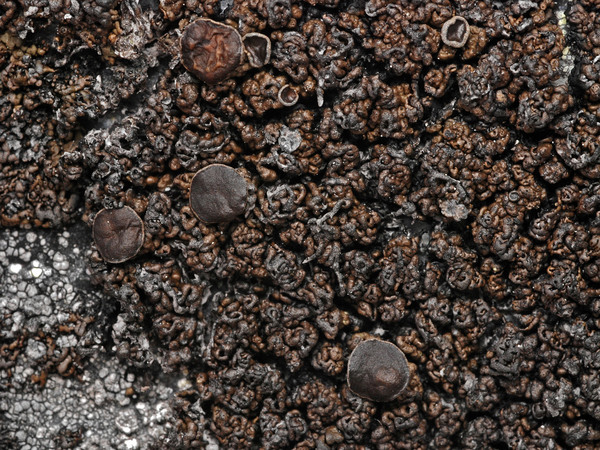
Leif Stridvall
Courtesy: Anita Stridvall -Source: http://www.stridvall.se/lichens/gallery/
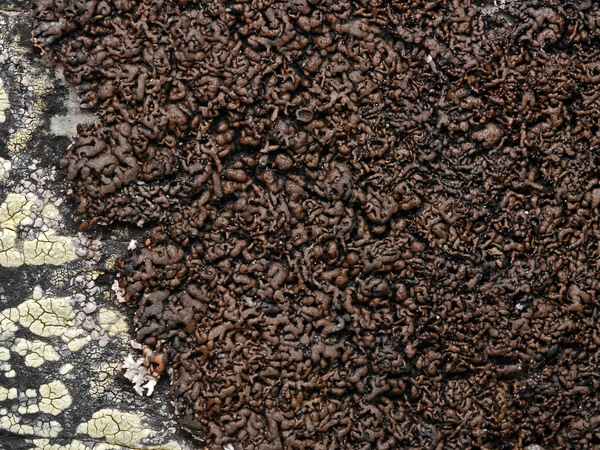
Leif Stridvall
Courtesy: Anita Stridvall -Source: http://www.stridvall.se/lichens/gallery/
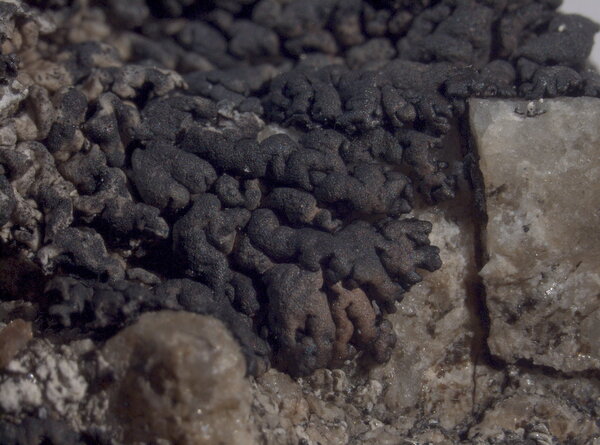
Pier Luigi Nimis - CC BY-SA 4.0
TSB 41411
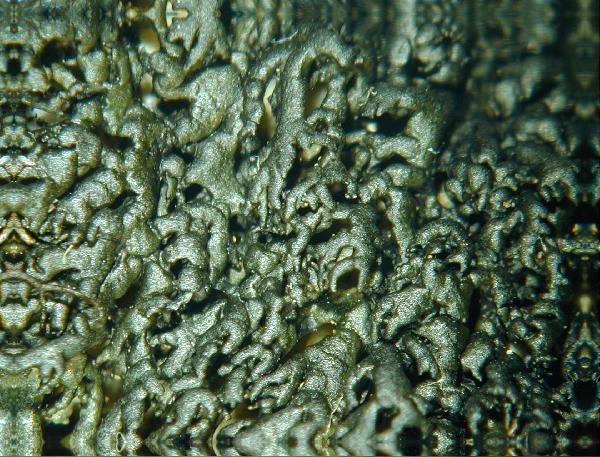
Wolfgang von Brackel - CC BY 4.0
Greenland, Tugtutoq, ., .
Growth form: Foliose, broad lobed
Substrata: rocks
Photobiont: green algae other than Trentepohlia
Reproductive strategy: mainly sexual
Commonnes-rarity: (info)
Alpine belt: very rare
Subalpine belt: extremely rare
Montane belt: absent
Dry submediterranean belt: absent
Humid submediterranean belt: absent
Padanian area: absent
pH of the substrata:
| 1 | 2 | 3 | 4 | 5 |
Solar irradiation:
| 1 | 2 | 3 | 4 | 5 |
Aridity:
| 1 | 2 | 3 | 4 | 5 |
Eutrophication:
| 1 | 2 | 3 | 4 | 5 |
Poleotolerance:
| 0 | 1 | 2 | 3 |
Altitudinal distribution:
| 1 | 2 | 3 | 4 | 5 | 6 |
Rarity
absent
extremely rare
very rare
rare
rather rare
rather common
common
very common
extremely common
Loading data...
Occurrence data
Predictive map
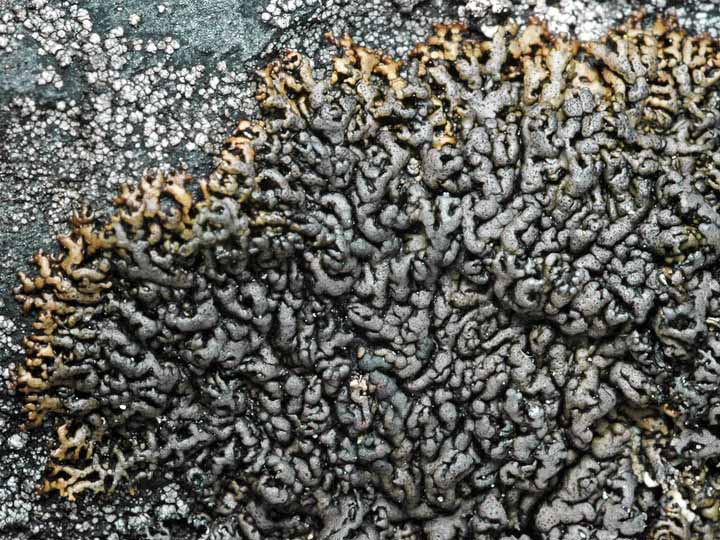
Leif Stridvall Courtesy: Anita Stridvall -Source: http://www.stridvall.se/lichens/gallery/
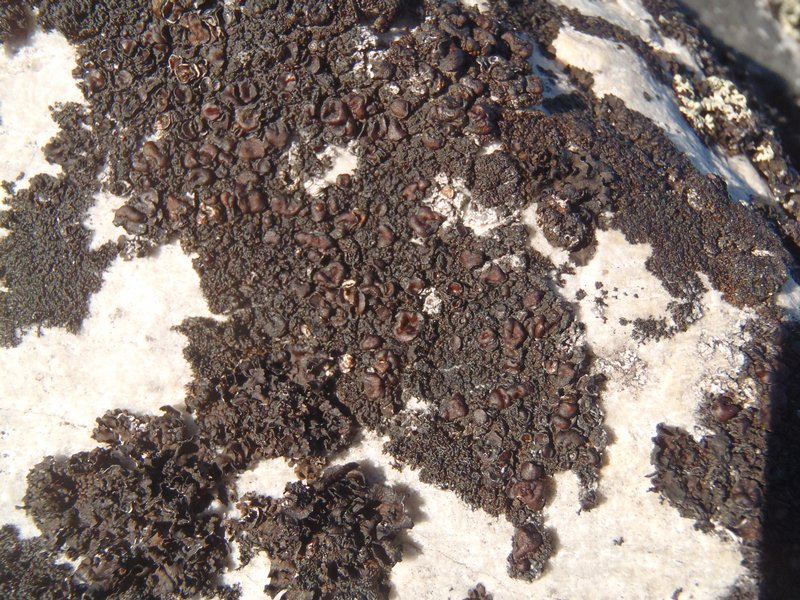
Curtis Randall Björk – CC BY-SA 4.0
Nunavut, Barrenlands tundra, near Hackett River On siliceous rock in tundra 2012-08-01
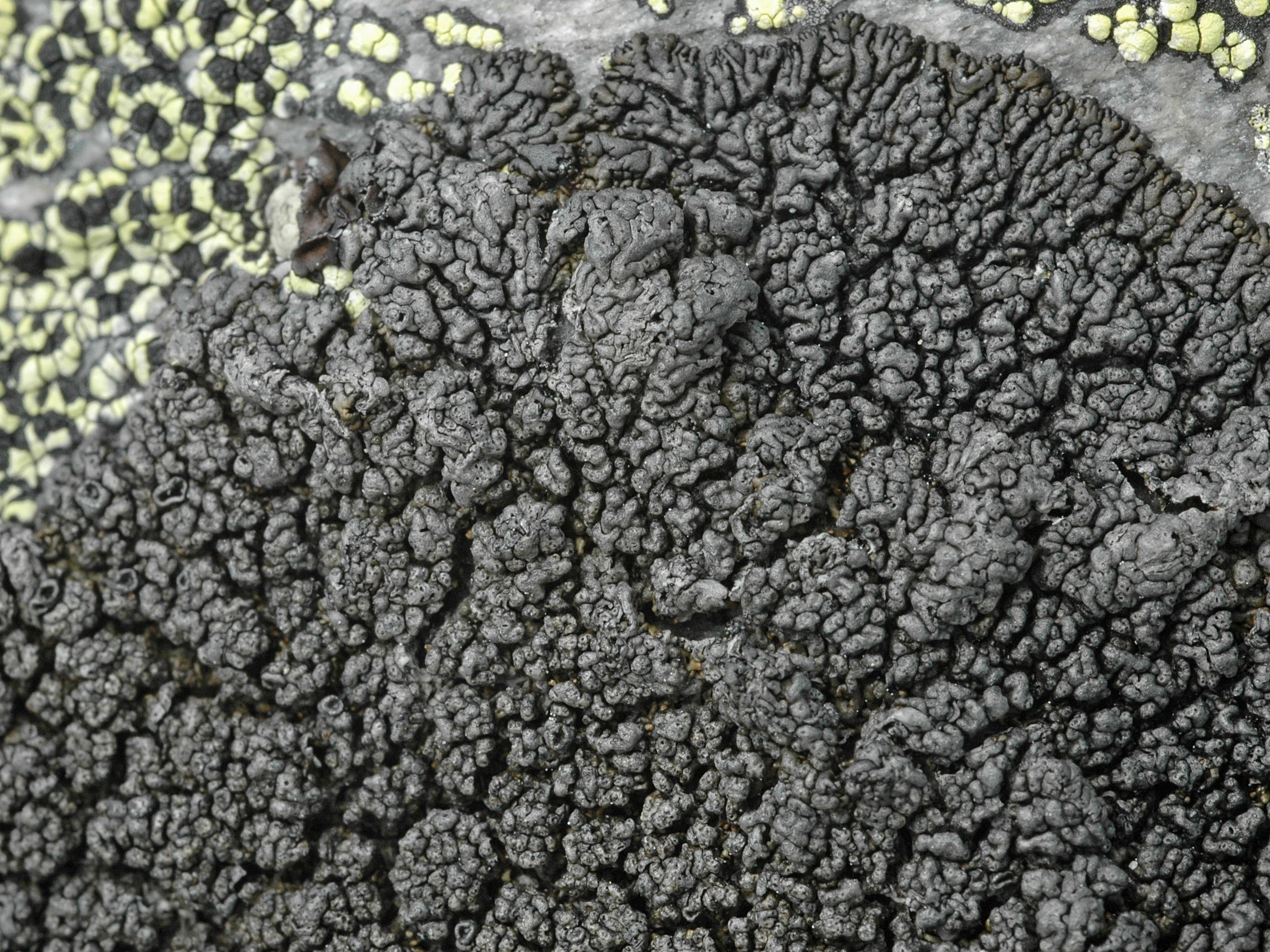
Leif Stridvall
Courtesy: Anita Stridvall -Source: http://www.stridvall.se/lichens/gallery/
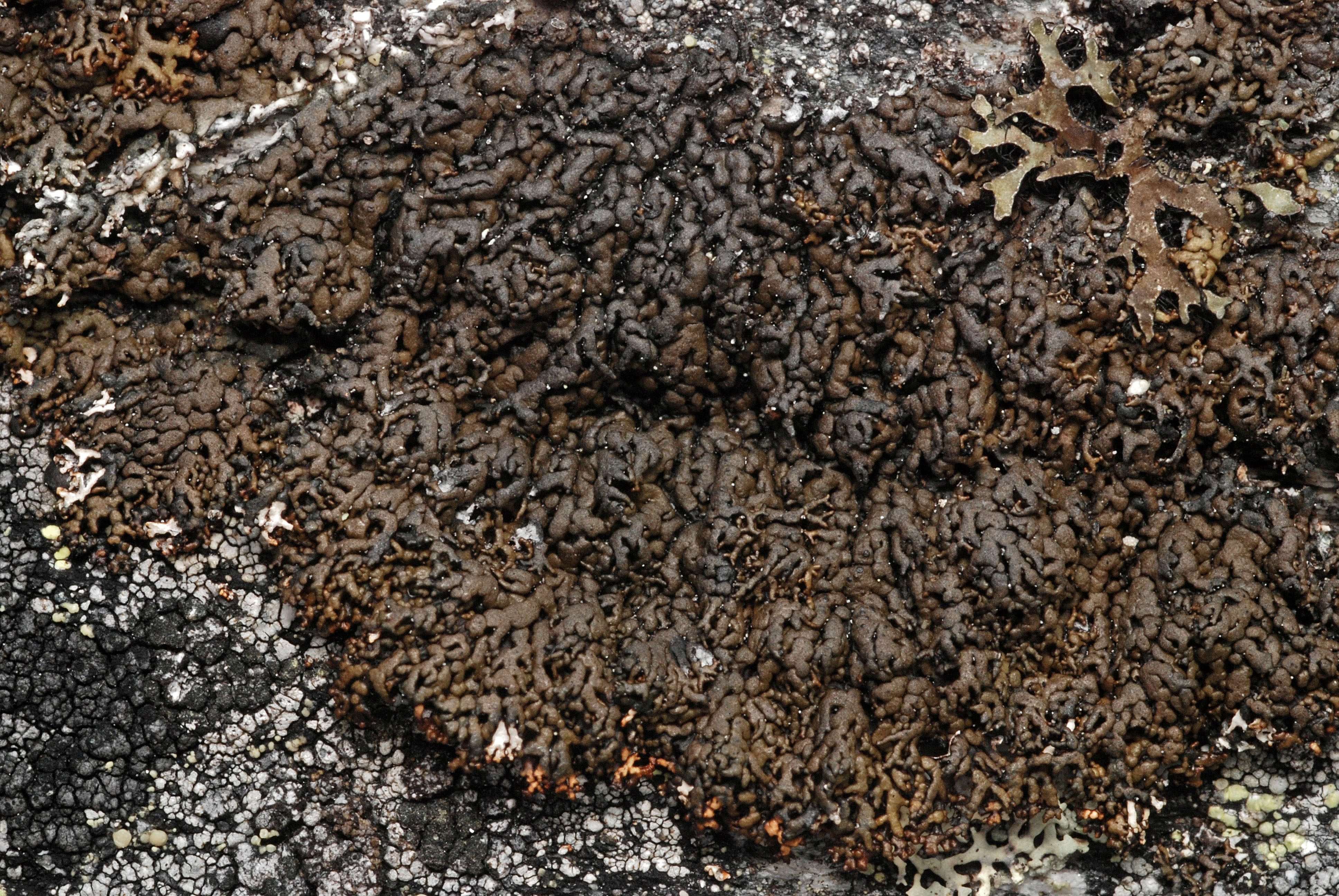
Leif Stridvall
Courtesy: Anita Stridvall -Source: http://www.stridvall.se/lichens/gallery/
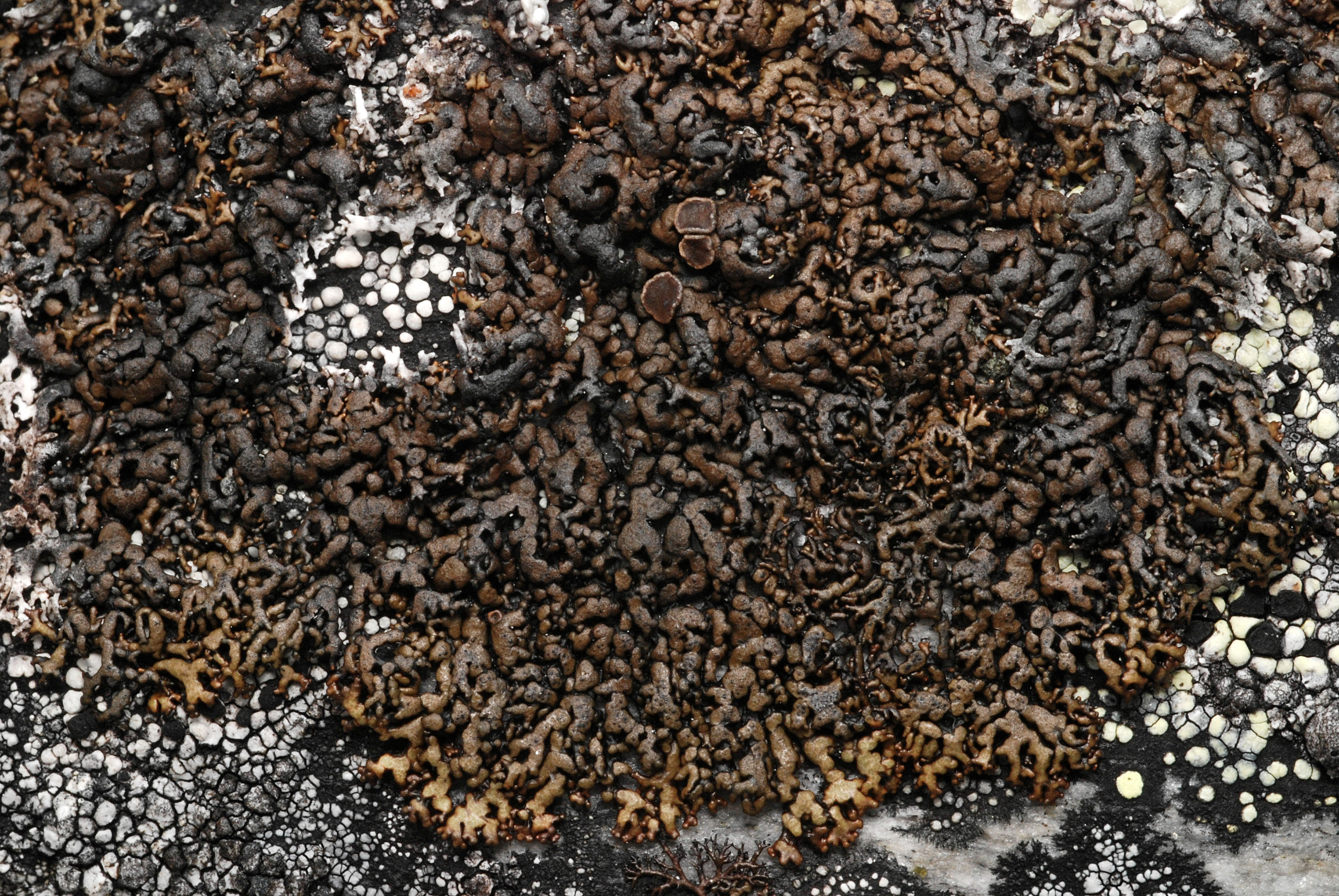
Leif Stridvall
Courtesy: Anita Stridvall -Source: http://www.stridvall.se/lichens/gallery/
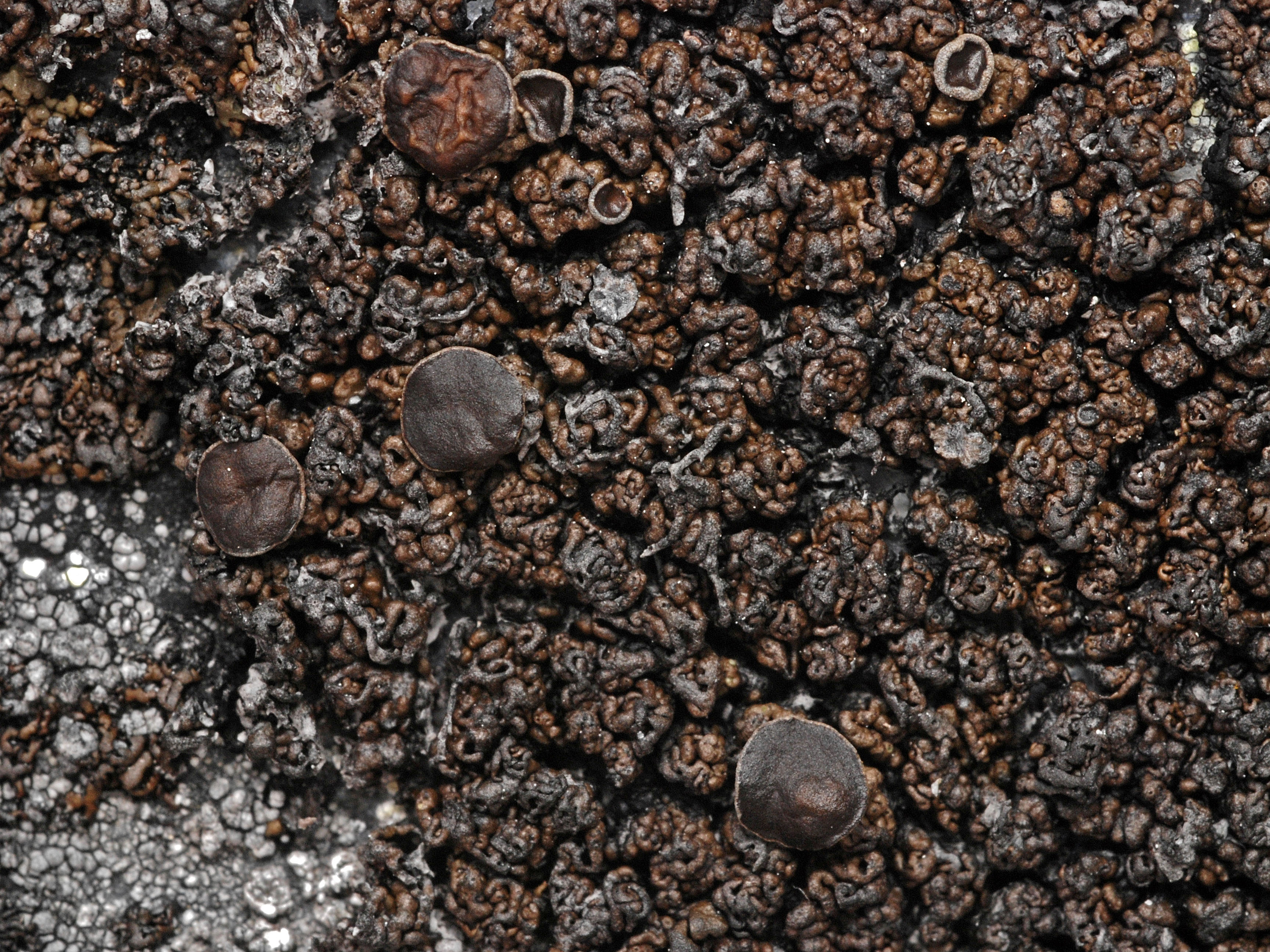
Leif Stridvall
Courtesy: Anita Stridvall -Source: http://www.stridvall.se/lichens/gallery/
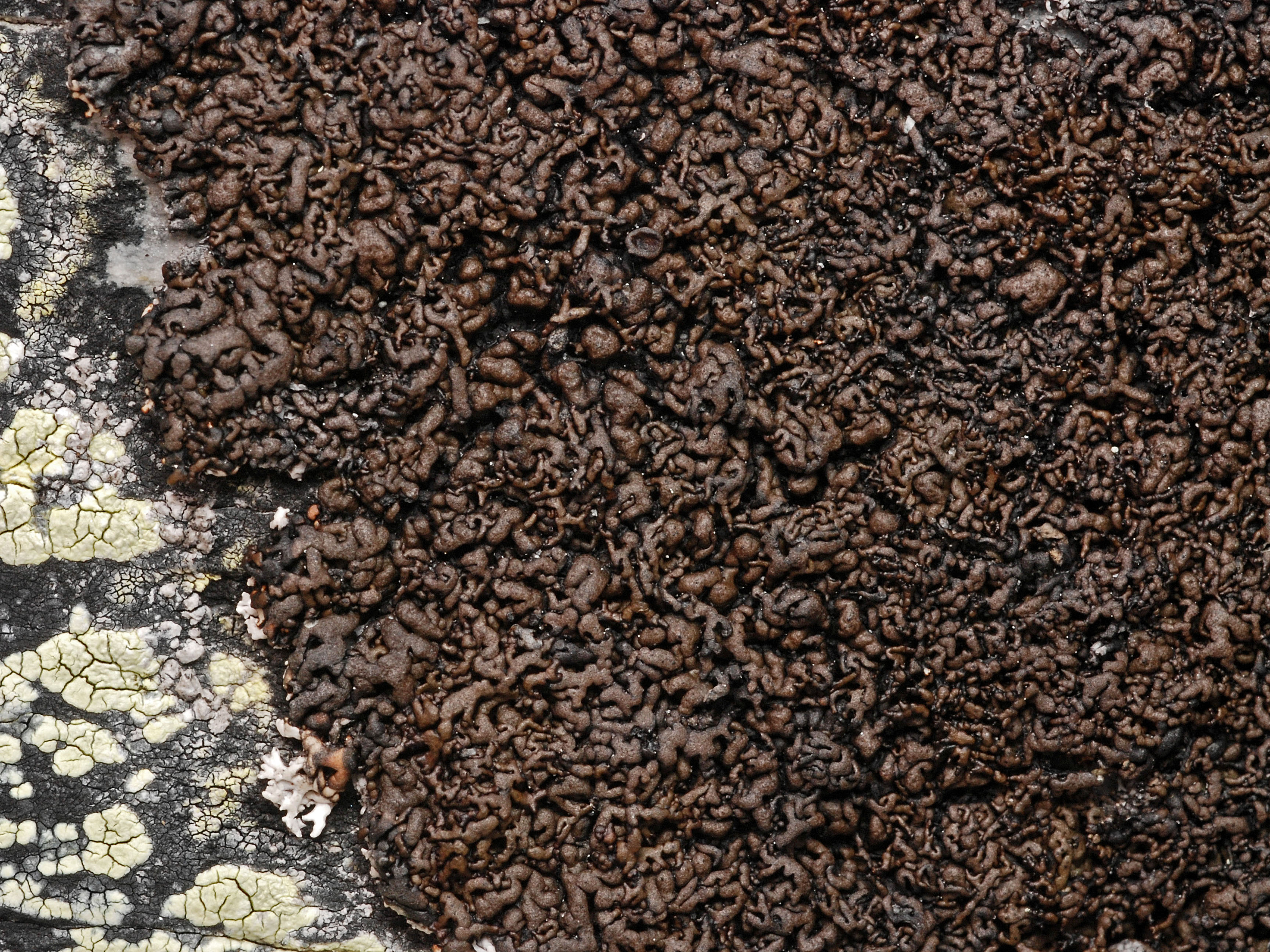
Leif Stridvall
Courtesy: Anita Stridvall -Source: http://www.stridvall.se/lichens/gallery/

Pier Luigi Nimis - CC BY-SA 4.0
TSB 41411