Lepraria caesioalba (B. de Lesd.) J.R. Laundon
Lichenologist, 24: 324, 1992. Basionym: Crocynia caesioalba B. de Lesd. - Bull. Soc. Bot. Fr., 61: 84, 1914.
Synonyms: Lepraria neglecta auct. p.p.; Lepraria zonata Brodo; Leproloma caesioalba (B. de Lesd.) M. Choisy
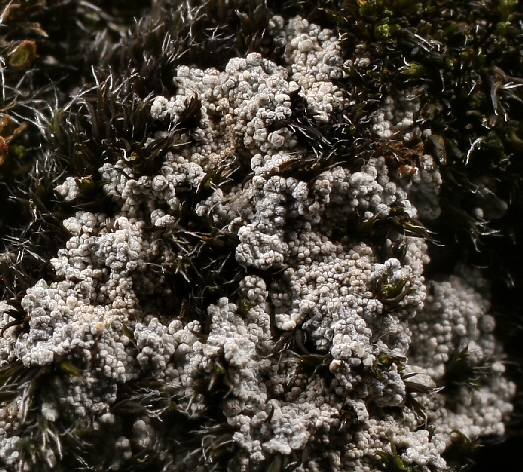
Description: Thallus crustose to subleprose, entirely consisting in a mass of convex granules, whitish to pale grey, often darker in central parts, assuming a zoned appearance, marginally well-delimited, usually without lobes but sometimes indistinctly lobulate, forming up to 3 cm wide rosettes, several thalli often merging to cover larger surfaces. The thallus starts developing as isolated, dispersed granules that form piles, or aggregations (best visible along the margins, where the dispersion of the young granules is most readily observed) which eventually overlap and become confluent, giving the false appearance of a continuous thallus in older areas. Granules up to 50 μm thick, but mostly grouped into larger, 80-200 μm wide aggregates, with a well-developed pseudocortex, the surface appearing compact, rarely with very short projecting hyphae. Medulla poorly developed to absent, greyish white, rarely exposed, the hyphae 1.5-5 μm thick, often covered with colourless, irregular, granular crystals. Photobiont chlorococcoid, the cells spherical, up to 19 μm in diam. Spot tests: K+ yellow, C-, KC- or KC+ pale yellow, P+ yellow to orange-red, UV-. Chemistry: atranorin, angardianic or rangiformic acids or both, with or without fumarprotocetraric, psoromic and stictic acids.
Growth form: Leprose
Photobiont: green algae other than Trentepohlia
Reproductive strategy: mainly asexual, by soredia, or soredia-like structures (e.g. blastidia)
Commonnes-rarity: (info)
Alpine belt: extremely rare
Subalpine belt: very rare
Montane belt: rare
Dry submediterranean belt: very rare
Humid submediterranean belt: very rare
Padanian area: absent
pH of the substrata:
1 2 3 4 5

Solar irradiation:
1 2 3 4 5
Aridity:
1 2 3 4 5
Eutrophication:
1 2 3 4 5
Poleotolerance:
0 1 2 3
Altitudinal distribution:
1 2 3 4 5 6
Rarity
absent
extremely rare
very rare
rare
rather rare
rather common
common
very common
extremely common
Loading data...
Occurrence data
Predictive map
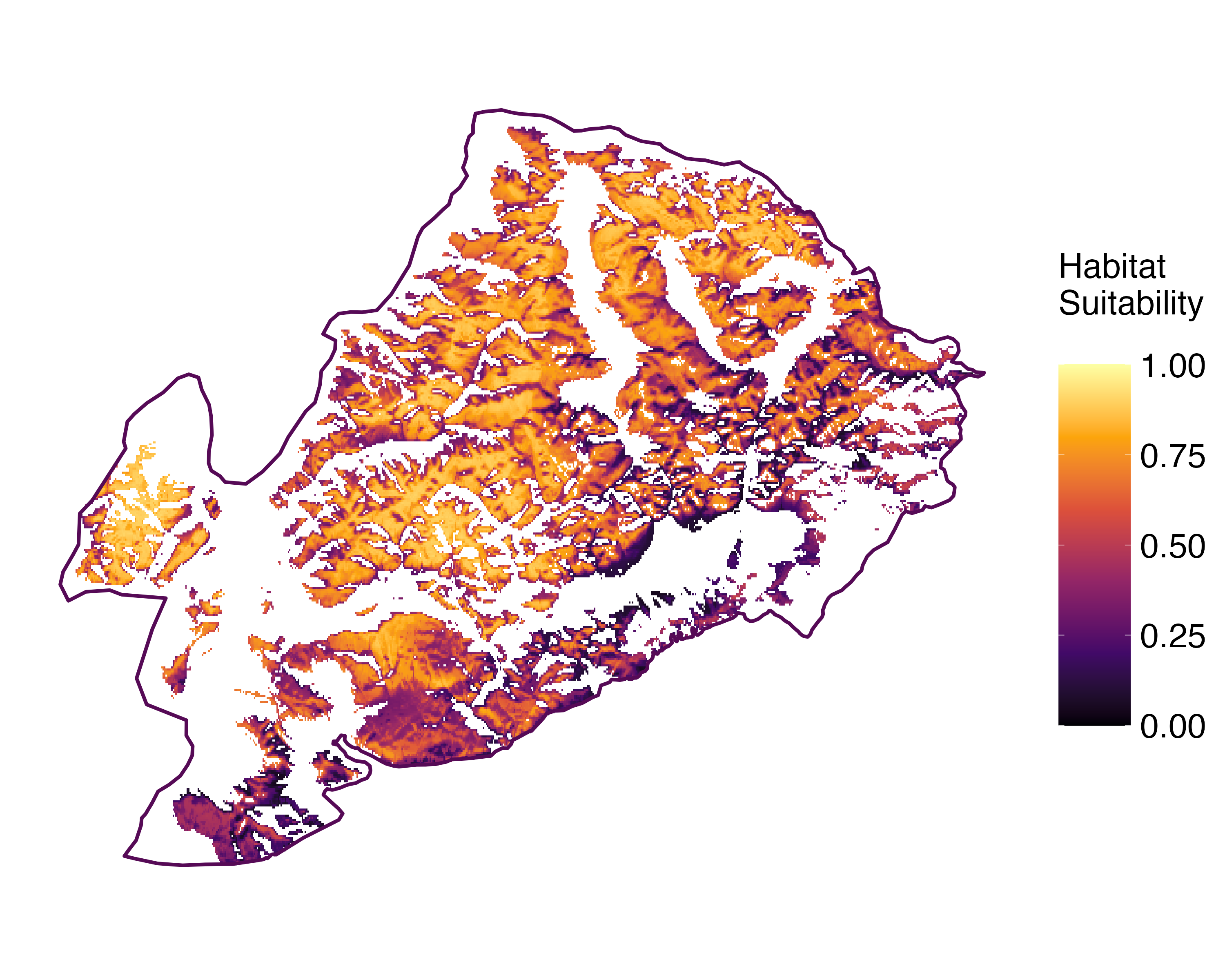 Current prediction (1981-2010)
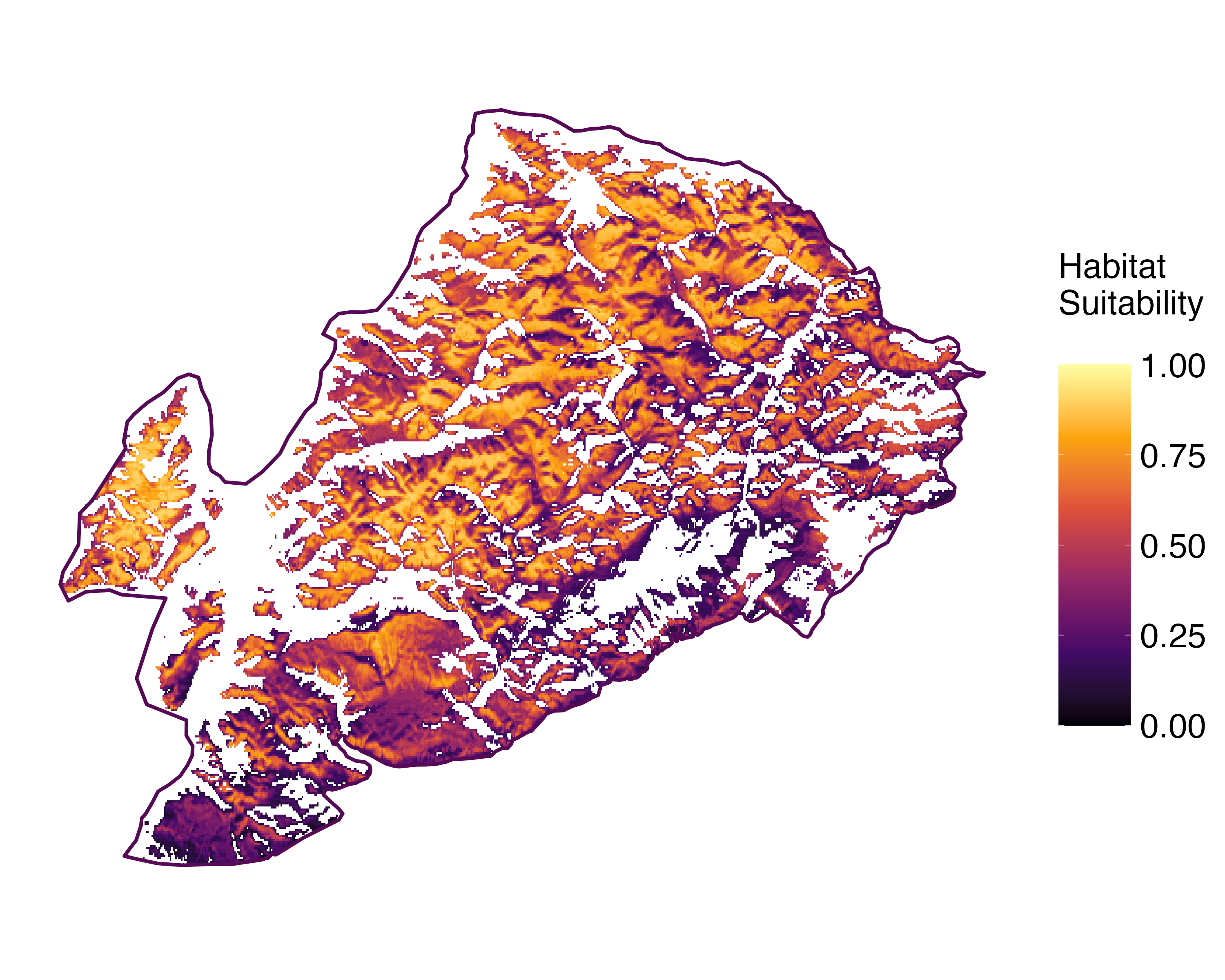 Future prediction (2071-2100) SSP 1-2.6
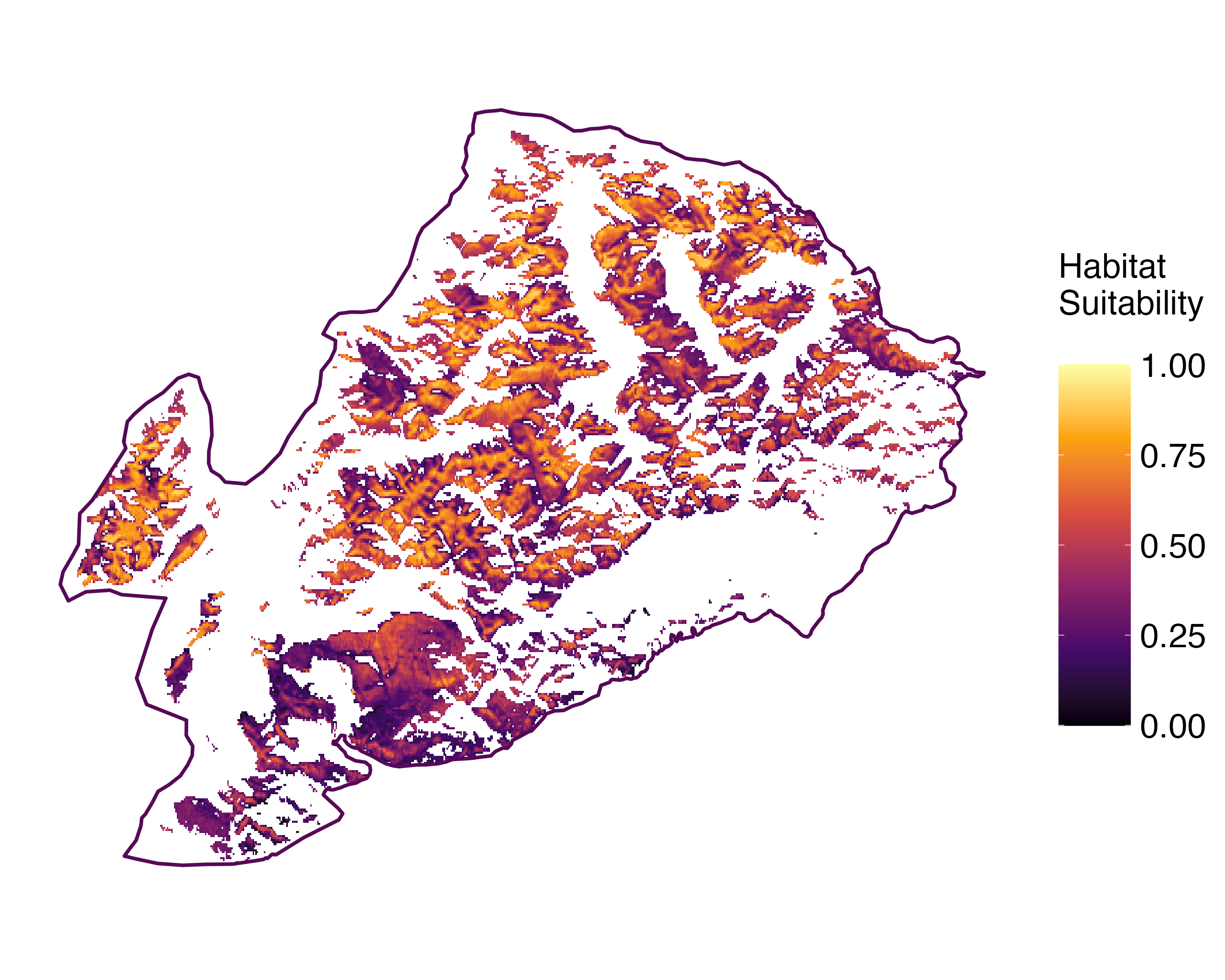 Future prediction (2071-2100) SSP 5-8.5Predictive maps according to Francesconi et al. 2025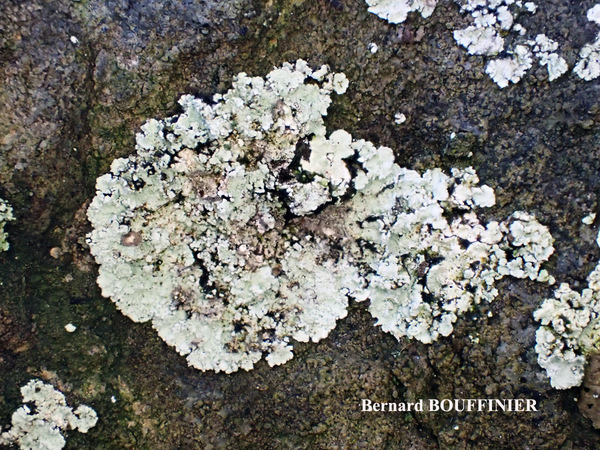
Bernard Bouffinier - Source: http://www.lichensmaritimes.org/index.php?task=fiche&lichen=345&lang=en
France, Landévennec
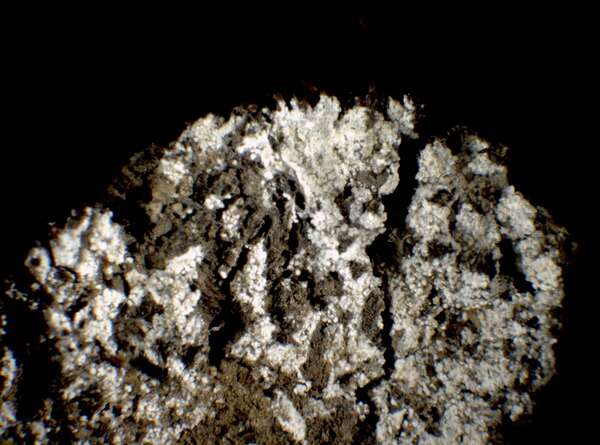
P.L. Nimis; Owner: Department of Life Sciences, University of Trieste
Herbarium: TSB (32750)
2001/12/13
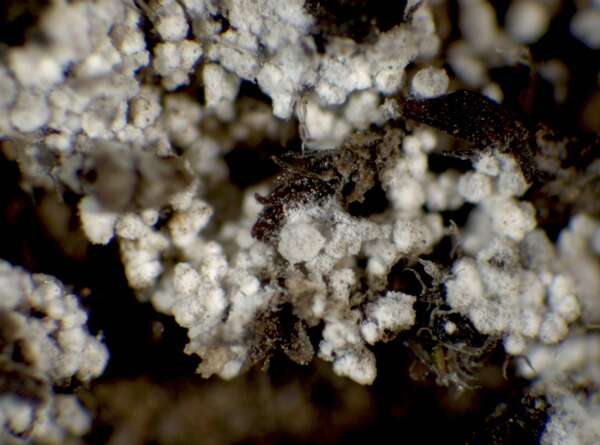
P.L. Nimis; Owner: Department of Life Sciences, University of Trieste
Herbarium: TSB (32750)
2001/12/13
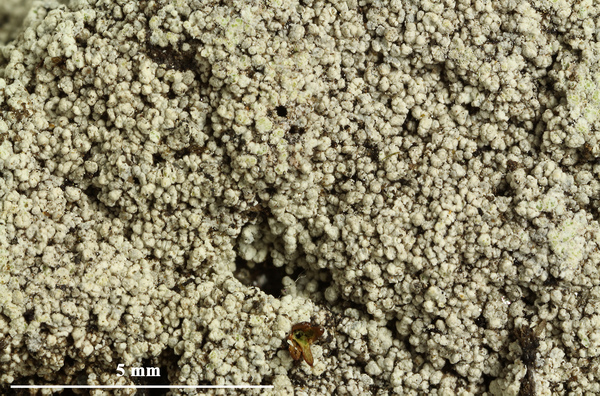
Felix Schumm – CC BY-SA 4.0
[20321], Austria, Salzburg, Eastern Alps, High Tauern, Pinzgau Region (= Zell am See District), Venediger Group, 15.2 km SSE of Oberkrimmel, 1.9 km SE of Innerkeesalm, just belw the alpine cabin „Warnsdorfer Hütte“, 47°05'39'' N, 12°15'03'' E, 2275 m, alpine vegetation, on bryophytes above genissic rocks. Leg. R. Türk (55254), 18.07.2015, det. W. Obermayer, 2017. LICHENOTHECA GRAECENSIS NR. 460.
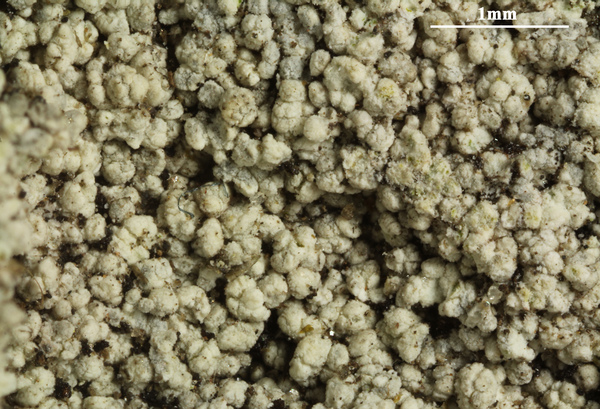
Felix Schumm – CC BY-SA 4.0
[20321], Austria, Salzburg, Eastern Alps, High Tauern, Pinzgau Region (= Zell am See District), Venediger Group, 15.2 km SSE of Oberkrimmel, 1.9 km SE of Innerkeesalm, just belw the alpine cabin „Warnsdorfer Hütte“, 47°05'39'' N, 12°15'03'' E, 2275 m, alpine vegetation, on bryophytes above genissic rocks. Leg. R. Türk (55254), 18.07.2015, det. W. Obermayer, 2017. LICHENOTHECA GRAECENSIS NR. 460.
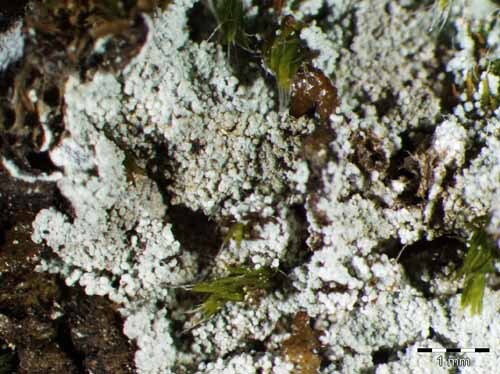
Harrie Sipman – Source http://www.bgbm.fu-berlin.de/sipman/Zschackia/AegeanLichens/CaloplacaAC.htm - As Caloplaca oasis
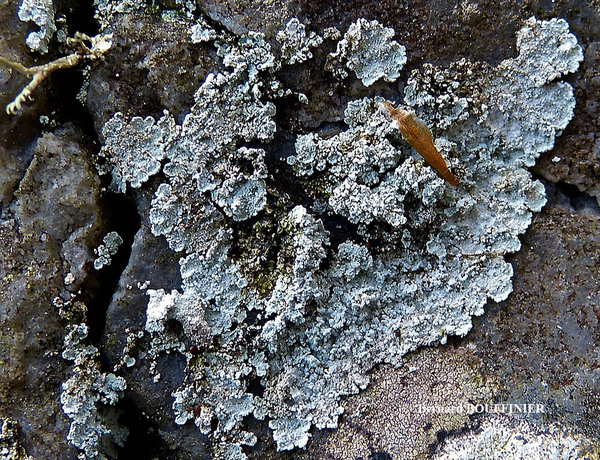
Bernard Bouffinier - Source: http://www.lichensmaritimes.org/index.php?task=fiche&lichen=345&lang=en
France, Morgat
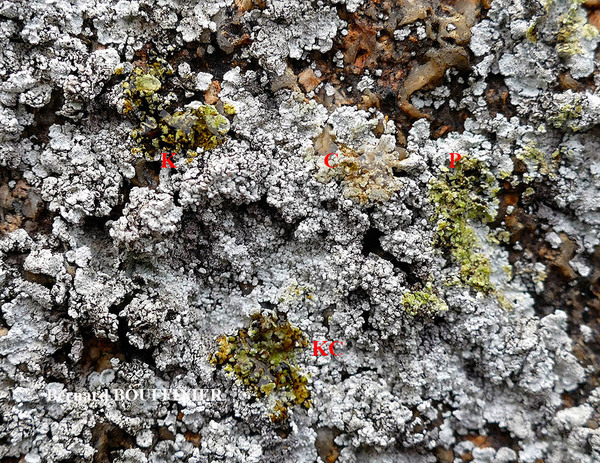
Bernard Bouffinier - Source: http://www.lichensmaritimes.org/index.php?task=fiche&lichen=345&lang=en
France, Pointe du Van
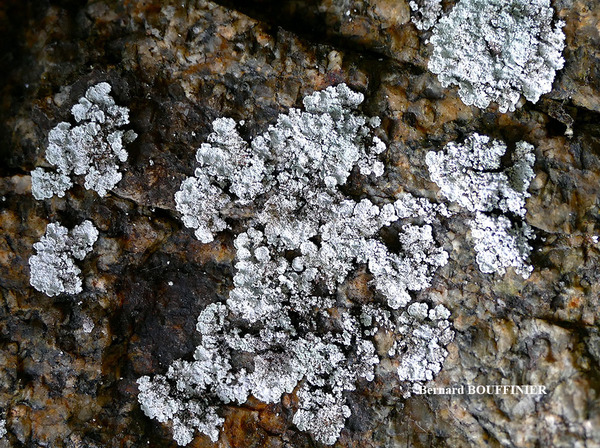
Bernard Bouffinier - Source: http://www.lichensmaritimes.org/index.php?task=fiche&lichen=345&lang=en
France, Pointe du Van
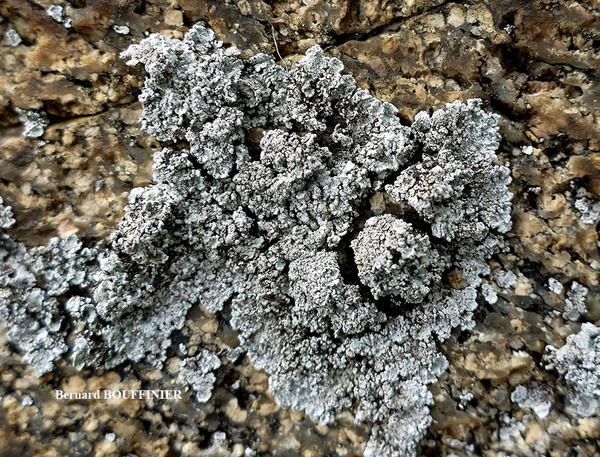
Bernard Bouffinier - Source: http://www.lichensmaritimes.org/index.php?task=fiche&lichen=345&lang=en
France, Pointe du Van
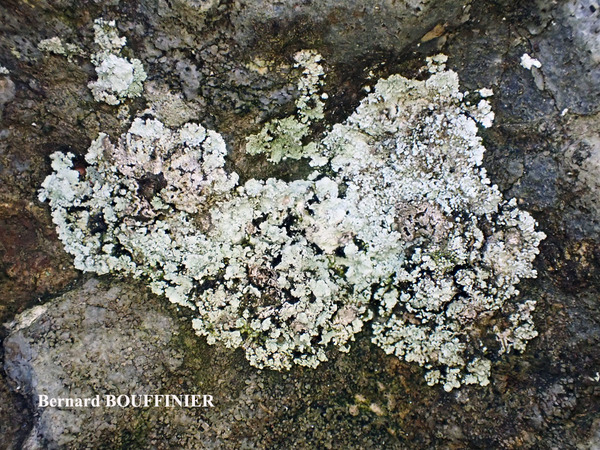
Bernard Bouffinier - Source: http://www.lichensmaritimes.org/index.php?task=fiche&lichen=345&lang=en
France, Landévennec
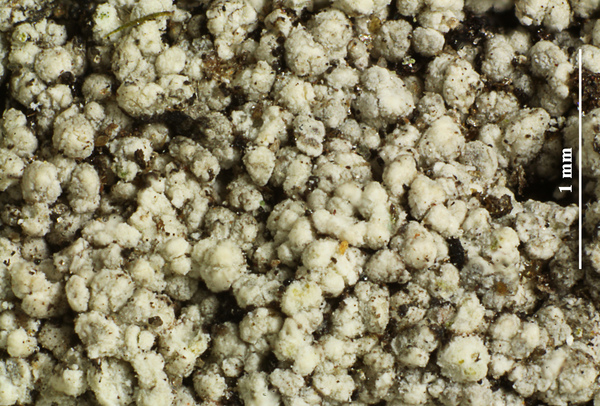
Felix Schumm – CC BY-SA 4.0
[20321], Austria, Salzburg, Eastern Alps, High Tauern, Pinzgau Region (= Zell am See District), Venediger Group, 15.2 km SSE of Oberkrimmel, 1.9 km SE of Innerkeesalm, just belw the alpine cabin „Warnsdorfer Hütte“, 47°05'39'' N, 12°15'03'' E, 2275 m, alpine vegetation, on bryophytes above genissic rocks. Leg. R. Türk (55254), 18.07.2015, det. W. Obermayer, 2017. LICHENOTHECA GRAECENSIS NR. 460.
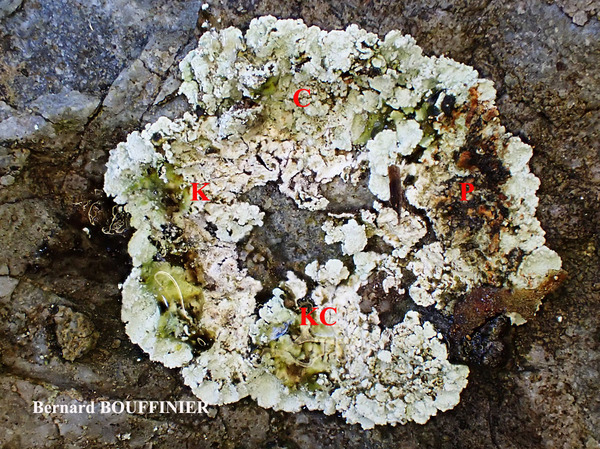
Bernard Bouffinier - Source: http://www.lichensmaritimes.org/index.php?task=fiche&lichen=345&lang=en
France, Landévennec
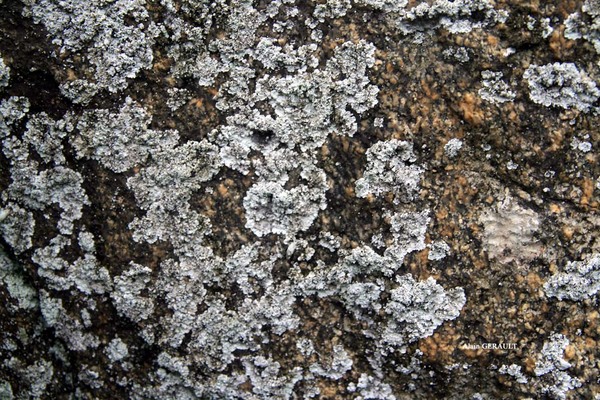
Alain Gerault - Source: http://www.lichensmaritimes.org/index.php?task=fiche&lichen=345&lang=en
France, Pointe du Van
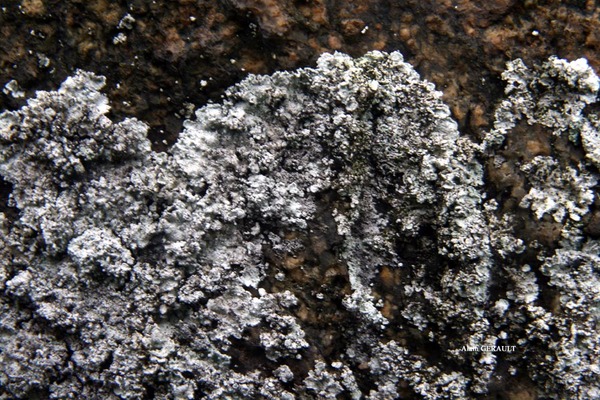
Alain Gerault - Source: http://www.lichensmaritimes.org/index.php?task=fiche&lichen=345&lang=en
France, Pointe du Van
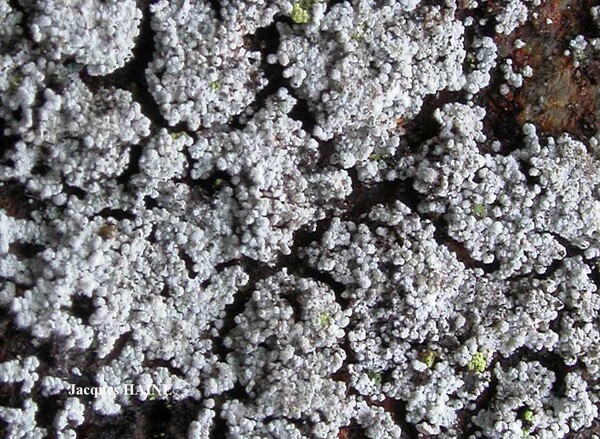
Jacques Haine - Source: http://www.lichensmaritimes.org/index.php?task=fiche&lichen=345&lang=en
France, Ardennes
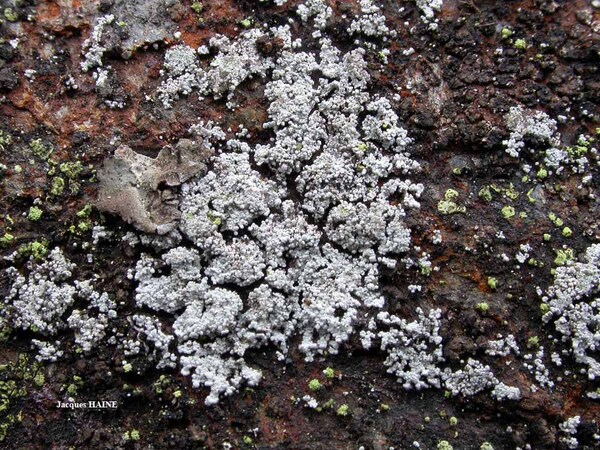
Jacques Haine - Source: http://www.lichensmaritimes.org/index.php?task=fiche&lichen=345&lang=en
France, Ardennes
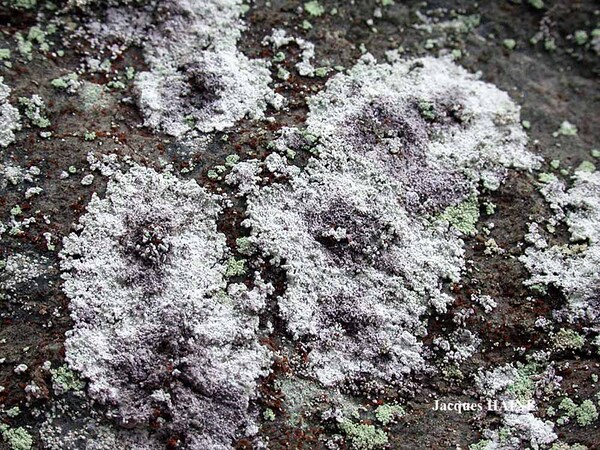
Jacques Haine - Source: http://www.lichensmaritimes.org/index.php?task=fiche&lichen=345&lang=en
France, Ardennes
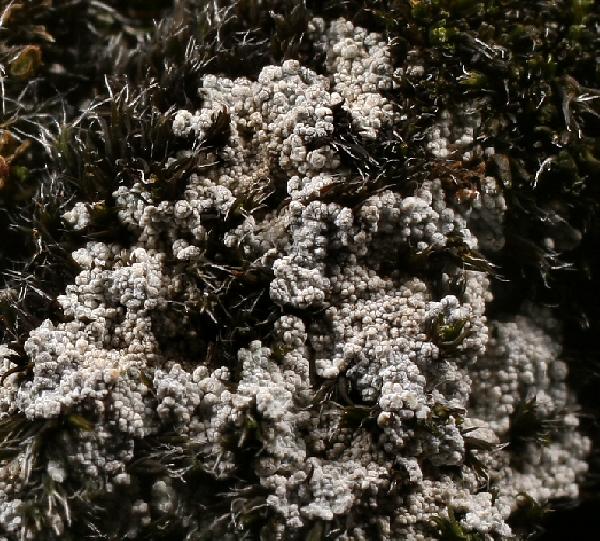
Ulrich Kirschbaum CC BY-SA 4.0 - Source: https://www.thm.de/lse/ulrich-kirschbaum/flechtenbilder
Central Europe; Germany: North Rhine Westphalia.
Growth form: Leprose
Photobiont: green algae other than Trentepohlia
Reproductive strategy: mainly asexual, by soredia, or soredia-like structures (e.g. blastidia)
Commonnes-rarity: (info)
Alpine belt: extremely rare
Subalpine belt: very rare
Montane belt: rare
Dry submediterranean belt: very rare
Humid submediterranean belt: very rare
Padanian area: absent
pH of the substrata:
| 1 | 2 | 3 | 4 | 5 |
Solar irradiation:
| 1 | 2 | 3 | 4 | 5 |
Aridity:
| 1 | 2 | 3 | 4 | 5 |
Eutrophication:
| 1 | 2 | 3 | 4 | 5 |
Poleotolerance:
| 0 | 1 | 2 | 3 |
Altitudinal distribution:
| 1 | 2 | 3 | 4 | 5 | 6 |
Rarity
absent
extremely rare
very rare
rare
rather rare
rather common
common
very common
extremely common
Loading data...
Occurrence data
Predictive map
Current prediction (1981-2010)Future prediction (2071-2100) SSP 1-2.6Future prediction (2071-2100) SSP 5-8.5Predictive maps according to Francesconi et al. 2025
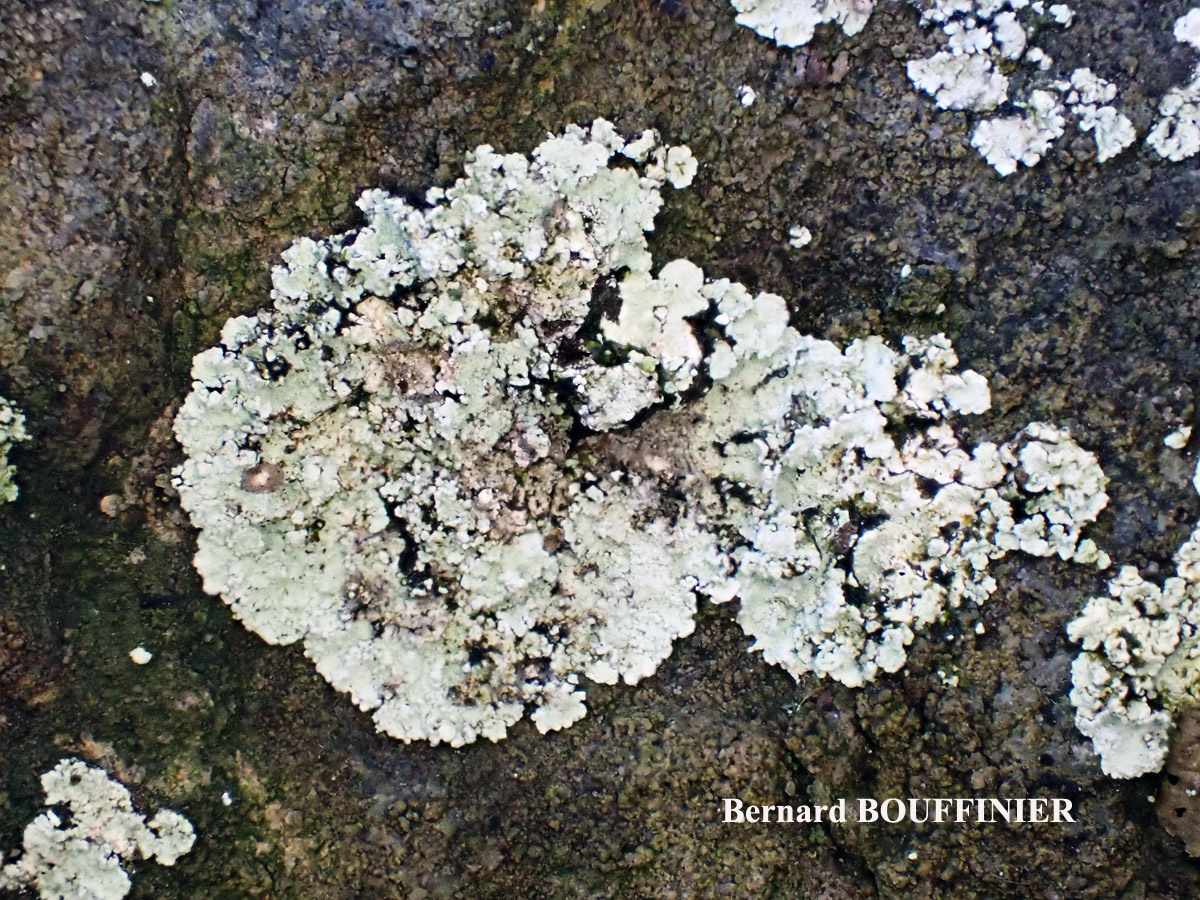
Bernard Bouffinier - Source: http://www.lichensmaritimes.org/index.php?task=fiche&lichen=345&lang=en
France, Landévennec
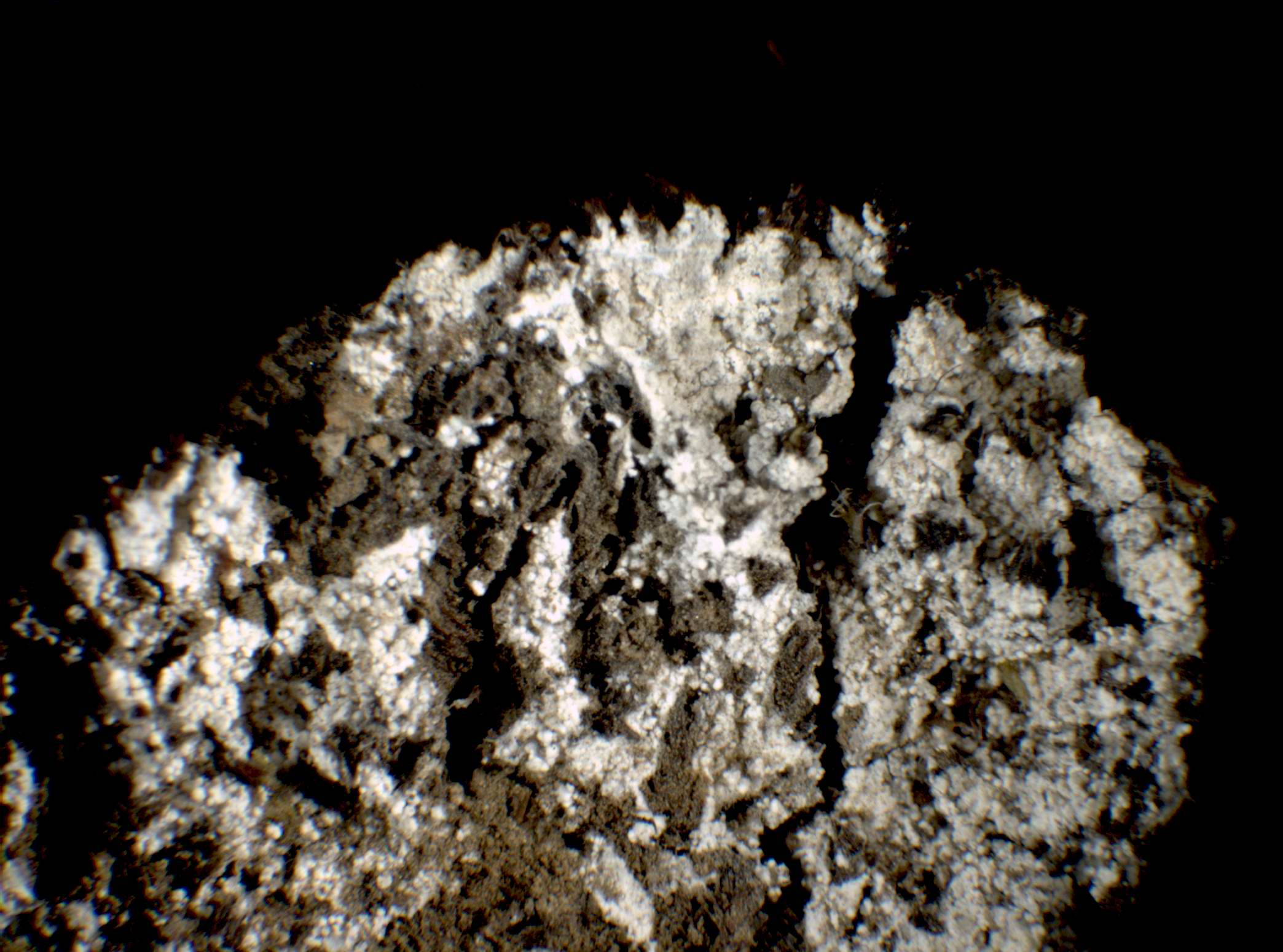
P.L. Nimis; Owner: Department of Life Sciences, University of Trieste
Herbarium: TSB (32750)
2001/12/13
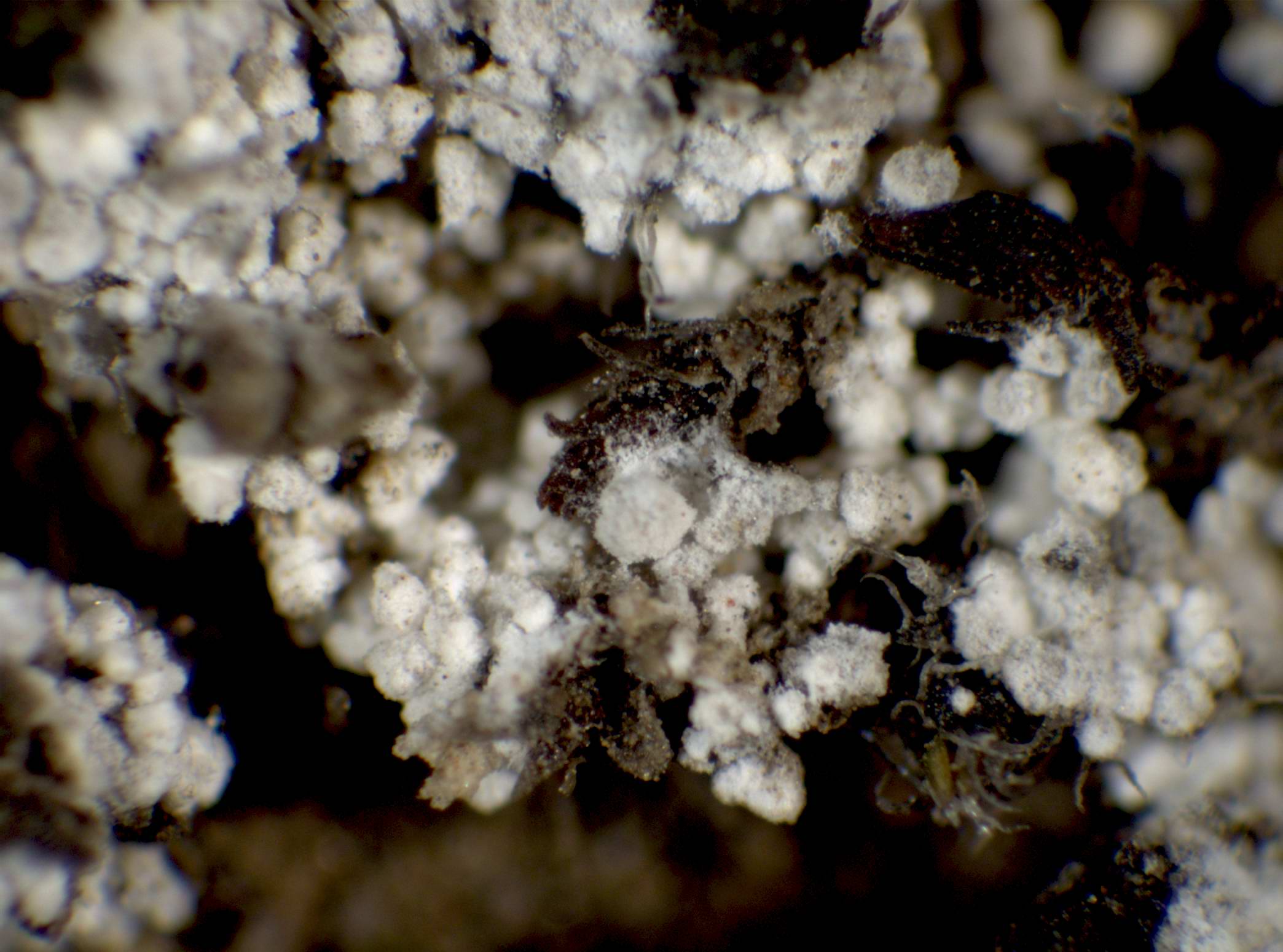
P.L. Nimis; Owner: Department of Life Sciences, University of Trieste
Herbarium: TSB (32750)
2001/12/13
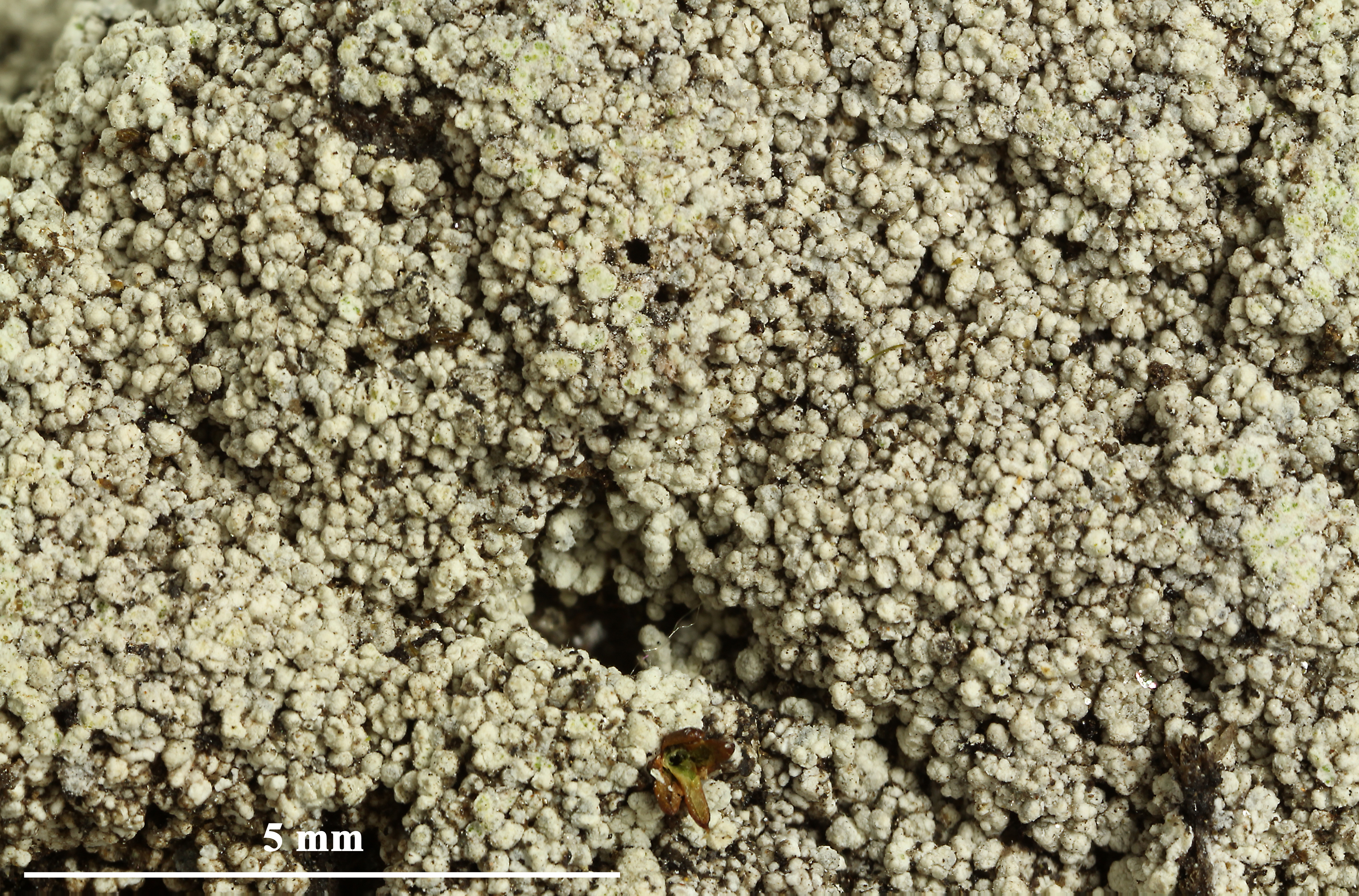
Felix Schumm – CC BY-SA 4.0
[20321], Austria, Salzburg, Eastern Alps, High Tauern, Pinzgau Region (= Zell am See District), Venediger Group, 15.2 km SSE of Oberkrimmel, 1.9 km SE of Innerkeesalm, just belw the alpine cabin „Warnsdorfer Hütte“, 47°05'39'' N, 12°15'03'' E, 2275 m, alpine vegetation, on bryophytes above genissic rocks. Leg. R. Türk (55254), 18.07.2015, det. W. Obermayer, 2017. LICHENOTHECA GRAECENSIS NR. 460.
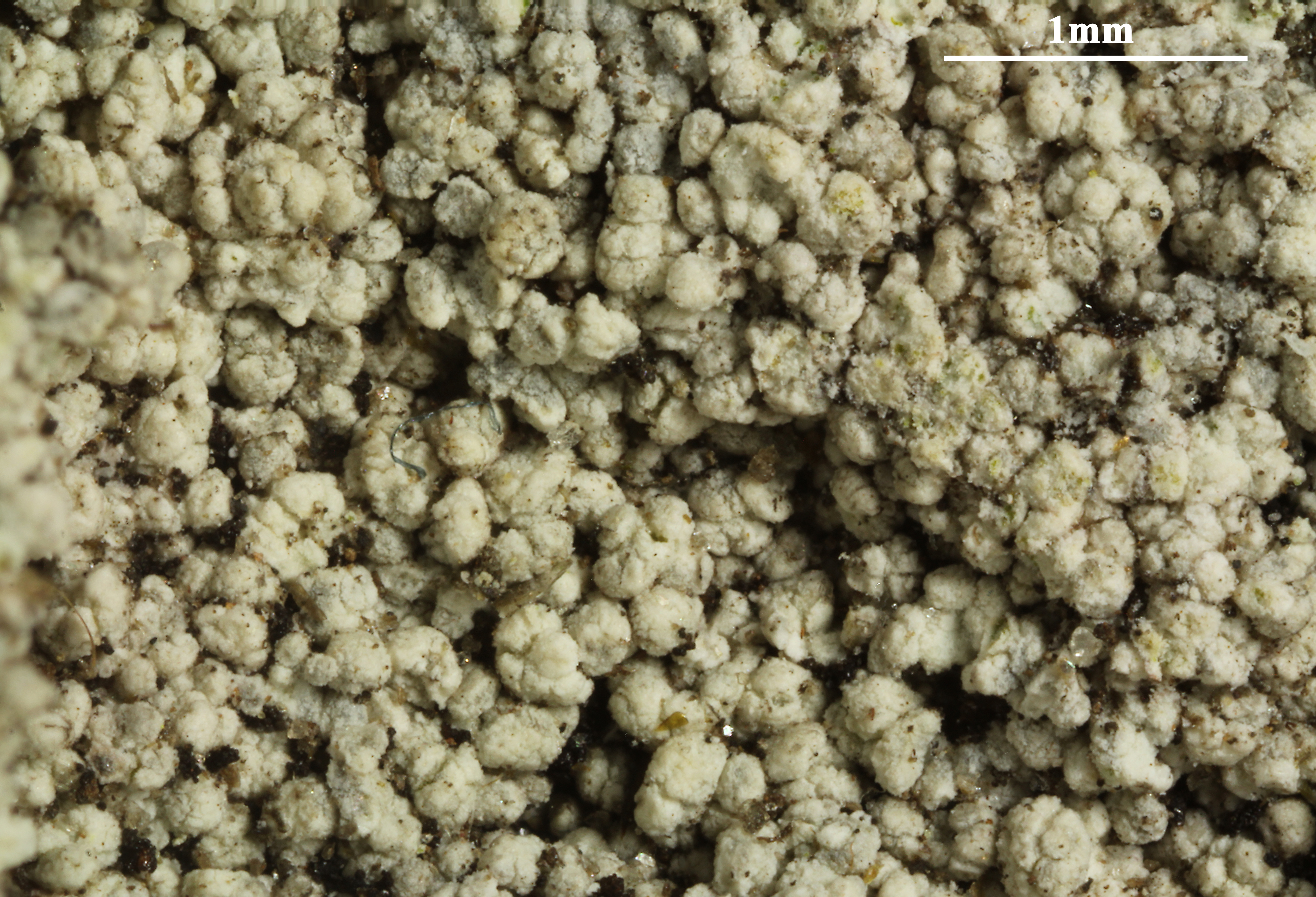
Felix Schumm – CC BY-SA 4.0
[20321], Austria, Salzburg, Eastern Alps, High Tauern, Pinzgau Region (= Zell am See District), Venediger Group, 15.2 km SSE of Oberkrimmel, 1.9 km SE of Innerkeesalm, just belw the alpine cabin „Warnsdorfer Hütte“, 47°05'39'' N, 12°15'03'' E, 2275 m, alpine vegetation, on bryophytes above genissic rocks. Leg. R. Türk (55254), 18.07.2015, det. W. Obermayer, 2017. LICHENOTHECA GRAECENSIS NR. 460.
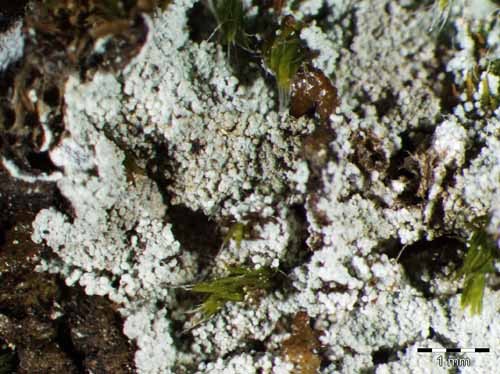
Harrie Sipman – Source http://www.bgbm.fu-berlin.de/sipman/Zschackia/AegeanLichens/CaloplacaAC.htm - As Caloplaca oasis
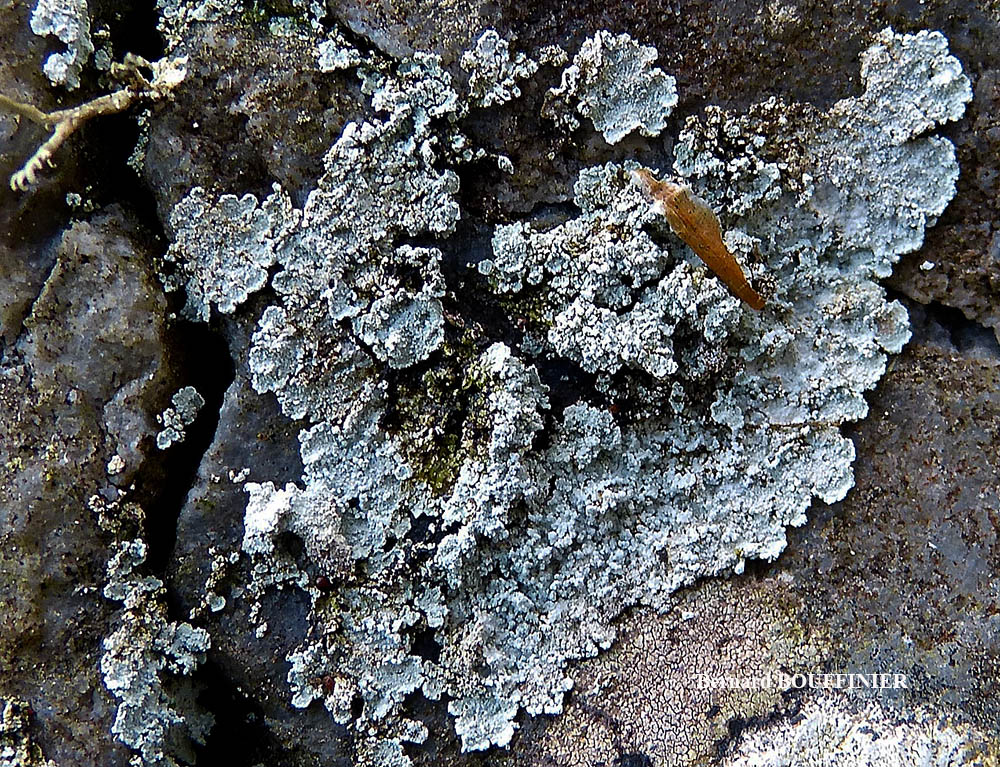
Bernard Bouffinier - Source: http://www.lichensmaritimes.org/index.php?task=fiche&lichen=345&lang=en
France, Morgat
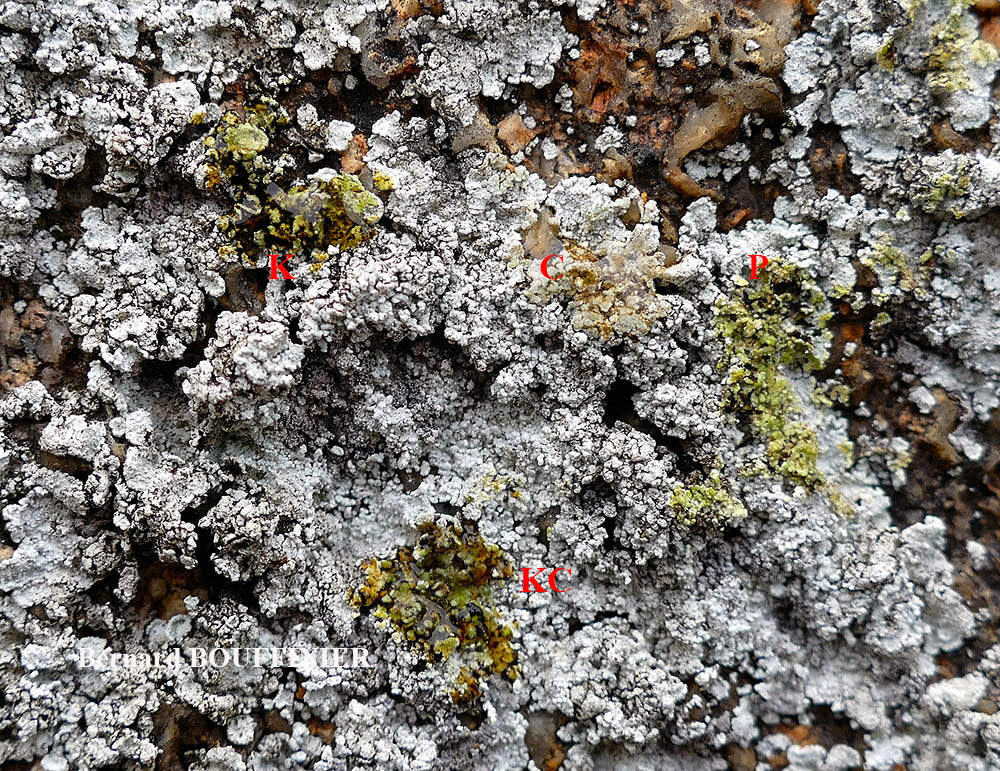
Bernard Bouffinier - Source: http://www.lichensmaritimes.org/index.php?task=fiche&lichen=345&lang=en
France, Pointe du Van
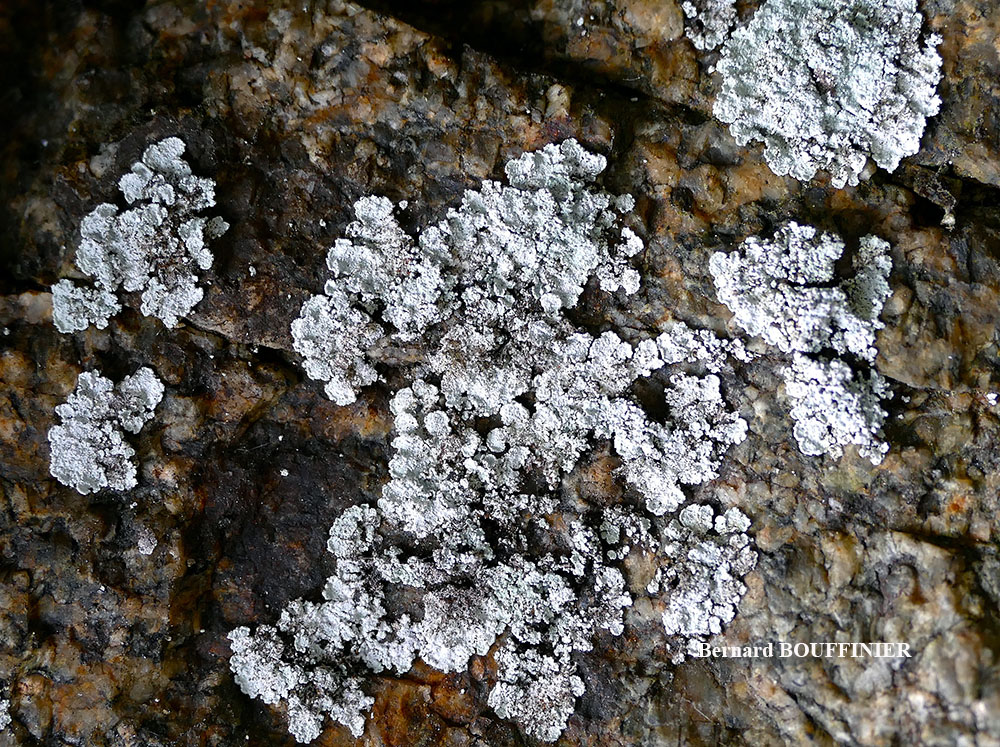
Bernard Bouffinier - Source: http://www.lichensmaritimes.org/index.php?task=fiche&lichen=345&lang=en
France, Pointe du Van
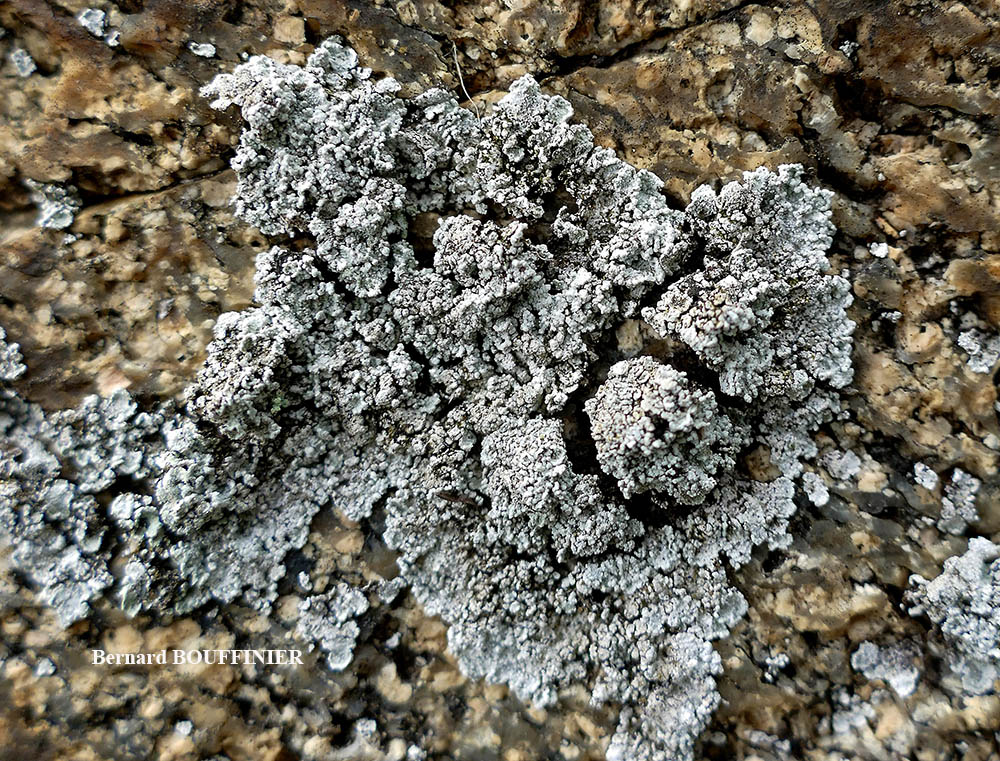
Bernard Bouffinier - Source: http://www.lichensmaritimes.org/index.php?task=fiche&lichen=345&lang=en
France, Pointe du Van
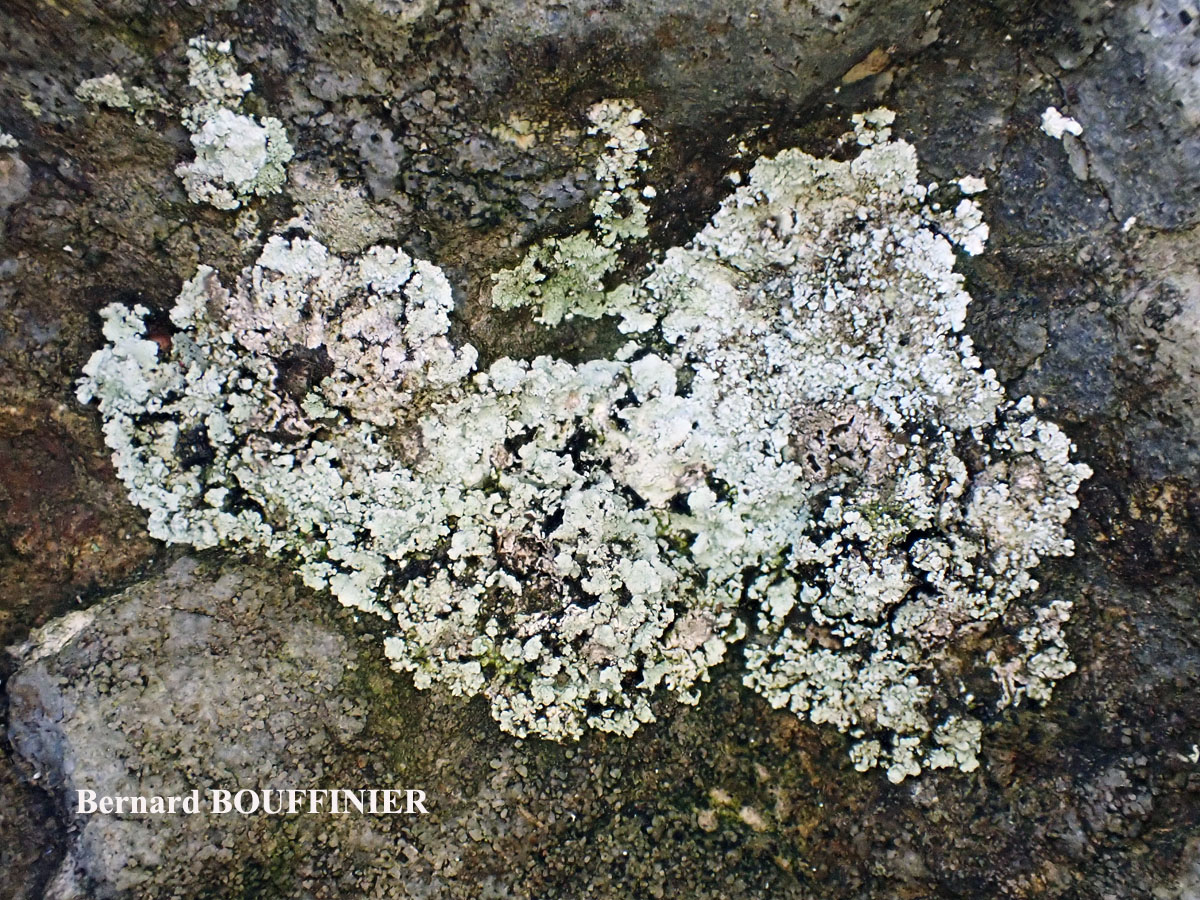
Bernard Bouffinier - Source: http://www.lichensmaritimes.org/index.php?task=fiche&lichen=345&lang=en
France, Landévennec
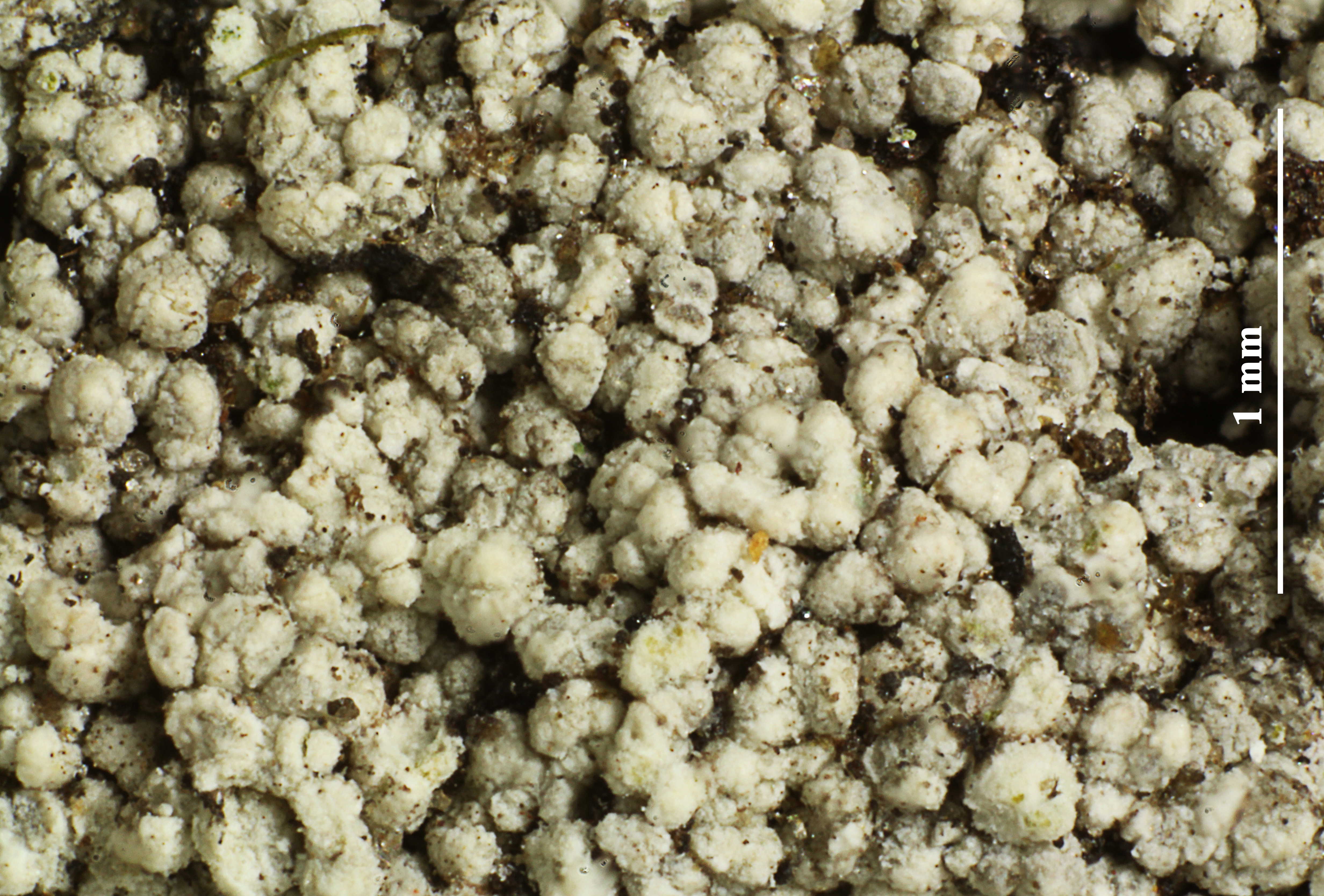
Felix Schumm – CC BY-SA 4.0
[20321], Austria, Salzburg, Eastern Alps, High Tauern, Pinzgau Region (= Zell am See District), Venediger Group, 15.2 km SSE of Oberkrimmel, 1.9 km SE of Innerkeesalm, just belw the alpine cabin „Warnsdorfer Hütte“, 47°05'39'' N, 12°15'03'' E, 2275 m, alpine vegetation, on bryophytes above genissic rocks. Leg. R. Türk (55254), 18.07.2015, det. W. Obermayer, 2017. LICHENOTHECA GRAECENSIS NR. 460.
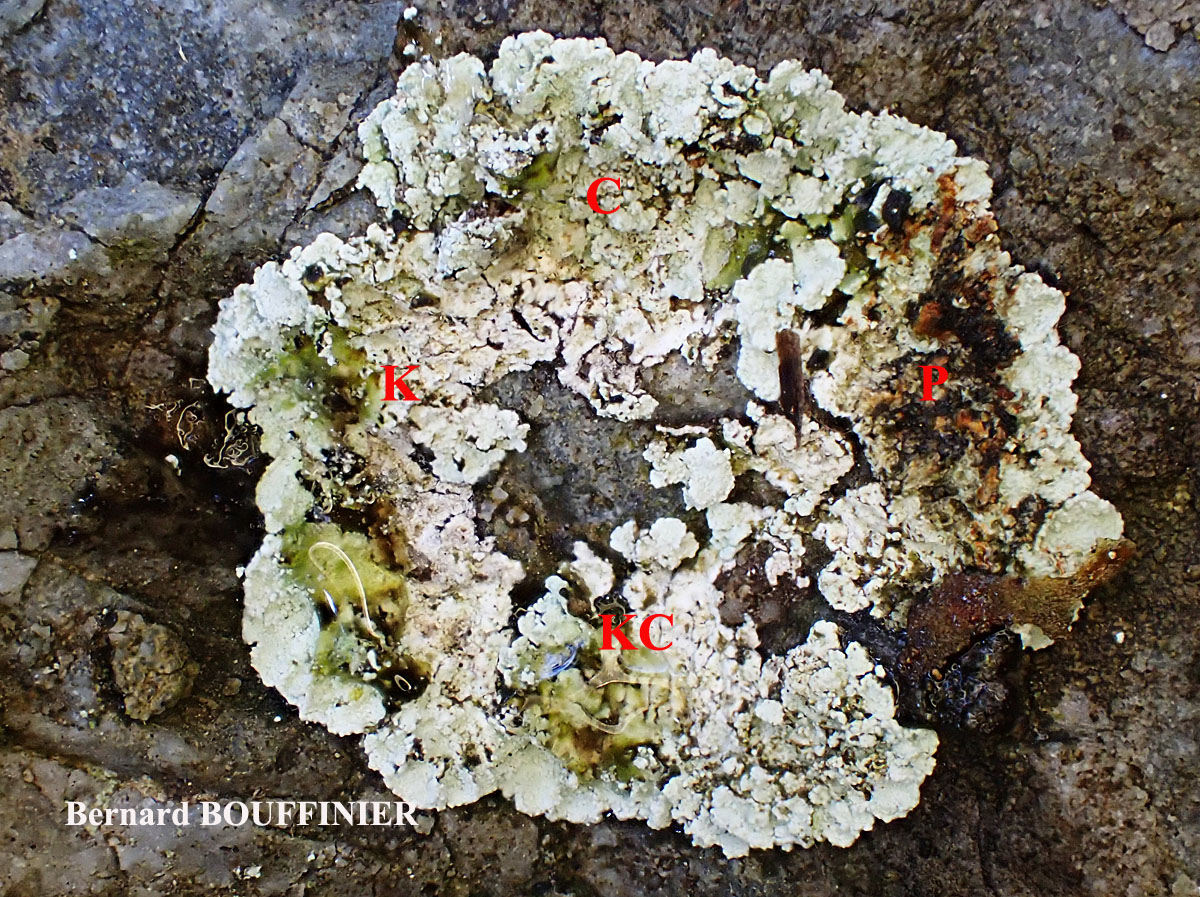
Bernard Bouffinier - Source: http://www.lichensmaritimes.org/index.php?task=fiche&lichen=345&lang=en
France, Landévennec
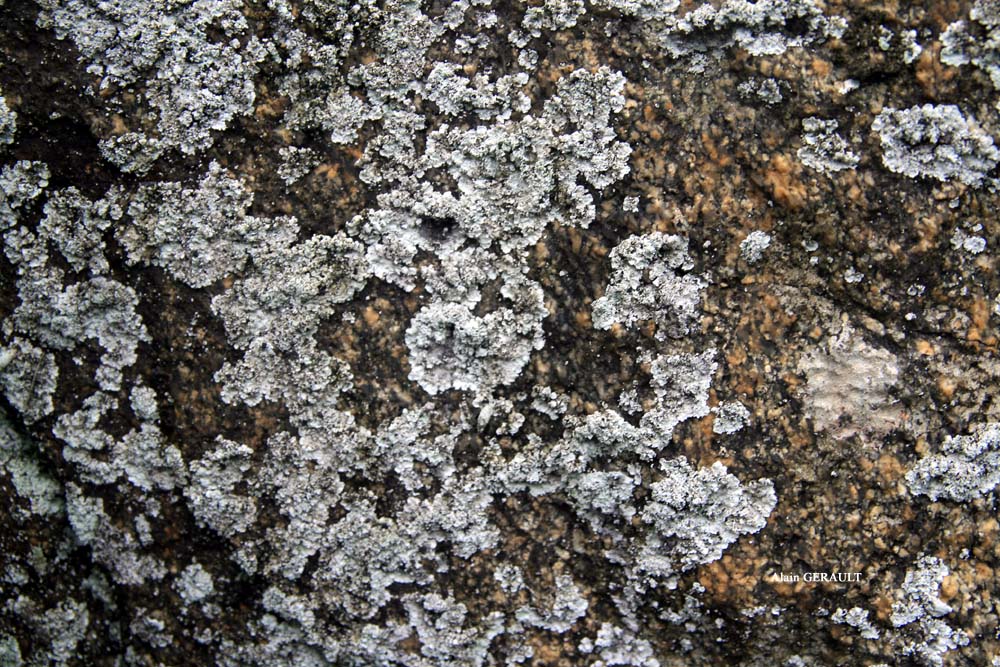
Alain Gerault - Source: http://www.lichensmaritimes.org/index.php?task=fiche&lichen=345&lang=en
France, Pointe du Van
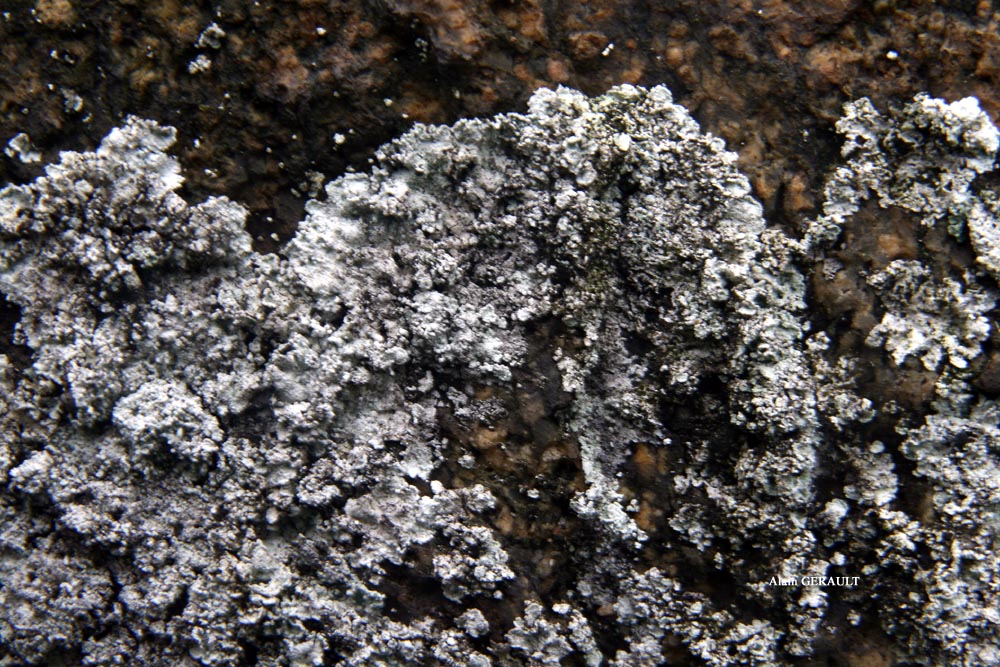
Alain Gerault - Source: http://www.lichensmaritimes.org/index.php?task=fiche&lichen=345&lang=en
France, Pointe du Van
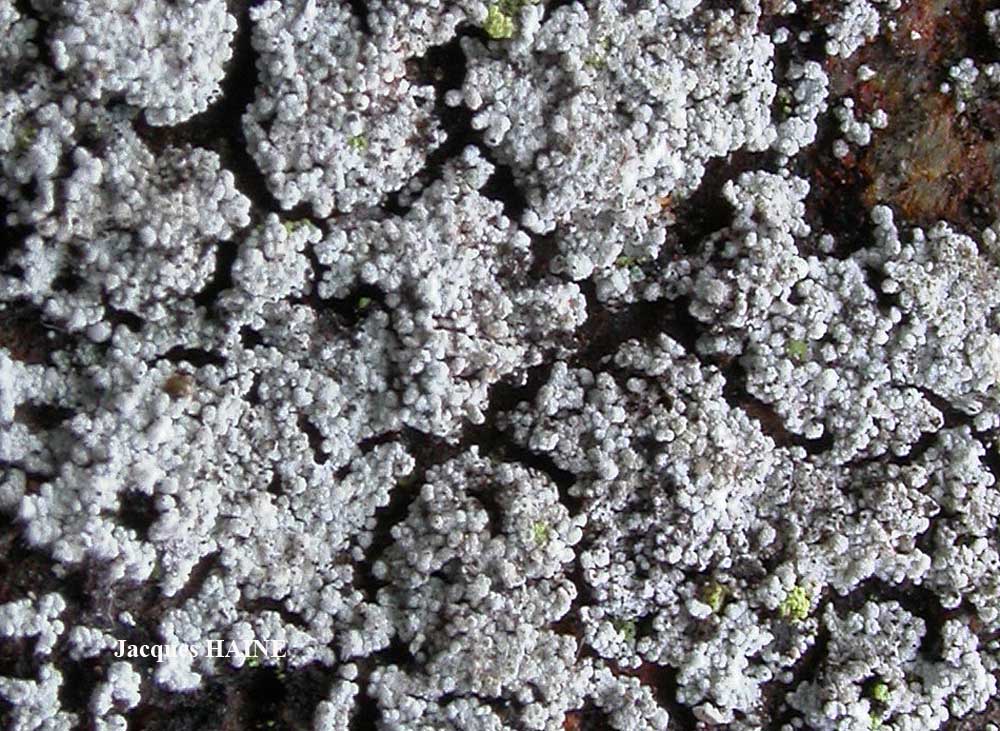
Jacques Haine - Source: http://www.lichensmaritimes.org/index.php?task=fiche&lichen=345&lang=en
France, Ardennes
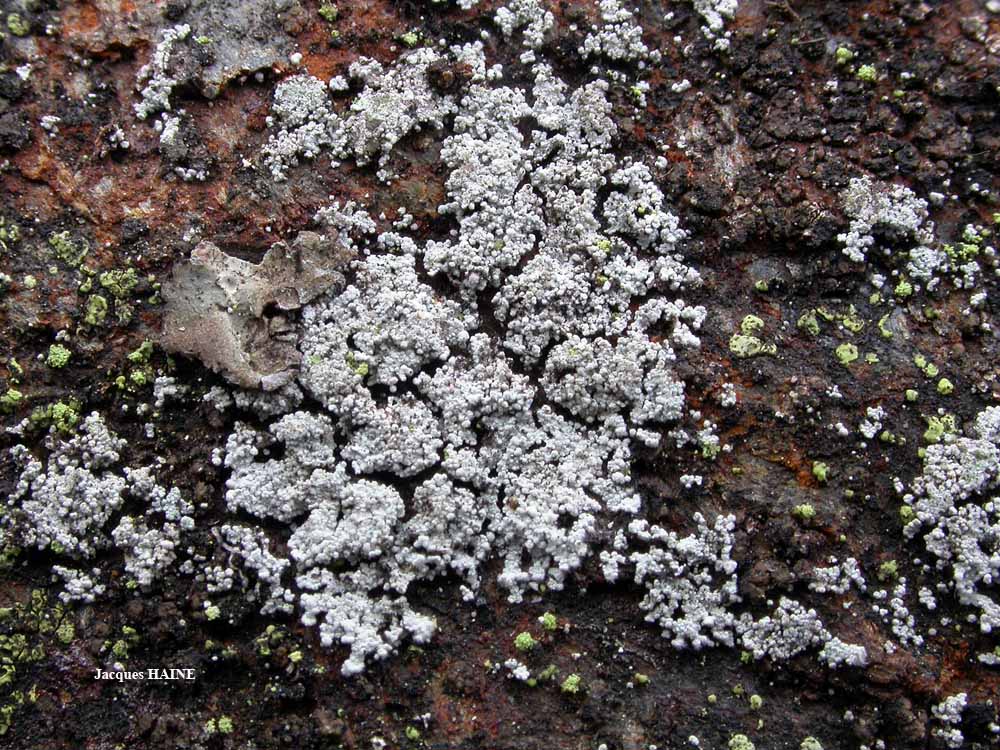
Jacques Haine - Source: http://www.lichensmaritimes.org/index.php?task=fiche&lichen=345&lang=en
France, Ardennes
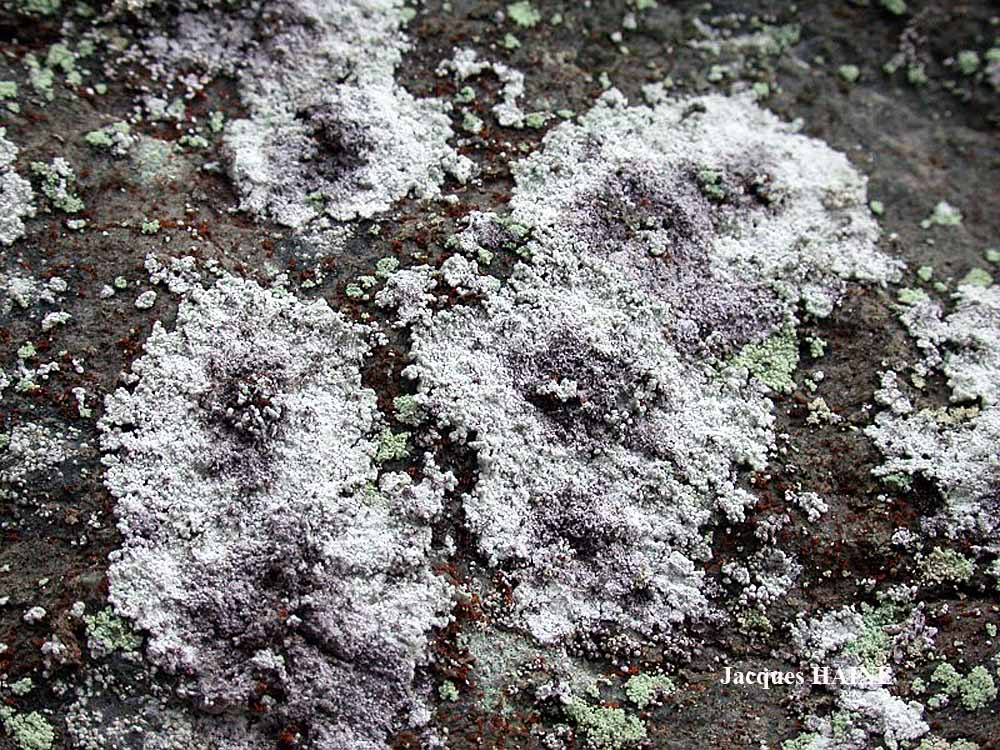
Jacques Haine - Source: http://www.lichensmaritimes.org/index.php?task=fiche&lichen=345&lang=en
France, Ardennes