Trapelia obtegens (Th. Fr.) Hertel
Ber. dtsch. bot. Ges., n. F., 4: 181, 1970. Basionym: Biatora coarctata subsp. obtegens Th. Fr. - Bot. Not.: 152, 1867.
Synonyms: Biatora coarctata var. obtegens (Th. Fr.) Stein; Gallowayiopsis obtegens (Th. Fr.) S.Y. Kondr.; Lecidea coarctata var. obtegens (Th. Fr.) Th. Fr.; Lecidea obtegens (Th. Fr.) Vain.
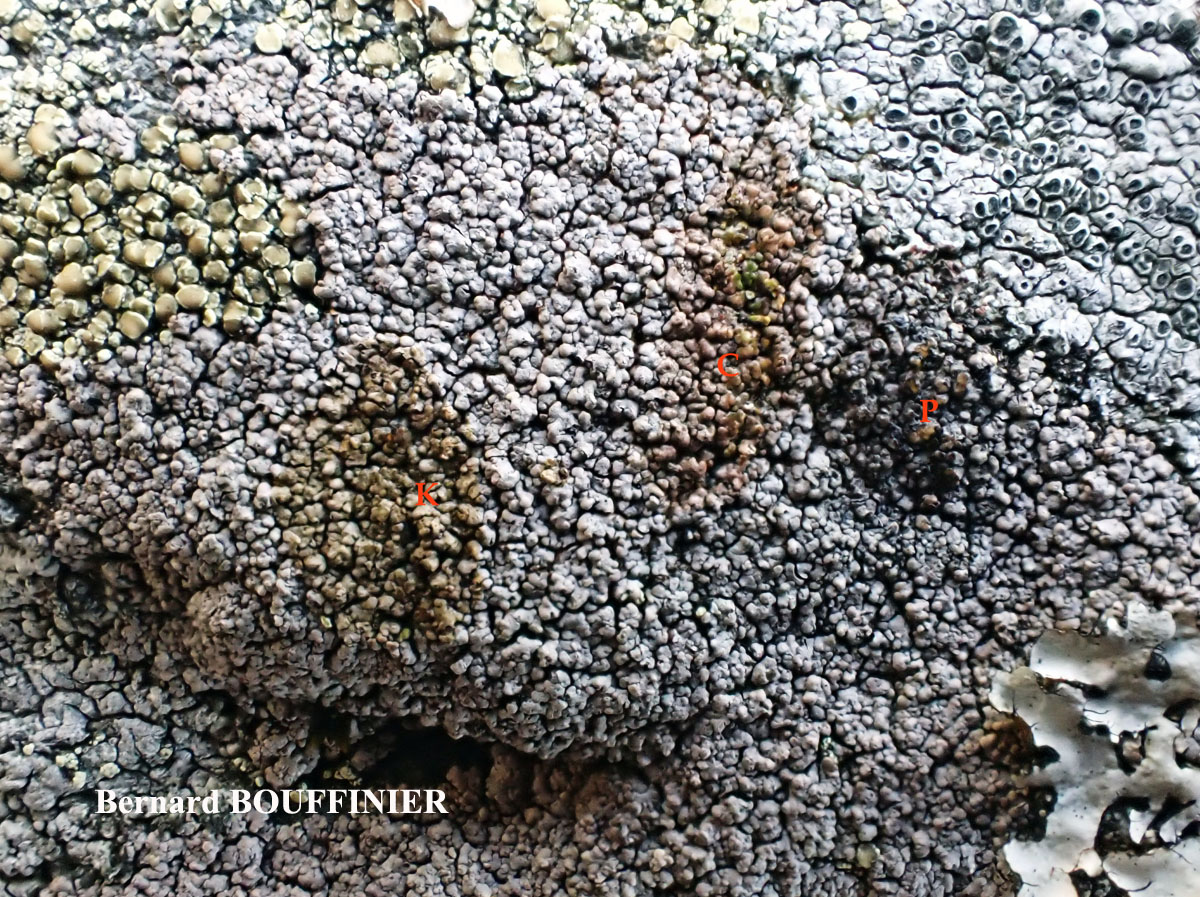
Description: Thallus crustose, episubstratic, areolate, pale brownish grey to dull grey-brown, rarely green-grey, the areoles often scattered, strongly convex, sometimes more flattened later, with a more or less round outline or becoming slightly lobed, with abrupt margins, up to 0.72 mm wide, but often much smaller. Soralia either absent or sparse, or abundant, in which case the areoles are dissolved into soralia early on, and corticate areoles are inconspicuous. Cortex c. 10 μm thick, with a brown pigment and a thin epinecral layer. Apothecia lecideine, frequent also in sorediate morphs, 0.2-0.7 mm across, with a pinkish brown to finally brown-black, rough disc, a distinct, somewhat paler proper margin, and often, especially when young, a thin, often incomplete pseudothalline rim. Proper exciple of colourless hyphae embedded in a colourless to weakly pigmented gel; epithecium almost colourless to pale yellowish brown; hymenium colourless; paraphyses coherent, thin, densely branched and anastomosing, not thickened at apex; hypothecium colourless. Asci 8-spored, cylindrical-clavate, unitunicate, thin-walled, the apical dome K/I-, or weakly K/I+ blue, Trapelia-type. Ascospores 1-celled, hyaline, ellipsoid, 17-23 x 8.5-12.5 μm, thin-walled, with a perispore. Photobiont chlorococcoid. Spot tests: thallus and soredia K-, C-+ red, KC+ red, P-, UV+ whitish. Chemistry: gyrophoric acid (major), 5-O-methylhiascic acid (trace).
Growth form: Crustose
Substrata: rocks
Photobiont: green algae other than Trentepohlia
Reproductive strategy: mainly asexual, by soredia, or soredia-like structures (e.g. blastidia)
Commonnes-rarity: (info)
Alpine belt: absent
Subalpine belt: rare
Montane belt: rare
Dry submediterranean belt: absent
Humid submediterranean belt: absent
Padanian area: absent
pH of the substrata:
1 2 3 4 5

Solar irradiation:
1 2 3 4 5
Aridity:
1 2 3 4 5
Eutrophication:
1 2 3 4 5
Poleotolerance:
0 1 2 3
Altitudinal distribution:
1 2 3 4 5 6
Rarity
absent
extremely rare
very rare
rare
rather rare
rather common
common
very common
extremely common
Loading data...
Occurrence data
Predictive map
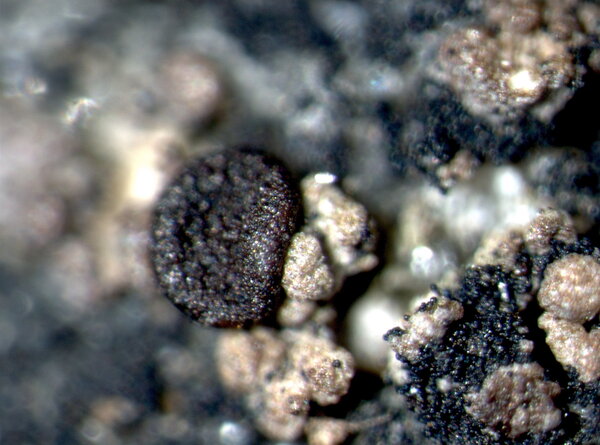
Pier Luigi Nimis - CC BY-SA 4.0
TSB 41860
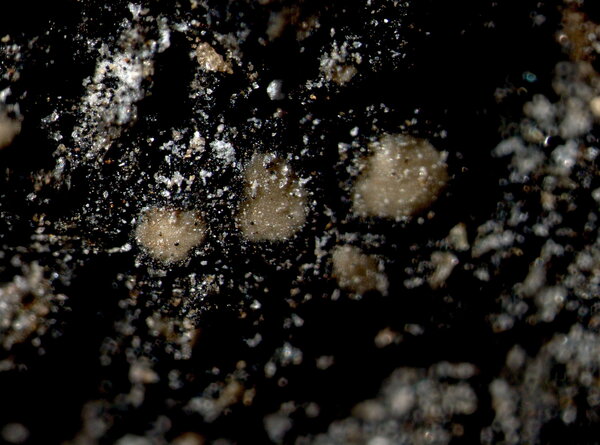
Pier Luigi Nimis - CC BY-SA 4.0
TSB 41860
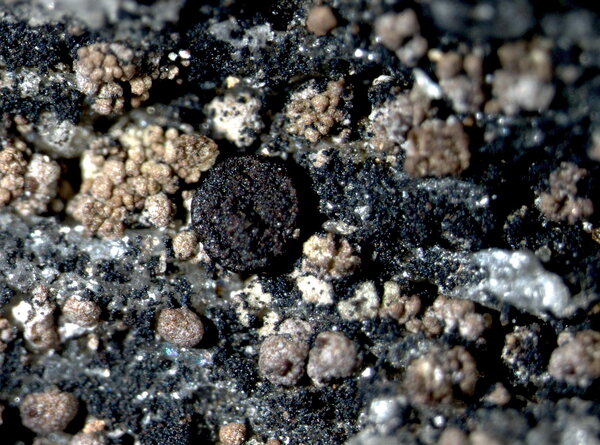
Pier Luigi Nimis - CC BY-SA 4.0
TSB 41860
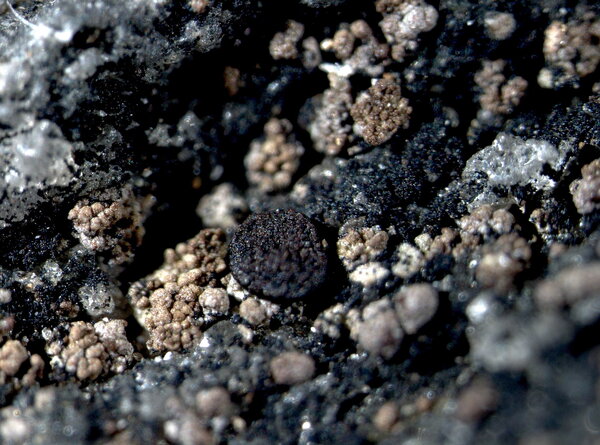
Pier Luigi Nimis - CC BY-SA 4.0
TSB 41860
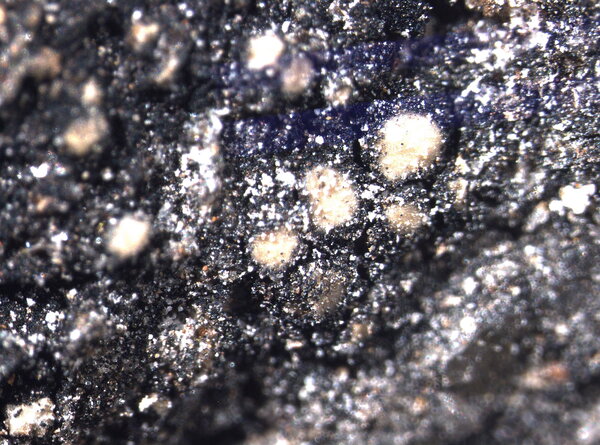
Pier Luigi Nimis - CC BY-SA 4.0
TSB 41860
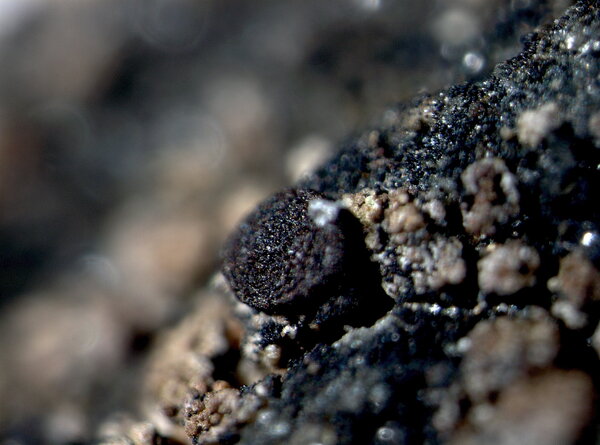
Pier Luigi Nimis - CC BY-SA 4.0
TSB 41860
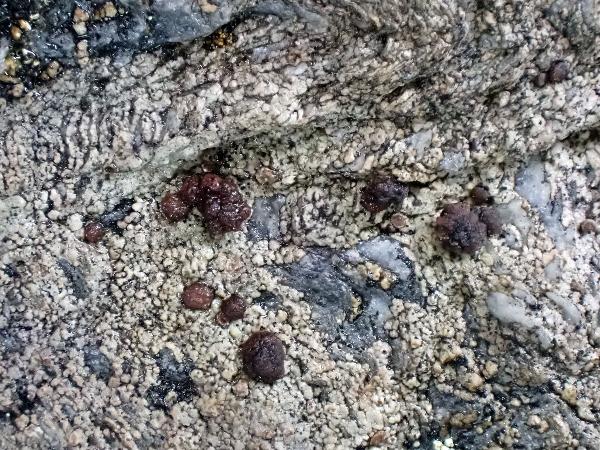
Bernard Bouffinier - Source: http://www.lichensmaritimes.org/index.php?task=fiche&lichen=606&lang=en
France, Hanvec
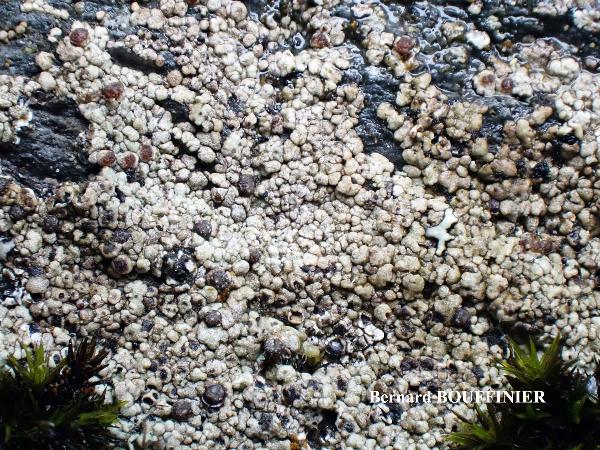
Bernard Bouffinier - Source: http://www.lichensmaritimes.org/index.php?task=fiche&lichen=606&lang=en
France, Hanvec
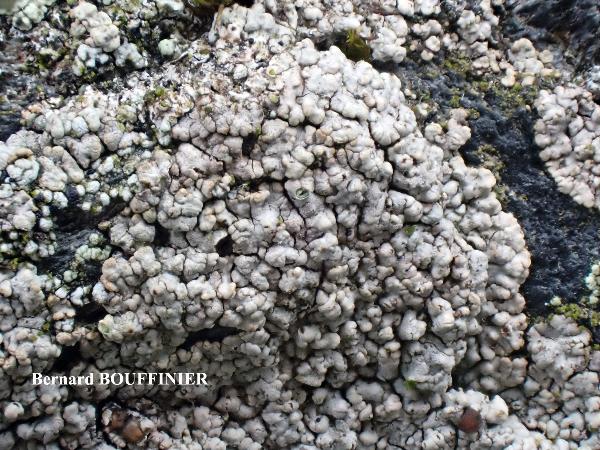
Bernard Bouffinier - Source: http://www.lichensmaritimes.org/index.php?task=fiche&lichen=606&lang=en
France, Hanvec
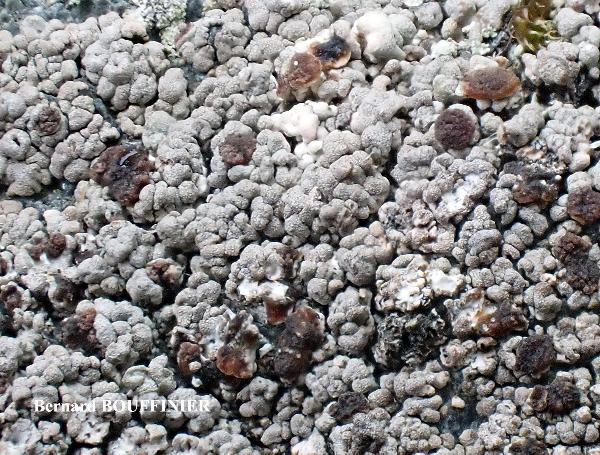
Bernard Bouffinier - Source: http://www.lichensmaritimes.org/index.php?task=fiche&lichen=606&lang=en
France, Hanvec
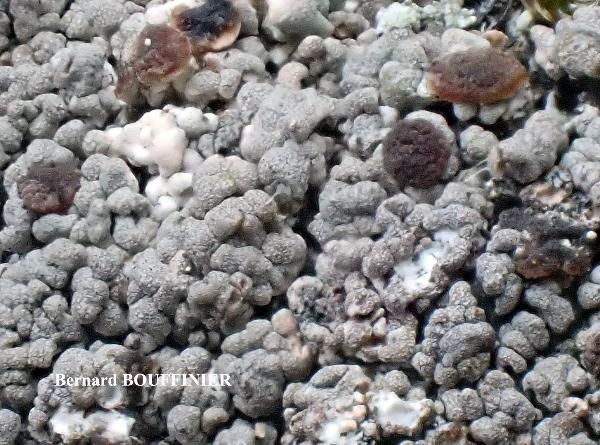
Bernard Bouffinier - Source: http://www.lichensmaritimes.org/index.php?task=fiche&lichen=606&lang=en
France, Hanvec
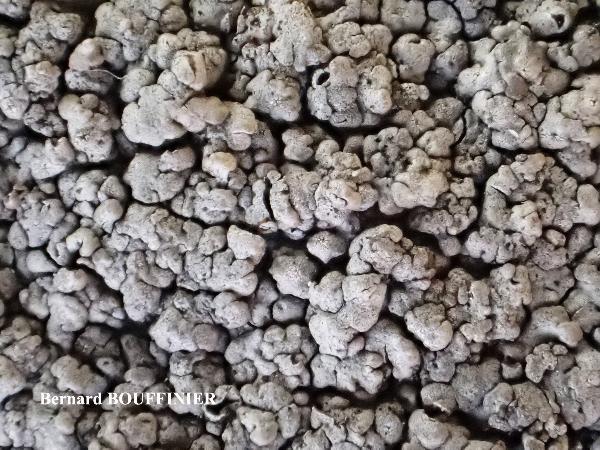
Bernard Bouffinier - Source: http://www.lichensmaritimes.org/index.php?task=fiche&lichen=606&lang=en
France, Hanvec
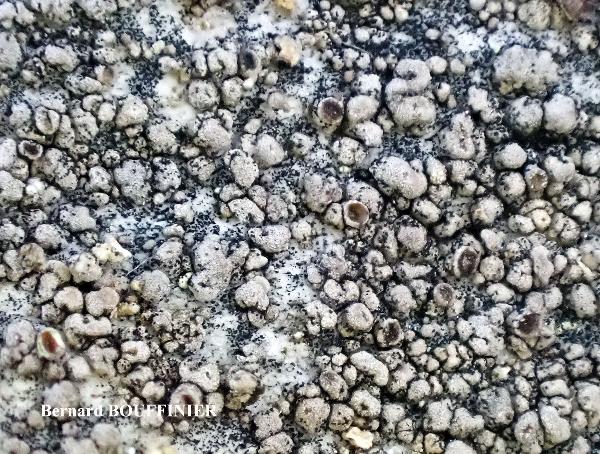
Bernard Bouffinier - Source: http://www.lichensmaritimes.org/index.php?task=fiche&lichen=606&lang=en
France, Hanvec
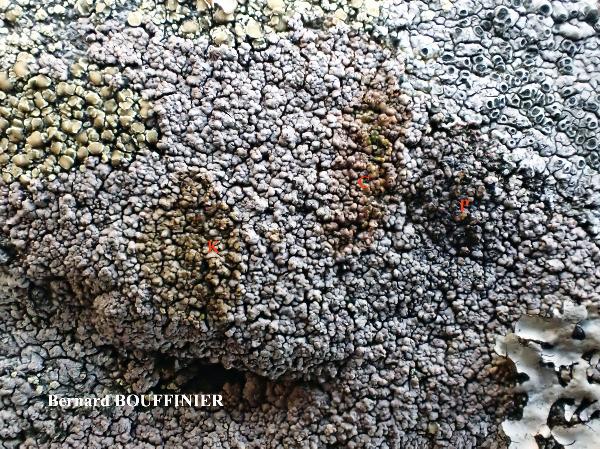
Bernard Bouffinier - Source: http://www.lichensmaritimes.org/index.php?task=fiche&lichen=606&lang=en
France, Hanvec
Growth form: Crustose
Substrata: rocks
Photobiont: green algae other than Trentepohlia
Reproductive strategy: mainly asexual, by soredia, or soredia-like structures (e.g. blastidia)
Commonnes-rarity: (info)
Alpine belt: absent
Subalpine belt: rare
Montane belt: rare
Dry submediterranean belt: absent
Humid submediterranean belt: absent
Padanian area: absent
pH of the substrata:
| 1 | 2 | 3 | 4 | 5 |
Solar irradiation:
| 1 | 2 | 3 | 4 | 5 |
Aridity:
| 1 | 2 | 3 | 4 | 5 |
Eutrophication:
| 1 | 2 | 3 | 4 | 5 |
Poleotolerance:
| 0 | 1 | 2 | 3 |
Altitudinal distribution:
| 1 | 2 | 3 | 4 | 5 | 6 |
Rarity
absent
extremely rare
very rare
rare
rather rare
rather common
common
very common
extremely common
Loading data...
Occurrence data
Predictive map
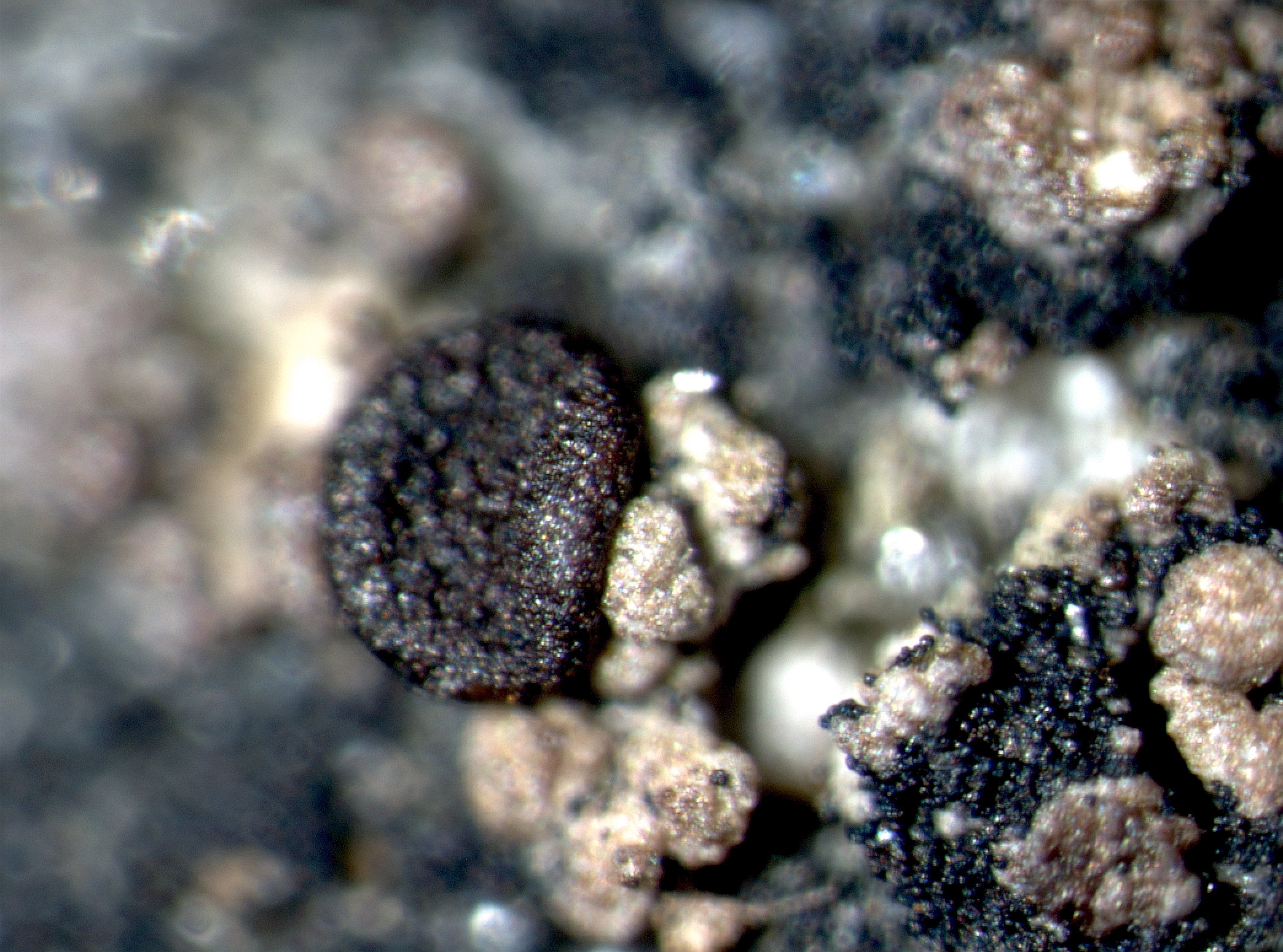
Pier Luigi Nimis - CC BY-SA 4.0
TSB 41860
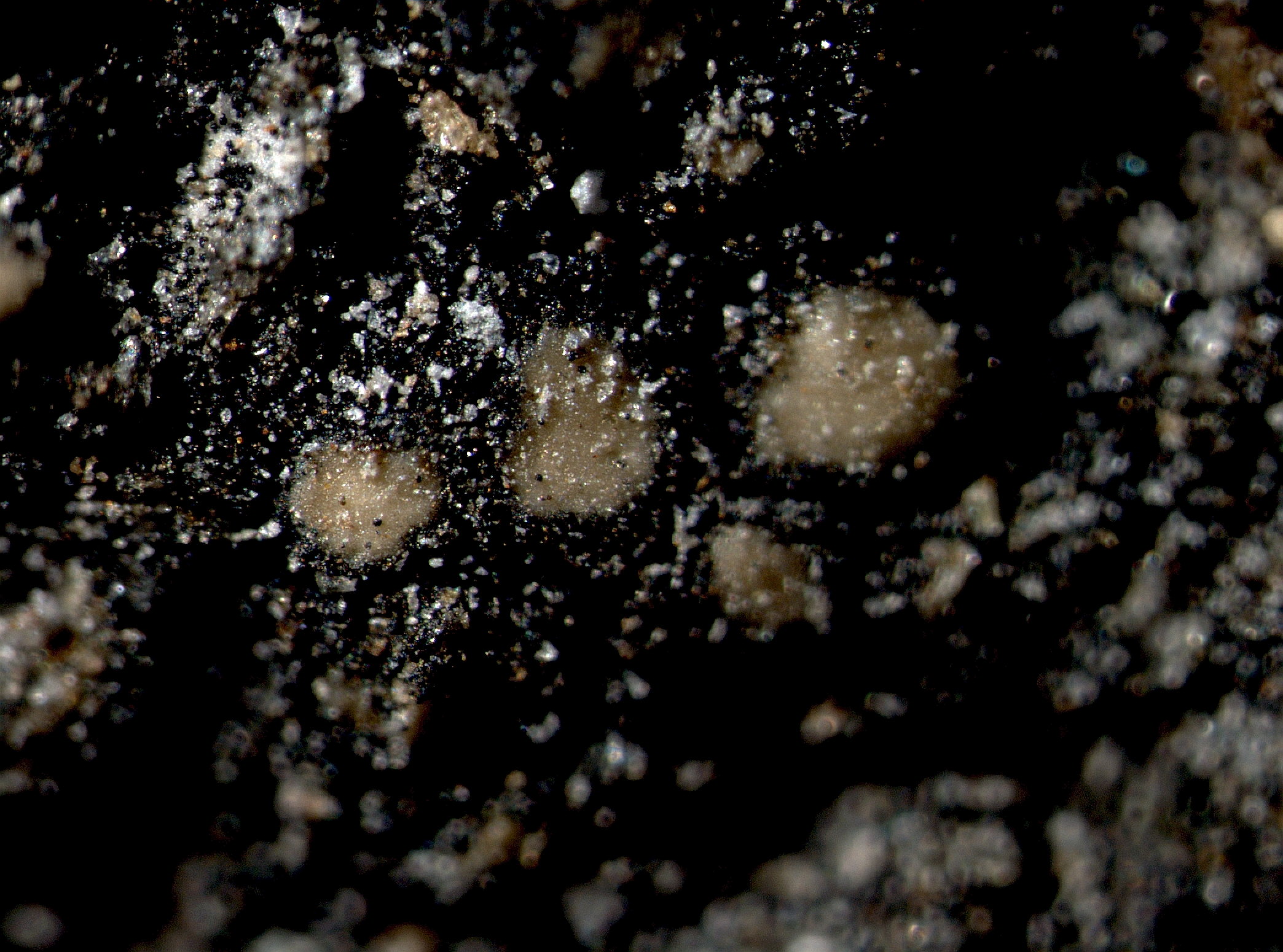
Pier Luigi Nimis - CC BY-SA 4.0
TSB 41860
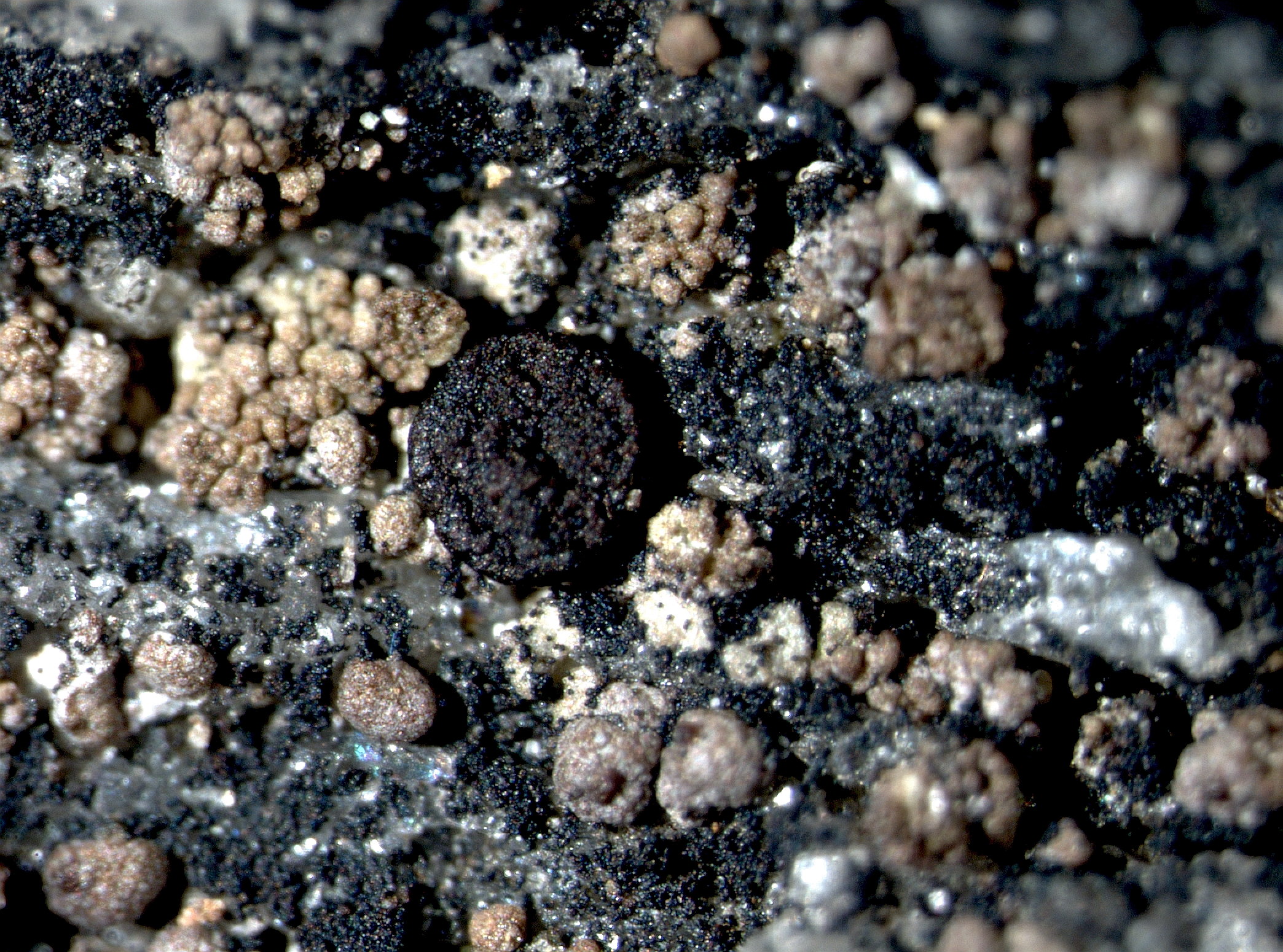
Pier Luigi Nimis - CC BY-SA 4.0
TSB 41860
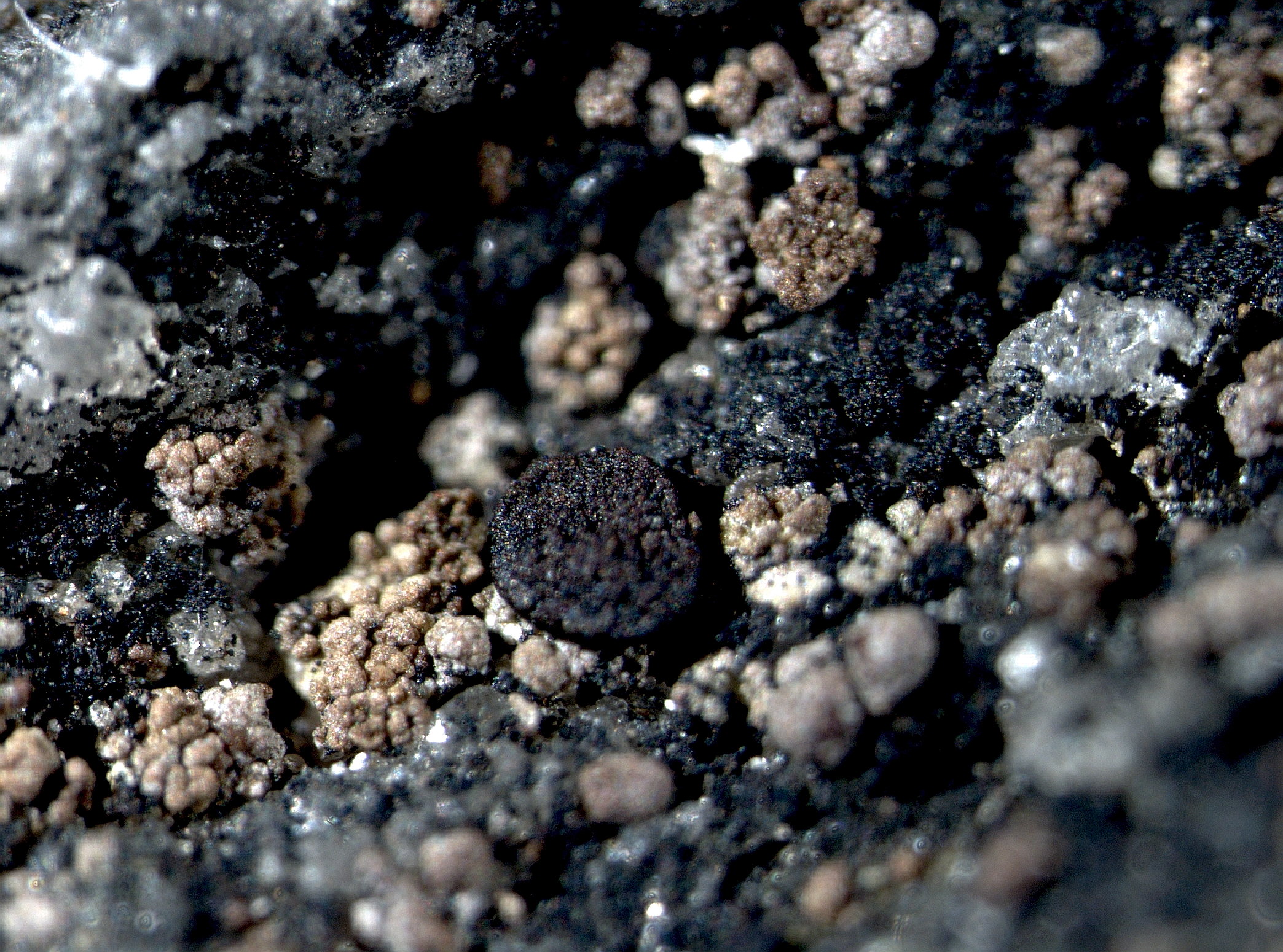
Pier Luigi Nimis - CC BY-SA 4.0
TSB 41860
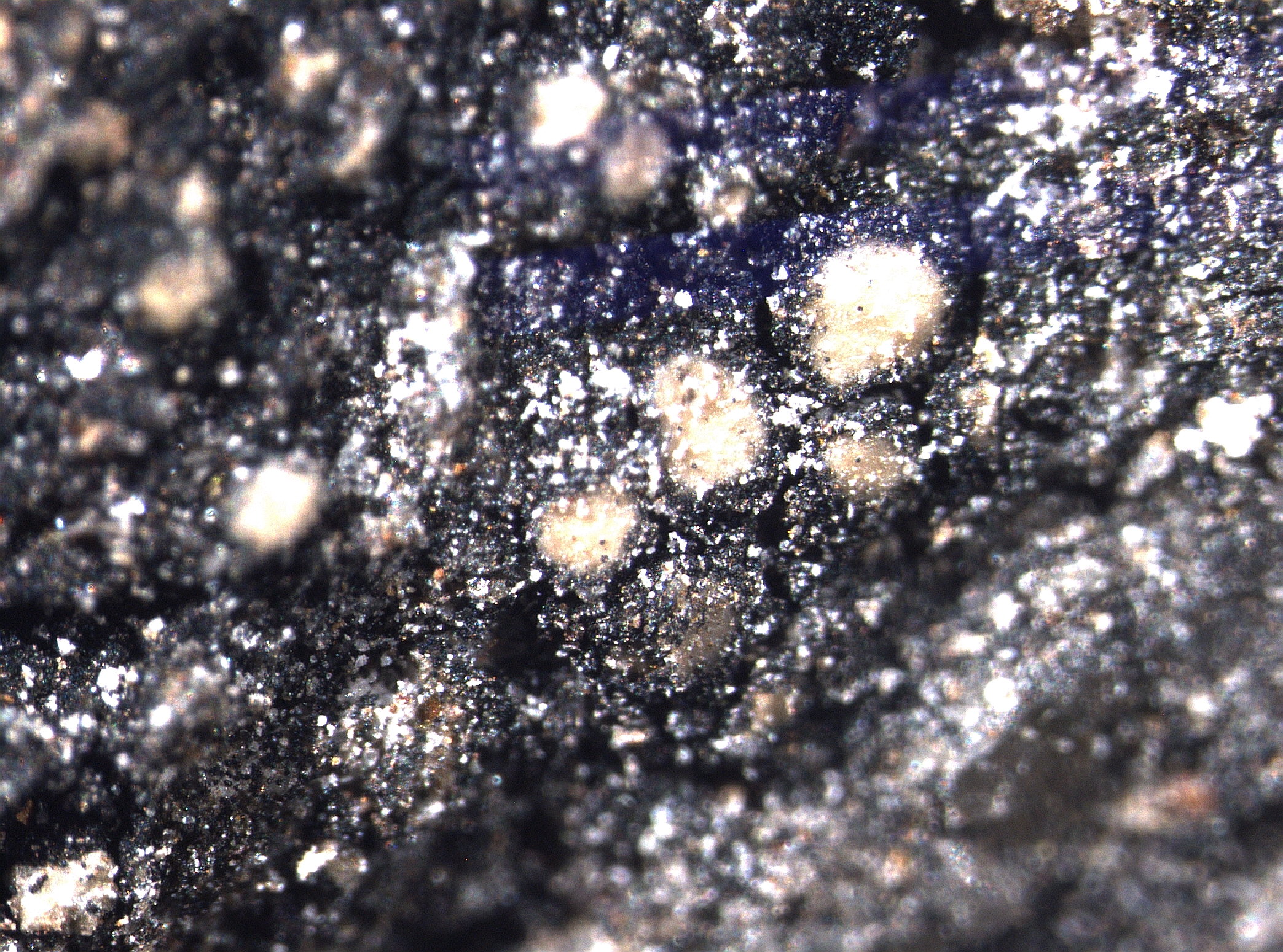
Pier Luigi Nimis - CC BY-SA 4.0
TSB 41860
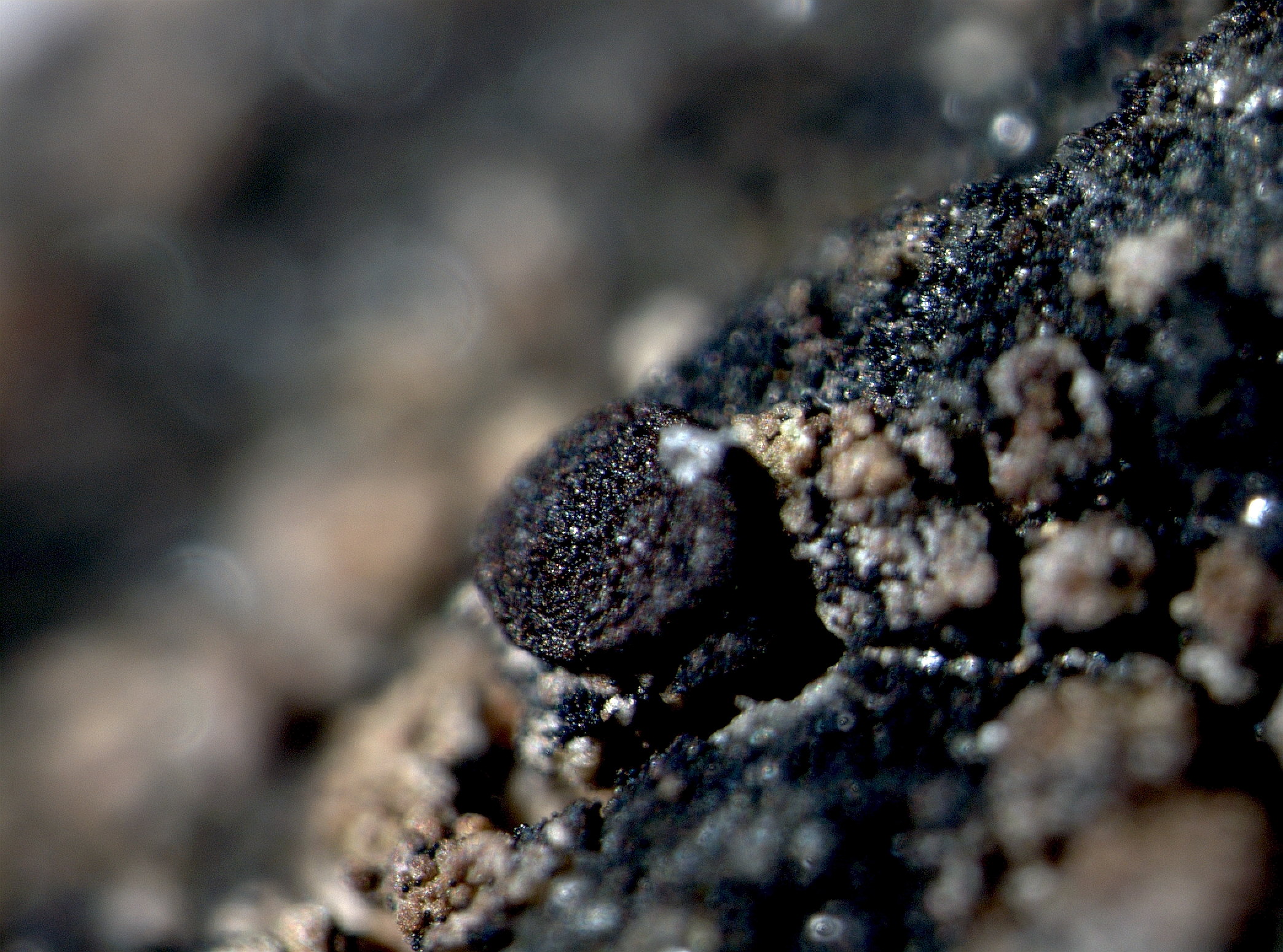
Pier Luigi Nimis - CC BY-SA 4.0
TSB 41860
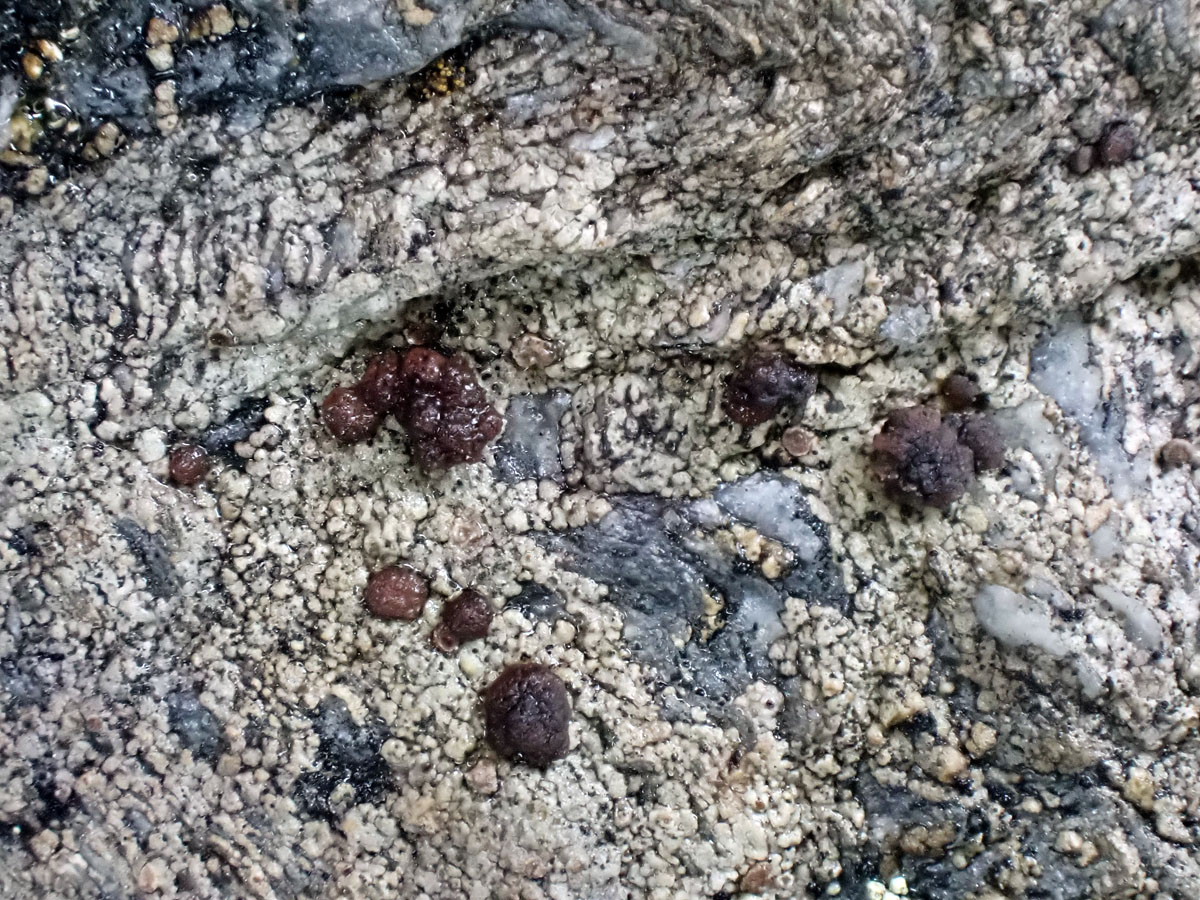
Bernard Bouffinier - Source: http://www.lichensmaritimes.org/index.php?task=fiche&lichen=606&lang=en
France, Hanvec
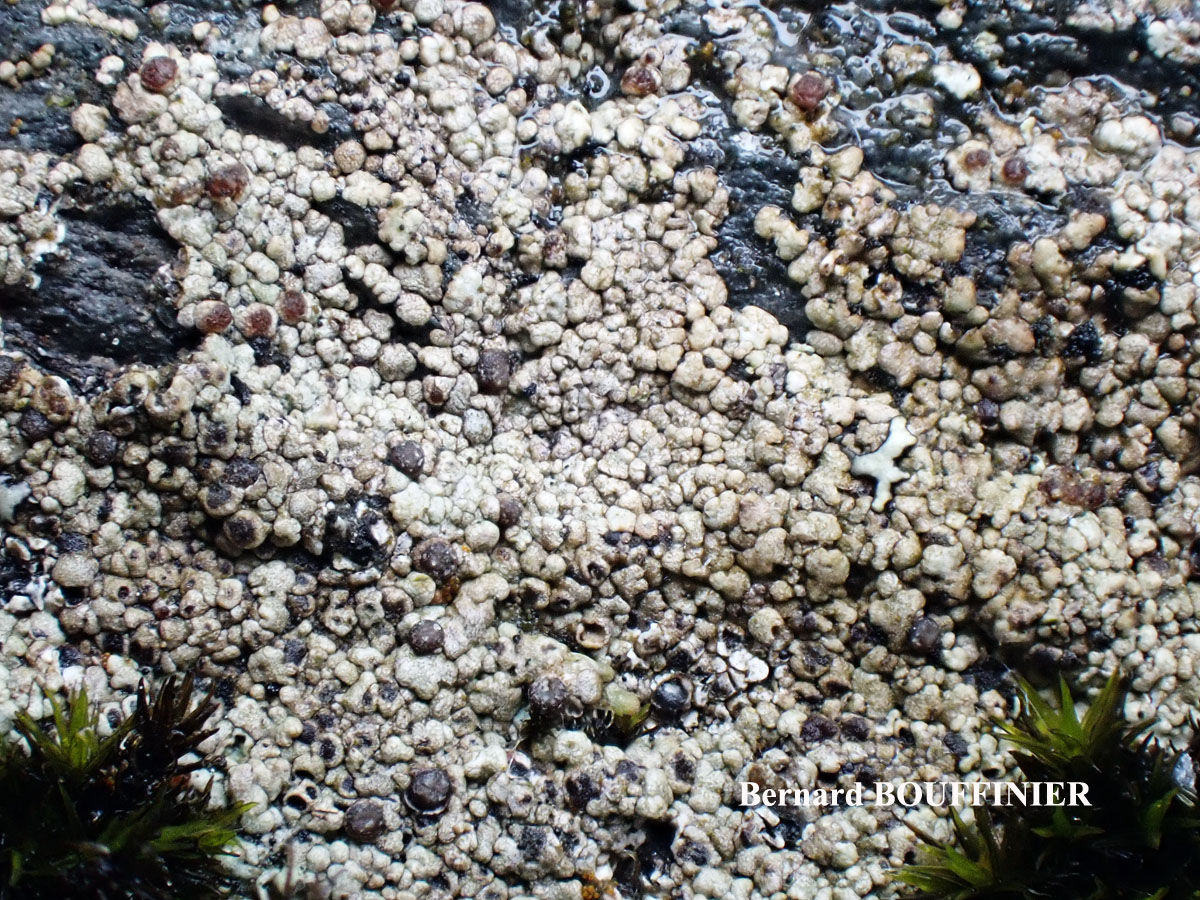
Bernard Bouffinier - Source: http://www.lichensmaritimes.org/index.php?task=fiche&lichen=606&lang=en
France, Hanvec
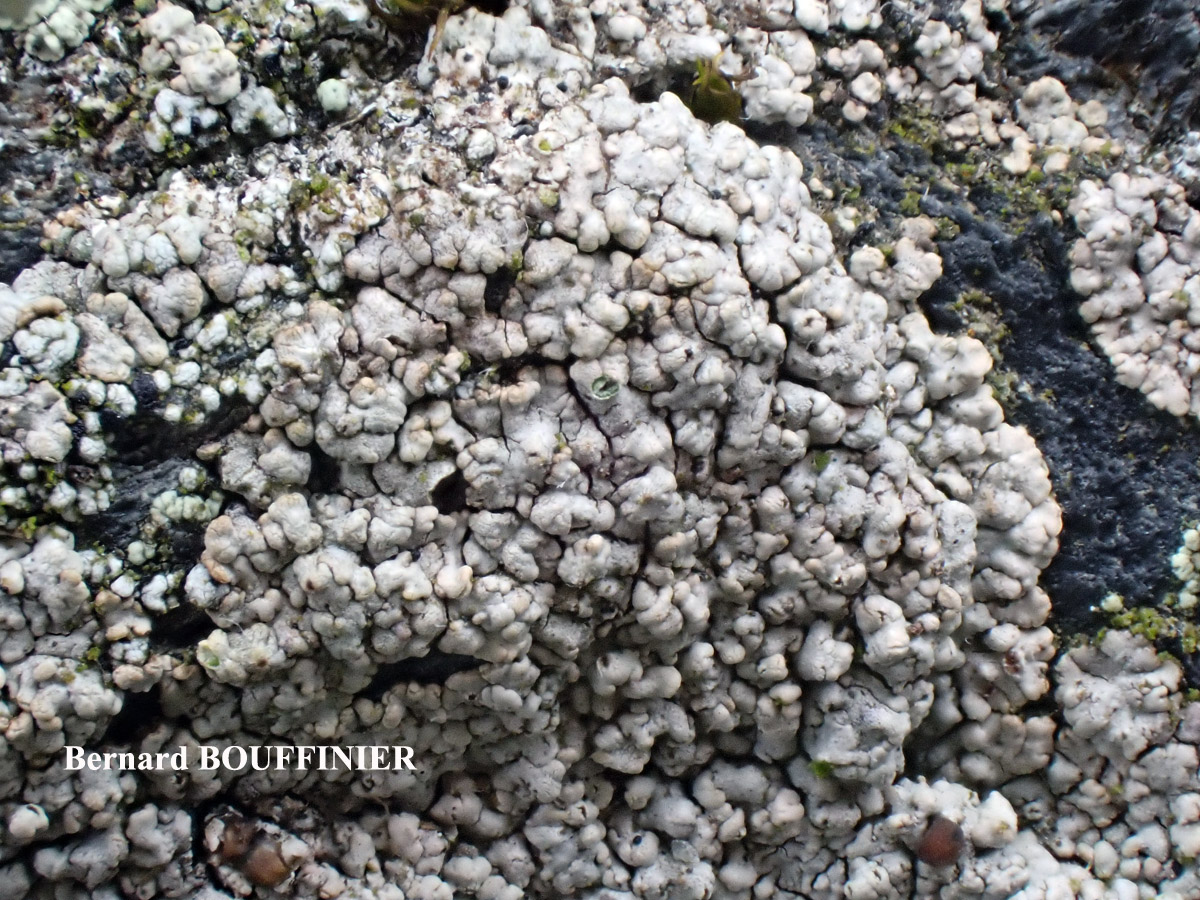
Bernard Bouffinier - Source: http://www.lichensmaritimes.org/index.php?task=fiche&lichen=606&lang=en
France, Hanvec
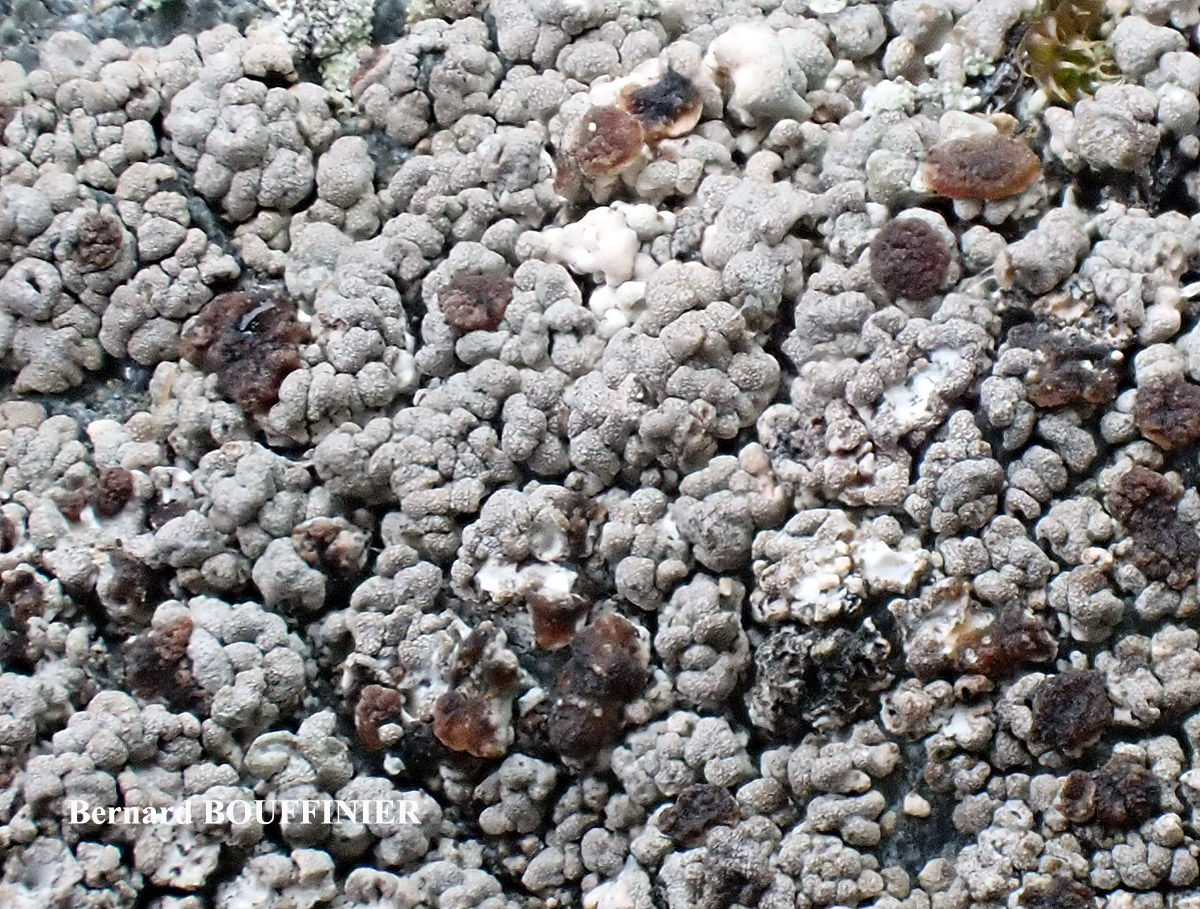
Bernard Bouffinier - Source: http://www.lichensmaritimes.org/index.php?task=fiche&lichen=606&lang=en
France, Hanvec
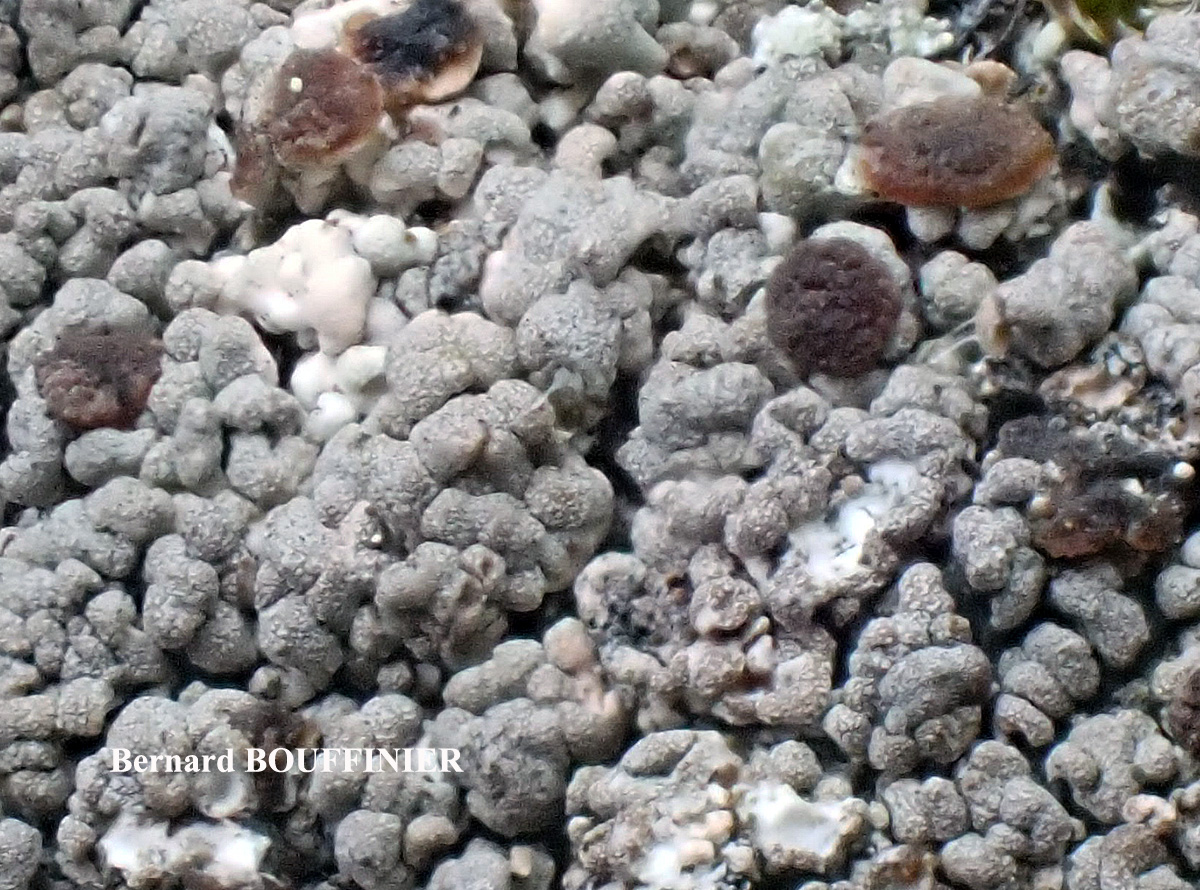
Bernard Bouffinier - Source: http://www.lichensmaritimes.org/index.php?task=fiche&lichen=606&lang=en
France, Hanvec
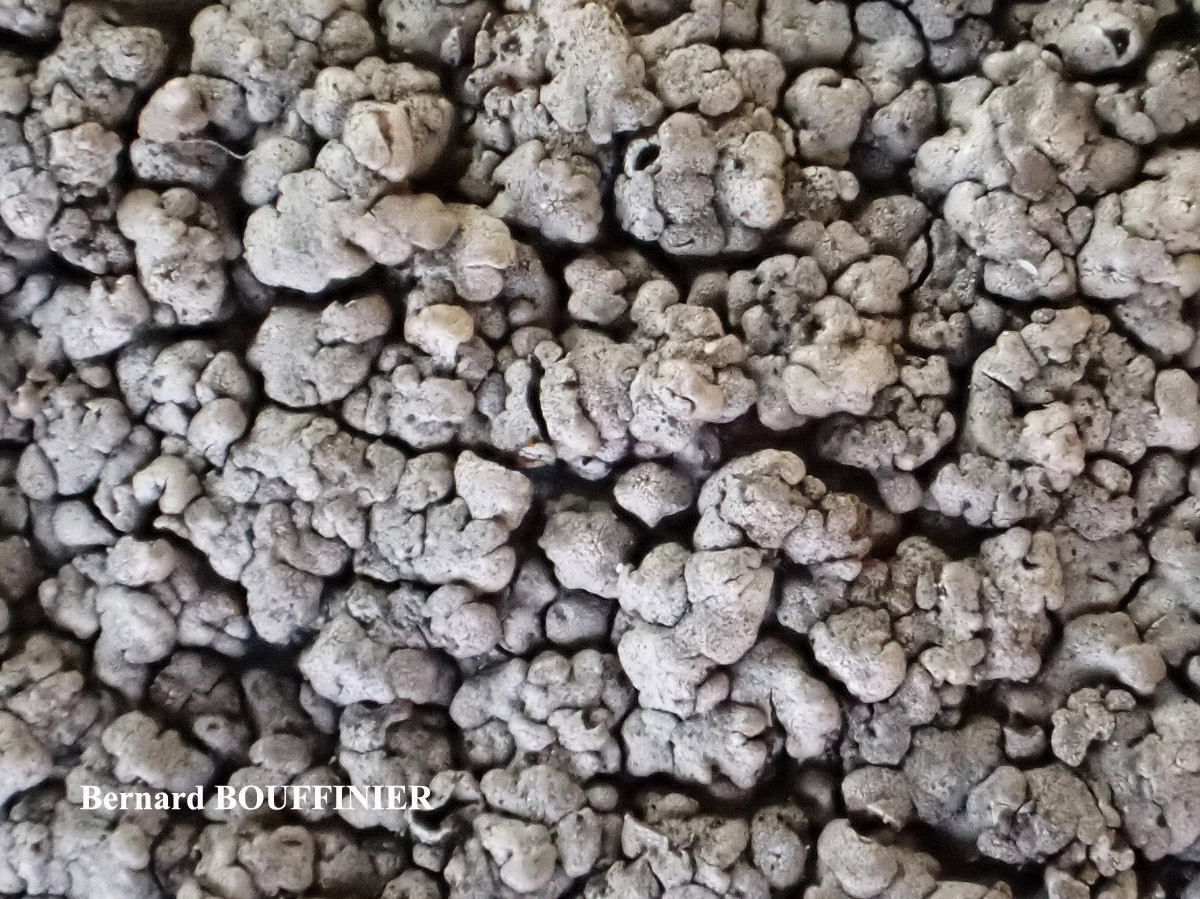
Bernard Bouffinier - Source: http://www.lichensmaritimes.org/index.php?task=fiche&lichen=606&lang=en
France, Hanvec
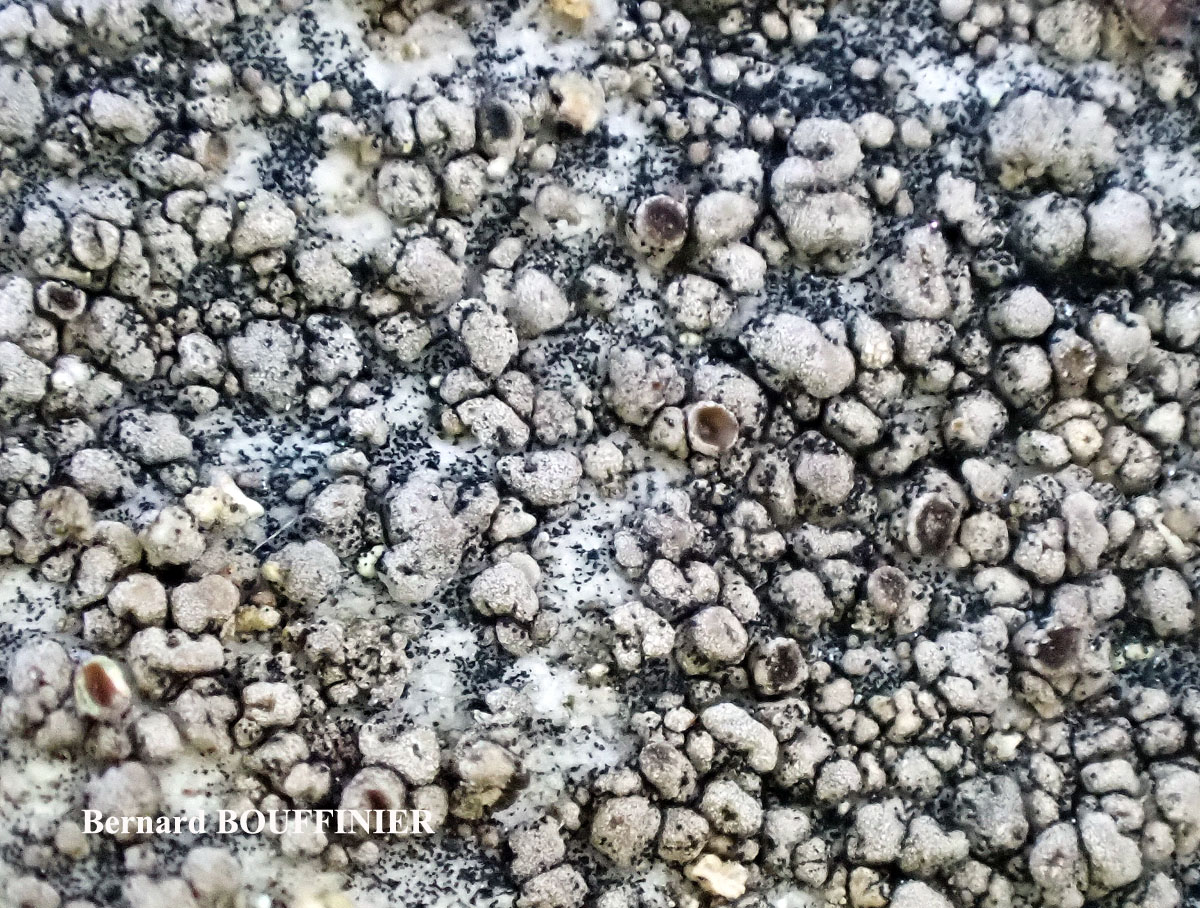
Bernard Bouffinier - Source: http://www.lichensmaritimes.org/index.php?task=fiche&lichen=606&lang=en
France, Hanvec