Cladonia mitis Sandst.
Clad. Exs.: nr. 55, 1918.
Synonyms: Cladina arbuscula subsp. mitis (Sandst.) Burgaz; Cladina mitis (Sandst.) Mong.; Cladonia arbuscula subsp. mitis (Sandst.) Ruoss; Cladonia subsylvatica (Stirt.) Zahlbr.
Description: Primary thallus crustose, ephemeral, rarely seen. Podetia shrub-like, hollow inside, esquamulose, ecorticate, the surface compact or finely arachnoid, pale yellowish white, anisotomically (i.e. main branches thicker) mainly trichotomously branched, 4-12 cm tall, the terminal branchlets generally - not always – spreading in all directions, not or only slightly browned at tips. Apothecia rare, brown, convex, very small. Asci 8-spored, clavate, thickened at apex, with a K/I+ blue tholus and a K/I+ strongly blue outer gelatinous sheath, Cladonia-type. Ascospores 1-celled, hyaline, ellipsoid. Pycnidia dark, semi-immersed, on the tips of podetia, with a colourless jelly. Conidia hyaline, curved. Photobiont chlorococcoid. Spot tests: K-, C-, KC+ yellow, P-, UV-. Chemistry: mostly usnic, isousnic, rangiformic and norrangiformic acids; rarely rangiformic acid absent.
Growth form: Fruticose
Substrata: soil, terricolous mosses, and plant debris
Photobiont: green algae other than Trentepohlia
Reproductive strategy: mainly asexual, by thallus fragmentation
Commonnes-rarity: (info)
Alpine belt: rather rare
Subalpine belt: rather common
Montane belt: absent
Dry submediterranean belt: absent
Humid submediterranean belt: absent
Padanian area: absent
pH of the substrata:
1 2 3 4 5

Solar irradiation:
1 2 3 4 5
Aridity:
1 2 3 4 5
Eutrophication:
1 2 3 4 5
Poleotolerance:
0 1 2 3
Altitudinal distribution:
1 2 3 4 5 6
Rarity
absent
extremely rare
very rare
rare
rather rare
rather common
common
very common
extremely common
Loading data...
Occurrence data
Predictive map
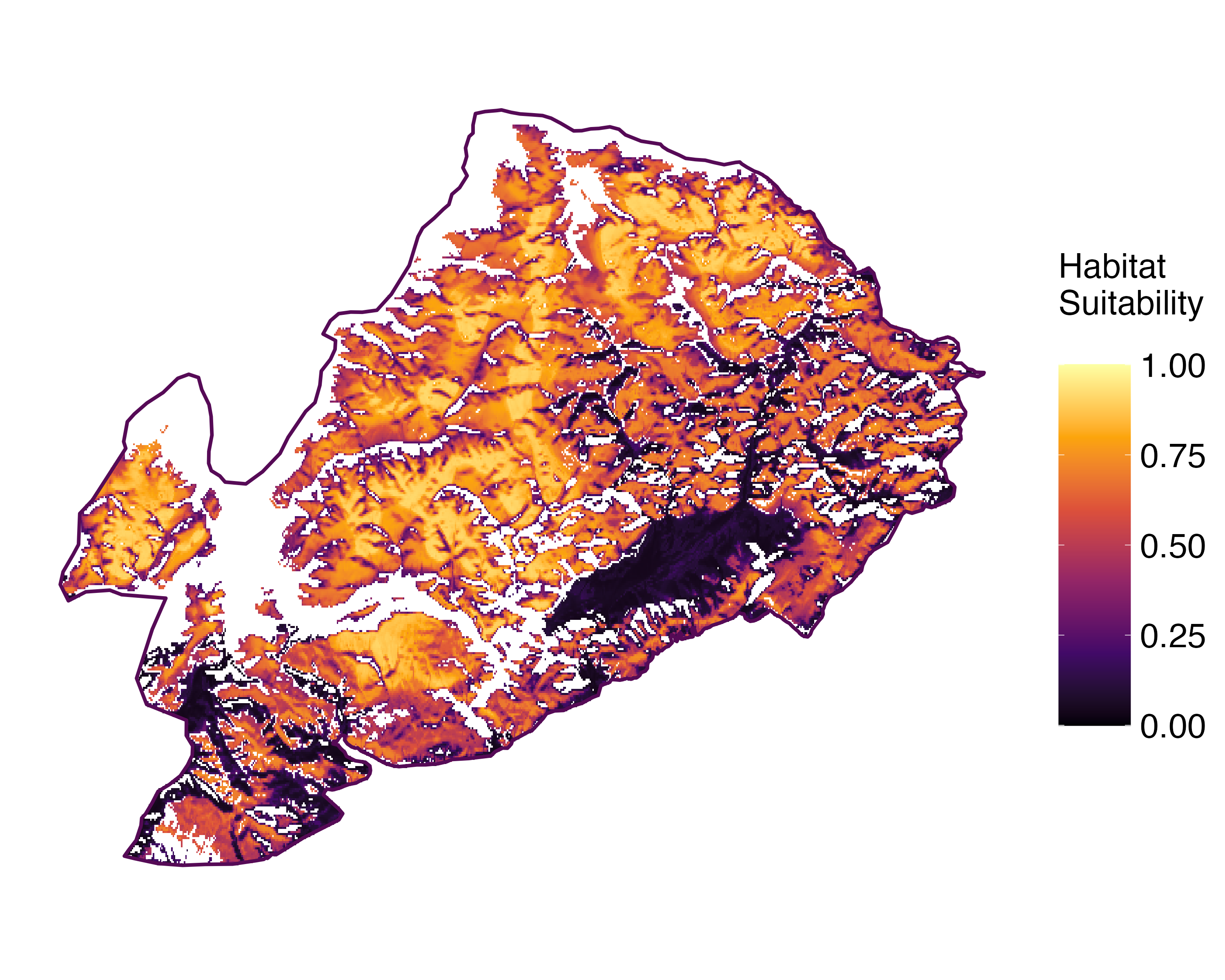 Current prediction (1981-2010)
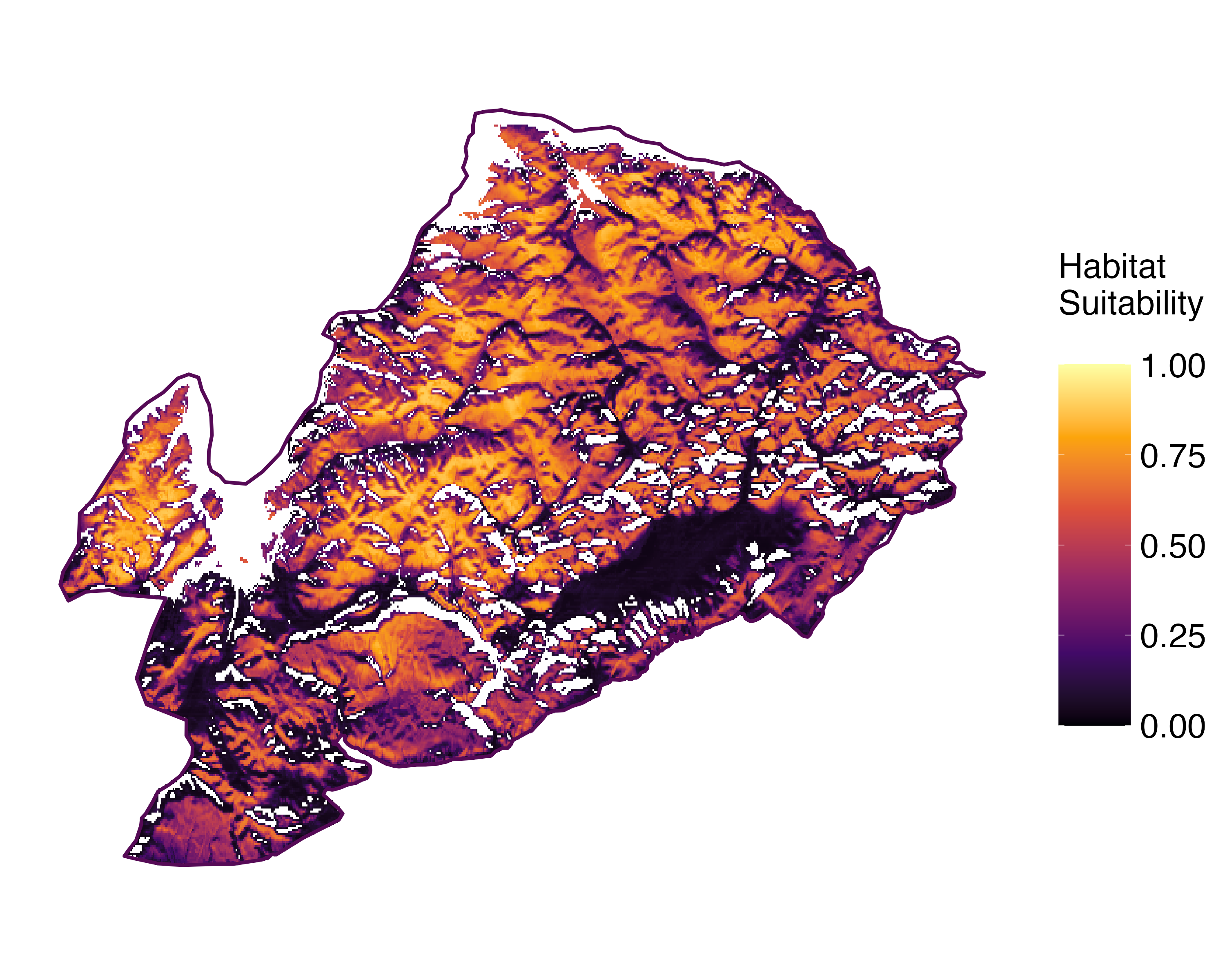 Future prediction (2071-2100) SSP 1-2.6
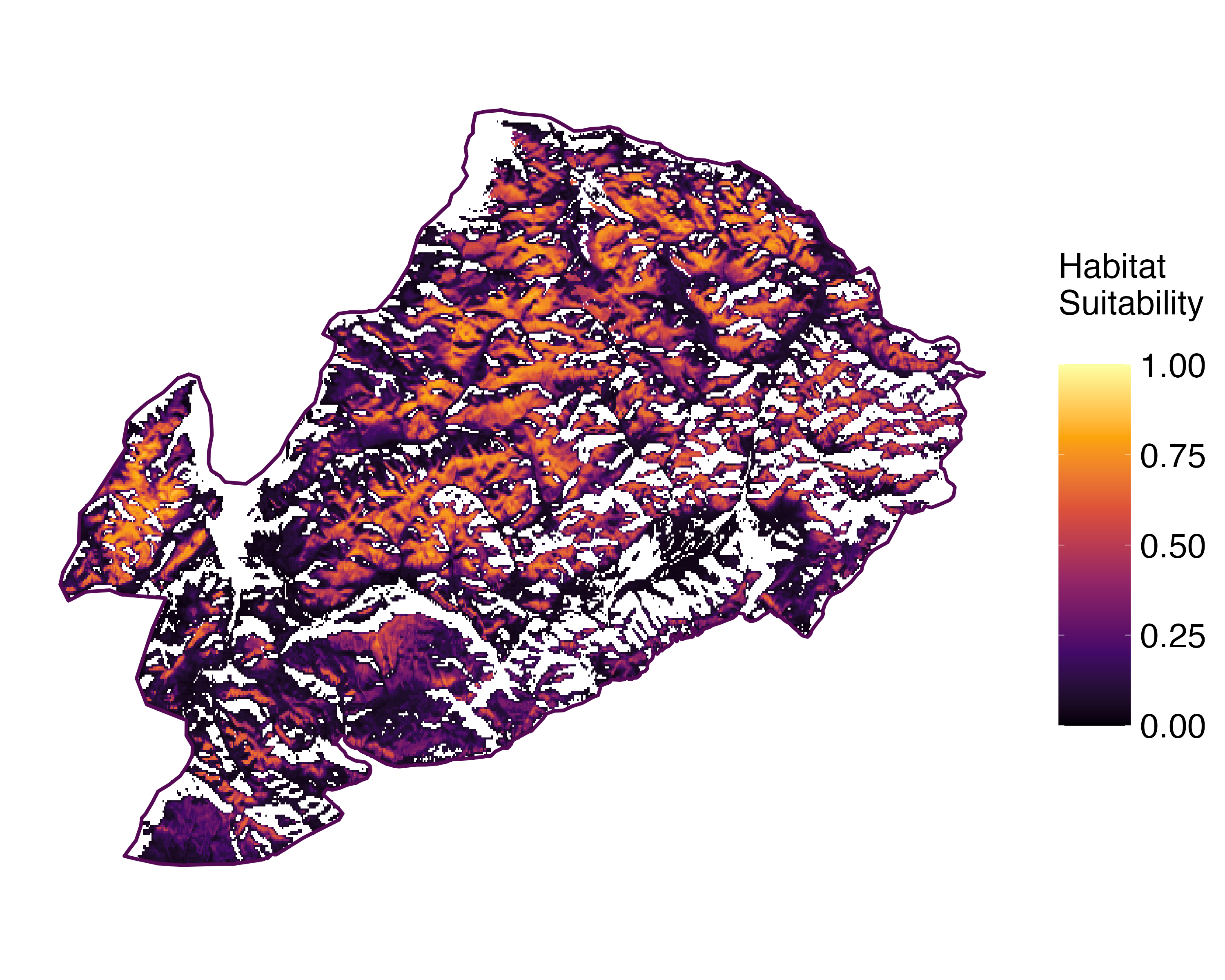 Future prediction (2071-2100) SSP 5-8.5Predictive maps according to Francesconi et al. 2025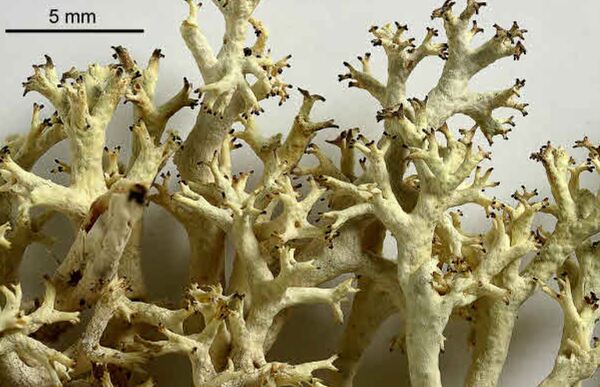
Felix Schumm – CC BY-SA 4.0
[18969], Australia, Victoria, Basalt Hill, Alpine National Park, Bogong High Plains, 20 km south-east of Mt. Beauty, 36°53' S, 147°18' E, 1650 m, growing on soil and debris in exposed alpine grasslands with basalt outcrops and southerly aspect. Leg. J.A. Elix (40372) & H. Streimann, 17.02.1994.
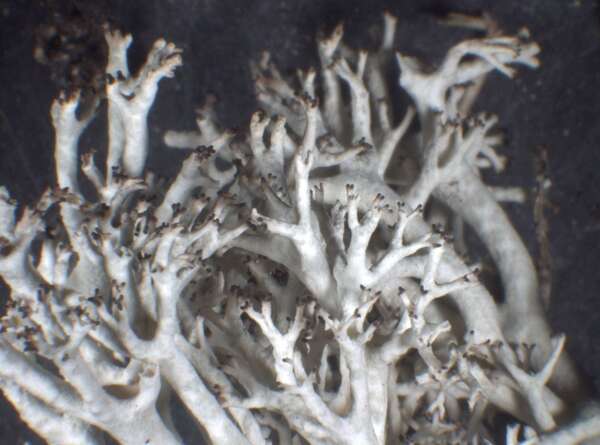
P.L. Nimis; Owner: Department of Life Sciences, University of Trieste
Herbarium: TSB (33276)
2003/02/15
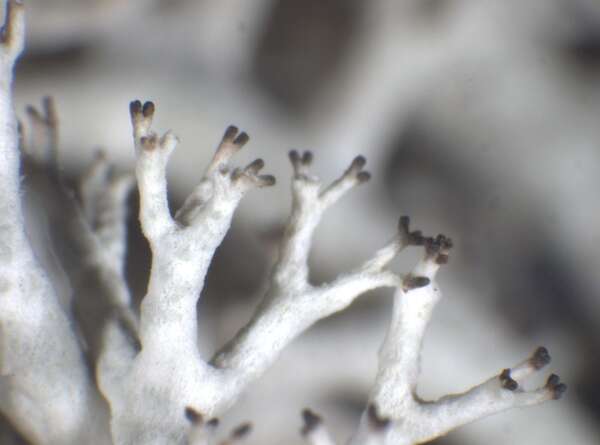
P.L. Nimis; Owner: Department of Life Sciences, University of Trieste
Herbarium: TSB (33276)
2003/02/15
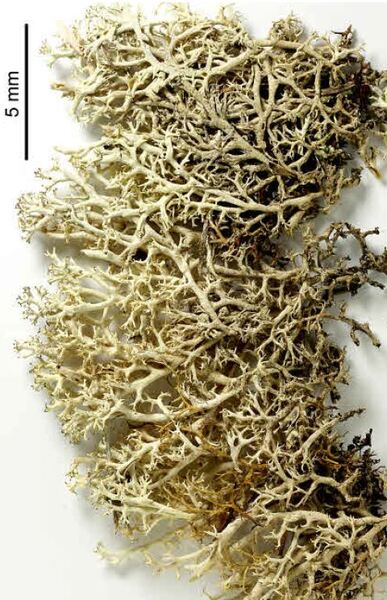
Felix Schumm – CC BY-SA 4.0
[18969], Australia, Victoria, Basalt Hill, Alpine National Park, Bogong High Plains, 20 km south-east of Mt. Beauty, 36°53' S, 147°18' E, 1650 m, growing on soil and debris in exposed alpine grasslands with basalt outcrops and southerly aspect. Leg. J.A. Elix (40372) & H. Streimann, 17.02.1994.
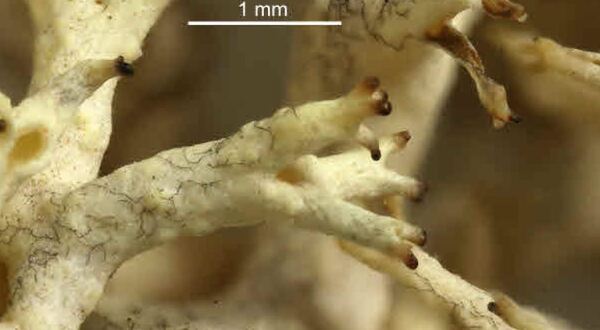
Felix Schumm – CC BY-SA 4.0
[18969], Australia, Victoria, Basalt Hill, Alpine National Park, Bogong High Plains, 20 km south-east of Mt. Beauty, 36°53' S, 147°18' E, 1650 m, growing on soil and debris in exposed alpine grasslands with basalt outcrops and southerly aspect. Leg. J.A. Elix (40372) & H. Streimann, 17.02.1994.
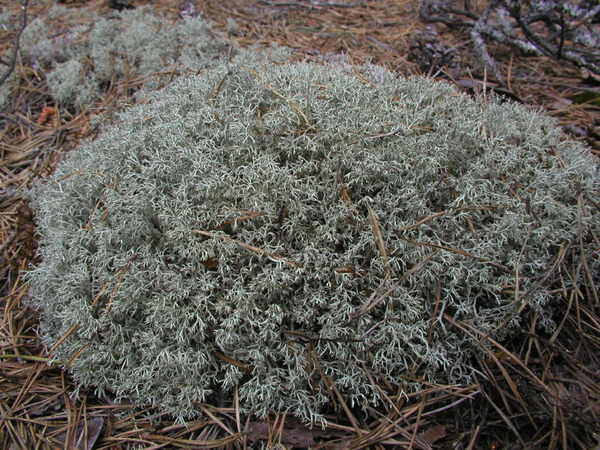
Andres Saag; Owner: University of Tartu
originally as Cladina mitis
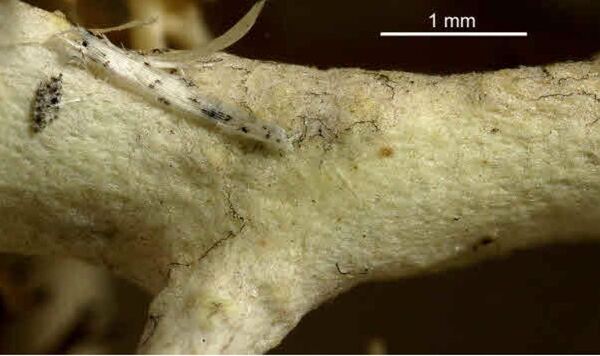
Felix Schumm – CC BY-SA 4.0
[18969], Australia, Victoria, Basalt Hill, Alpine National Park, Bogong High Plains, 20 km south-east of Mt. Beauty, 36°53' S, 147°18' E, 1650 m, growing on soil and debris in exposed alpine grasslands with basalt outcrops and southerly aspect. Leg. J.A. Elix (40372) & H. Streimann, 17.02.1994.
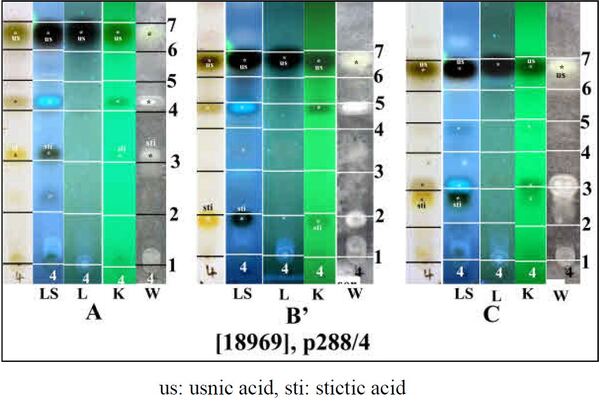
Felix Schumm – CC BY-SA 4.0
[18969], Australia, Victoria, Basalt Hill, Alpine National Park, Bogong High Plains, 20 km south-east of Mt. Beauty, 36°53' S, 147°18' E, 1650 m, growing on soil and debris in exposed alpine grasslands with basalt outcrops and southerly aspect. Leg. J.A. Elix (40372) & H. Streimann, 17.02.1994.
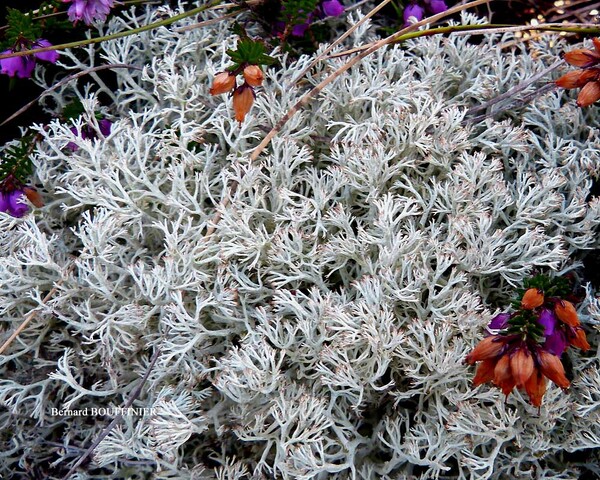
Bernard Bouffinier - Source: http://www.lichensmaritimes.org/index.php?task=fiche&lichen=433&lang=en
France, Pointe du Guern
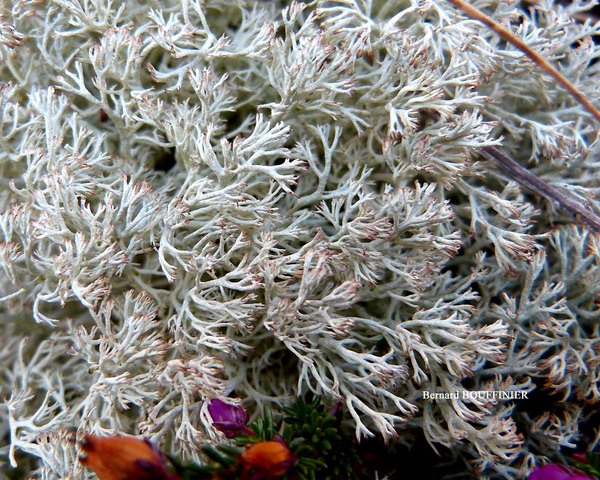
Bernard Bouffinier - Source: http://www.lichensmaritimes.org/index.php?task=fiche&lichen=433&lang=en
France, Pointe du Guern
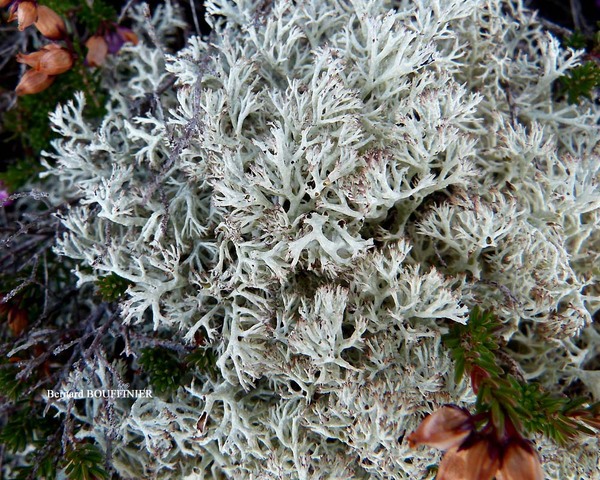
Bernard Bouffinier - Source: http://www.lichensmaritimes.org/index.php?task=fiche&lichen=433&lang=en
France, Pointe du Guern
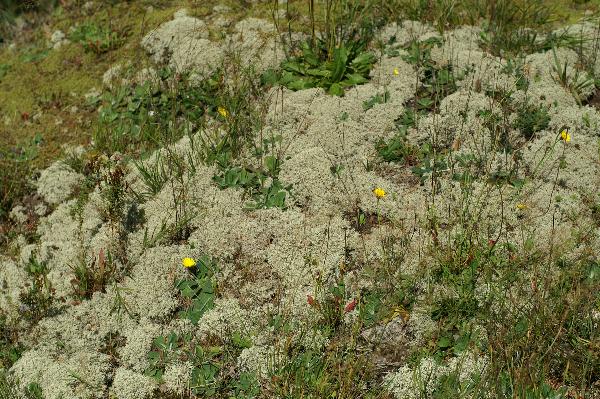
Wolfgang von Brackel - CC BY-4.0
Germany, Bavaria, Flossenbürg
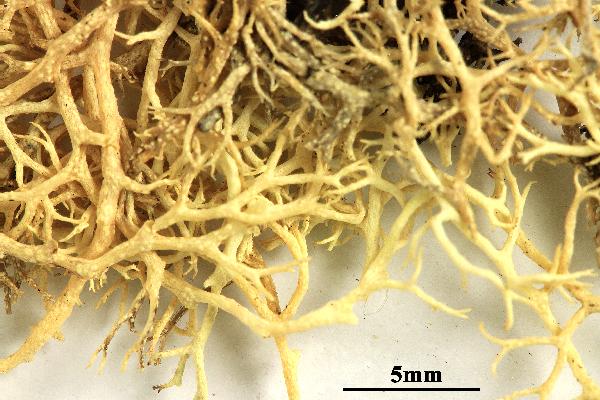
Felix Schumm - CC BY 4.0
[VZ2067], Australia, Tasmania. In montibus ad meridiem versus a Mt.
Curly, 800 m. Ad turfam in regione subalpina. Leg. G. Kantvilas (no.
79/85) et J. Jarman, 2.11.1985. EX A. VEZDA LICHENES SELECTI EXSICCATI
NR. 2067.
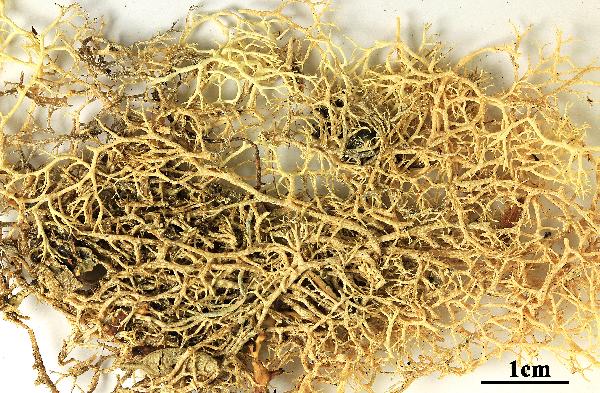
Felix Schumm - CC BY 4.0
[VZ2067], Australia, Tasmania. In montibus ad meridiem versus a Mt.
Curly, 800 m. Ad turfam in regione subalpina. Leg. G. Kantvilas (no.
79/85) et J. Jarman, 2.11.1985. EX A. VEZDA LICHENES SELECTI EXSICCATI
NR. 2067.
Growth form: Fruticose
Substrata: soil, terricolous mosses, and plant debris
Photobiont: green algae other than Trentepohlia
Reproductive strategy: mainly asexual, by thallus fragmentation
Commonnes-rarity: (info)
Alpine belt: rather rare
Subalpine belt: rather common
Montane belt: absent
Dry submediterranean belt: absent
Humid submediterranean belt: absent
Padanian area: absent
pH of the substrata:
| 1 | 2 | 3 | 4 | 5 |
Solar irradiation:
| 1 | 2 | 3 | 4 | 5 |
Aridity:
| 1 | 2 | 3 | 4 | 5 |
Eutrophication:
| 1 | 2 | 3 | 4 | 5 |
Poleotolerance:
| 0 | 1 | 2 | 3 |
Altitudinal distribution:
| 1 | 2 | 3 | 4 | 5 | 6 |
Rarity
absent
extremely rare
very rare
rare
rather rare
rather common
common
very common
extremely common
Loading data...
Occurrence data
Predictive map
Current prediction (1981-2010)Future prediction (2071-2100) SSP 1-2.6Future prediction (2071-2100) SSP 5-8.5Predictive maps according to Francesconi et al. 2025
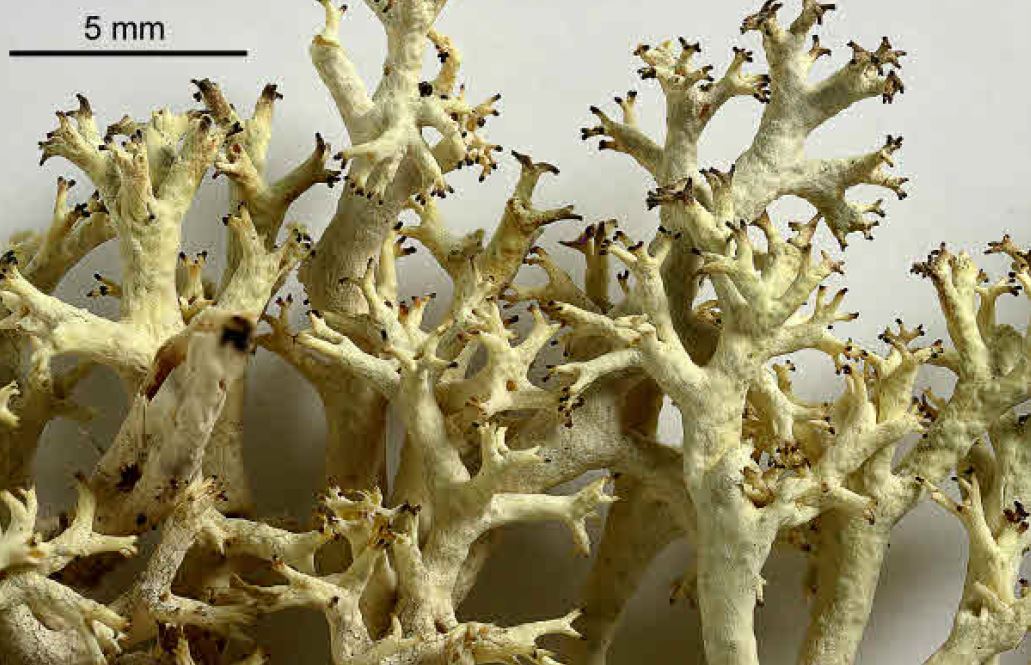
Felix Schumm – CC BY-SA 4.0
[18969], Australia, Victoria, Basalt Hill, Alpine National Park, Bogong High Plains, 20 km south-east of Mt. Beauty, 36°53' S, 147°18' E, 1650 m, growing on soil and debris in exposed alpine grasslands with basalt outcrops and southerly aspect. Leg. J.A. Elix (40372) & H. Streimann, 17.02.1994.
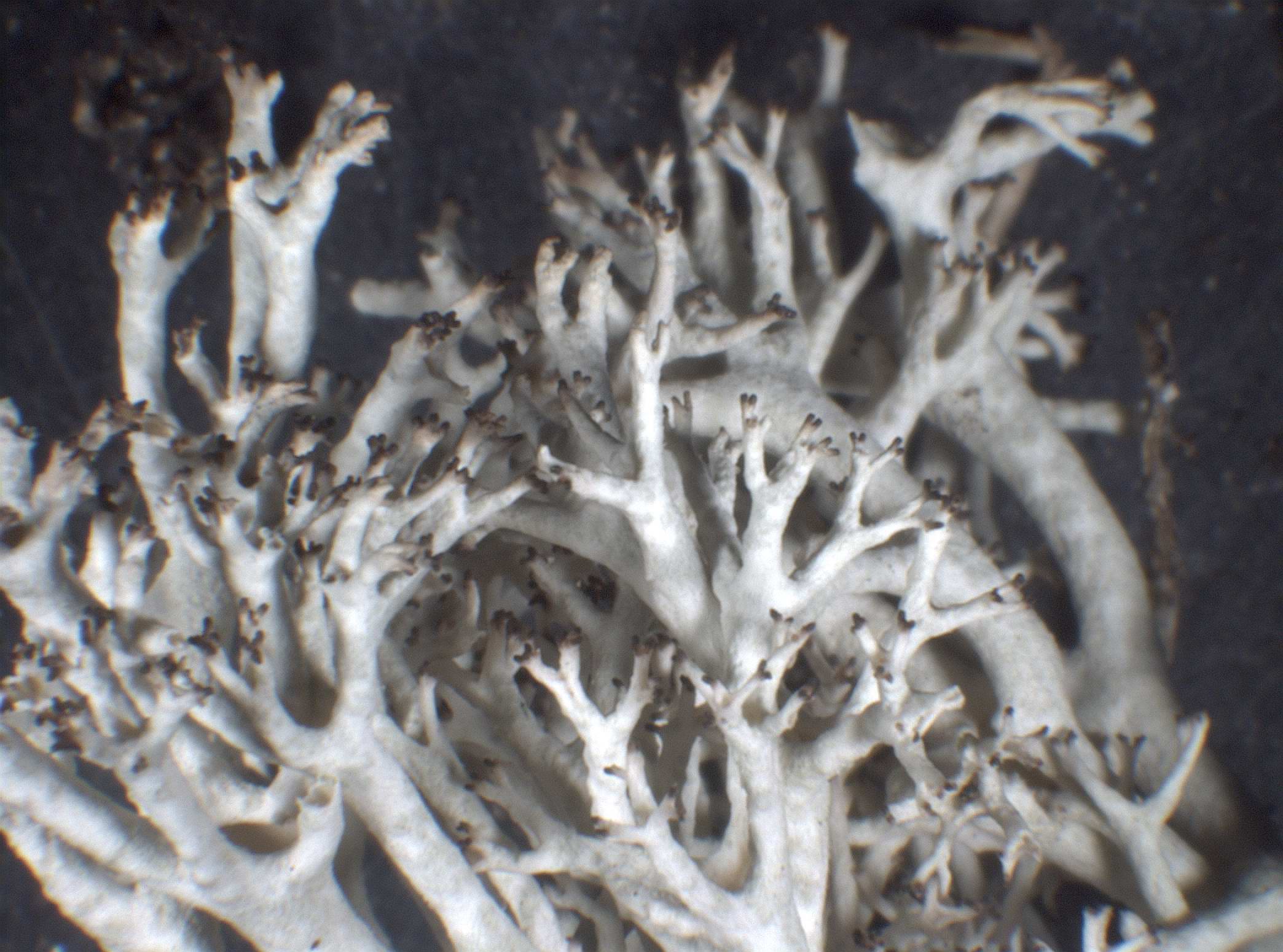
P.L. Nimis; Owner: Department of Life Sciences, University of Trieste
Herbarium: TSB (33276)
2003/02/15

P.L. Nimis; Owner: Department of Life Sciences, University of Trieste
Herbarium: TSB (33276)
2003/02/15
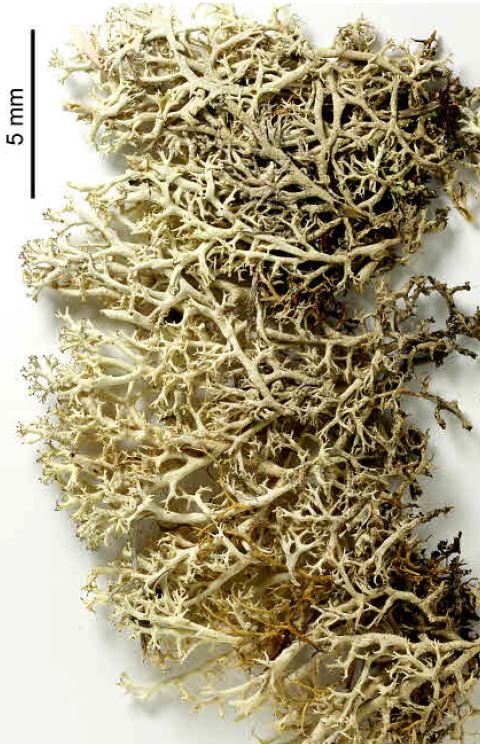
Felix Schumm – CC BY-SA 4.0
[18969], Australia, Victoria, Basalt Hill, Alpine National Park, Bogong High Plains, 20 km south-east of Mt. Beauty, 36°53' S, 147°18' E, 1650 m, growing on soil and debris in exposed alpine grasslands with basalt outcrops and southerly aspect. Leg. J.A. Elix (40372) & H. Streimann, 17.02.1994.
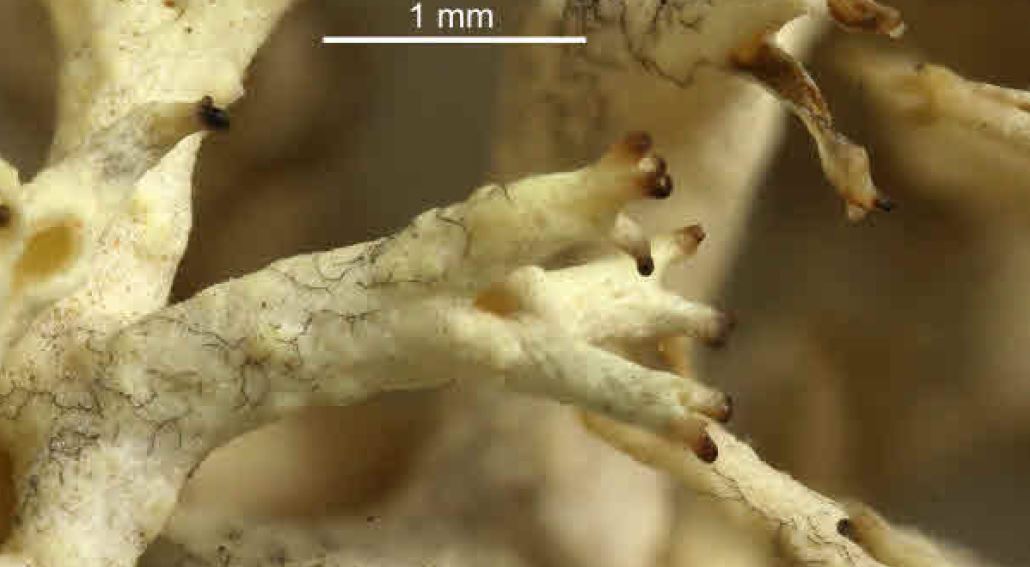
Felix Schumm – CC BY-SA 4.0
[18969], Australia, Victoria, Basalt Hill, Alpine National Park, Bogong High Plains, 20 km south-east of Mt. Beauty, 36°53' S, 147°18' E, 1650 m, growing on soil and debris in exposed alpine grasslands with basalt outcrops and southerly aspect. Leg. J.A. Elix (40372) & H. Streimann, 17.02.1994.
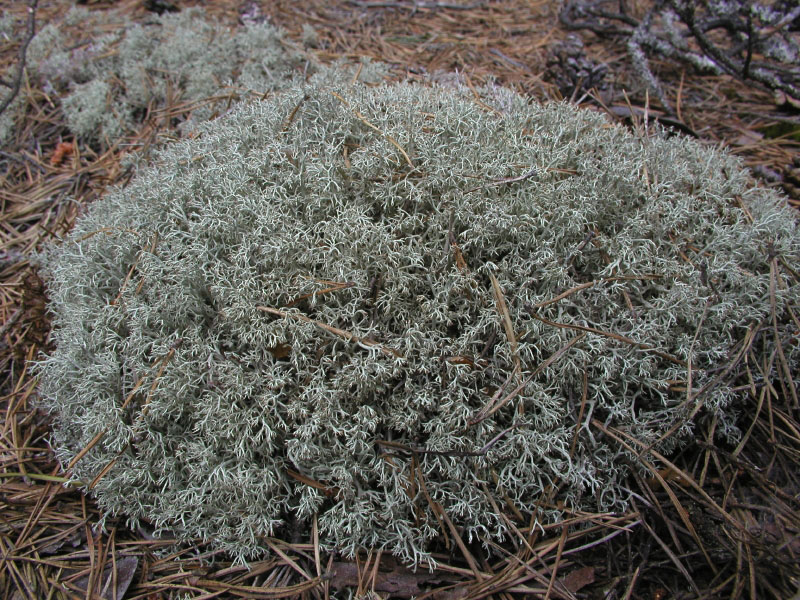
Andres Saag; Owner: University of Tartu
originally as Cladina mitis
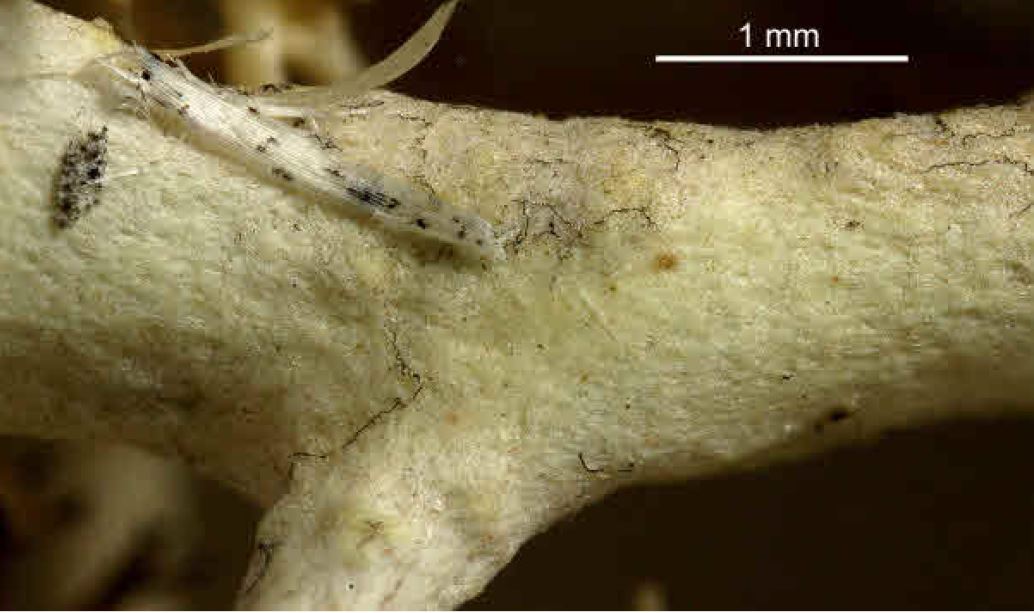
Felix Schumm – CC BY-SA 4.0
[18969], Australia, Victoria, Basalt Hill, Alpine National Park, Bogong High Plains, 20 km south-east of Mt. Beauty, 36°53' S, 147°18' E, 1650 m, growing on soil and debris in exposed alpine grasslands with basalt outcrops and southerly aspect. Leg. J.A. Elix (40372) & H. Streimann, 17.02.1994.
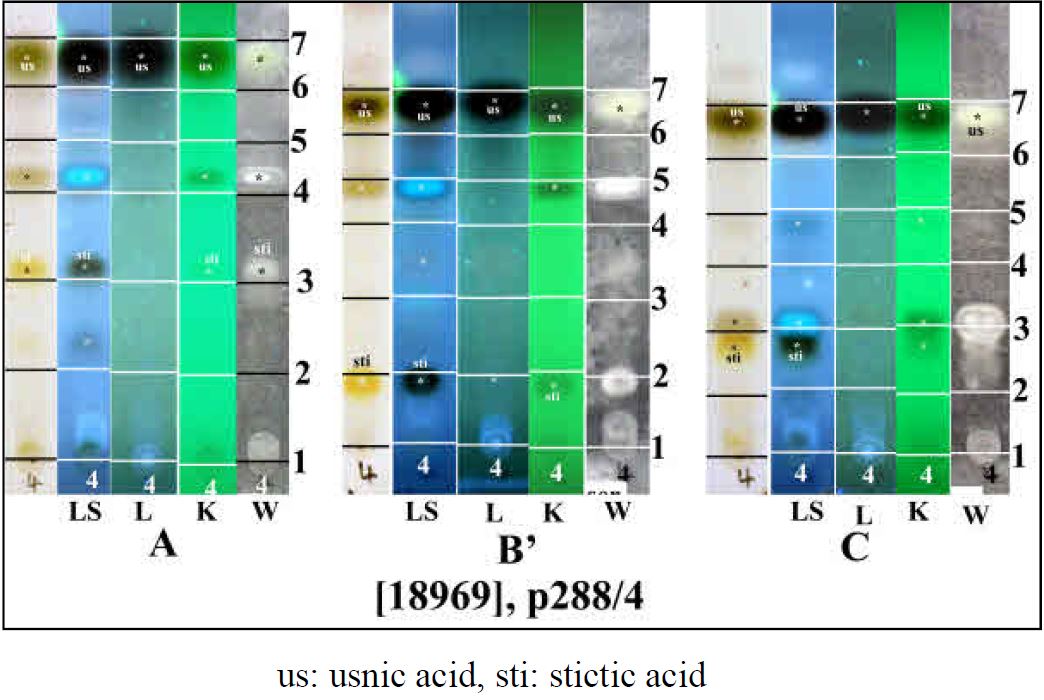
Felix Schumm – CC BY-SA 4.0
[18969], Australia, Victoria, Basalt Hill, Alpine National Park, Bogong High Plains, 20 km south-east of Mt. Beauty, 36°53' S, 147°18' E, 1650 m, growing on soil and debris in exposed alpine grasslands with basalt outcrops and southerly aspect. Leg. J.A. Elix (40372) & H. Streimann, 17.02.1994.
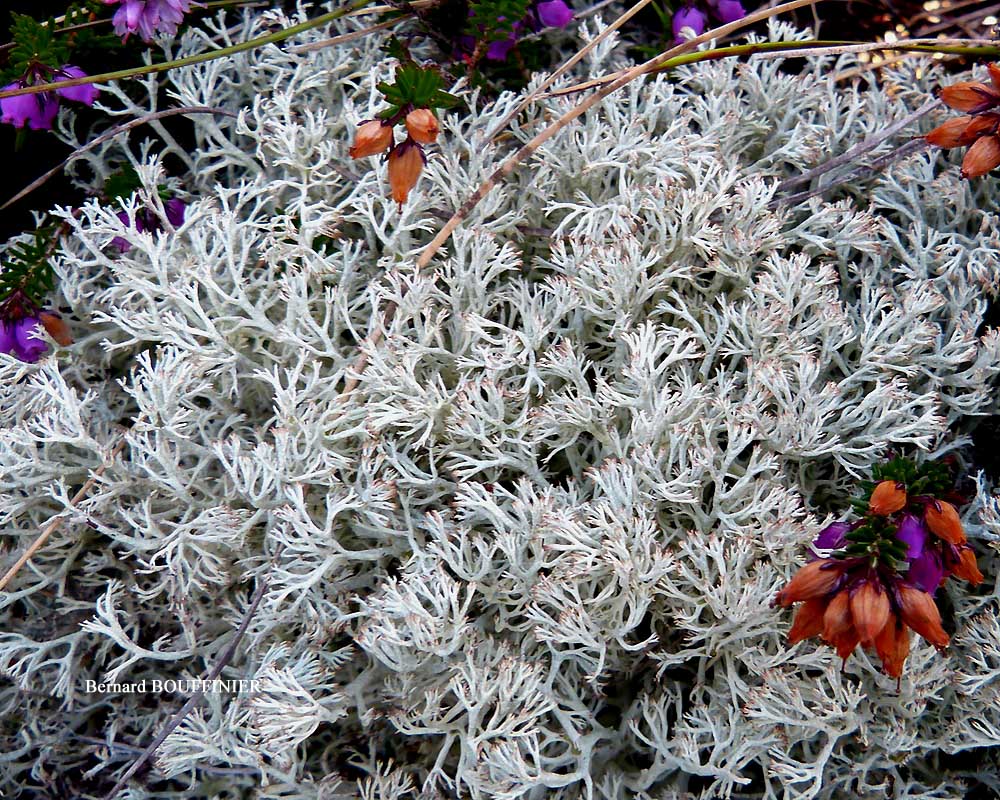
Bernard Bouffinier - Source: http://www.lichensmaritimes.org/index.php?task=fiche&lichen=433&lang=en
France, Pointe du Guern
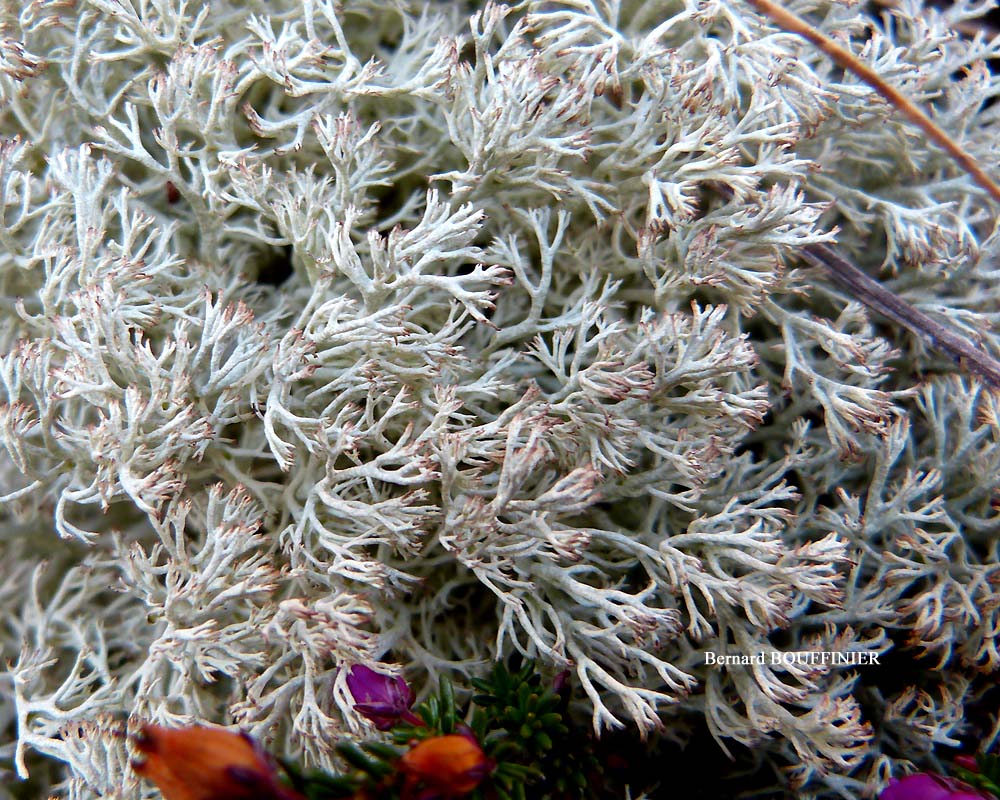
Bernard Bouffinier - Source: http://www.lichensmaritimes.org/index.php?task=fiche&lichen=433&lang=en
France, Pointe du Guern
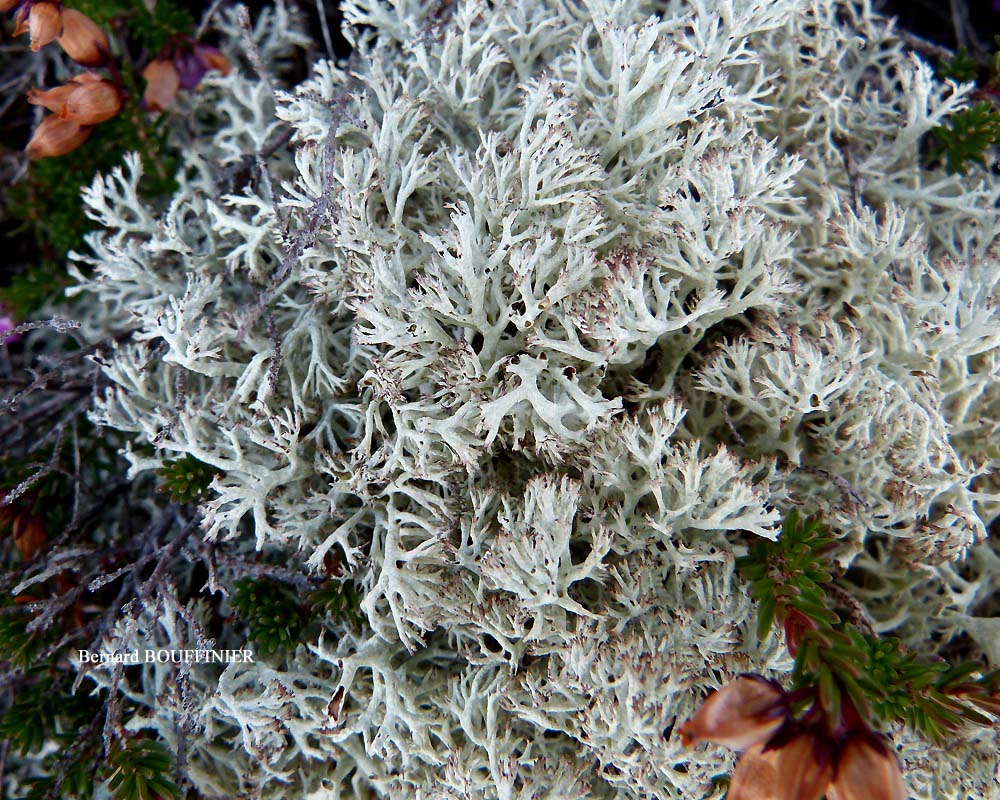
Bernard Bouffinier - Source: http://www.lichensmaritimes.org/index.php?task=fiche&lichen=433&lang=en
France, Pointe du Guern

Wolfgang von Brackel - CC BY-4.0
Germany, Bavaria, Flossenbürg

Felix Schumm - CC BY 4.0
[VZ2067], Australia, Tasmania. In montibus ad meridiem versus a Mt. Curly, 800 m. Ad turfam in regione subalpina. Leg. G. Kantvilas (no. 79/85) et J. Jarman, 2.11.1985. EX A. VEZDA LICHENES SELECTI EXSICCATI NR. 2067.