Cladonia phyllophora Hoffm.
Deutschl. Fl., 2: 123, 1796.
Synonyms: Cladonia degenerans (Flörke) Spreng.; Cladonia lepidota Nyl. non auct.
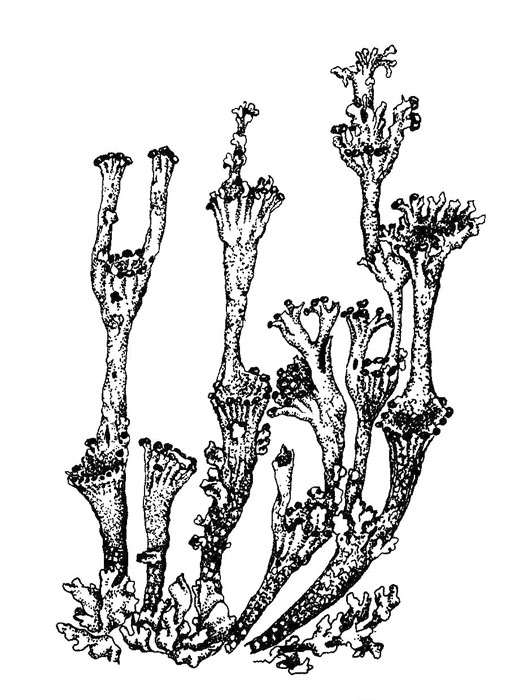
Description: Primary thallus squamulose, persistent or usually disappearing, the squamules small to middle-sized, 2-5 mm long (rarely more), up to 4 mm broad (usually less), more or less round, crenate to incised, ascending, glaucescent above, white beneath. Podetia to 5(-8) cm tall (usually much less) and up to 4 mm thick, hollow inside, with irregular, 1-3 mm wide, usually closed cups which often proliferate marginally, the margins often squamulose, grey, brownish grey or dark brown in exposed situations, the base strongly melanotic also in the medulla (in upper basal parts black interspaces are visible between the cortical areoles), with a subarachnoid surface (the part between corticate areolae is ecorticate and subtomentose), variously squamulose. Apothecia rather rare, brown, convex, on the tips of the proliferations. Asci 8-spored, clavate, thickened at apex, with a K/I+ blue tholus and a K/I+ strongly blue outer gelatinous sheath, Cladonia-type. Ascospores 1-celled, hyaline, ellipsoid. Pycnidia dark brown, semi-immersed on the margins of cups or on the proliferations, with a colourless jelly. Conidia hyaline, curved. Photobiont chlorococcoid. Spot tests: K- or K+ yellowish slowly turning brown, C-, KC-, P+ red, UV-. Chemistry: fumarprotocetraric acid complex, rarely zeorin and traces of an unknown compound.
Growth form: Fruticose
Substrata: soil, terricolous mosses, and plant debris
Photobiont: green algae other than Trentepohlia
Reproductive strategy: mainly sexual
Commonnes-rarity: (info)
Alpine belt: extremely rare
Subalpine belt: rare
Montane belt: rare
Dry submediterranean belt: extremely rare
Humid submediterranean belt: extremely rare
Padanian area: absent
pH of the substrata:
1 2 3 4 5

Solar irradiation:
1 2 3 4 5
Aridity:
1 2 3 4 5
Eutrophication:
1 2 3 4 5
Poleotolerance:
0 1 2 3
Altitudinal distribution:
1 2 3 4 5 6
Rarity
absent
extremely rare
very rare
rare
rather rare
rather common
common
very common
extremely common
Loading data...
Occurrence data
Predictive map
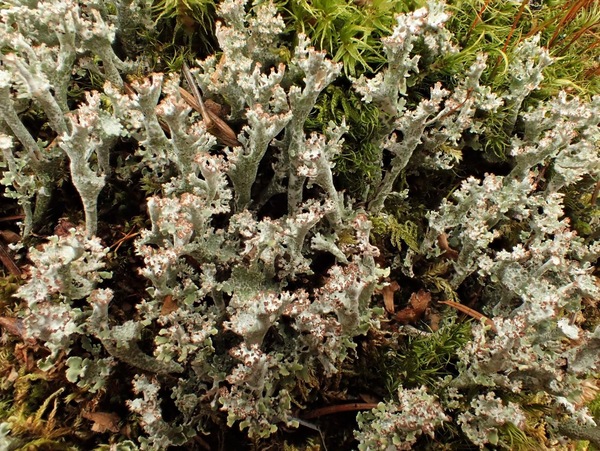
Curtis Randall Björk
N America
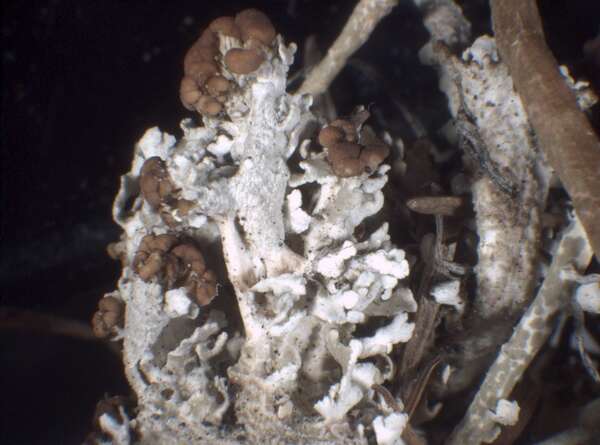
P.L. Nimis; Owner: Department of Life Sciences, University of Trieste
Herbarium: TSB (20592)
2003/02/15

Annelle Burghause – Source: https://www.flickr.com/photos/aburgh/27280434446 CC BY-SA-NC 2.0
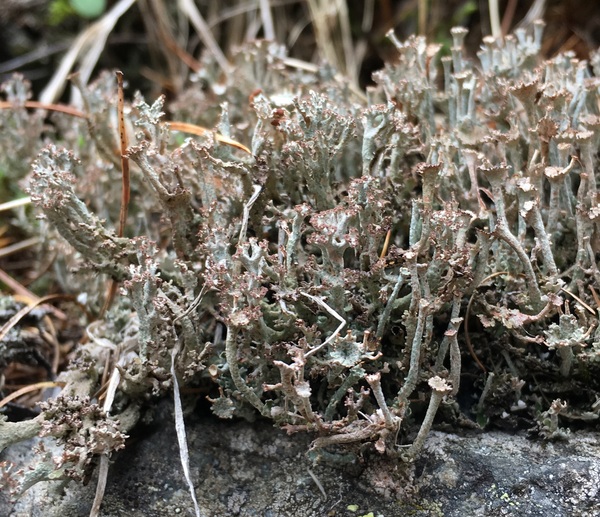
Gabriele Gheza - https://lichenidilombardia.home.blog
Italy, Lombardia, Sondrio, Valdidentro, 1750 m
08/2017
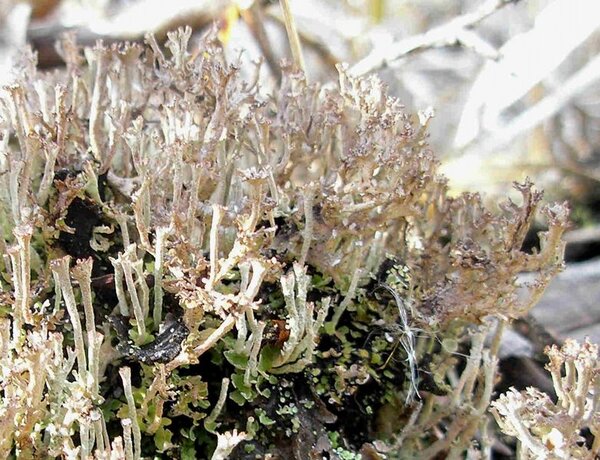
Curtis Randall Björk – CC BY-SA 4.0
British Columbia, Clearwater Valley Date: 2010-11-01 On tussock in fen
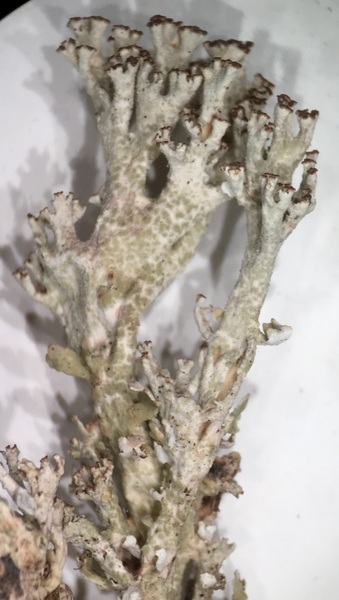
Gabriele Gheza - https://lichenidilombardia.home.blog
Italy, Lombardia, Sondrio, Valdidentro, 1750 m
08/2017
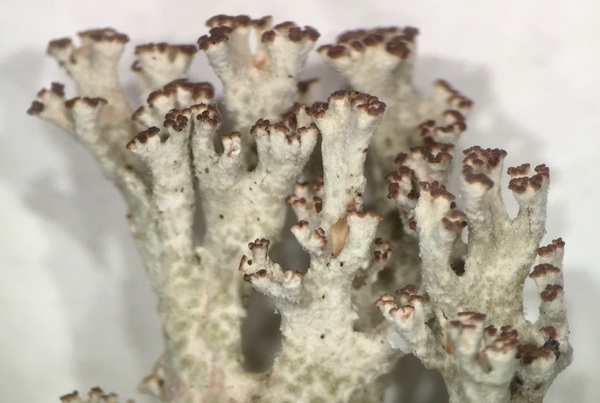
Gabriele Gheza - https://lichenidilombardia.home.blog
Italy, Lombardia, Sondrio, Valdidentro, 1750 m
08/2017
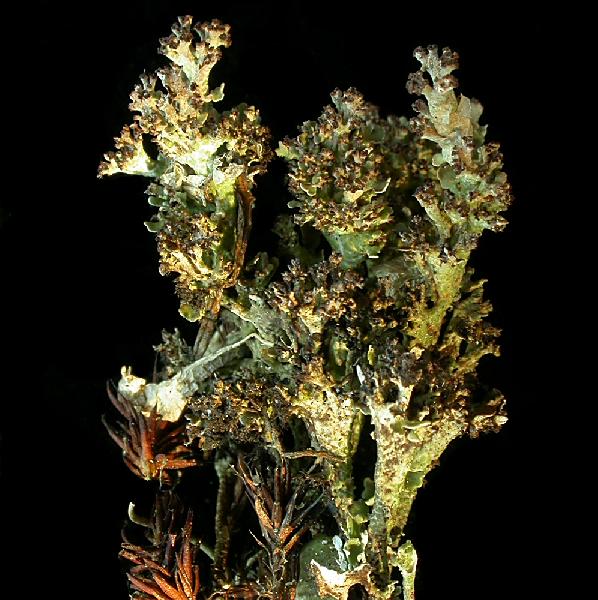
Ulrich Kirschbaum CC BY-SA 4.0 - Source: https://www.thm.de/lse/ulrich-kirschbaum/flechtenbilder
Central Europe; Germany: Hesse. (Coll/ident: Eichler/Cezanne).
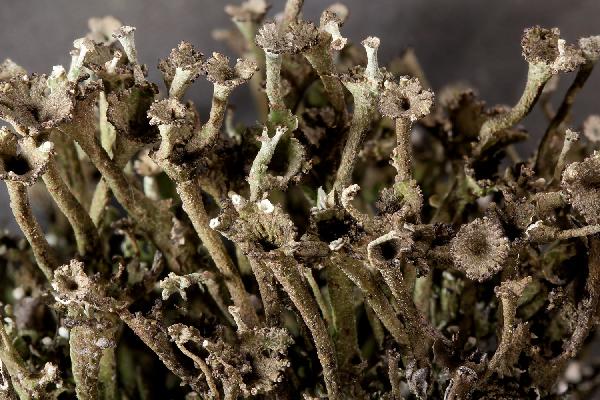
Ulrich Kirschbaum CC BY-SA 4.0 - Source: https://www.thm.de/lse/ulrich-kirschbaum/flechtenbilder
On poor, acid soils in a Pinus forest. Central Europe; Germany; Brandenburg: Niederlausitz. (Ident: H. Sipman).
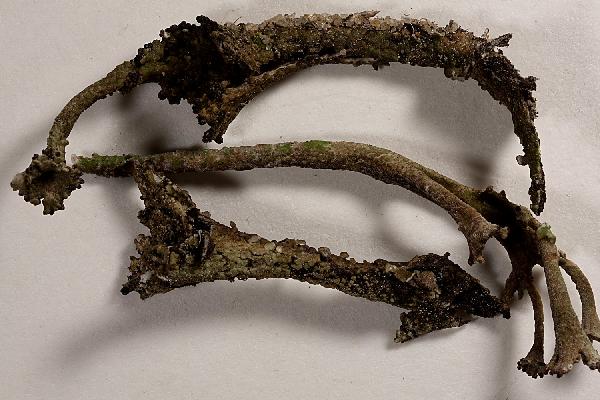
Ulrich Kirschbaum CC BY-SA 4.0 - Source: https://www.thm.de/lse/ulrich-kirschbaum/flechtenbilder
On poor, acid soils in a Pinus forest. Central Europe; Germany; Brandenburg: Niederlausitz. (Ident: H. Sipman).
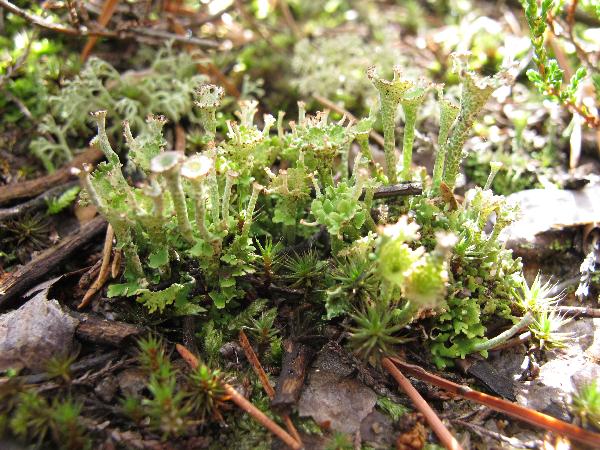
Wolfgang von Brackel - CC BY-4.0
Germany, Bavaria, Weißenbrunn
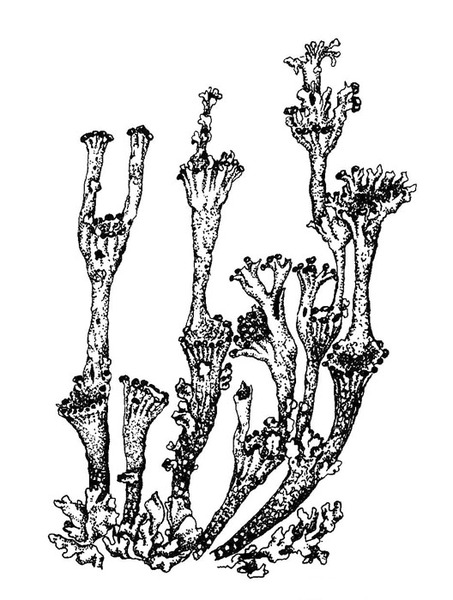
Triin Aimla; Owner: University of Tartu
Growth form: Fruticose
Substrata: soil, terricolous mosses, and plant debris
Photobiont: green algae other than Trentepohlia
Reproductive strategy: mainly sexual
Commonnes-rarity: (info)
Alpine belt: extremely rare
Subalpine belt: rare
Montane belt: rare
Dry submediterranean belt: extremely rare
Humid submediterranean belt: extremely rare
Padanian area: absent
pH of the substrata:
| 1 | 2 | 3 | 4 | 5 |
Solar irradiation:
| 1 | 2 | 3 | 4 | 5 |
Aridity:
| 1 | 2 | 3 | 4 | 5 |
Eutrophication:
| 1 | 2 | 3 | 4 | 5 |
Poleotolerance:
| 0 | 1 | 2 | 3 |
Altitudinal distribution:
| 1 | 2 | 3 | 4 | 5 | 6 |
Rarity
absent
extremely rare
very rare
rare
rather rare
rather common
common
very common
extremely common
Loading data...
Occurrence data
Predictive map
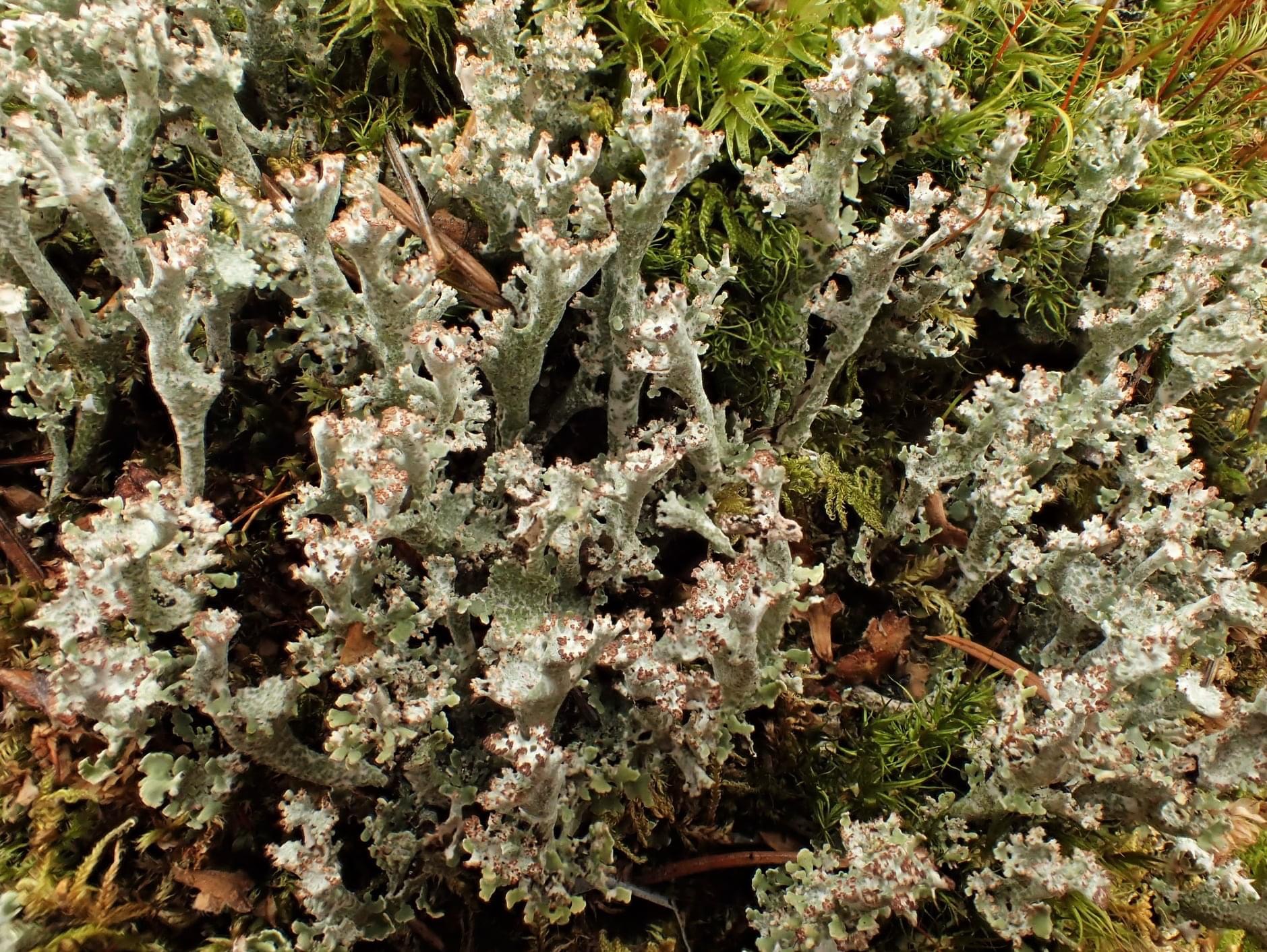
Curtis Randall Björk
N America
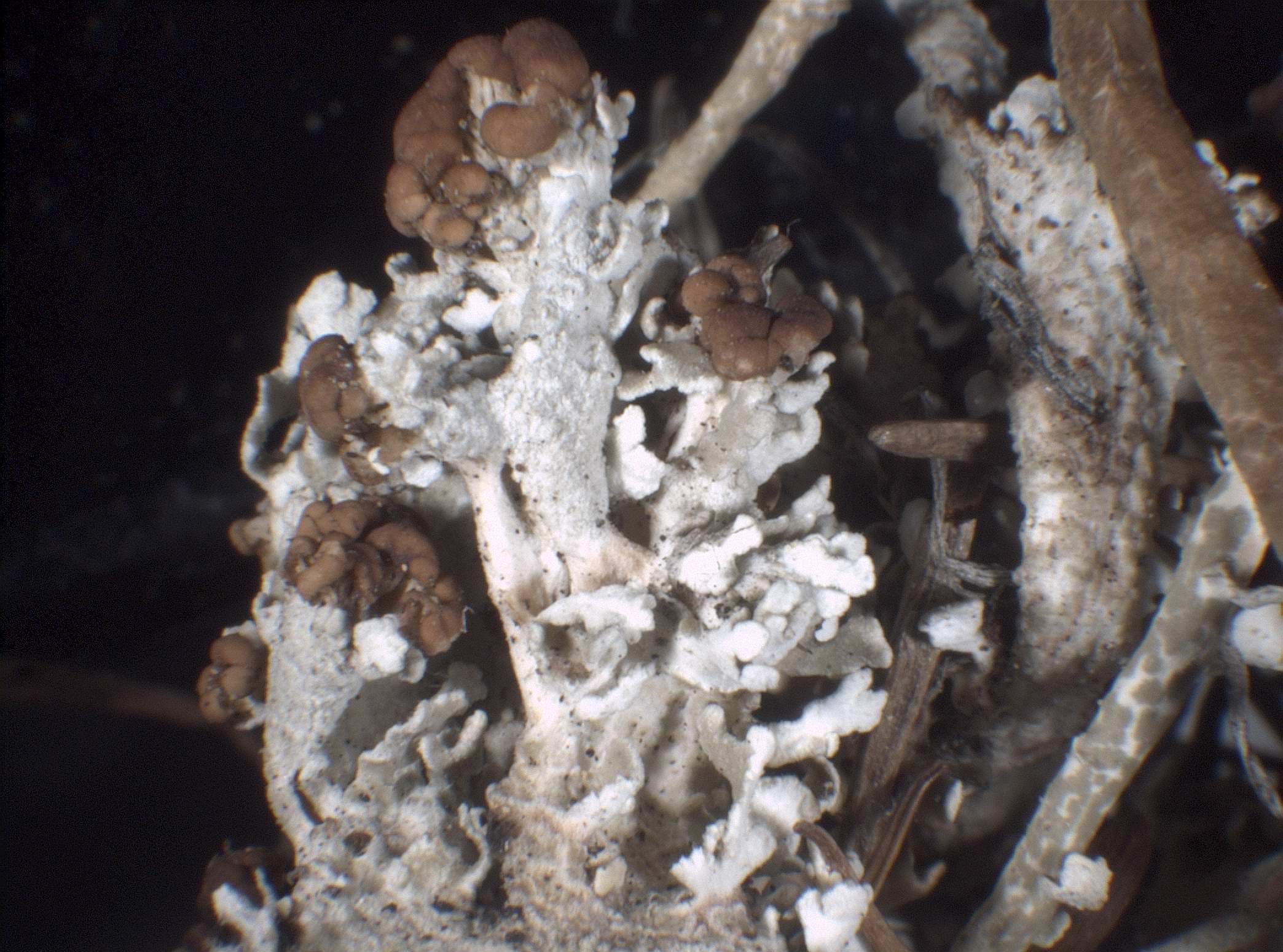
P.L. Nimis; Owner: Department of Life Sciences, University of Trieste
Herbarium: TSB (20592)
2003/02/15
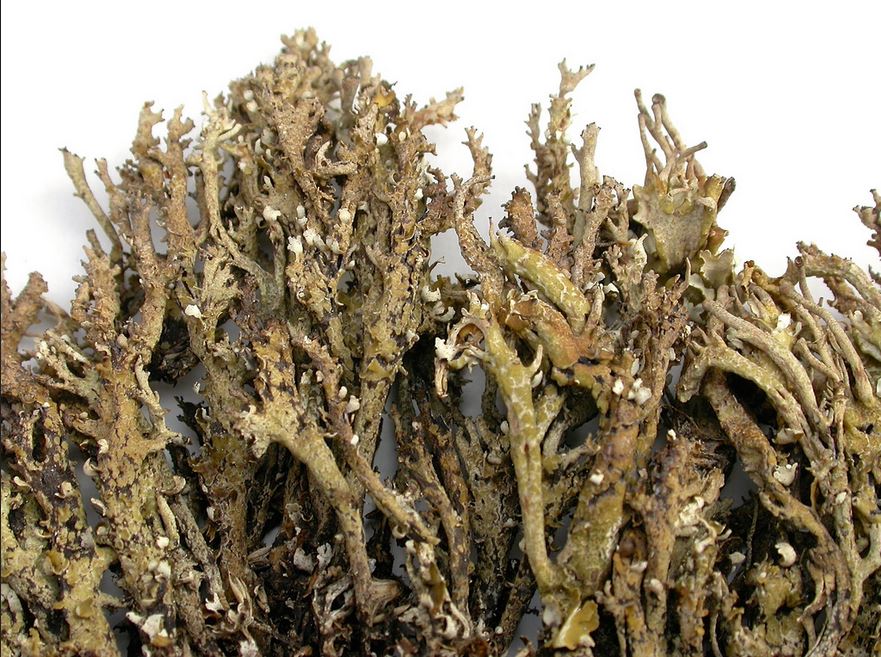
Annelle Burghause – Source: https://www.flickr.com/photos/aburgh/27280434446 CC BY-SA-NC 2.0
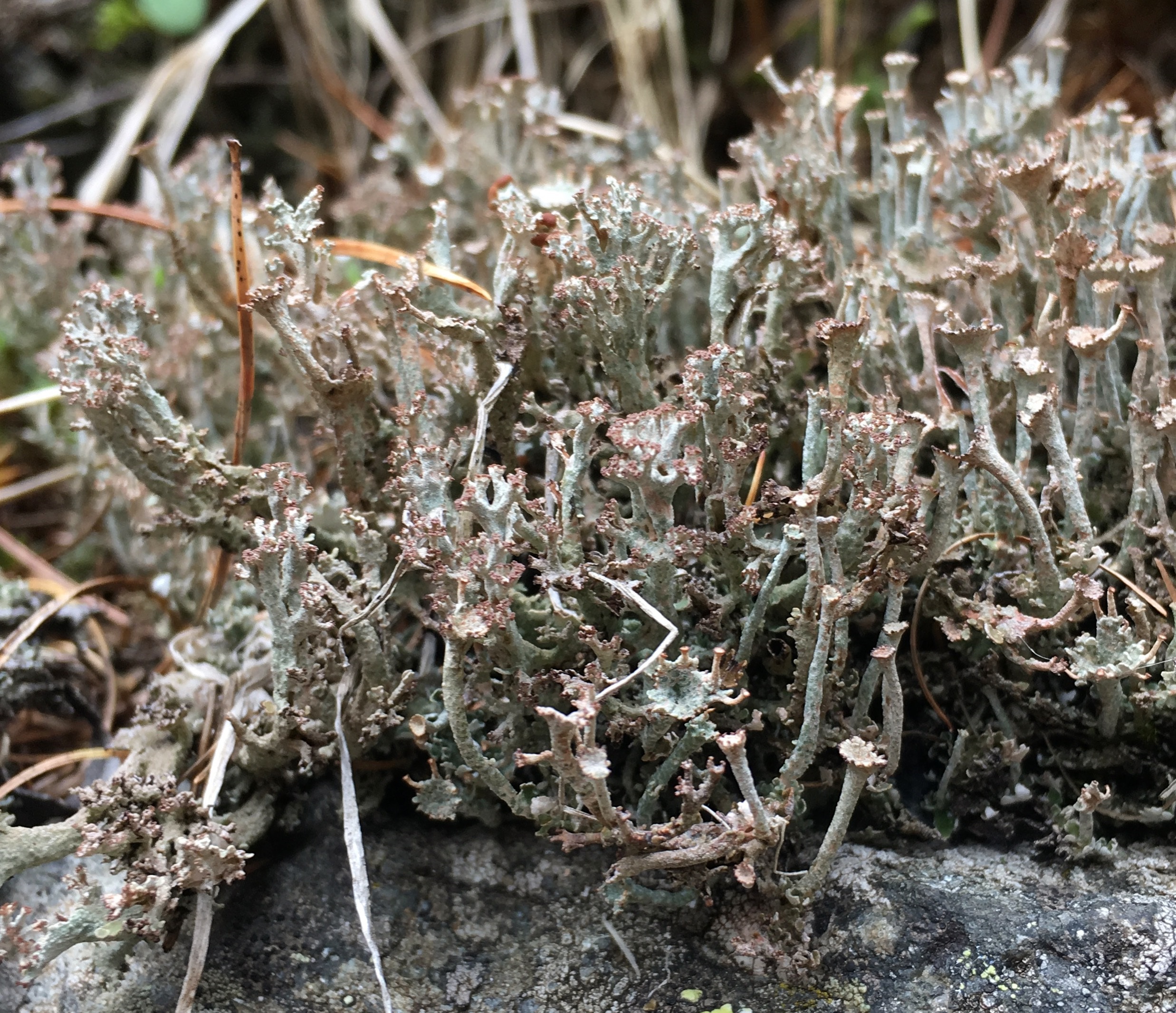
Gabriele Gheza - https://lichenidilombardia.home.blog
Italy, Lombardia, Sondrio, Valdidentro, 1750 m
08/2017
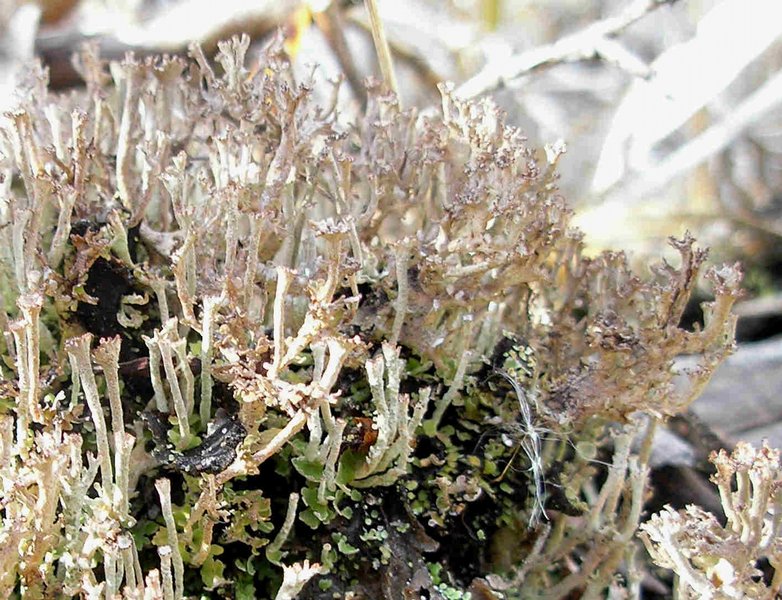
Curtis Randall Björk – CC BY-SA 4.0
British Columbia, Clearwater Valley Date: 2010-11-01 On tussock in fen
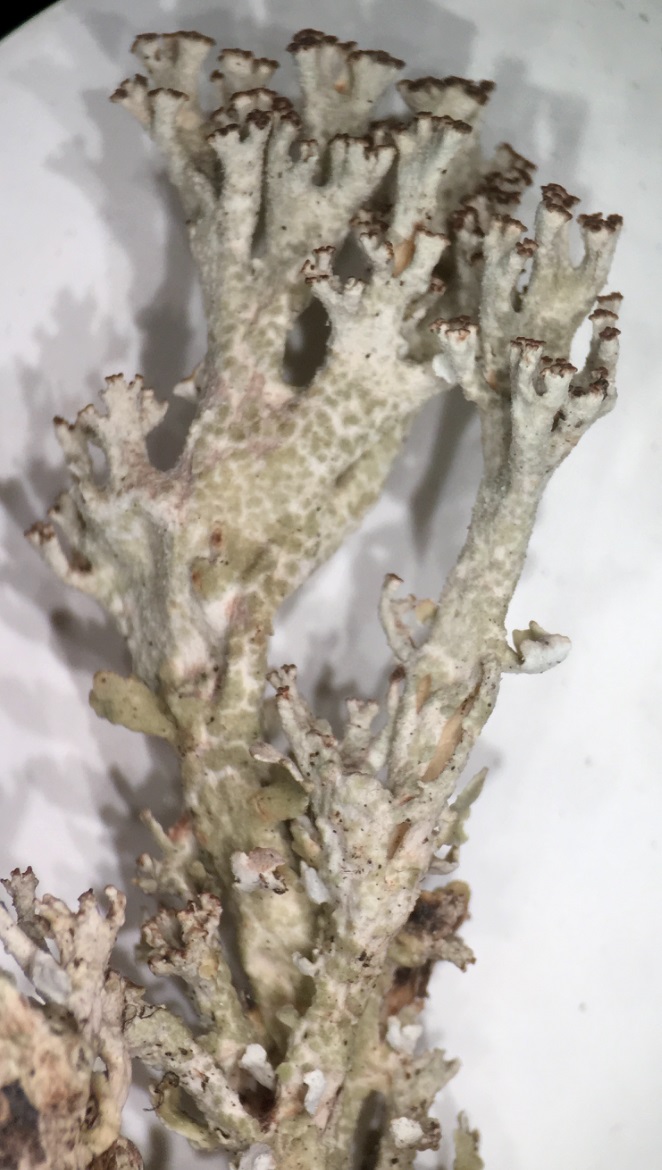
Gabriele Gheza - https://lichenidilombardia.home.blog
Italy, Lombardia, Sondrio, Valdidentro, 1750 m
08/2017
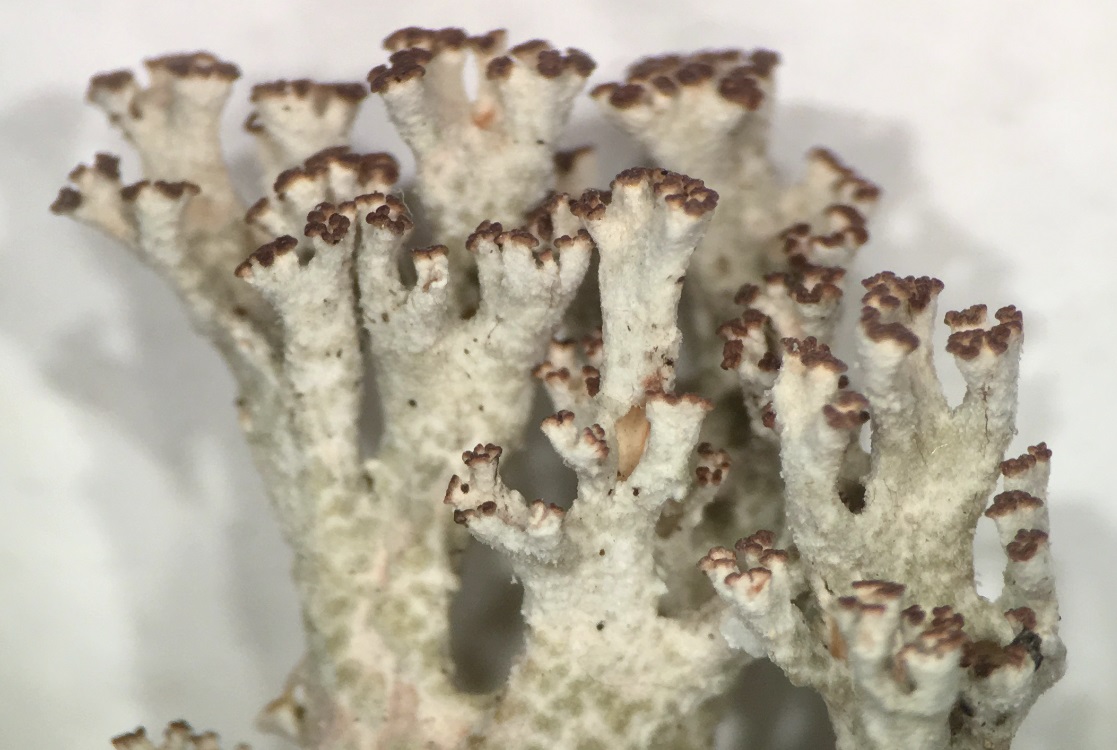
Gabriele Gheza - https://lichenidilombardia.home.blog
Italy, Lombardia, Sondrio, Valdidentro, 1750 m
08/2017

Ulrich Kirschbaum CC BY-SA 4.0 - Source: https://www.thm.de/lse/ulrich-kirschbaum/flechtenbilder
Central Europe; Germany: Hesse. (Coll/ident: Eichler/Cezanne).

Ulrich Kirschbaum CC BY-SA 4.0 - Source: https://www.thm.de/lse/ulrich-kirschbaum/flechtenbilder
On poor, acid soils in a Pinus forest. Central Europe; Germany; Brandenburg: Niederlausitz. (Ident: H. Sipman).

Ulrich Kirschbaum CC BY-SA 4.0 - Source: https://www.thm.de/lse/ulrich-kirschbaum/flechtenbilder
On poor, acid soils in a Pinus forest. Central Europe; Germany; Brandenburg: Niederlausitz. (Ident: H. Sipman).

Wolfgang von Brackel - CC BY-4.0
Germany, Bavaria, Weißenbrunn