Cladonia pyxidata (L.) Hoffm. f. pyxidata
Deutschl. Fl., 2: 121, 1796. Basionym: Lichen pyxidatus L. - Sp. Pl., 2: 1151, 1753.
Synonyms: Cladonia chlorophaea auct. p.p.; Cladonia monomorpha Aptroot, Sipman & Herk; Cladonia neglecta (Flörke) Spreng.; Cladonia pyxidata (L.) Hoffm.
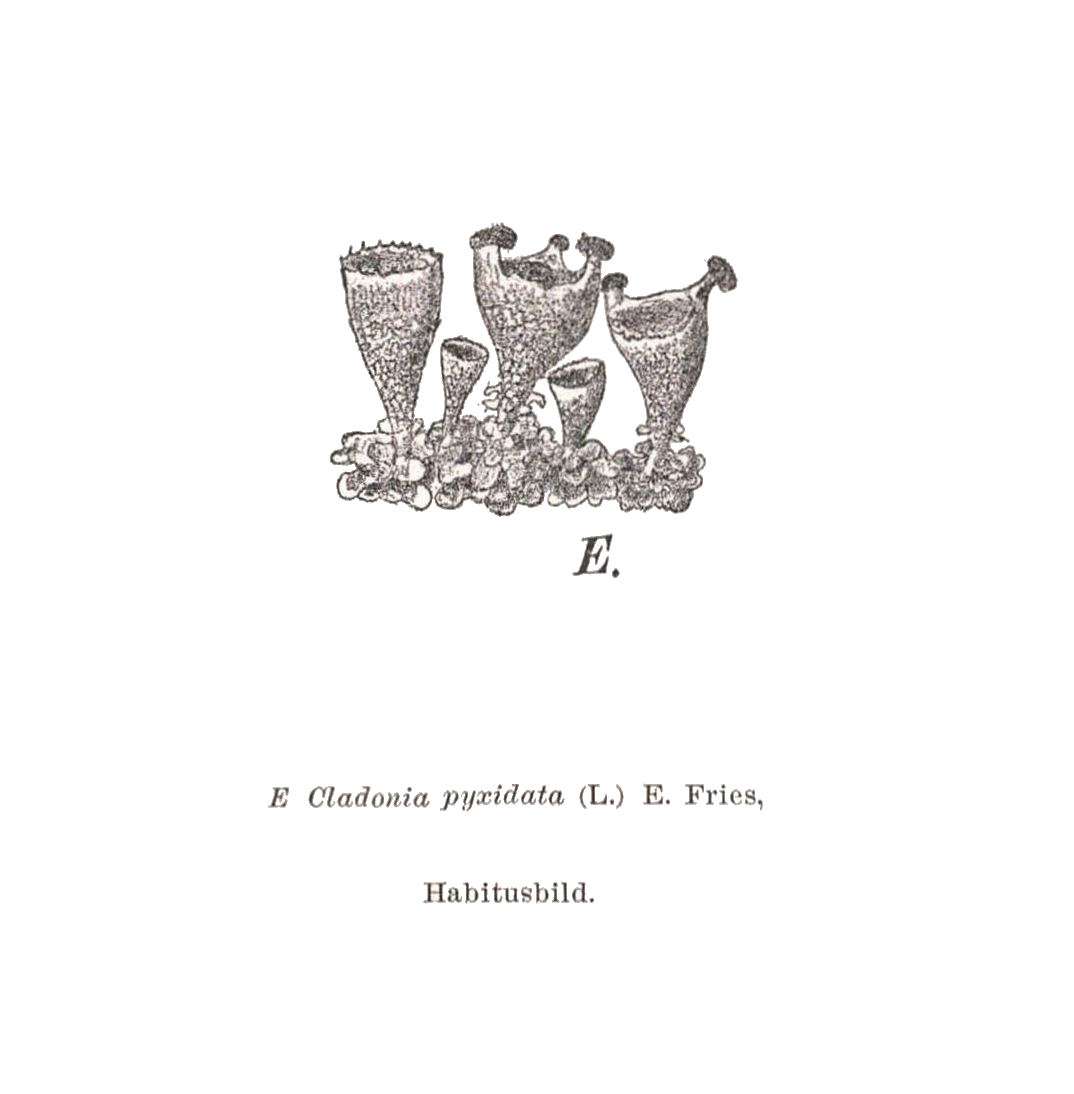
Description: Primary thallus squamulose, persistent, the squamules middle-sized, 2-7 mm long (rarely more) and up to 4 mm wide (usually less), thin (less than 0.4 mm thick), irregularly lobed or incised, the tips rounded, mostly ascending, never forming a subrosulate crust, greenish grey above, white beneath. Podetia goblet-shaped, hollow inside, greenish grey, esquamulose, 0.5-3(-5) cm tall, with broad cups gradually tapering into short stalks, the cups regular or proliferating from margin, with contiguous to scattered, corticate granules or peltate squamules (schizidia), especially inside the cups. Apothecia frequent, brown, convex. Asci 8-spored, clavate, thickened at apex, with a K/I+ blue tholus and a K/I+ strongly blue outer gelatinous sheath, Cladonia-type. Ascospores 1-celled, hyaline, ellipsoid. Pycnidia dark, semi-immersed on the margins of cups, with a colourless jelly. Conidia hyaline, curved. Photobiont chlorococcoid. Spot tests and chemistry: four chemotypes are known from Europe (all of them C-, KC-, UV-): K- or K+ yellowish slowly turning brown, P+ red (fumarprotocetraric acid complex, often with additional physodalic acid). 2) K+ yellow, P+ red (atranorin and fumarprotocetraric acid complex). 3) K- or K+ yellowish slowly turning brown, P+ red (fumarprotocetraric acid complex and psoromic acid), 4) K+ yellow, P+ red (atranorin, fumarprotocetraric and psoromic acids). Chemotype 1) is the most frequent.
Growth form: Fruticose
Photobiont: green algae other than Trentepohlia
Reproductive strategy: mainly sexual
Commonnes-rarity: (info)
Alpine belt: rather common
Subalpine belt: extremely common
Montane belt: extremely common
Dry submediterranean belt: extremely common
Humid submediterranean belt: extremely common
Padanian area: rather rare
pH of the substrata:
1 2 3 4 5

Solar irradiation:
1 2 3 4 5
Aridity:
1 2 3 4 5
Eutrophication:
1 2 3 4 5
Poleotolerance:
0 1 2 3
Altitudinal distribution:
1 2 3 4 5 6
Rarity
absent
extremely rare
very rare
rare
rather rare
rather common
common
very common
extremely common
Loading data...
Occurrence data
Predictive map
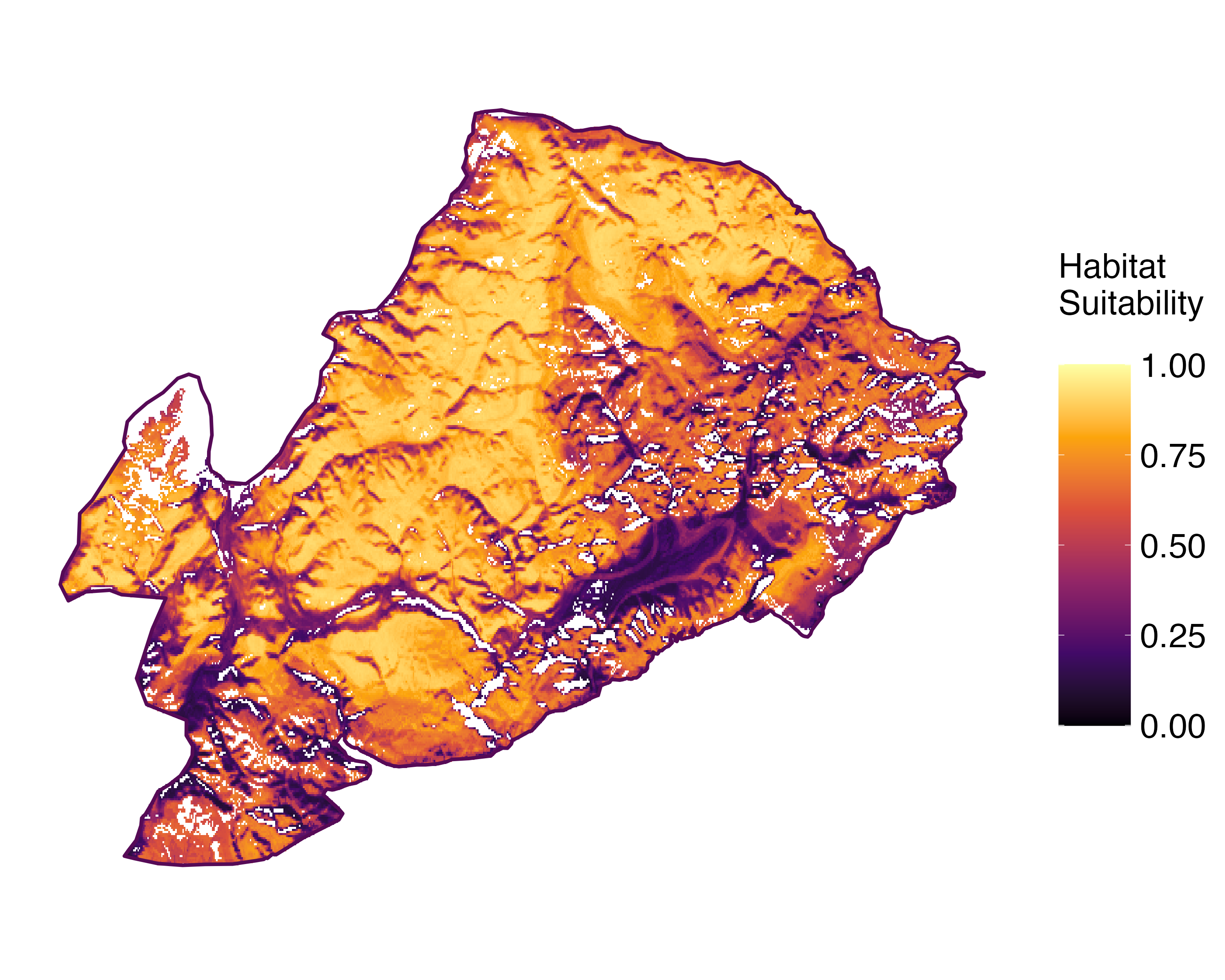 Current prediction (1981-2010)
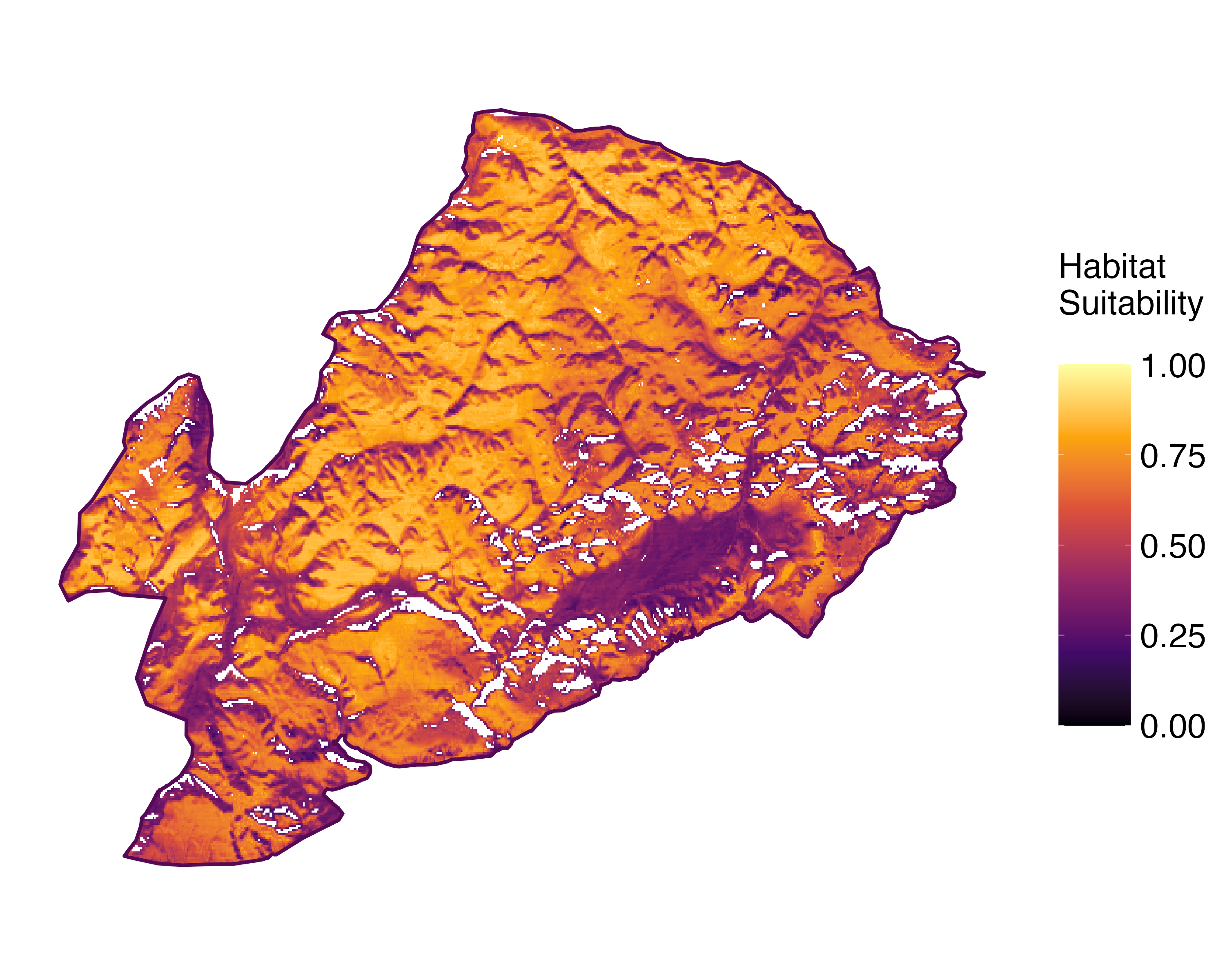 Future prediction (2071-2100) SSP 1-2.6
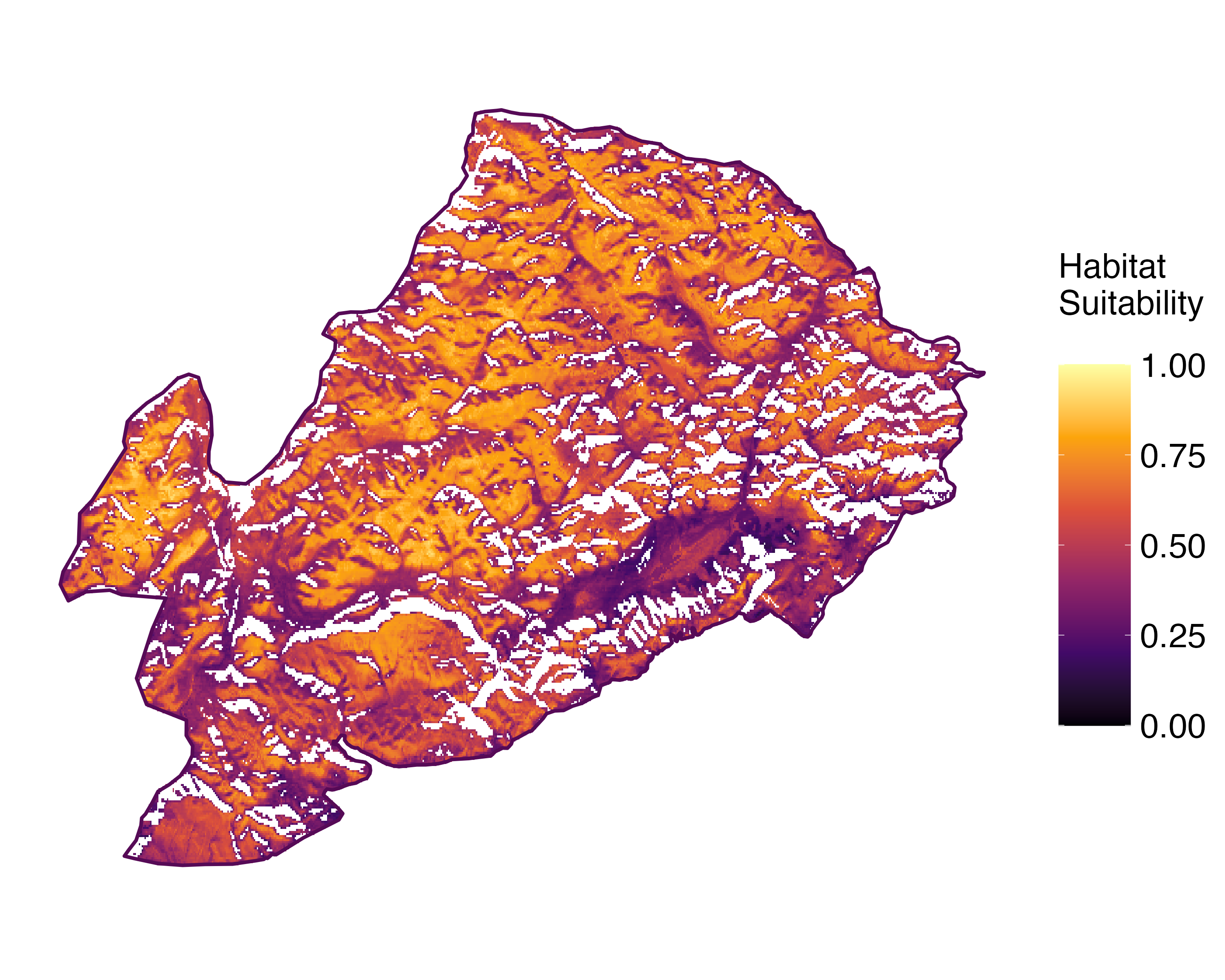 Future prediction (2071-2100) SSP 5-8.5Predictive maps according to Francesconi et al. 2025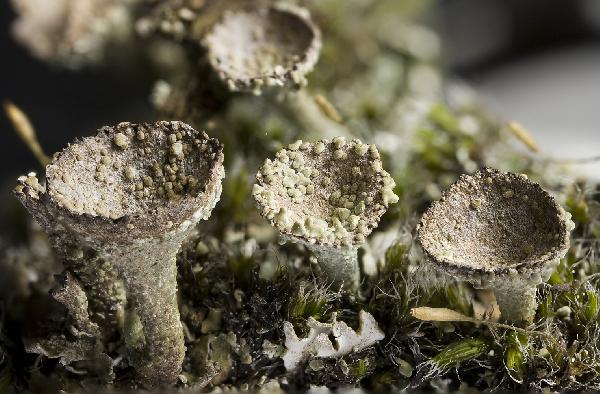
Ulrich Kirschbaum CC BY-SA 4.0 - Source: https://www.thm.de/lse/ulrich-kirschbaum/flechtenbilder
Central Europe; Germany: Hesse.
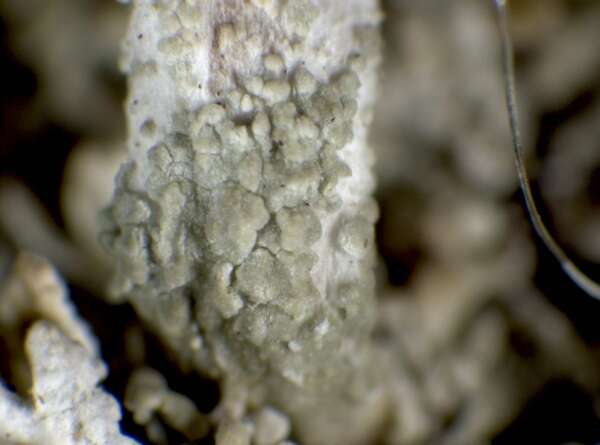
P.L. Nimis; Owner: Department of Life Sciences, University of Trieste
Herbarium: TSB (33675)
2001/12/01
detail of cortex
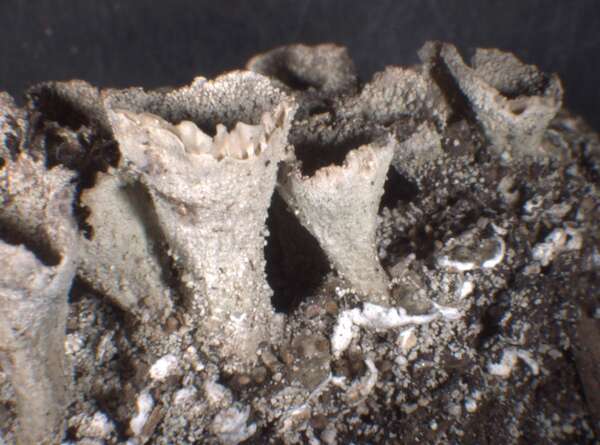
P.L. Nimis; Owner: Department of Life Sciences, University of Trieste
Herbarium: TSB (20423)
2001/11/04
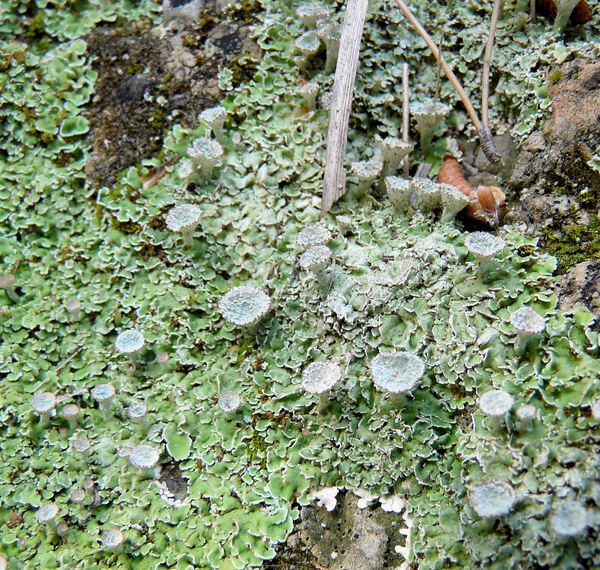
A. Moro; Owner: Department of Life Sciences, University of Trieste
Sicilia, TP, Isola di Marettimo
2008.04.05
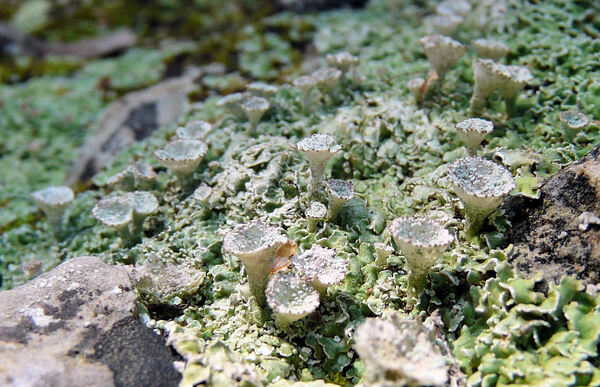
A. Moro; Owner: Department of Life Sciences, University of Trieste
Sicilia, TP, Isola di Marettimo
2008.04.05
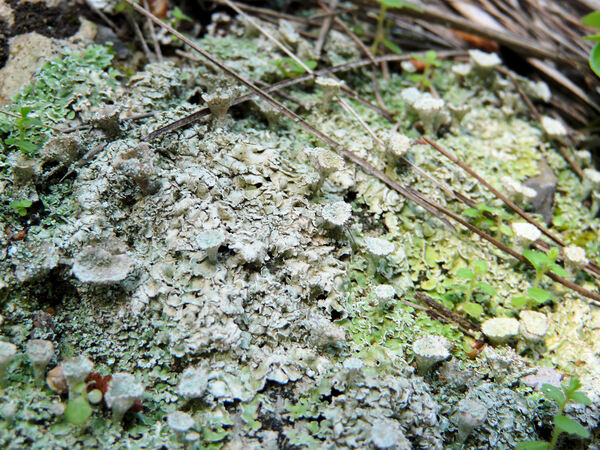
A. Moro; Owner: Department of Life Sciences, University of Trieste
Sicilia, TP, Isola di Marettimo
2008.04.05
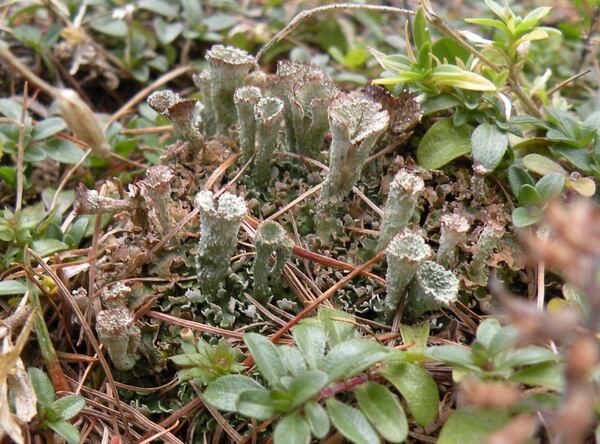
Gabriele Gheza, Tromello (PV); Owner: Gabriele Gheza, Tromello (PV)
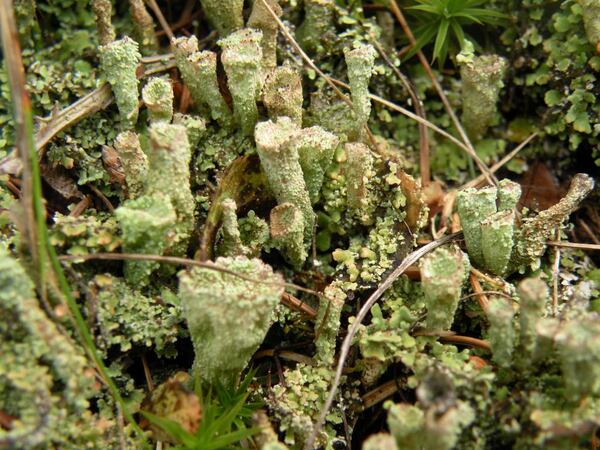
Gabriele Gheza, Tromello (PV); Owner: Gabriele Gheza, Tromello (PV)
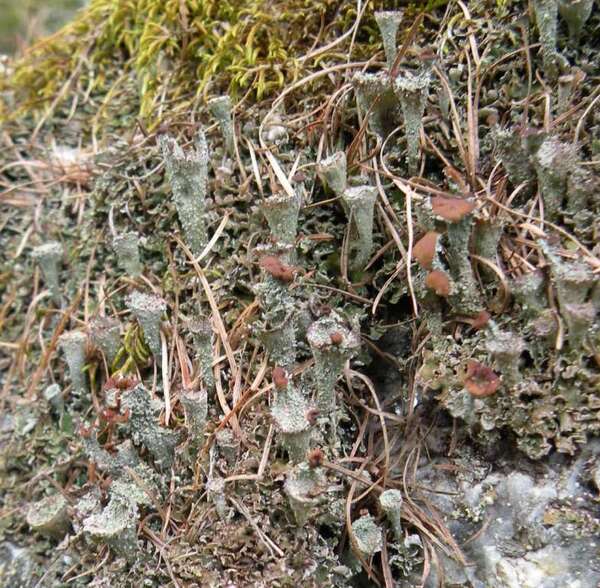
Gabriele Gheza, Tromello (PV); Owner: Gabriele Gheza, Tromello (PV)
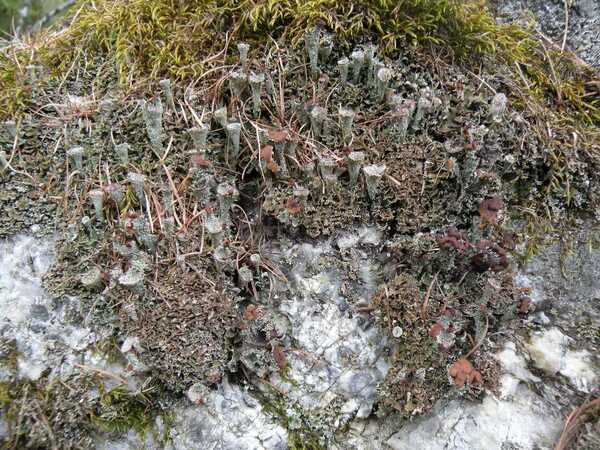
Gabriele Gheza, Tromello (PV); Owner: Gabriele Gheza, Tromello (PV)
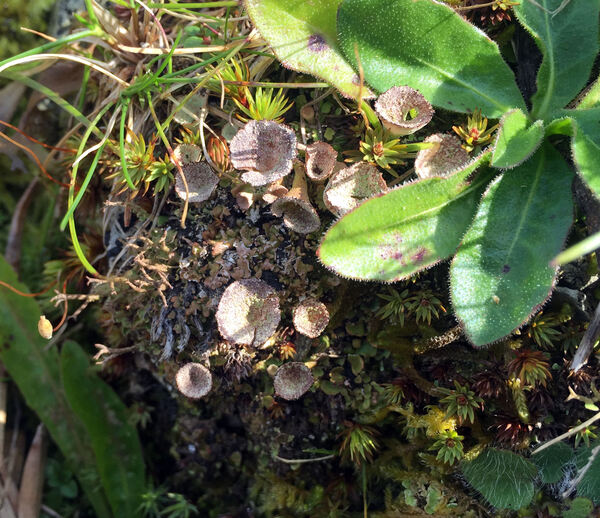
P.L. Nimis; Owner: Department of Life Sciences, University of Trieste
Italy, Veneto, Belluno, Casera Razzo, 1900 m
09.09.2016
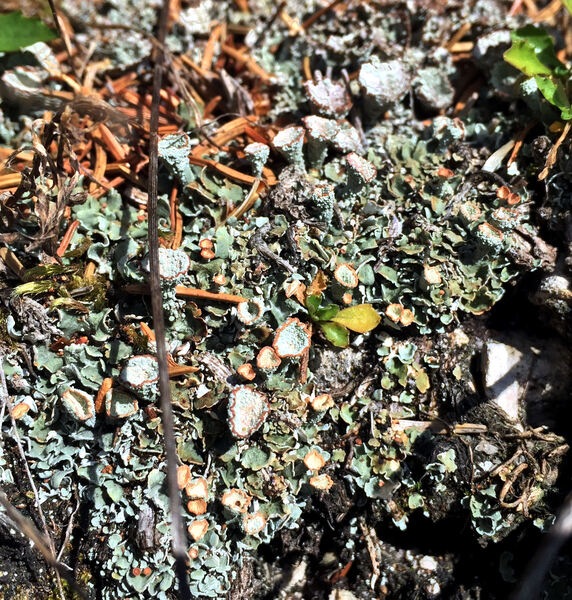
P.L. Nimis; Owner: Department of Life Sciences, University of Trieste
Italy, Friuli Venezia Giulia, Udine, Lago di Sauris, Bosco Flobia, Ampezzo Carnico, 1000 m
09.09.2016
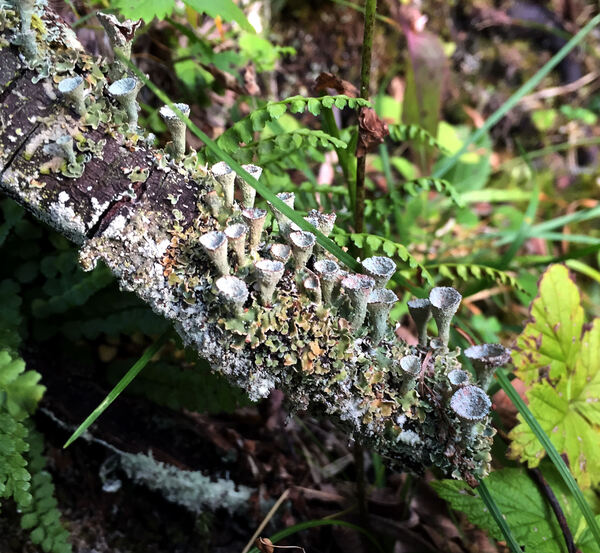
P.L. Nimis; Owner: Department of Life Sciences, University of Trieste
Italy, Friuli Venezia Giulia, Udine, Ampezzo Carnico, 650 m
09.09.2016
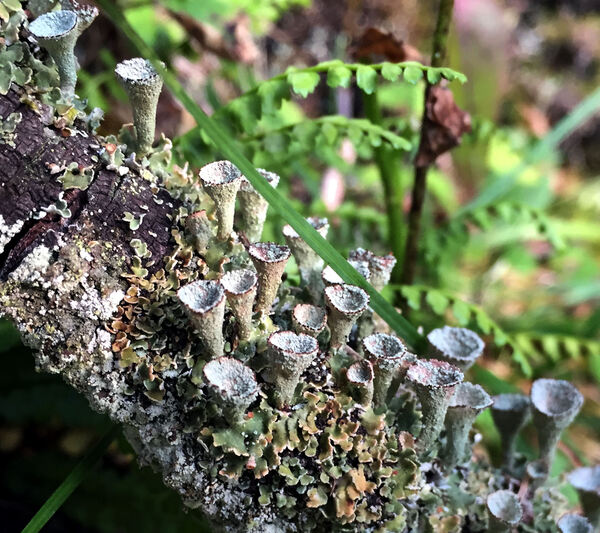
P.L. Nimis; Owner: Department of Life Sciences, University of Trieste
Italy, Friuli Venezia Giulia, Udine, Ampezzo Carnico, 650 m
09.09.2016
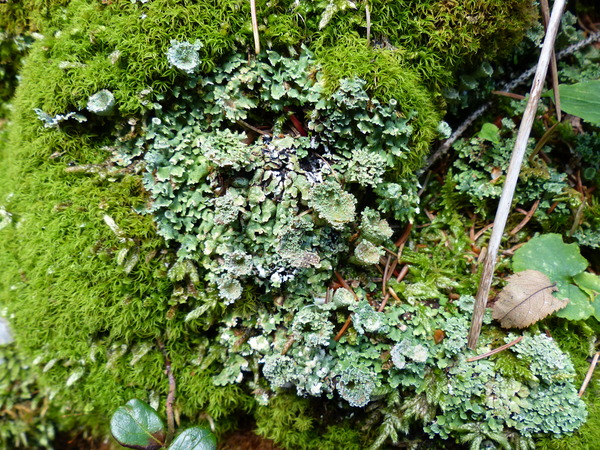
Andrea Moro; Owner: Department of Life Sciences, University of Trieste
Italy, Friuli Venezia Giulia, Udine, Lago di Sauris, Bosco della Stua, Carnic Alps (Ampezzo Carnico) 1000 m; altitude: 1000 m
12/08/2017
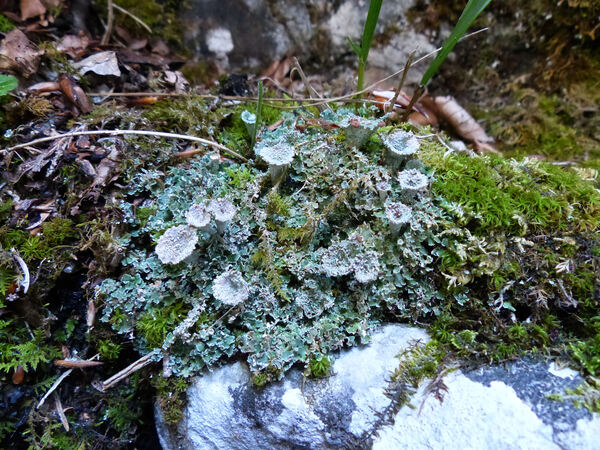
Andrea Moro; Owner: Department of Life Sciences, University of Trieste
Italy, Friuli Venezia Giulia, Udine, Lago di Sauris, Bosco della Stua, Carnic Alps (Ampezzo Carnico) 1000 m; altitude: 1000 m
12/08/2017
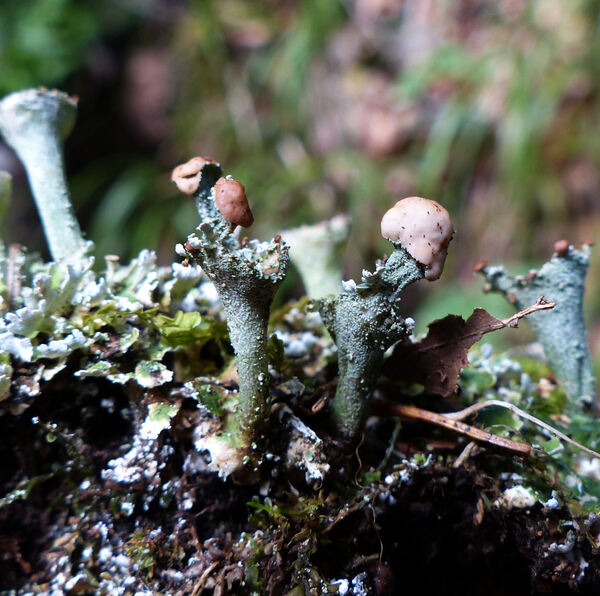
Andrea Moro; Owner: Department of Life Sciences, University of Trieste
Italy, Friuli Venezia Giulia, Udine, Lago di Sauris, Bosco della Stua, Carnic Alps (Ampezzo Carnico) 1000 m; altitude: 1000 m
12/08/2017
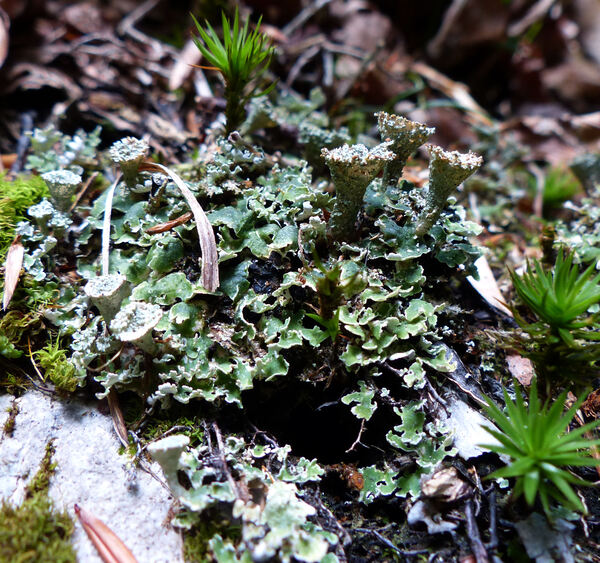
Andrea Moro; Owner: Department of Life Sciences, University of Trieste
Italy, Friuli Venezia Giulia, Udine, Lago di Sauris, Bosco della Stua, Carnic Alps (Ampezzo Carnico) 1000 m; altitude: 1000 m
12/08/2017
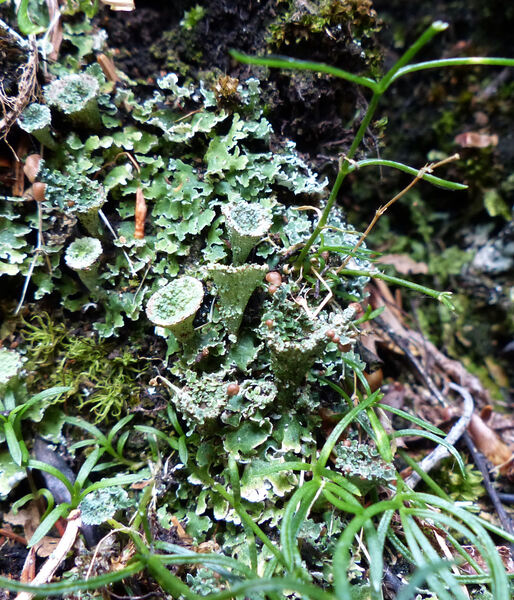
Andrea Moro; Owner: Department of Life Sciences, University of Trieste
Italy, Friuli Venezia Giulia, Udine, Lago di Sauris, Bosco della Stua, Carnic Alps (Ampezzo Carnico) 1000 m; altitude: 1000 m
12/08/2017
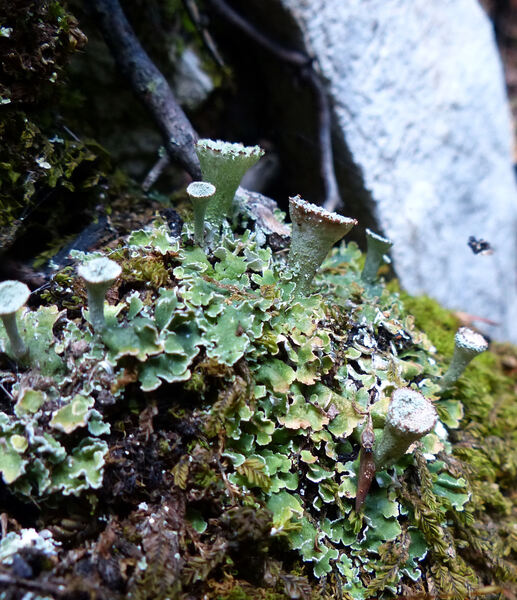
Andrea Moro; Owner: Department of Life Sciences, University of Trieste
Italy, Friuli Venezia Giulia, Udine, Lago di Sauris, Bosco della Stua, Carnic Alps (Ampezzo Carnico) 1000 m; altitude: 1000 m
12/08/2017
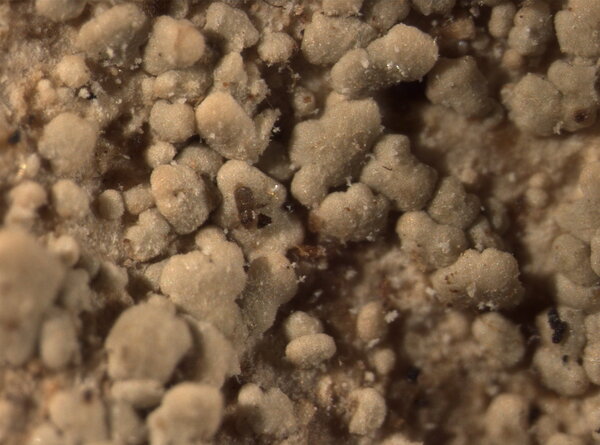
P.L. Nimis CC BY-SA 4.0
TSB 10553
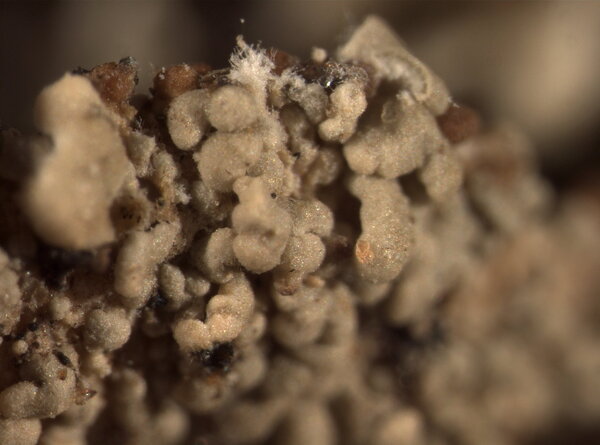
P.L. Nimis CC BY-SA 4.0
TSB 10553
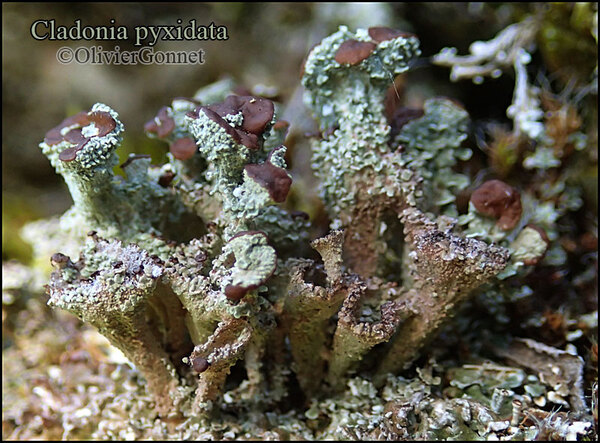
Courtesy Danièle et Olivier Gonnet - Source: https://www.afl-lichenologie.fr/Photos_AFL/Photos_AFL_C/Textes_C5/Cladonia_pyxidata.htm
Monte Stello - Corse
08/2010
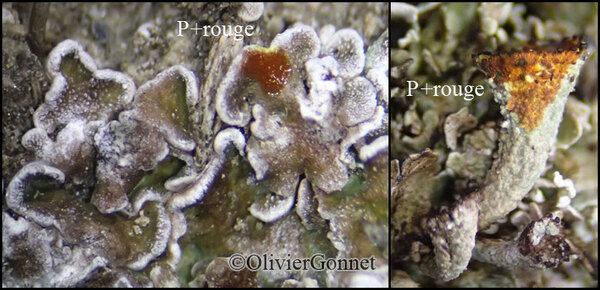
Courtesy Danièle et Olivier Gonnet - Source: https://www.afl-lichenologie.fr/Photos_AFL/Photos_AFL_C/Textes_C5/Cladonia_pyxidata.htm
Monte Stello - Corse
08/2010
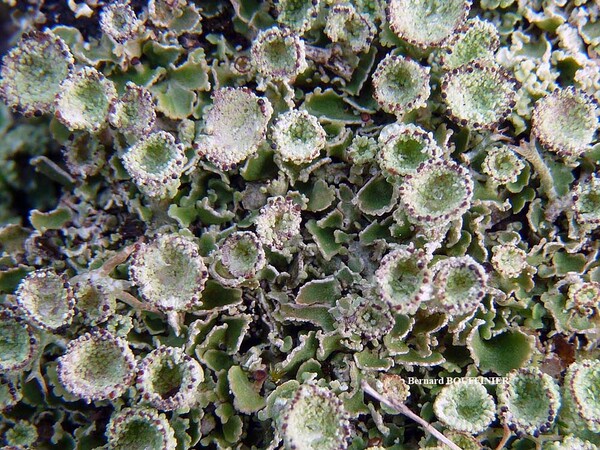
Bernard Bouffinier - Source: http://www.lichensmaritimes.org/index.php?task=fiche&lichen=483&lang=en
France, Crozon
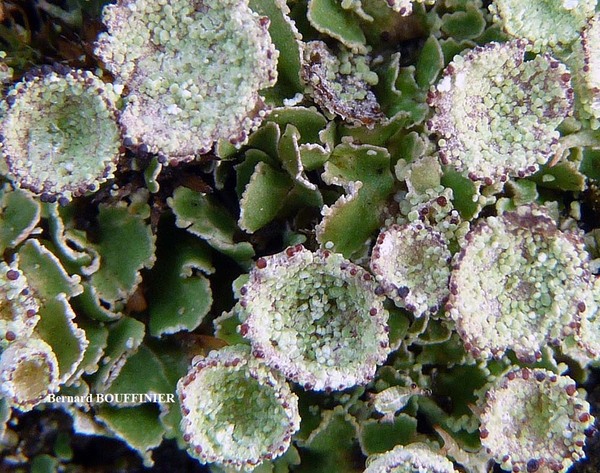
Bernard Bouffinier - Source: http://www.lichensmaritimes.org/index.php?task=fiche&lichen=483&lang=en
France, Crozon
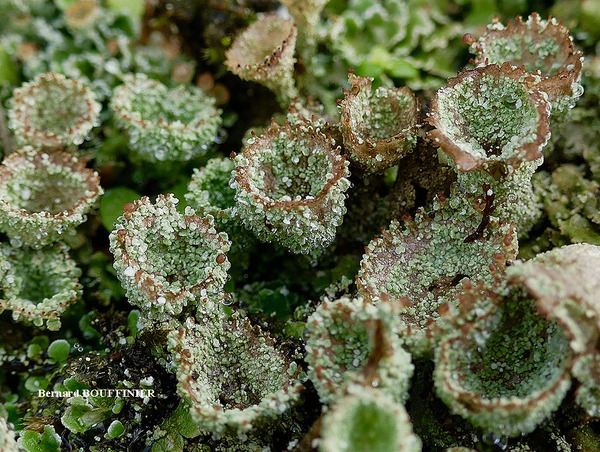
Bernard Bouffinier - Source: http://www.lichensmaritimes.org/index.php?task=fiche&lichen=483&lang=en
France, Pointe de Dinan
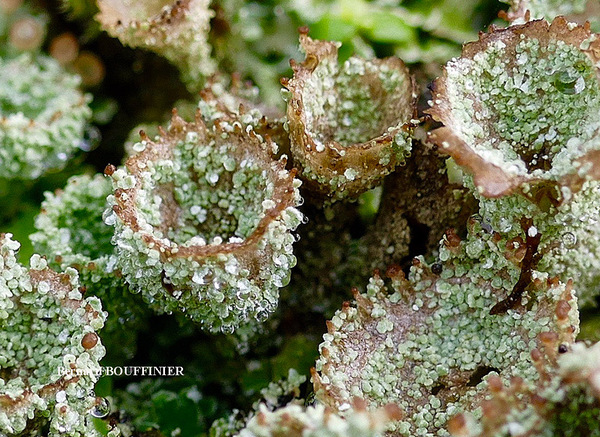
Bernard Bouffinier - Source: http://www.lichensmaritimes.org/index.php?task=fiche&lichen=483&lang=en
France, Pointe de Dinan
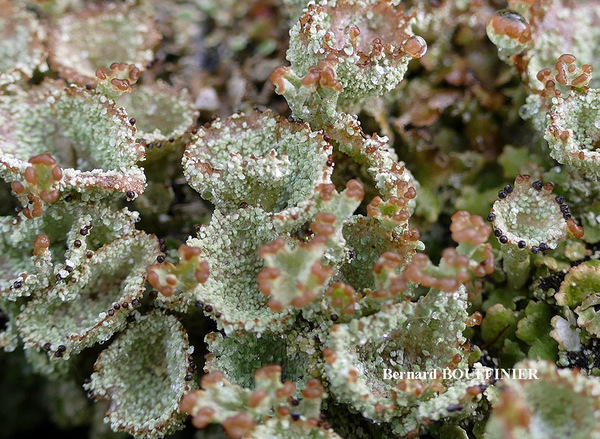
Bernard Bouffinier - Source: http://www.lichensmaritimes.org/index.php?task=fiche&lichen=483&lang=en
France, Pointe de Dinan
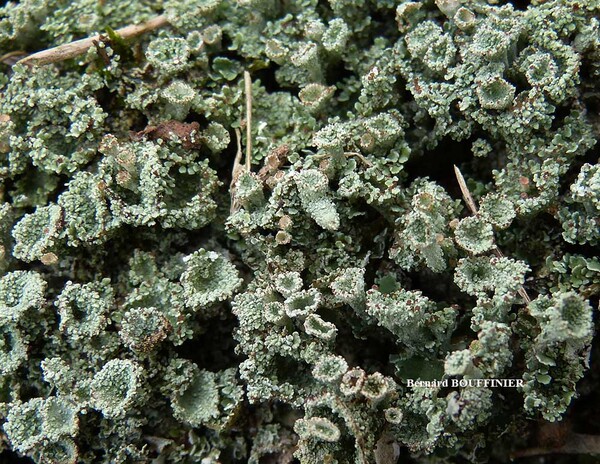
Bernard Bouffinier - Source: http://www.lichensmaritimes.org/index.php?task=fiche&lichen=483&lang=en
France, Rosnoen
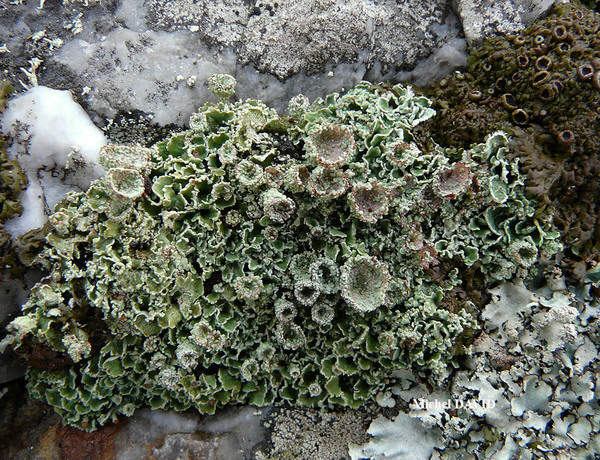
Michel David - Source: http://www.lichensmaritimes.org/index.php?task=fiche&lichen=483&lang=en
France, Pointe de Pen-Hir
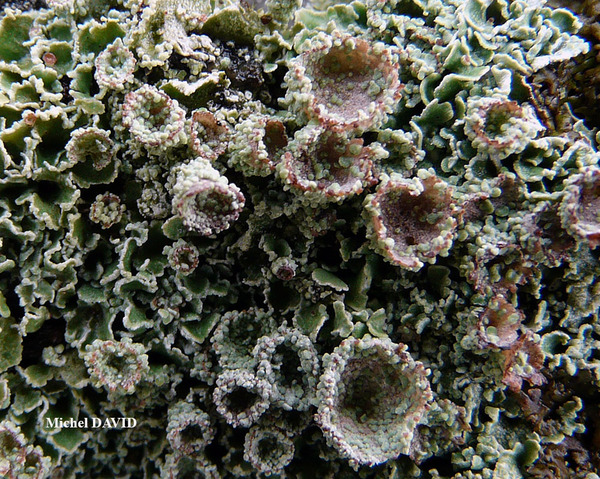
Michel David - Source: http://www.lichensmaritimes.org/index.php?task=fiche&lichen=483&lang=en
France, Pointe de Pen-Hir
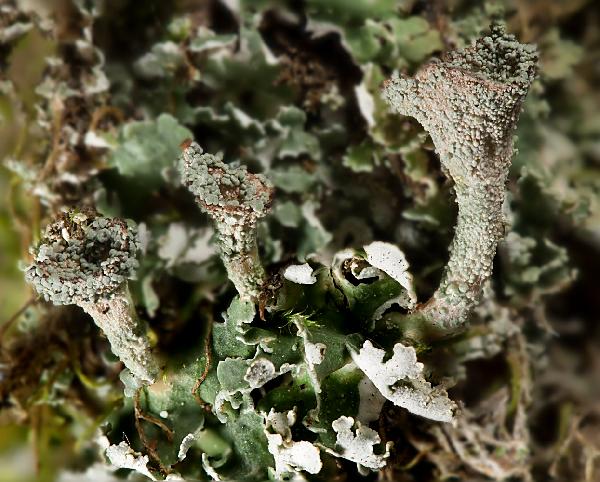
Ulrich Kirschbaum CC BY-SA 4.0 - Source: https://www.thm.de/lse/ulrich-kirschbaum/flechtenbilder
Central Europe; Germany; Bavaria: Allgäu.
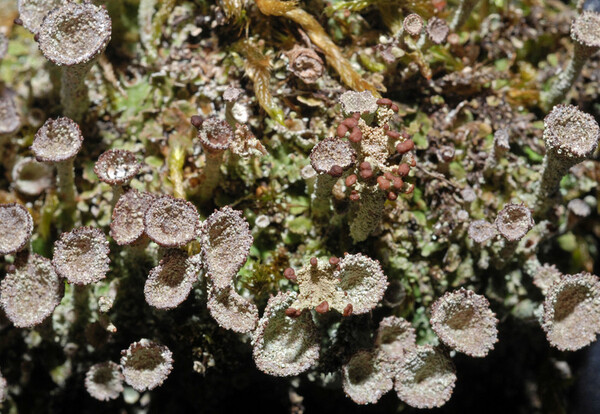
Leif Stridvall - Source: http://www.stridvall.se/la/galleries.php - Courtesy: Anita Stridvall
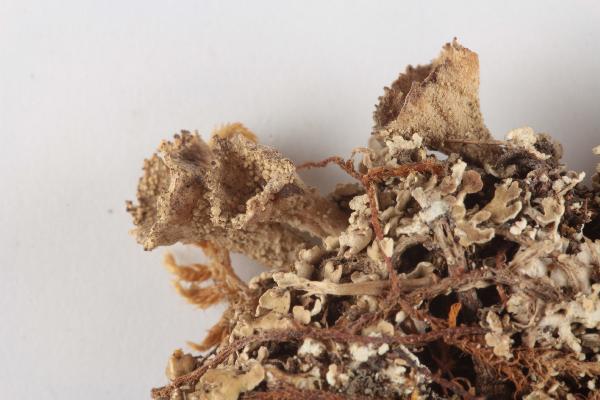
Collezione lichenologica Abramo Massalongo del Museo di Storia Naturale G. Ligabue di Venezia - Autori: Seggi, Linda; Trabucco, Raffaella Proprietà: Fondazione Musei Civici di Venezia - CC BY-NC
Italy, Veneto, in op. Tregnago
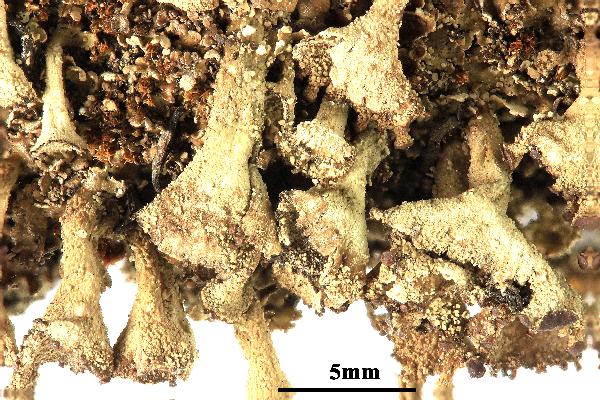
Felix Schumm - CC BY 4.0
[VZ1885], Suecia, Västmanlandia: Sala. Sala gruva, prope secturam Quenn Christina. Ad terram. Leg. R. Santesson (no. 24336(,
16.6.1973. EX A. VEZDA LICHENES SELECTI EXSICCATI NR. 1885.
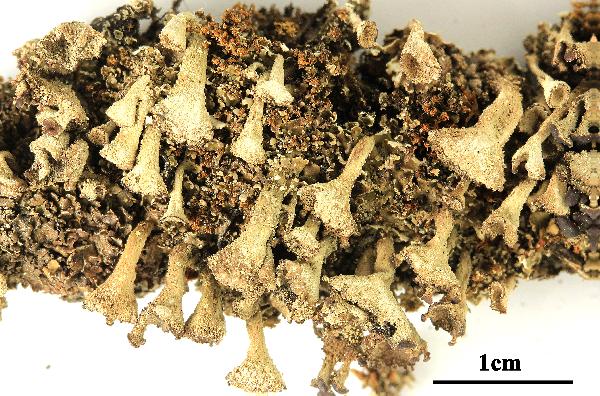
Felix Schumm - CC BY 4.0
[VZ1885], Suecia, Västmanlandia: Sala. Sala gruva, prope secturam Quenn Christina. Ad terram. Leg. R. Santesson (no. 24336(,
16.6.1973. EX A. VEZDA LICHENES SELECTI EXSICCATI NR. 1885.
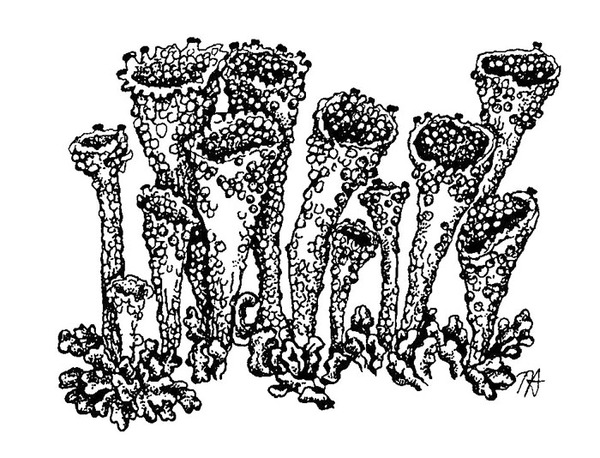
Triin Aimla; Owner: University of Tartu
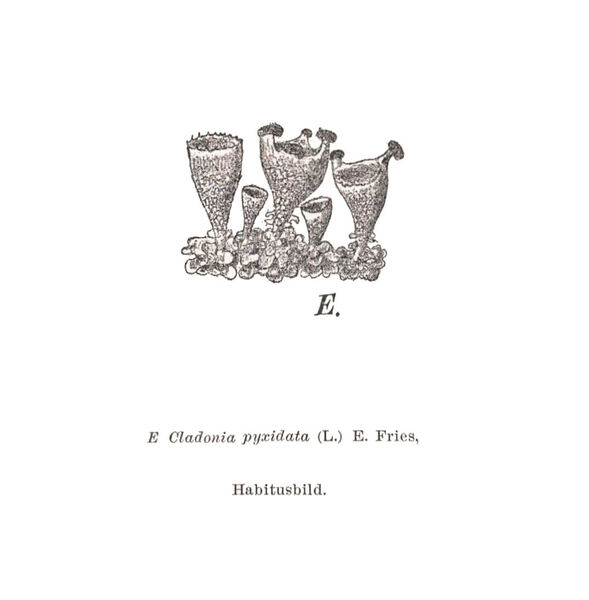
Zahlbruckner A. 1926. Lichenes (Flechten). In: Engler A. (ed.): Die natürlichen Pflanzenfamilien. 2nd ed., vol 8, W. Engelmann, Leipzig, 270 pp.
Growth form: Fruticose
Photobiont: green algae other than Trentepohlia
Reproductive strategy: mainly sexual
Commonnes-rarity: (info)
Alpine belt: rather common
Subalpine belt: extremely common
Montane belt: extremely common
Dry submediterranean belt: extremely common
Humid submediterranean belt: extremely common
Padanian area: rather rare
pH of the substrata:
| 1 | 2 | 3 | 4 | 5 |
Solar irradiation:
| 1 | 2 | 3 | 4 | 5 |
Aridity:
| 1 | 2 | 3 | 4 | 5 |
Eutrophication:
| 1 | 2 | 3 | 4 | 5 |
Poleotolerance:
| 0 | 1 | 2 | 3 |
Altitudinal distribution:
| 1 | 2 | 3 | 4 | 5 | 6 |
Rarity
absent
extremely rare
very rare
rare
rather rare
rather common
common
very common
extremely common
Loading data...
Occurrence data
Predictive map
Current prediction (1981-2010)Future prediction (2071-2100) SSP 1-2.6Future prediction (2071-2100) SSP 5-8.5Predictive maps according to Francesconi et al. 2025

Ulrich Kirschbaum CC BY-SA 4.0 - Source: https://www.thm.de/lse/ulrich-kirschbaum/flechtenbilder
Central Europe; Germany: Hesse.
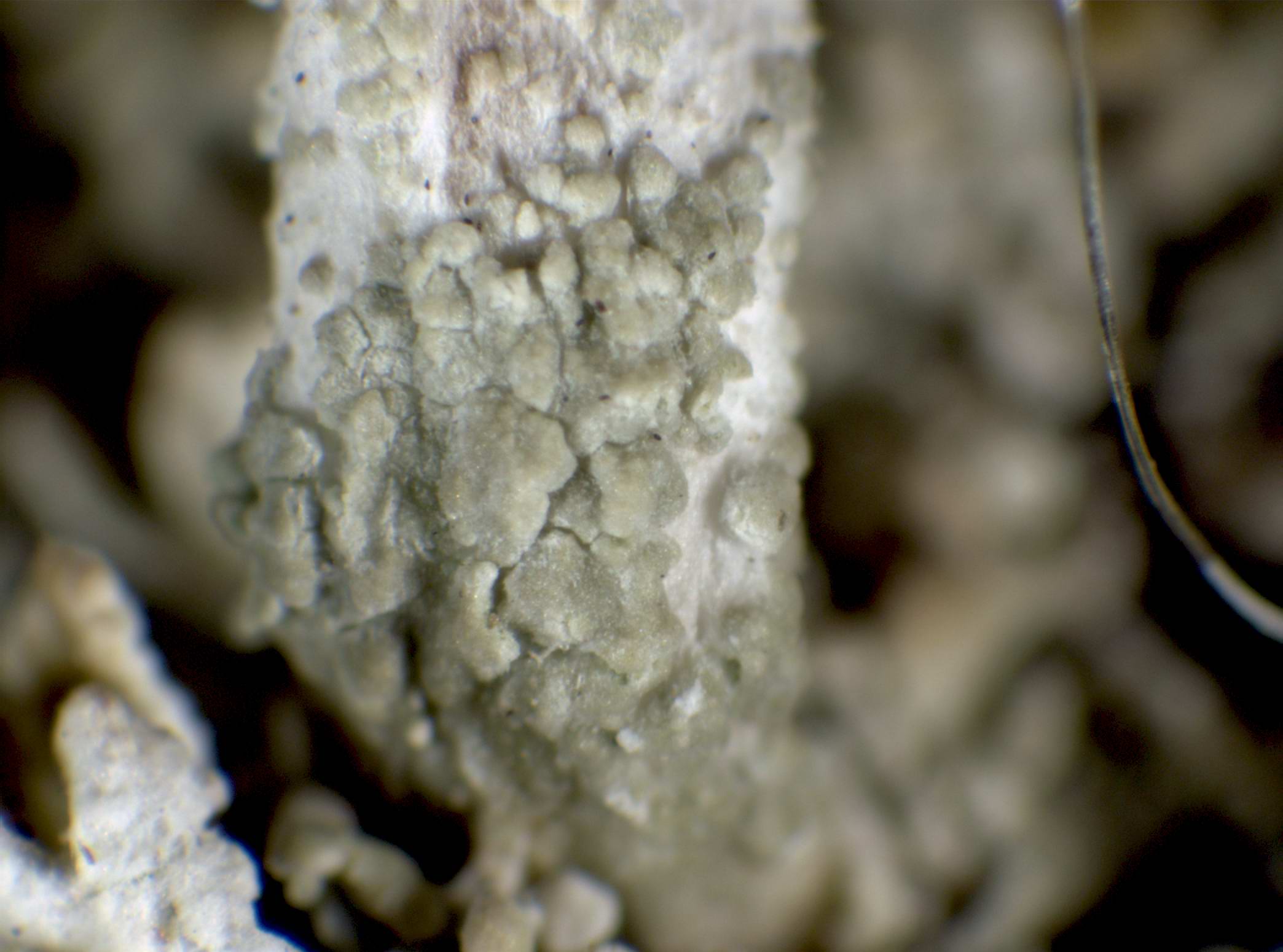
P.L. Nimis; Owner: Department of Life Sciences, University of Trieste
Herbarium: TSB (33675)
2001/12/01
detail of cortex

P.L. Nimis; Owner: Department of Life Sciences, University of Trieste
Herbarium: TSB (20423)
2001/11/04
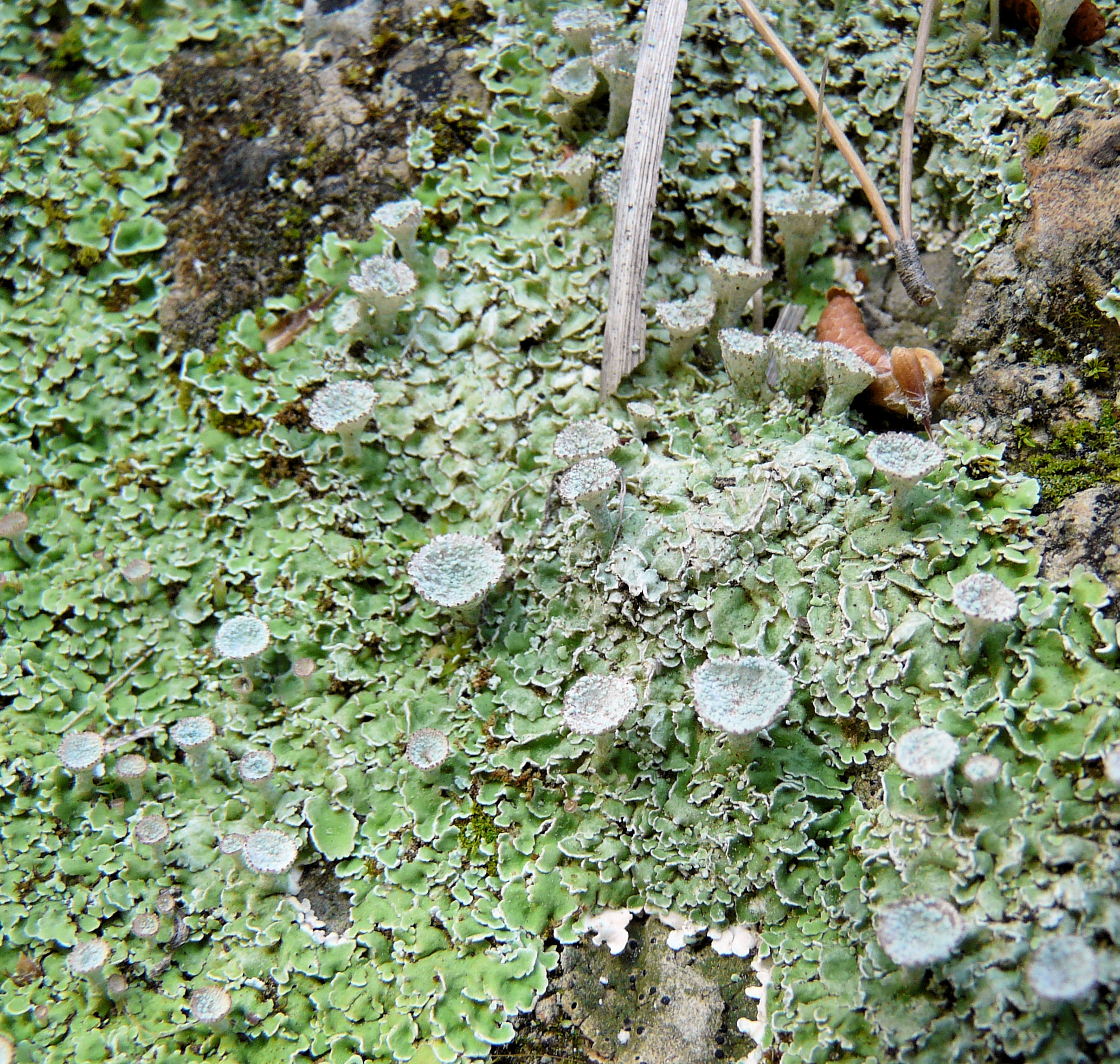
A. Moro; Owner: Department of Life Sciences, University of Trieste
Sicilia, TP, Isola di Marettimo
2008.04.05

A. Moro; Owner: Department of Life Sciences, University of Trieste
Sicilia, TP, Isola di Marettimo
2008.04.05
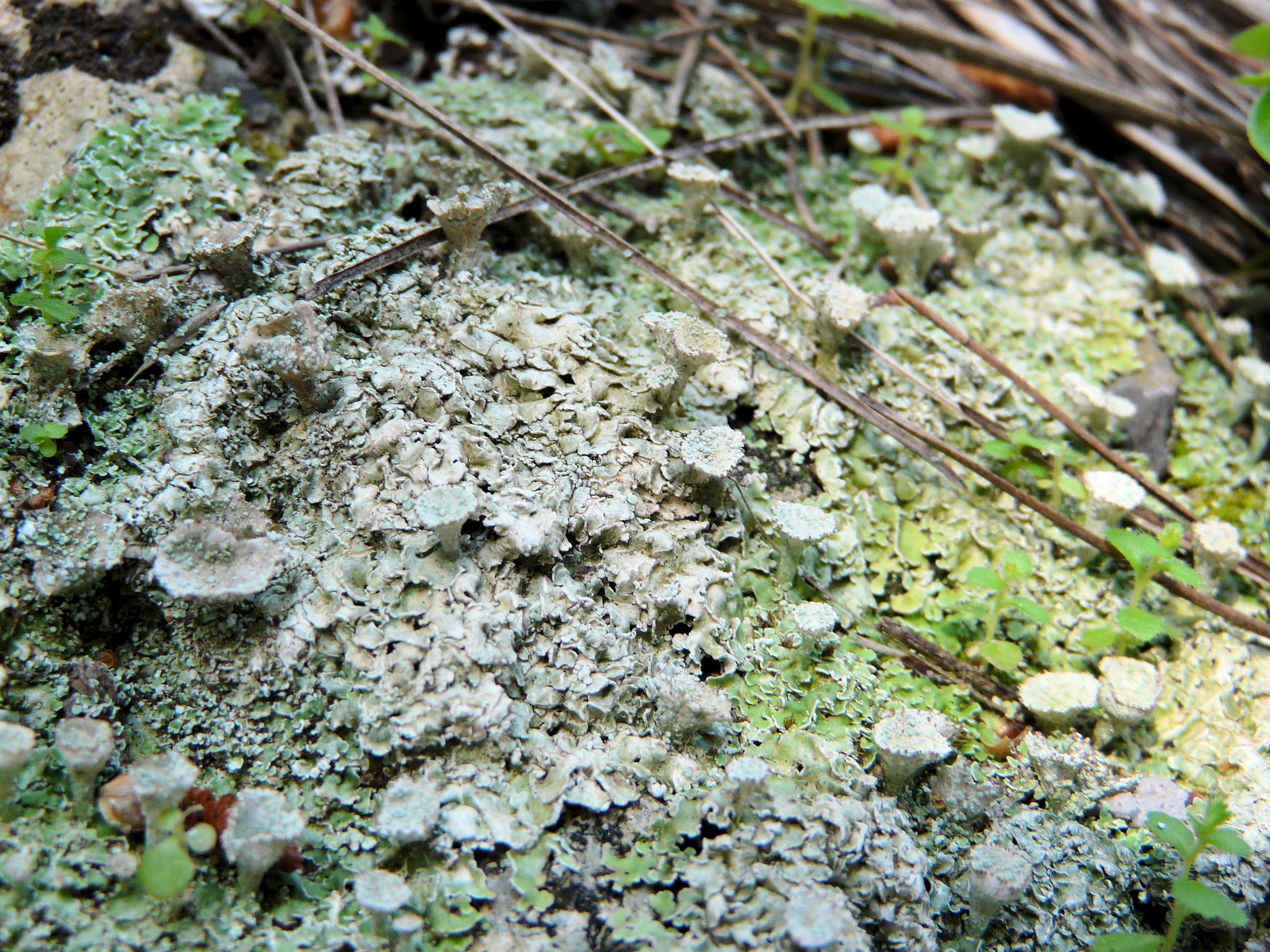
A. Moro; Owner: Department of Life Sciences, University of Trieste
Sicilia, TP, Isola di Marettimo
2008.04.05
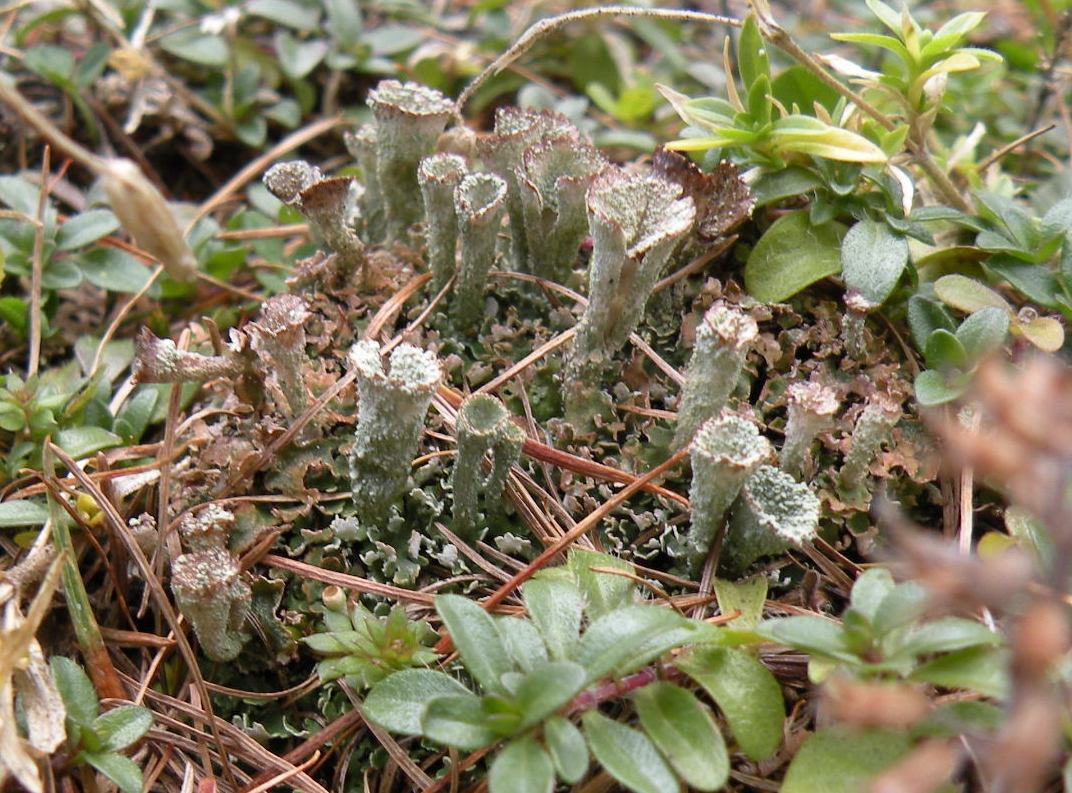
Gabriele Gheza, Tromello (PV); Owner: Gabriele Gheza, Tromello (PV)
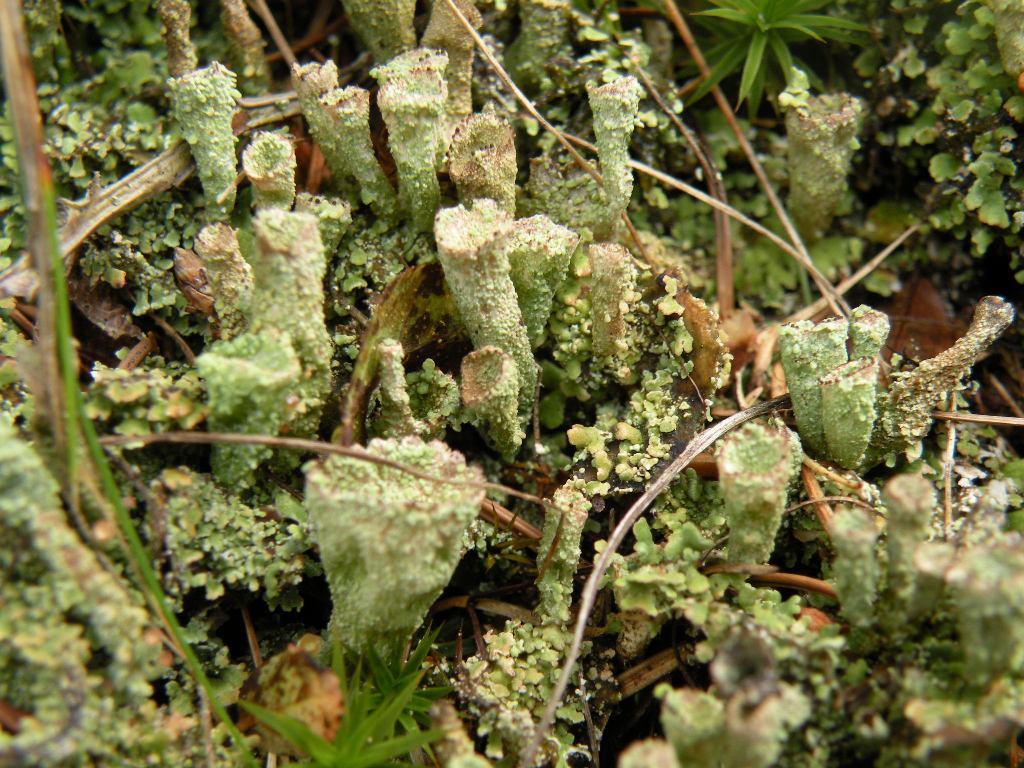
Gabriele Gheza, Tromello (PV); Owner: Gabriele Gheza, Tromello (PV)

Gabriele Gheza, Tromello (PV); Owner: Gabriele Gheza, Tromello (PV)
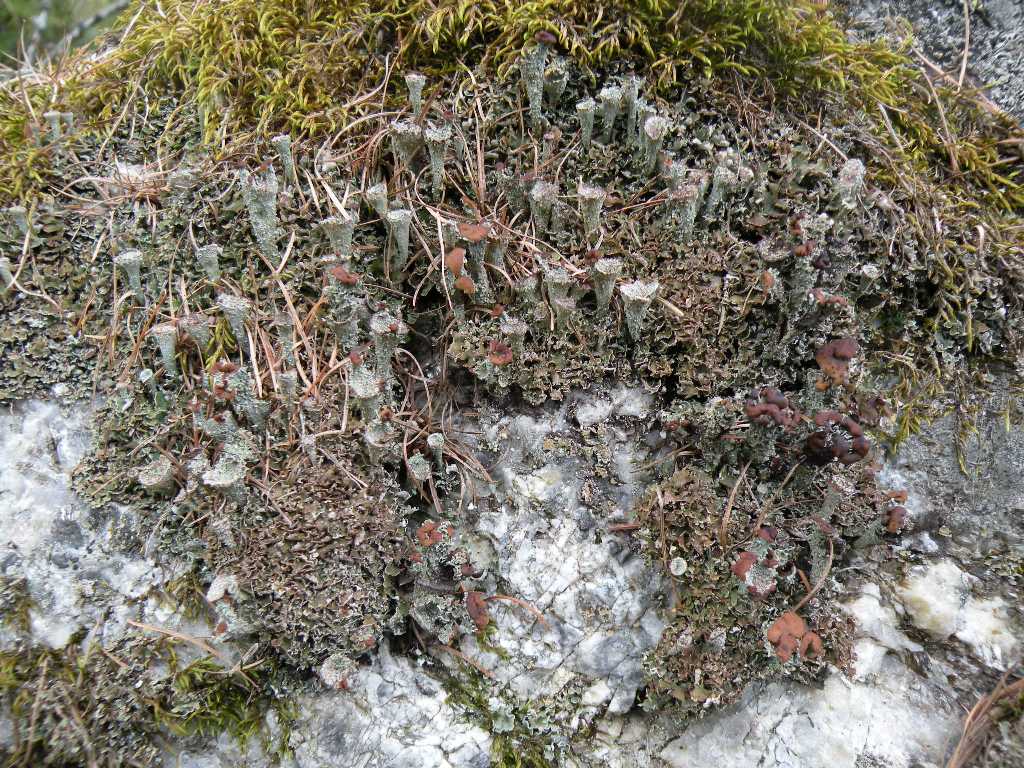
Gabriele Gheza, Tromello (PV); Owner: Gabriele Gheza, Tromello (PV)
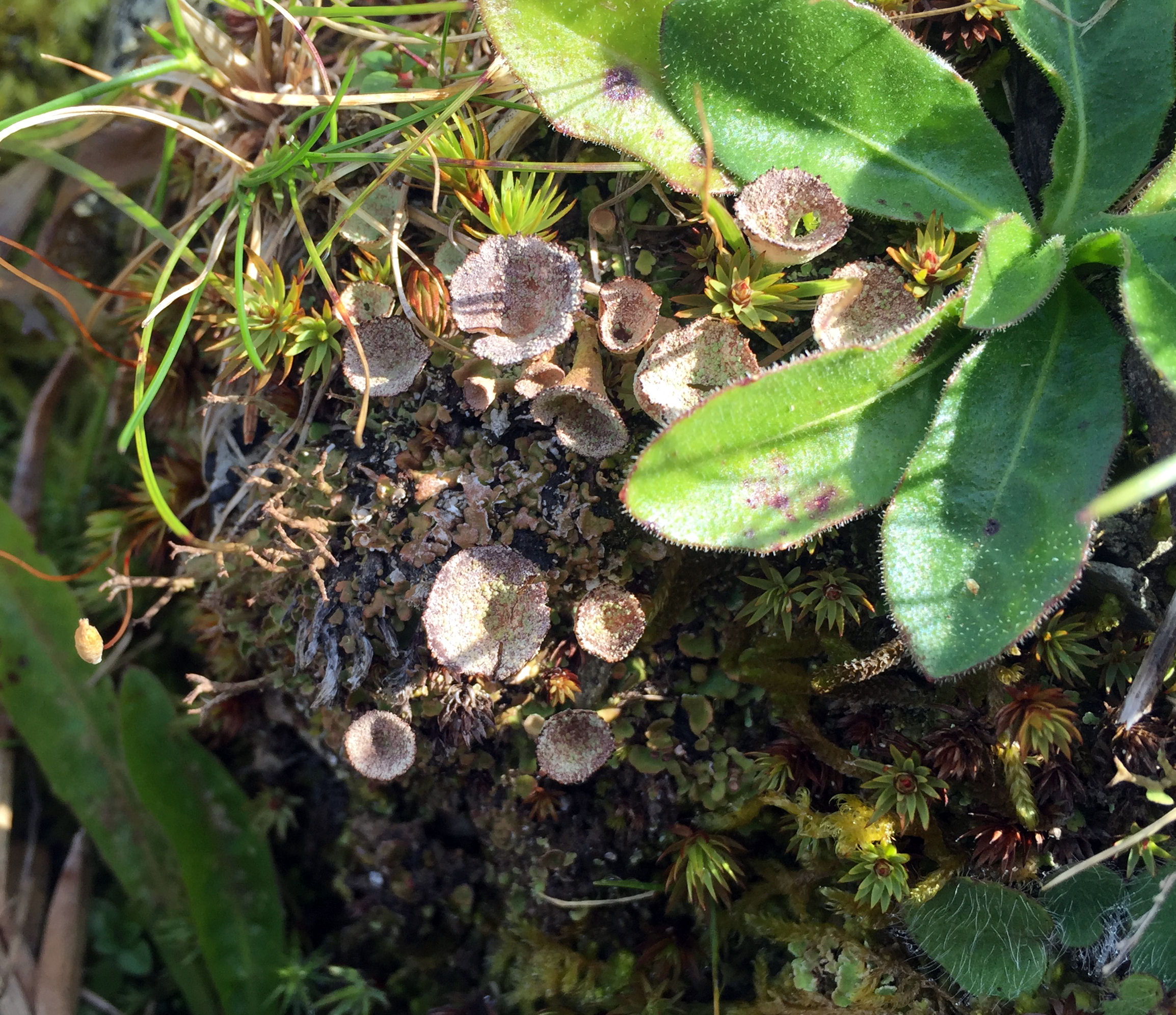
P.L. Nimis; Owner: Department of Life Sciences, University of Trieste
Italy, Veneto, Belluno, Casera Razzo, 1900 m
09.09.2016
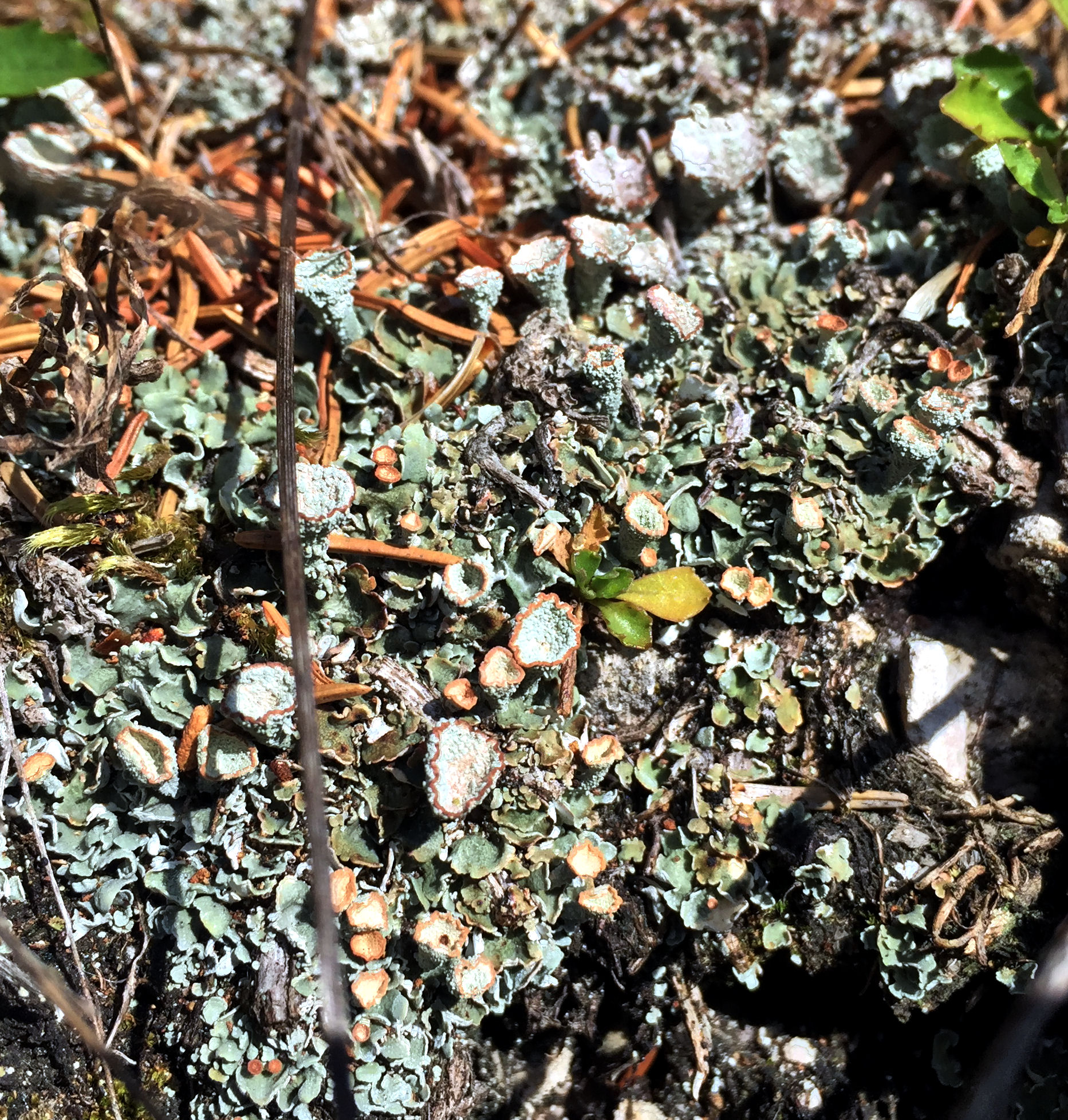
P.L. Nimis; Owner: Department of Life Sciences, University of Trieste
Italy, Friuli Venezia Giulia, Udine, Lago di Sauris, Bosco Flobia, Ampezzo Carnico, 1000 m
09.09.2016

P.L. Nimis; Owner: Department of Life Sciences, University of Trieste
Italy, Friuli Venezia Giulia, Udine, Ampezzo Carnico, 650 m
09.09.2016

P.L. Nimis; Owner: Department of Life Sciences, University of Trieste
Italy, Friuli Venezia Giulia, Udine, Ampezzo Carnico, 650 m
09.09.2016
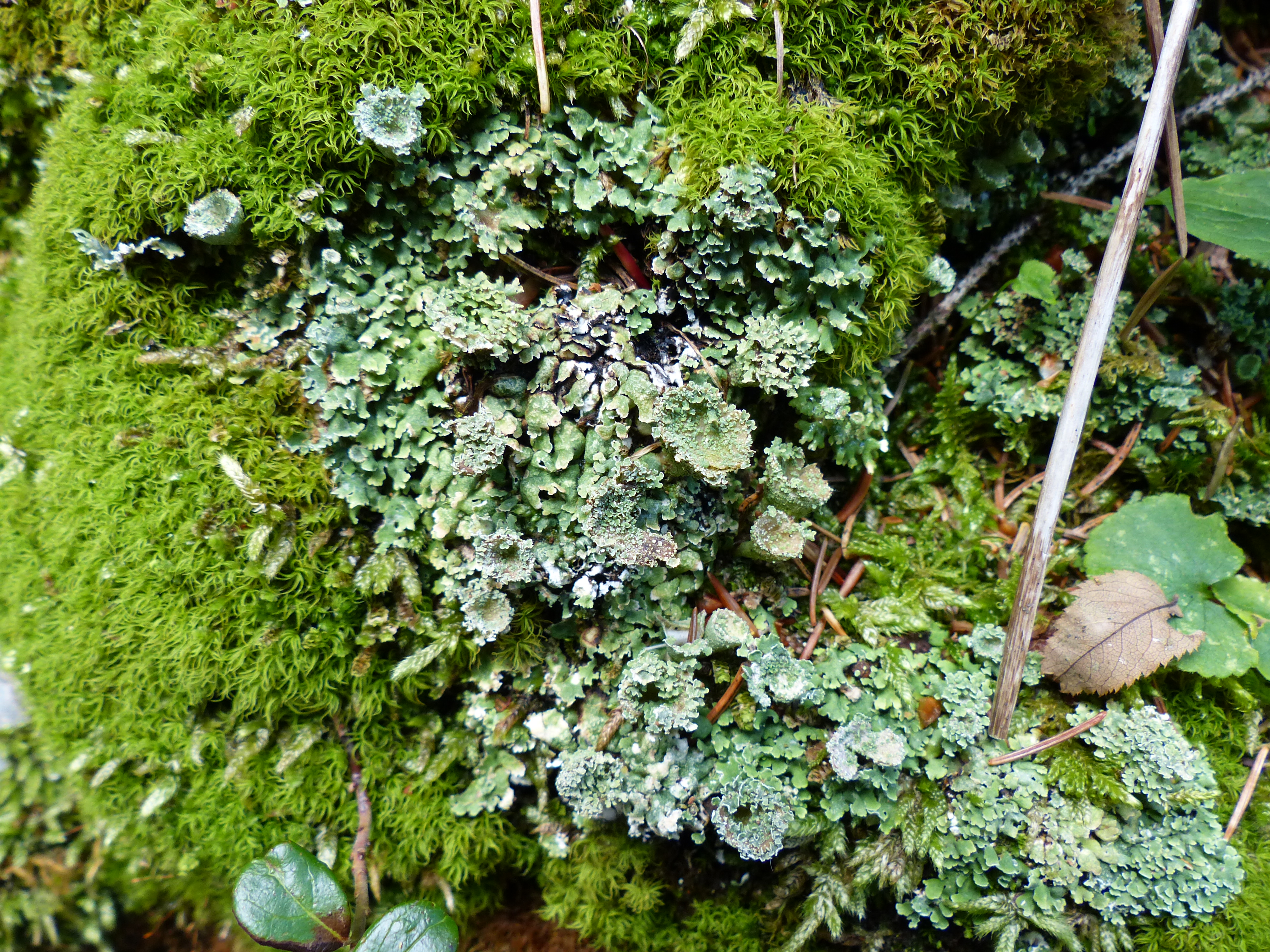
Andrea Moro; Owner: Department of Life Sciences, University of Trieste
Italy, Friuli Venezia Giulia, Udine, Lago di Sauris, Bosco della Stua, Carnic Alps (Ampezzo Carnico) 1000 m; altitude: 1000 m
12/08/2017
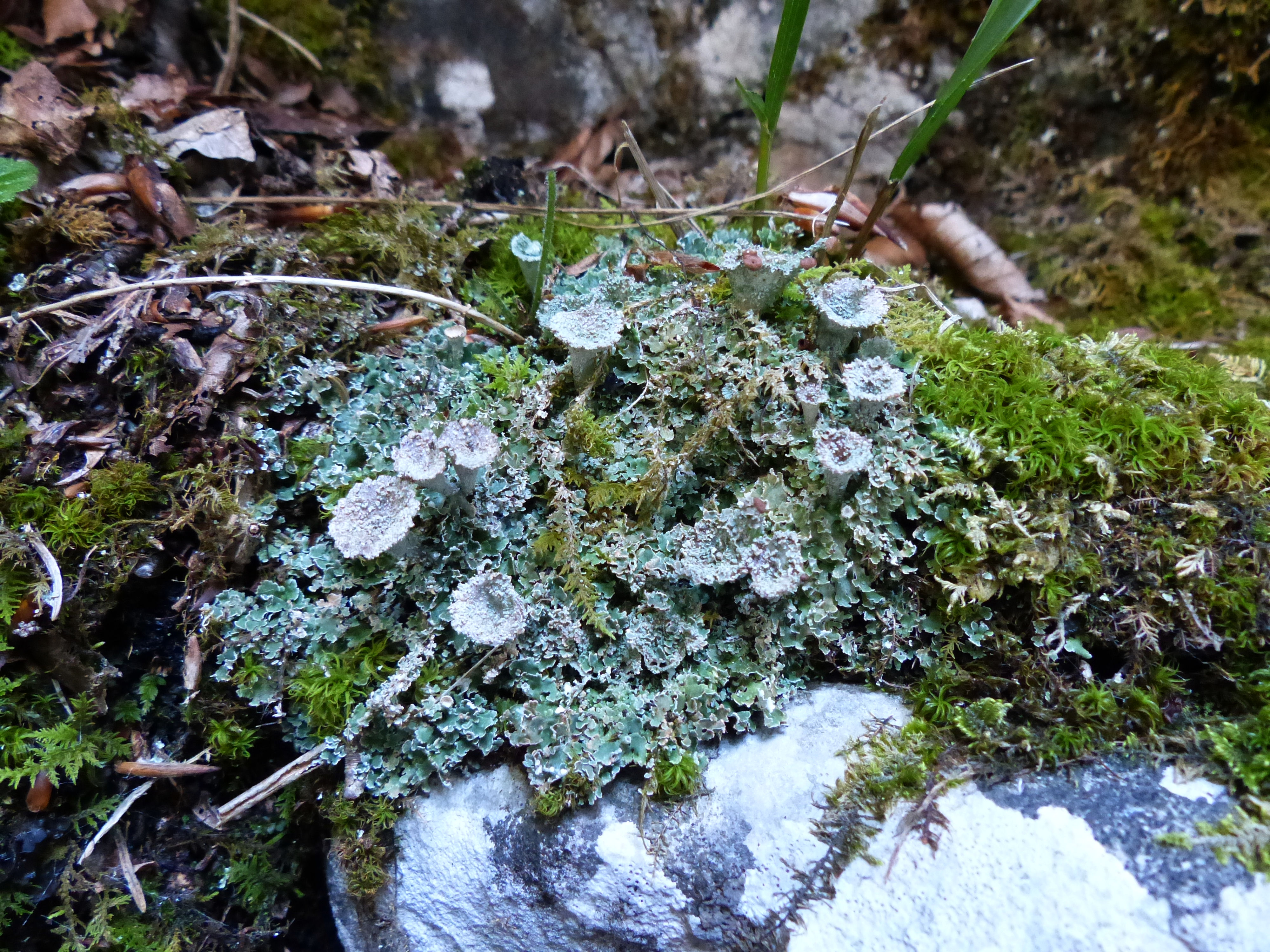
Andrea Moro; Owner: Department of Life Sciences, University of Trieste
Italy, Friuli Venezia Giulia, Udine, Lago di Sauris, Bosco della Stua, Carnic Alps (Ampezzo Carnico) 1000 m; altitude: 1000 m
12/08/2017
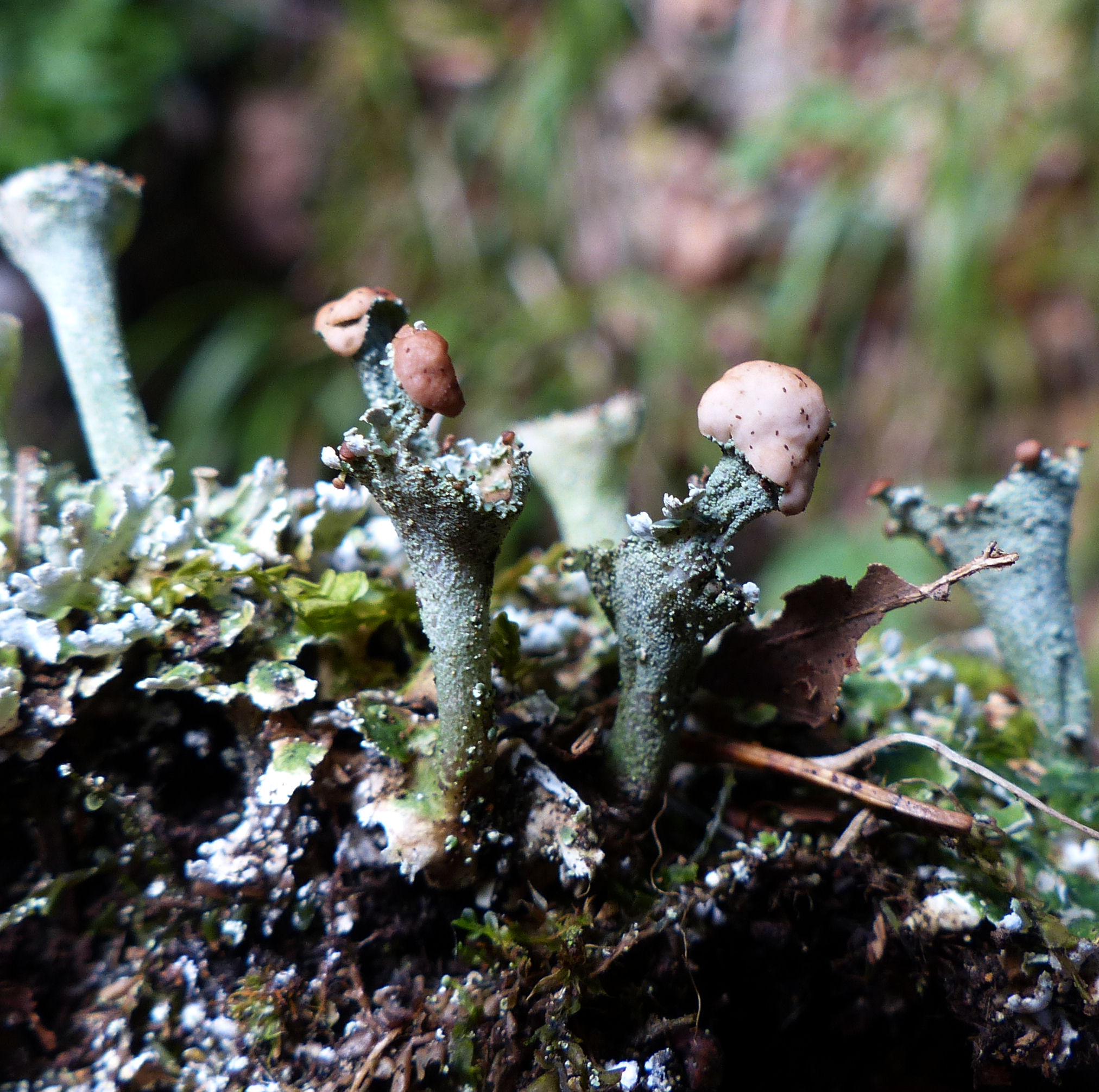
Andrea Moro; Owner: Department of Life Sciences, University of Trieste
Italy, Friuli Venezia Giulia, Udine, Lago di Sauris, Bosco della Stua, Carnic Alps (Ampezzo Carnico) 1000 m; altitude: 1000 m
12/08/2017
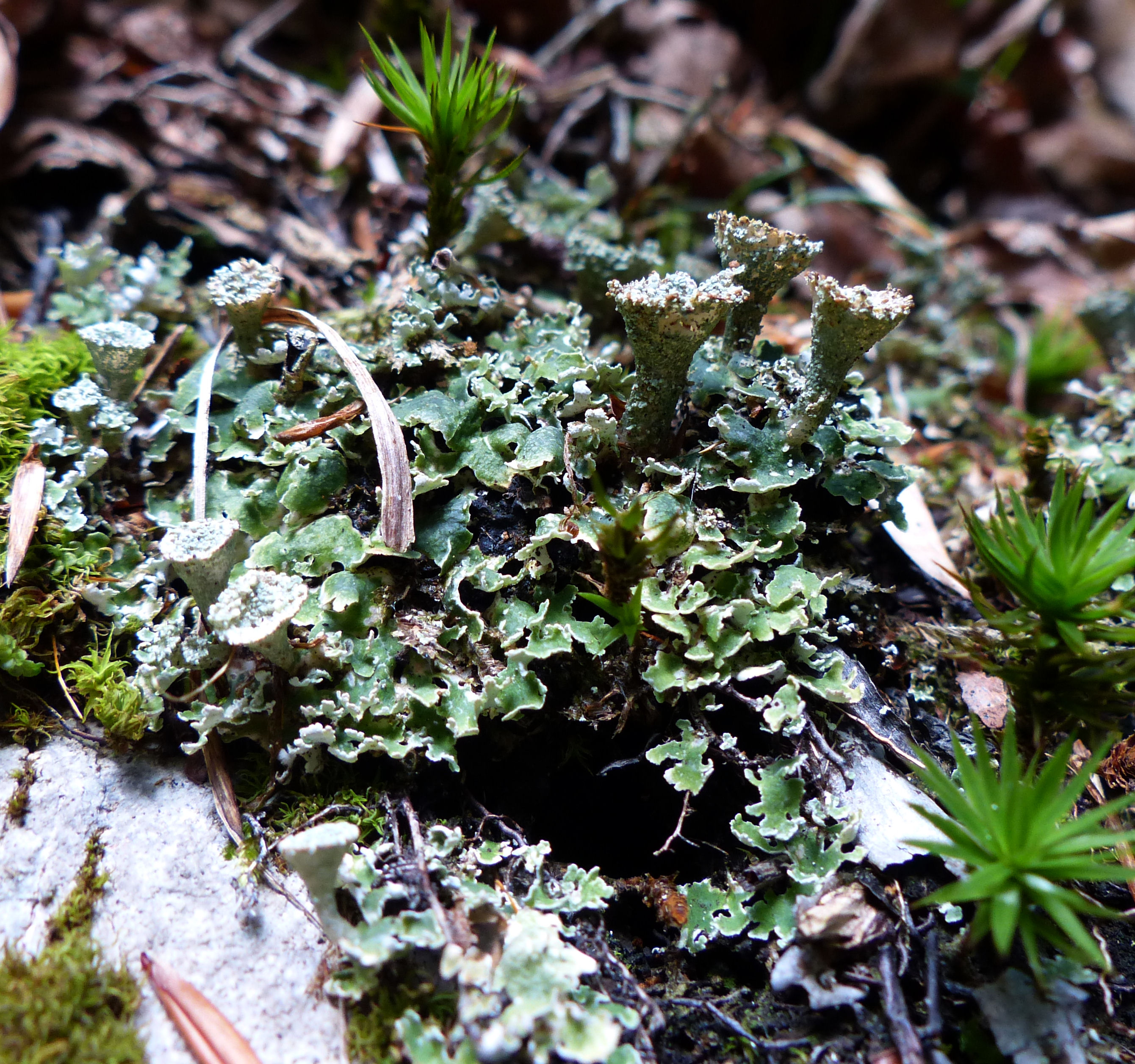
Andrea Moro; Owner: Department of Life Sciences, University of Trieste
Italy, Friuli Venezia Giulia, Udine, Lago di Sauris, Bosco della Stua, Carnic Alps (Ampezzo Carnico) 1000 m; altitude: 1000 m
12/08/2017

Andrea Moro; Owner: Department of Life Sciences, University of Trieste
Italy, Friuli Venezia Giulia, Udine, Lago di Sauris, Bosco della Stua, Carnic Alps (Ampezzo Carnico) 1000 m; altitude: 1000 m
12/08/2017

Andrea Moro; Owner: Department of Life Sciences, University of Trieste
Italy, Friuli Venezia Giulia, Udine, Lago di Sauris, Bosco della Stua, Carnic Alps (Ampezzo Carnico) 1000 m; altitude: 1000 m
12/08/2017
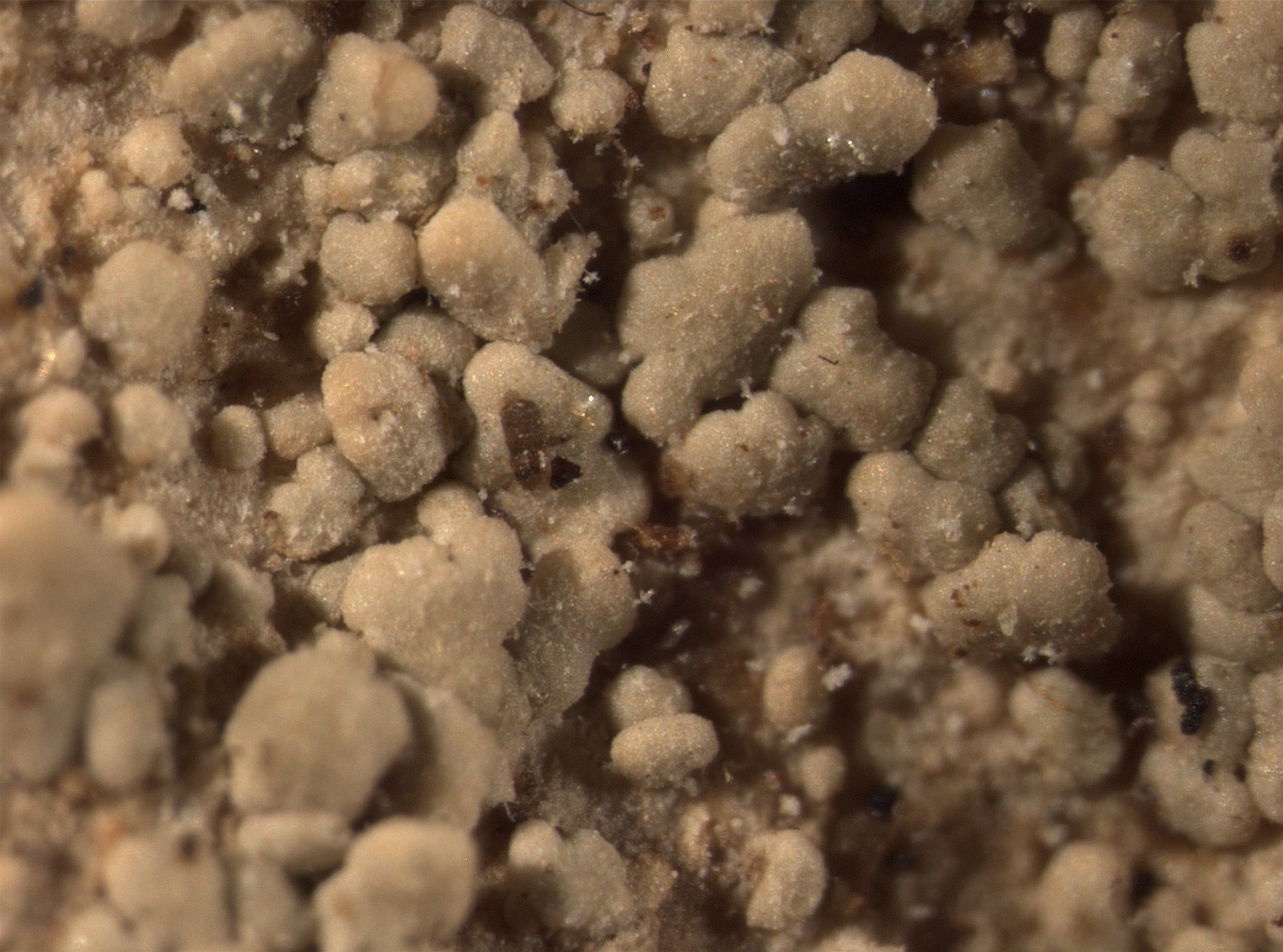
P.L. Nimis CC BY-SA 4.0
TSB 10553
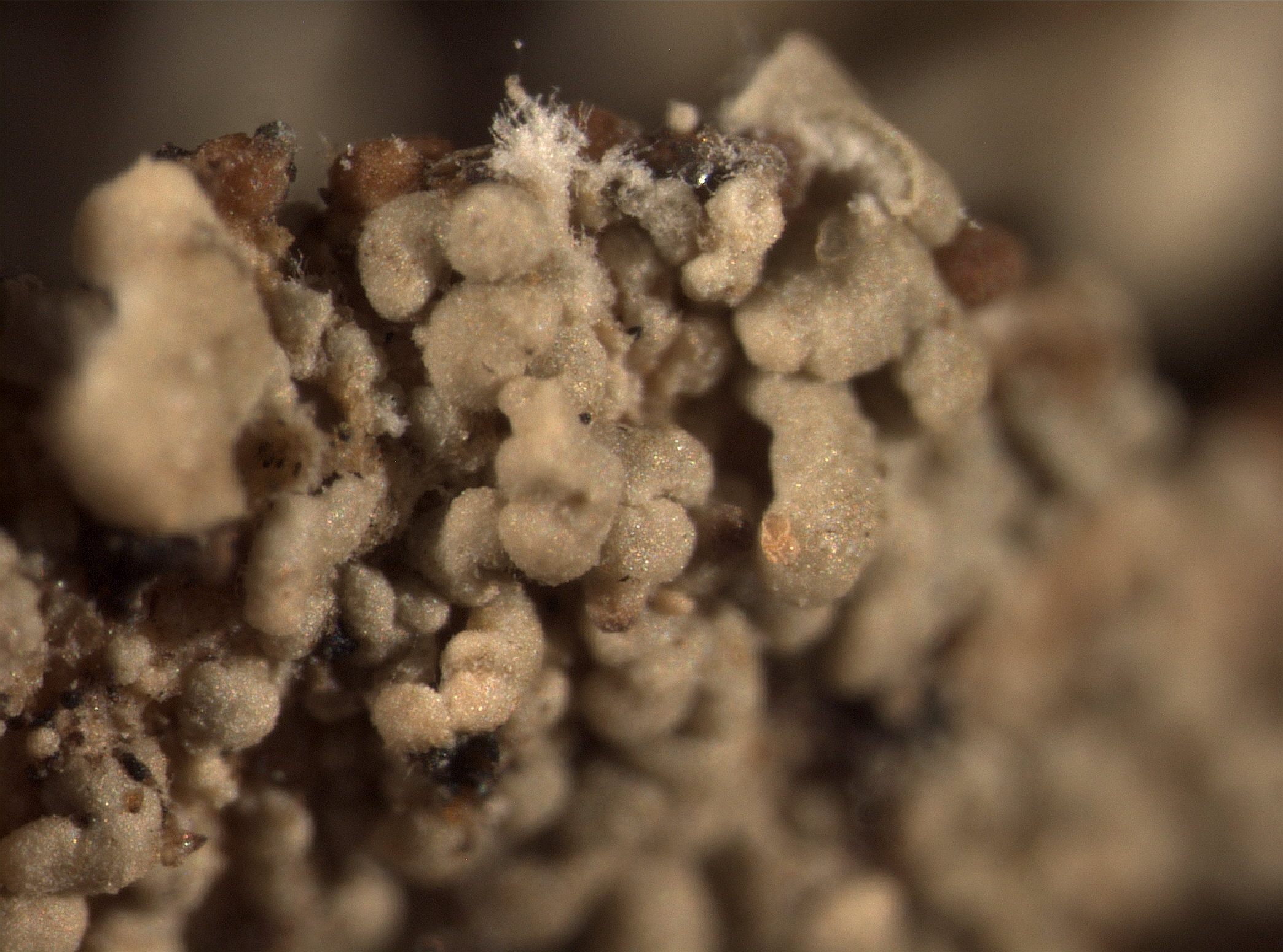
P.L. Nimis CC BY-SA 4.0
TSB 10553
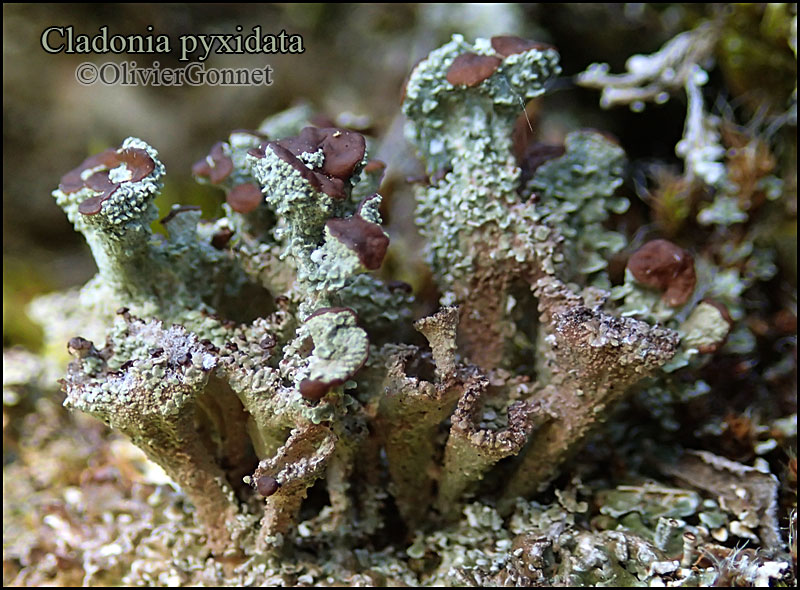
Courtesy Danièle et Olivier Gonnet - Source: https://www.afl-lichenologie.fr/Photos_AFL/Photos_AFL_C/Textes_C5/Cladonia_pyxidata.htm
Monte Stello - Corse
08/2010
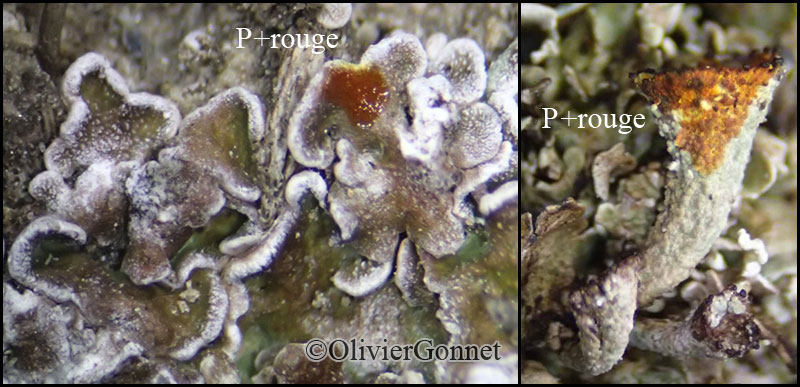
Courtesy Danièle et Olivier Gonnet - Source: https://www.afl-lichenologie.fr/Photos_AFL/Photos_AFL_C/Textes_C5/Cladonia_pyxidata.htm
Monte Stello - Corse
08/2010
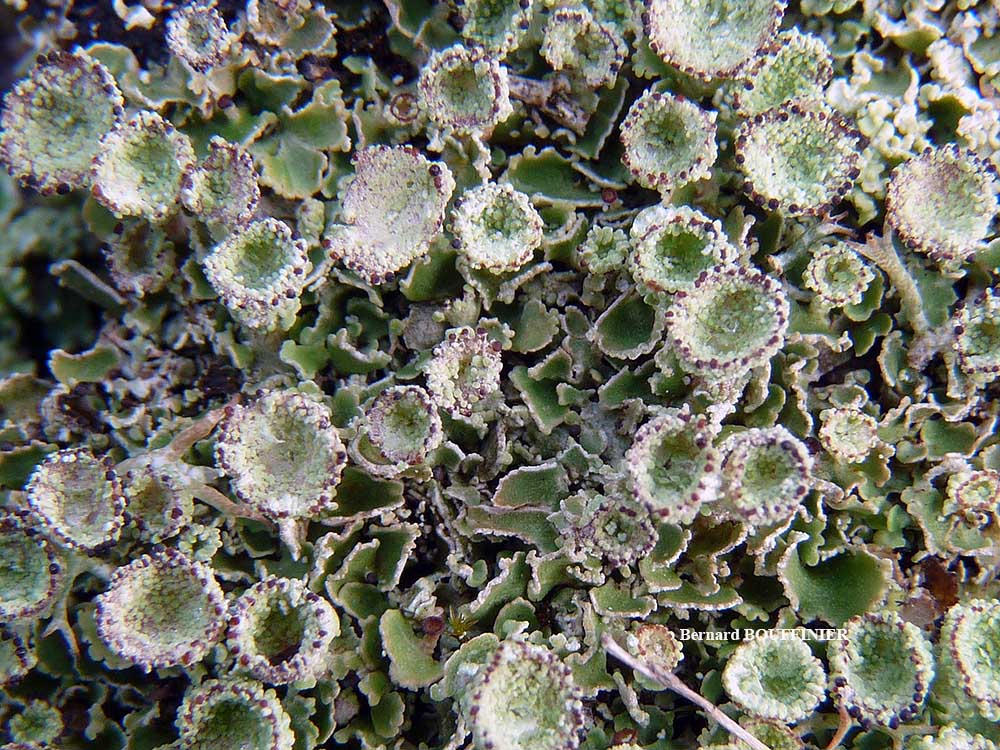
Bernard Bouffinier - Source: http://www.lichensmaritimes.org/index.php?task=fiche&lichen=483&lang=en
France, Crozon
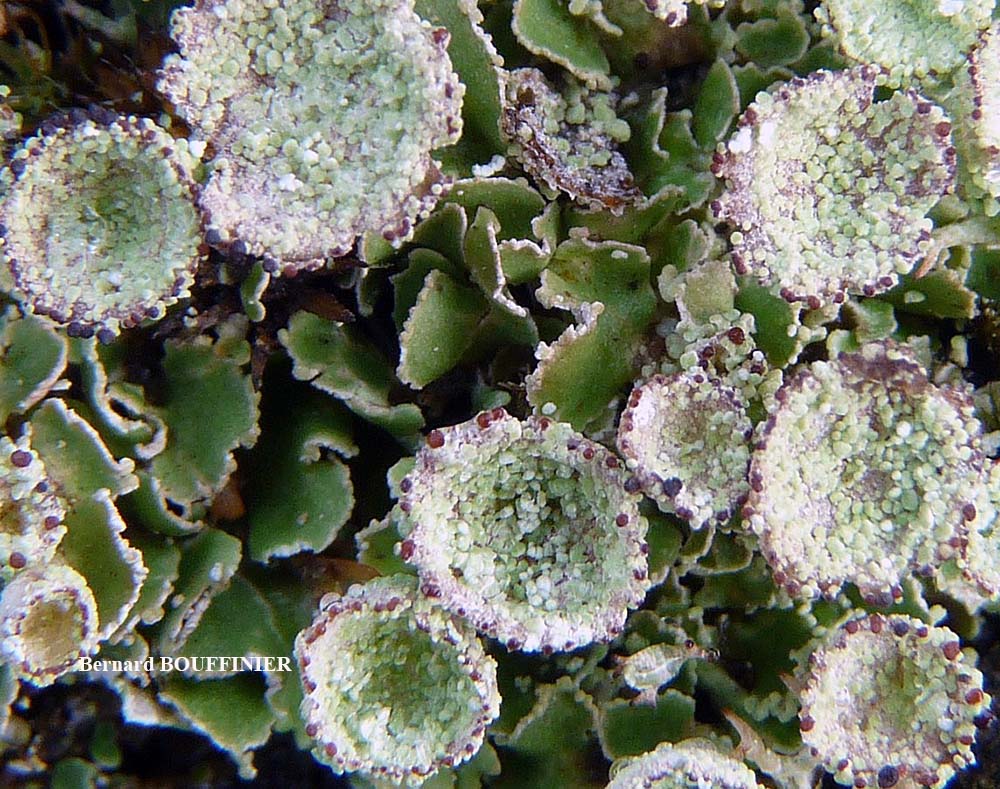
Bernard Bouffinier - Source: http://www.lichensmaritimes.org/index.php?task=fiche&lichen=483&lang=en
France, Crozon
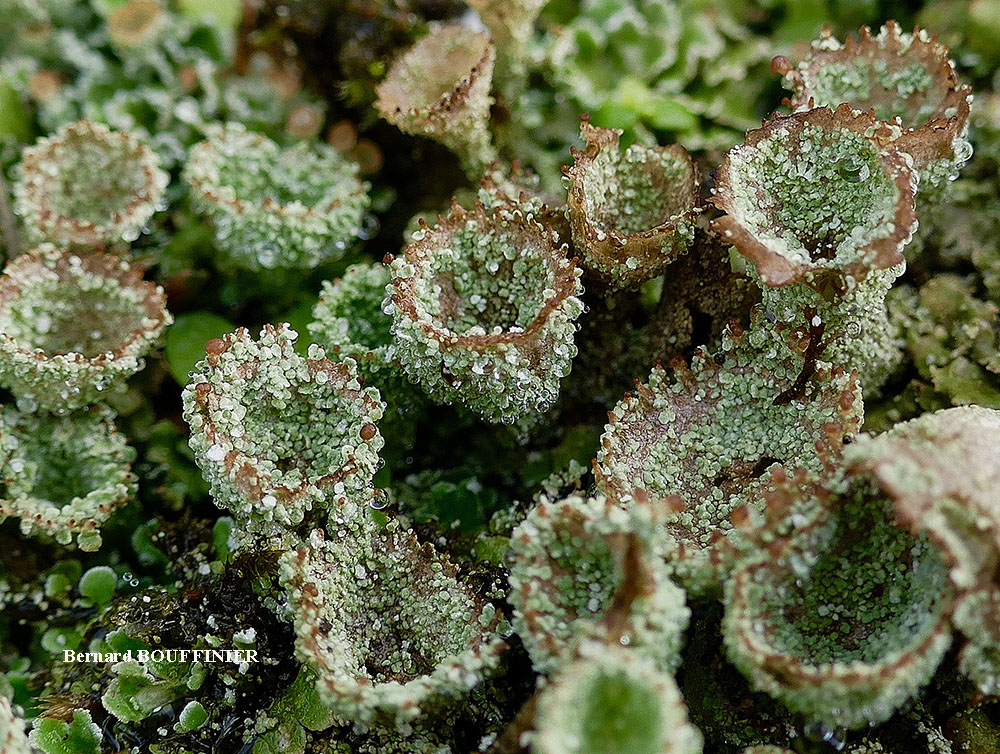
Bernard Bouffinier - Source: http://www.lichensmaritimes.org/index.php?task=fiche&lichen=483&lang=en
France, Pointe de Dinan
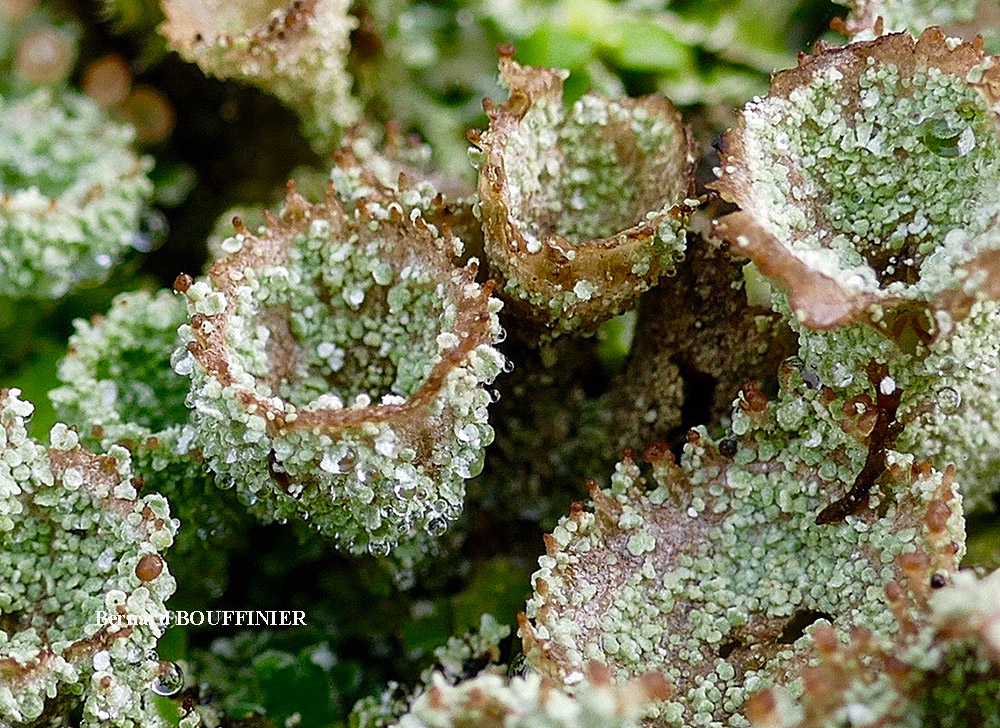
Bernard Bouffinier - Source: http://www.lichensmaritimes.org/index.php?task=fiche&lichen=483&lang=en
France, Pointe de Dinan
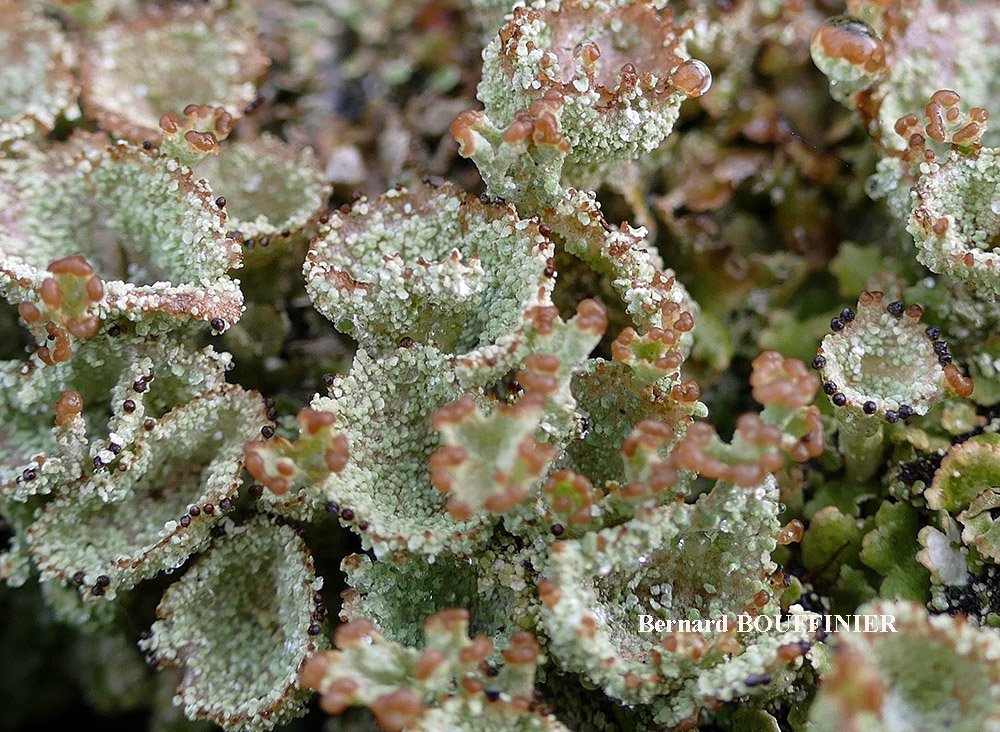
Bernard Bouffinier - Source: http://www.lichensmaritimes.org/index.php?task=fiche&lichen=483&lang=en
France, Pointe de Dinan
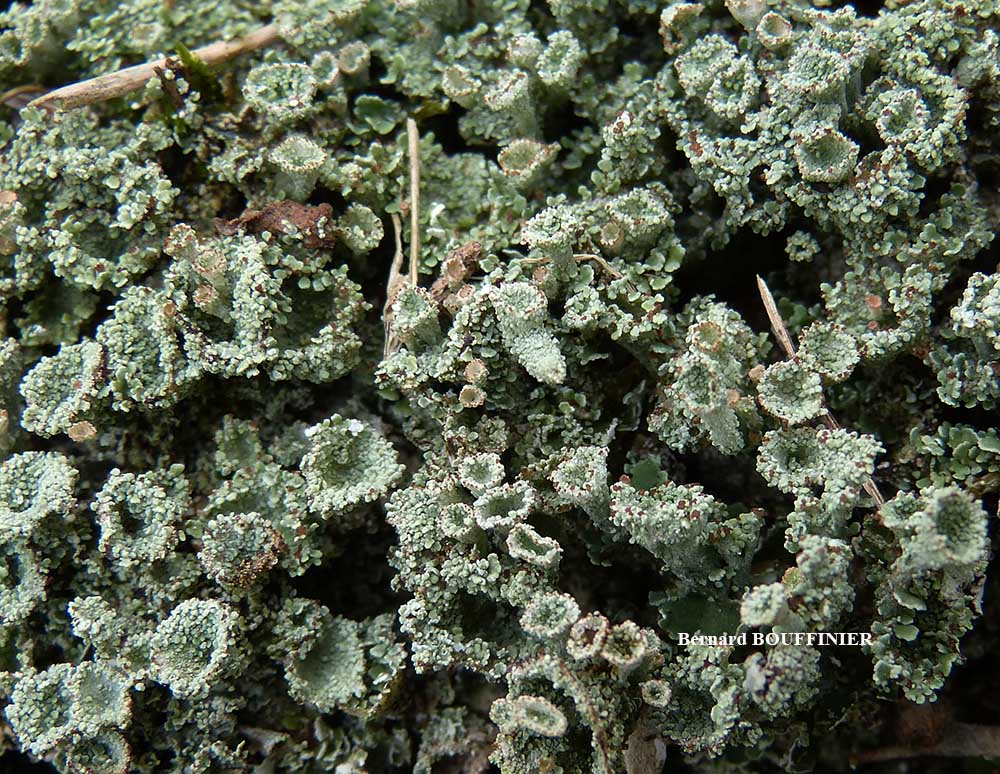
Bernard Bouffinier - Source: http://www.lichensmaritimes.org/index.php?task=fiche&lichen=483&lang=en
France, Rosnoen
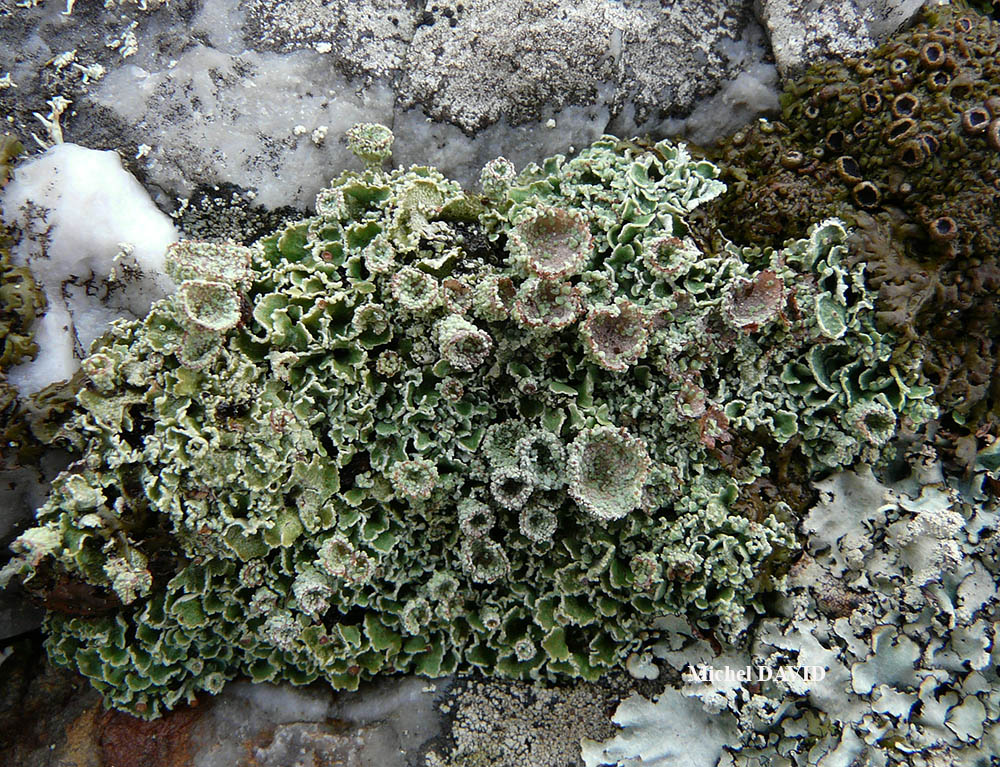
Michel David - Source: http://www.lichensmaritimes.org/index.php?task=fiche&lichen=483&lang=en
France, Pointe de Pen-Hir
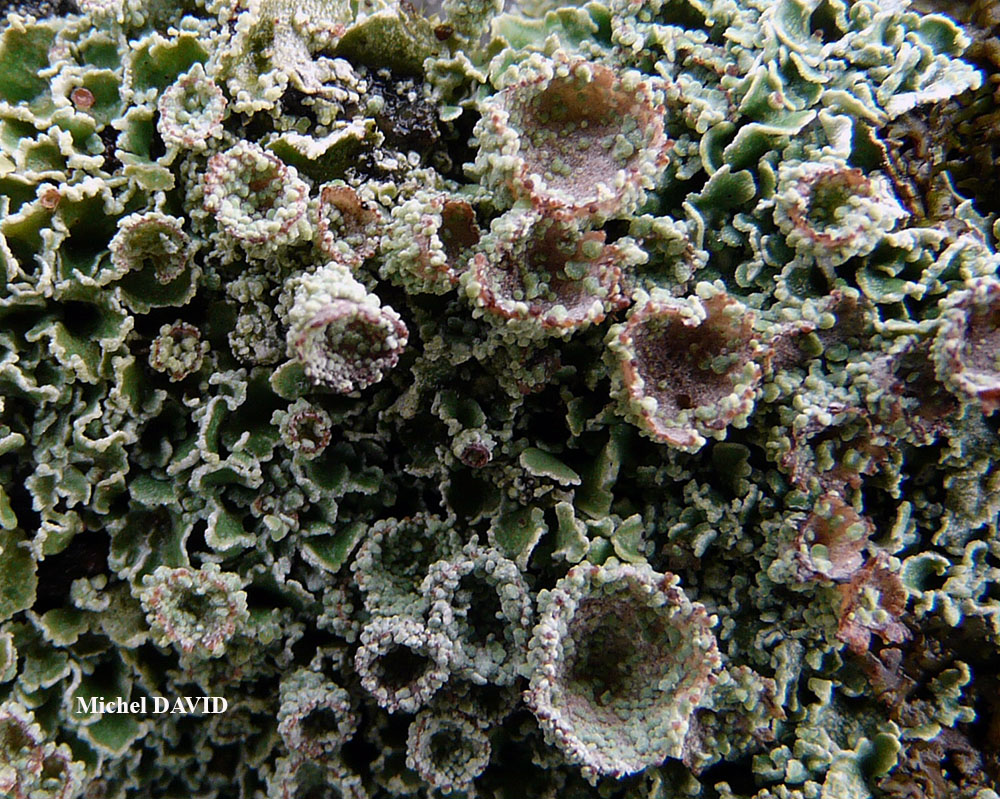
Michel David - Source: http://www.lichensmaritimes.org/index.php?task=fiche&lichen=483&lang=en
France, Pointe de Pen-Hir

Ulrich Kirschbaum CC BY-SA 4.0 - Source: https://www.thm.de/lse/ulrich-kirschbaum/flechtenbilder
Central Europe; Germany; Bavaria: Allgäu.

Leif Stridvall - Source: http://www.stridvall.se/la/galleries.php - Courtesy: Anita Stridvall

Collezione lichenologica Abramo Massalongo del Museo di Storia Naturale G. Ligabue di Venezia - Autori: Seggi, Linda; Trabucco, Raffaella Proprietà: Fondazione Musei Civici di Venezia - CC BY-NC
Italy, Veneto, in op. Tregnago

Felix Schumm - CC BY 4.0
[VZ1885], Suecia, Västmanlandia: Sala. Sala gruva, prope secturam Quenn Christina. Ad terram. Leg. R. Santesson (no. 24336(, 16.6.1973. EX A. VEZDA LICHENES SELECTI EXSICCATI NR. 1885.

Felix Schumm - CC BY 4.0
[VZ1885], Suecia, Västmanlandia: Sala. Sala gruva, prope secturam Quenn Christina. Ad terram. Leg. R. Santesson (no. 24336(, 16.6.1973. EX A. VEZDA LICHENES SELECTI EXSICCATI NR. 1885.
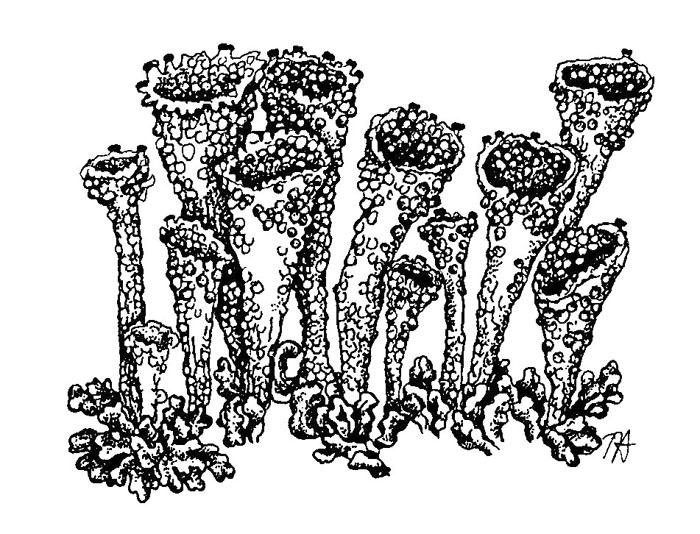
Triin Aimla; Owner: University of Tartu