Cladonia rangiferina (L.) F.H. Wigg.
Primit. Florae Holsat.: 90, 1780. Basionym: Lichen rangiferinus L. - Sp. Pl.: 1153, 1753.
Synonyms: Cladina alpestris (L.) Nyl. non auct.; Cladina rangiferina (L.) Nyl.; Cladonia alpestris (L.) Rabenh. non auct.; Cladonia vicaria R. Sant.
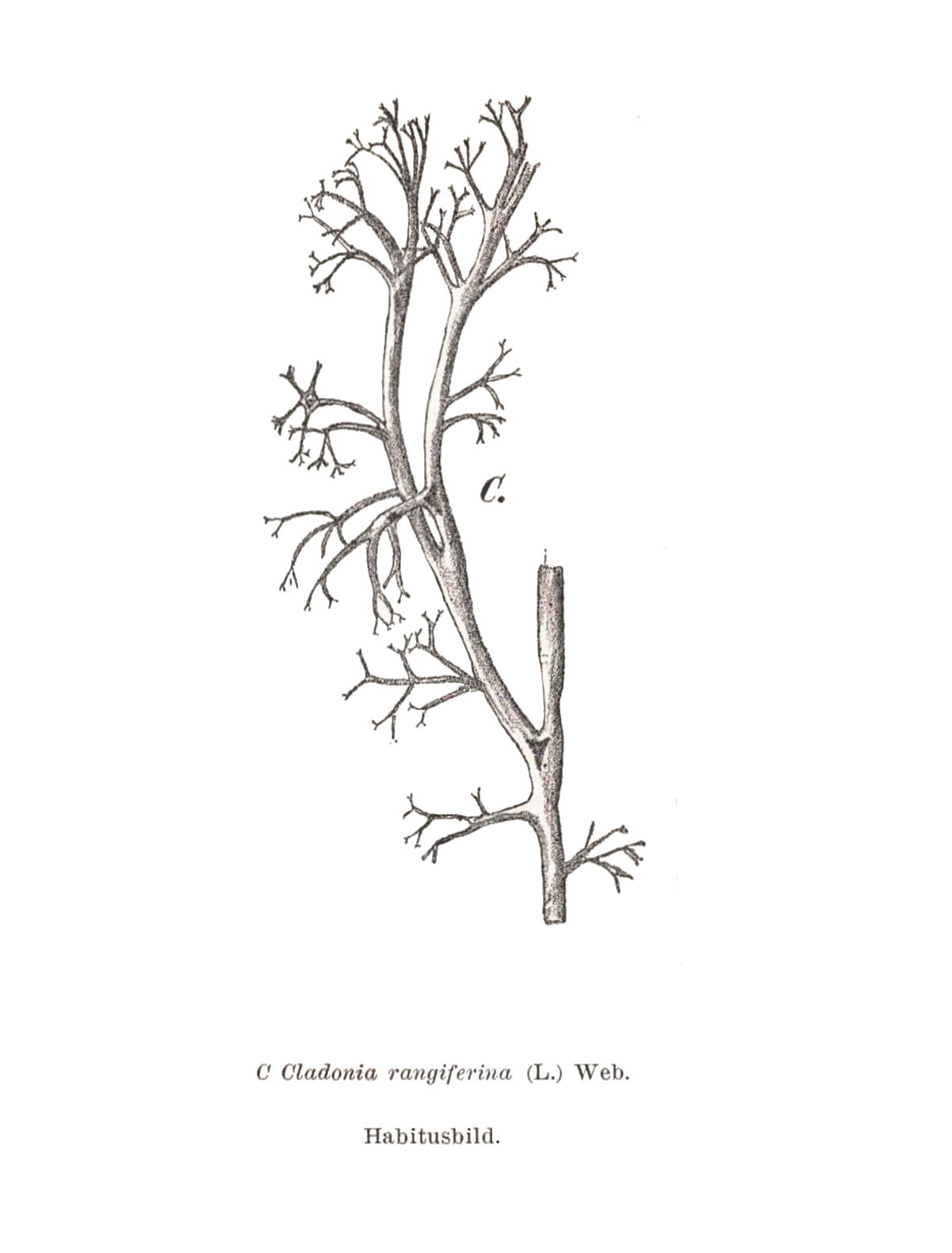
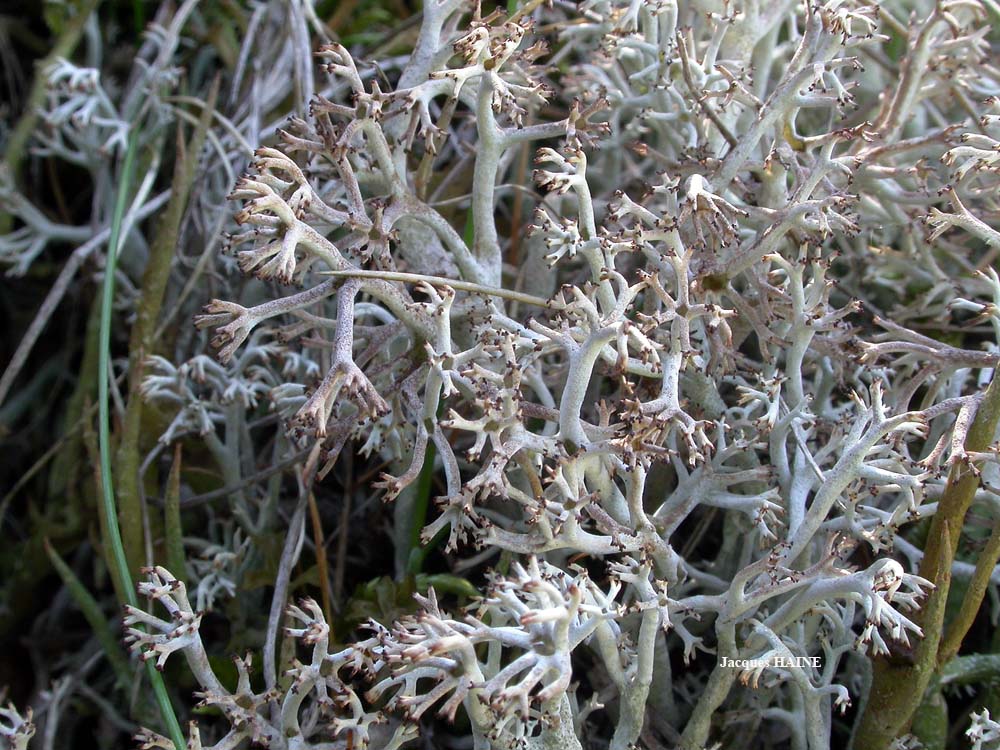
Description: Primary thallus crustose, ephemeral and rarely seen, consisting of thin, subglobose, 0.2-0.4 mm wide warts. Podetia shrubby, hollow inside, ash-grey, densely branched, loosely attached, anisotomically (i.e. main branches thicker) tri- or tetrachotomously branched, 3-8(-13) cm tall and up to 1.5(-2) mm thick, ecorticate, with an arachnoid surface; main axis paler towards the base, only secondarily somehow melanotic and only at the very base; tips of ramifications unilaterally deflexed, often browned, situated around an open axil. Inner side of the main axis grey, or black only at the very base. Apothecia rare, terminal, brown, convex, usually very small. Asci 8-spored, clavate, thickened at apex, with a K/I+ blue tholus and a K/I+ strongly blue outer gelatinous sheath, Cladonia-type. Ascospores 1-celled, hyaline, ellipsoid. Pycnidia dark, ovoid, semi-immersed on the tips of podetia with a colourless jelly. Conidia hyaline, curved. Photobiont chlorococcoid. Spot tests: K+ yellow sometimes slowly turning brown, C-, KC-, P+ red, UV-. Chemistry: fumarprotocetraric acid and atranorin.
Growth form: Fruticose
Substrata: soil, terricolous mosses, and plant debris
Photobiont: green algae other than Trentepohlia
Reproductive strategy: mainly asexual, by thallus fragmentation
Commonnes-rarity: (info)
Alpine belt: rather rare
Subalpine belt: very common
Montane belt: very rare
Dry submediterranean belt: absent
Humid submediterranean belt: absent
Padanian area: absent
pH of the substrata:
1 2 3 4 5

Solar irradiation:
1 2 3 4 5
Aridity:
1 2 3 4 5
Eutrophication:
1 2 3 4 5
Poleotolerance:
0 1 2 3
Altitudinal distribution:
1 2 3 4 5 6
Rarity
absent
extremely rare
very rare
rare
rather rare
rather common
common
very common
extremely common
Loading data...
Occurrence data
Predictive map
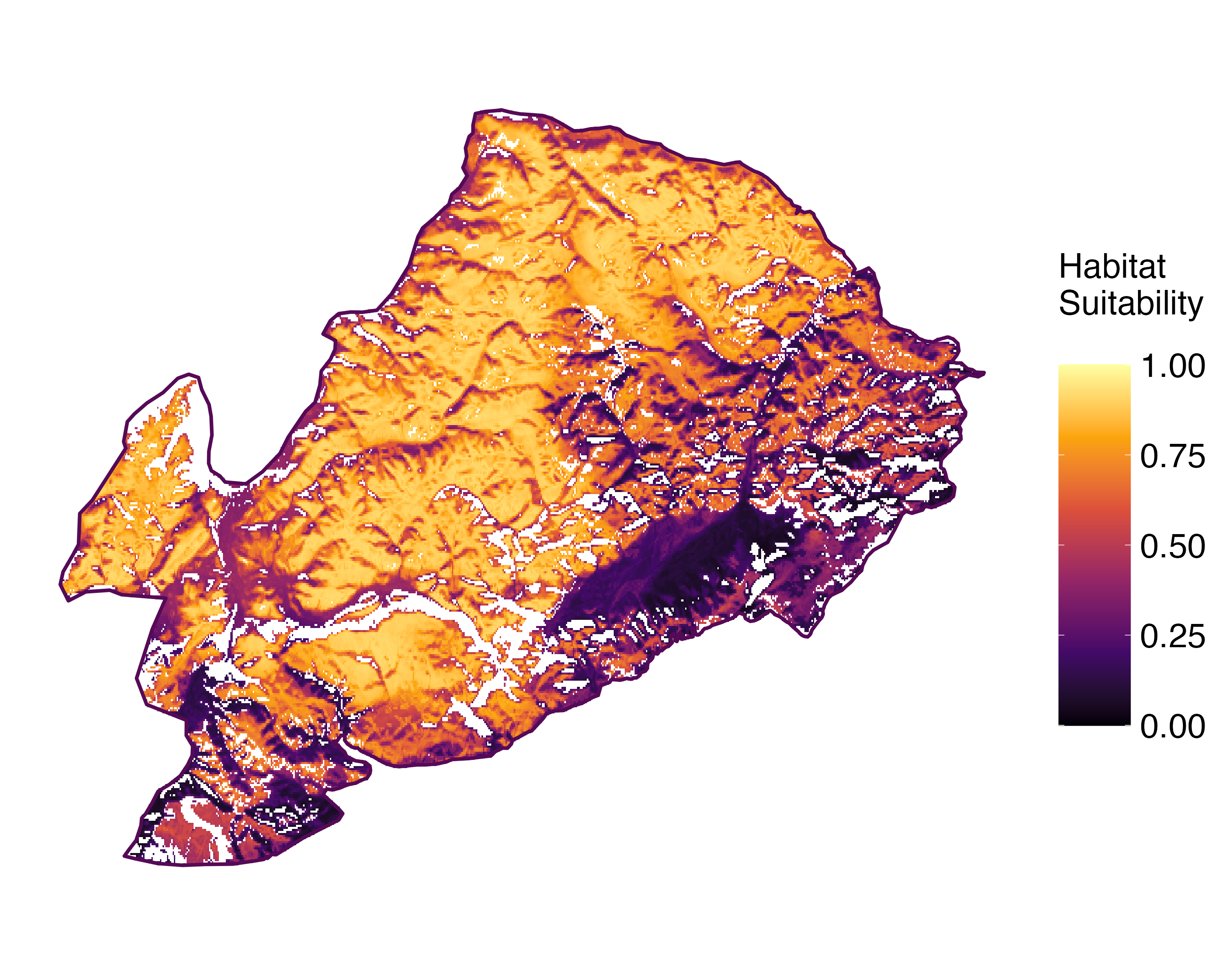 Current prediction (1981-2010)
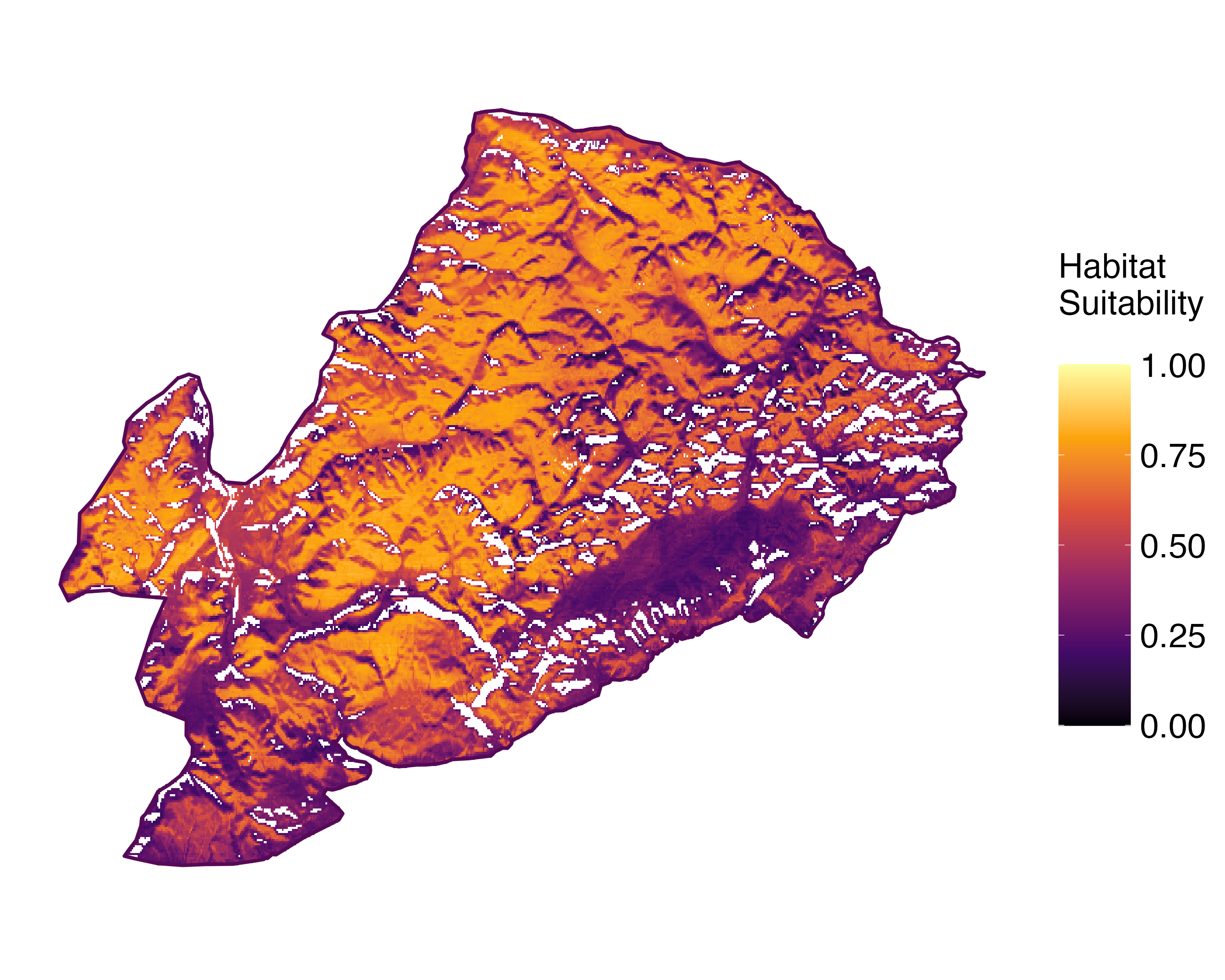 Future prediction (2071-2100) SSP 1-2.6
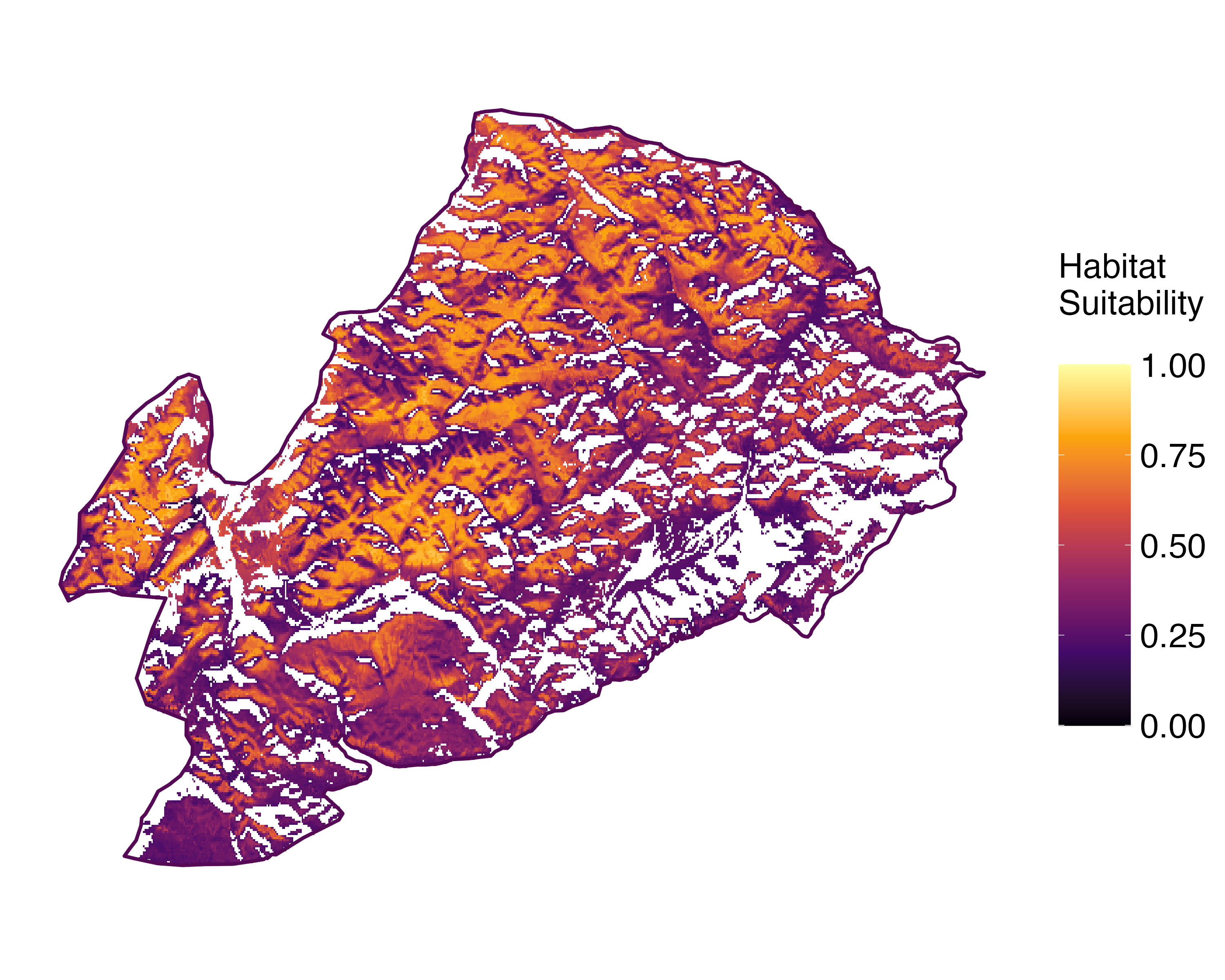 Future prediction (2071-2100) SSP 5-8.5Predictive maps according to Francesconi et al. 2025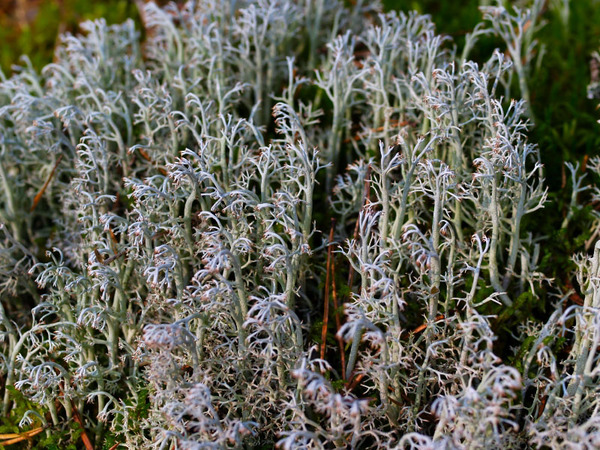
Andres Saag; Owner: University of Tartu
originally as Cladina rangiferina
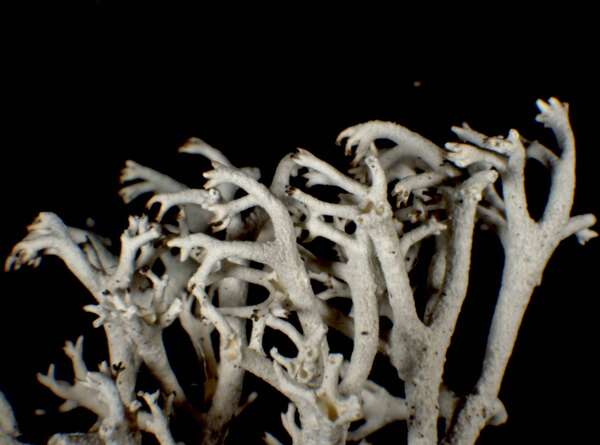
P.L. Nimis; Owner: Department of Life Sciences, University of Trieste
Herbarium: TSB (14039)
2001/12/04
tips of branches
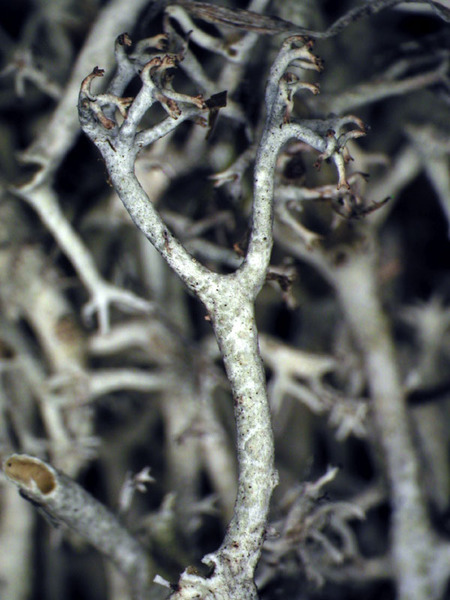
Andres Saag; Owner: University of Tartu
originally as Cladina rangiferina
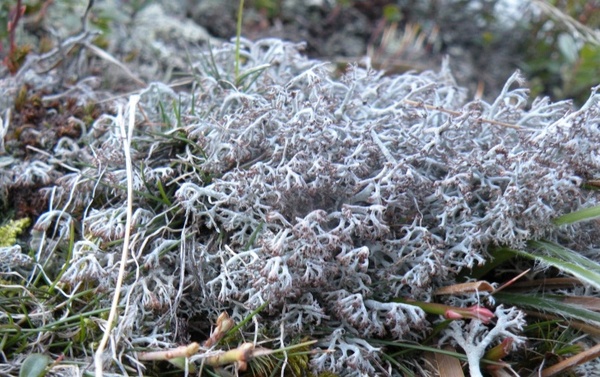
Gabriele Gheza, Tromello (PV); Owner: Gabriele Gheza, Tromello (PV)
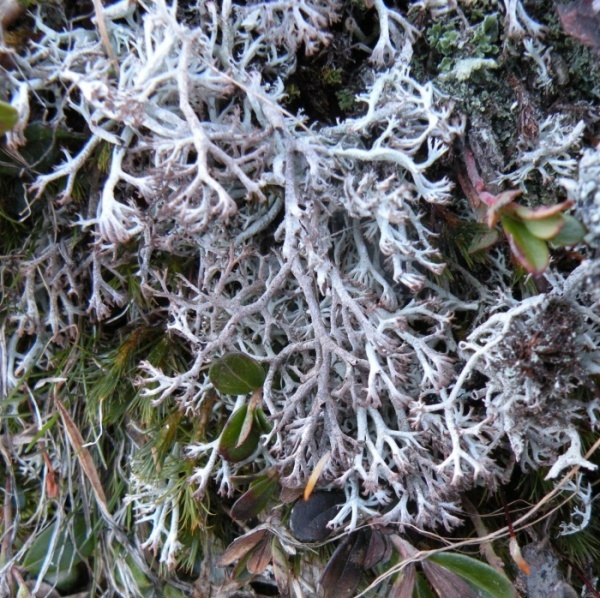
Gabriele Gheza, Tromello (PV); Owner: Gabriele Gheza, Tromello (PV)
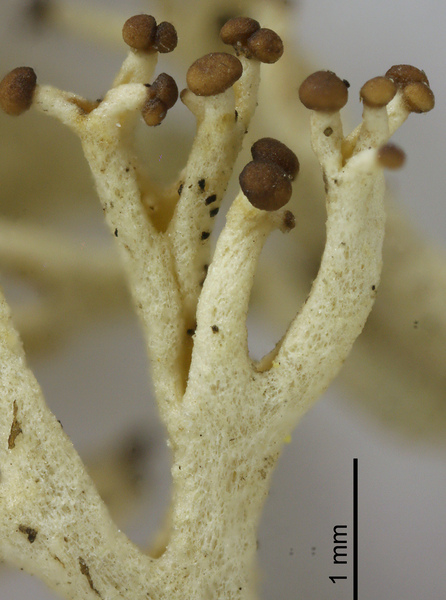
Felix Schumm – CC BY-SA 4.0
[4377], Schweiz, Davos Wolfgang, Richtung Drussetscha-Wald, Felsblockhalde mit Kiefern und Fichten, feucht, kalt, schattig, Hanglage, nördlich einer kleinen Moorwiese, ca. 1665 m. Leg. et det. Schumm 21.09.1974.
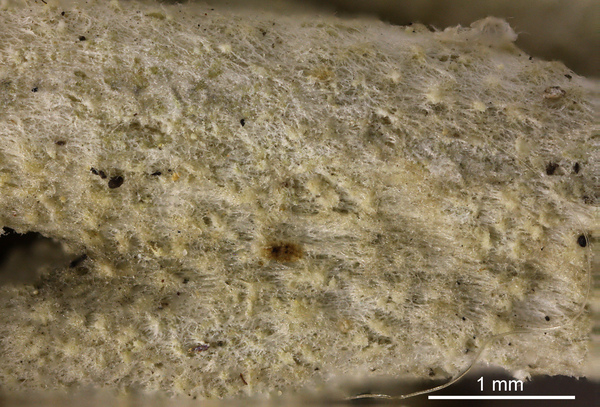
Felix Schumm – CC BY-SA 4.0
[4377], Schweiz, Davos Wolfgang, Richtung Drussetscha-Wald, Felsblockhalde mit Kiefern und Fichten, feucht, kalt, schattig, Hanglage, nördlich einer kleinen Moorwiese, ca. 1665 m. Leg. et det. Schumm 21.09.1974.
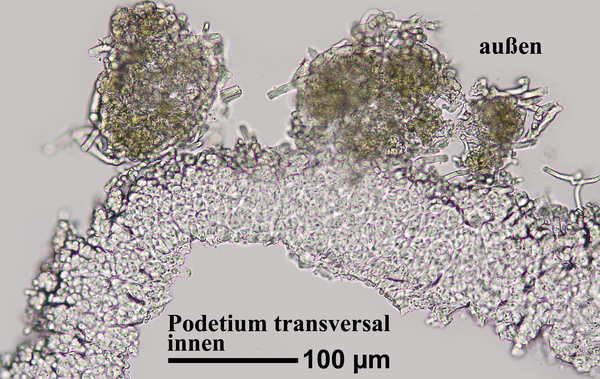
Felix Schumm – CC BY-SA 4.0
[4377], Schweiz, Davos Wolfgang, Richtung Drussetscha-Wald, Felsblockhalde mit Kiefern und Fichten, feucht, kalt, schattig, Hanglage, nördlich einer kleinen Moorwiese, ca. 1665 m. Leg. et det. Schumm 21.09.1974.
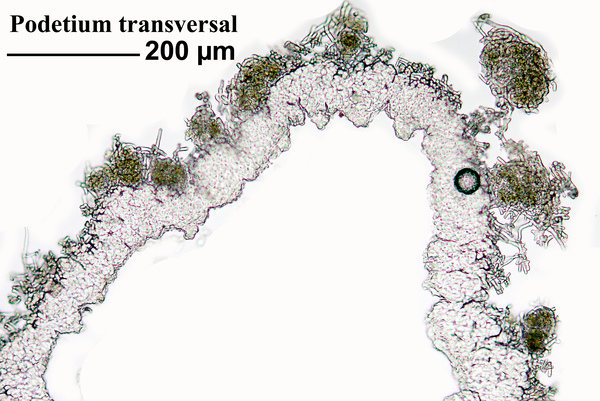
Felix Schumm – CC BY-SA 4.0
[4377], Schweiz, Davos Wolfgang, Richtung Drussetscha-Wald, Felsblockhalde mit Kiefern und Fichten, feucht, kalt, schattig, Hanglage, nördlich einer kleinen Moorwiese, ca. 1665 m. Leg. et det. Schumm 21.09.1974.
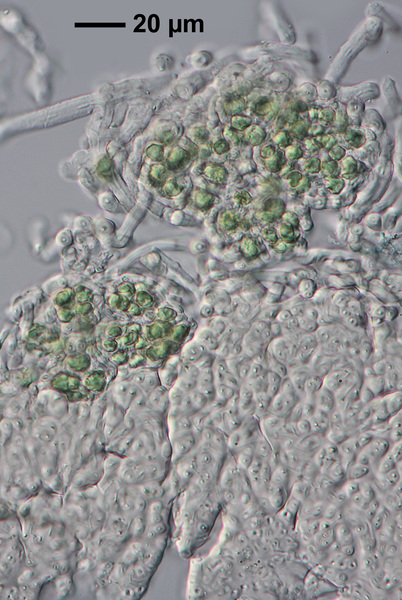
Felix Schumm – CC BY-SA 4.0
[4377], Schweiz, Davos Wolfgang, Richtung Drussetscha-Wald, Felsblockhalde mit Kiefern und Fichten, feucht, kalt, schattig, Hanglage, nördlich einer kleinen Moorwiese, ca. 1665 m. Leg. et det. Schumm 21.09.1974.
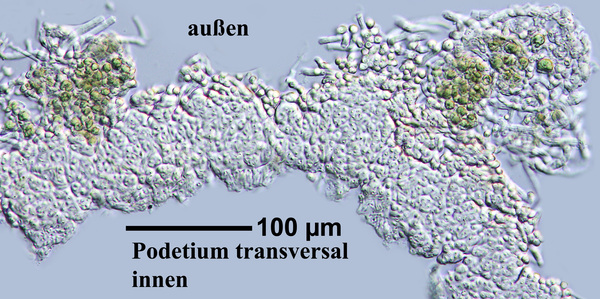
Felix Schumm – CC BY-SA 4.0
[4377], Schweiz, Davos Wolfgang, Richtung Drussetscha-Wald, Felsblockhalde mit Kiefern und Fichten, feucht, kalt, schattig, Hanglage, nördlich einer kleinen Moorwiese, ca. 1665 m. Leg. et det. Schumm 21.09.1974.
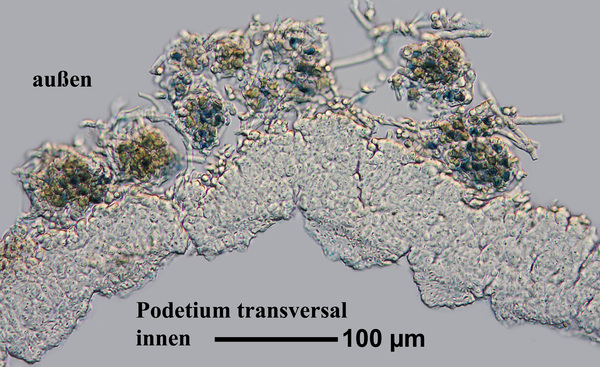
Felix Schumm – CC BY-SA 4.0
[4377], Schweiz, Davos Wolfgang, Richtung Drussetscha-Wald, Felsblockhalde mit Kiefern und Fichten, feucht, kalt, schattig, Hanglage, nördlich einer kleinen Moorwiese, ca. 1665 m. Leg. et det. Schumm 21.09.1974.
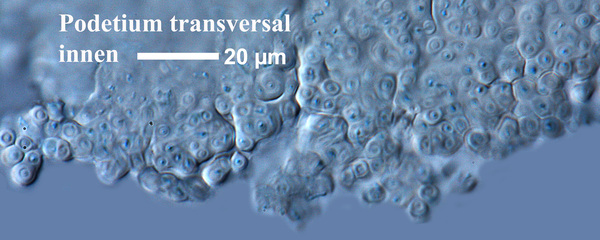
Felix Schumm – CC BY-SA 4.0
[4377], Schweiz, Davos Wolfgang, Richtung Drussetscha-Wald, Felsblockhalde mit Kiefern und Fichten, feucht, kalt, schattig, Hanglage, nördlich einer kleinen Moorwiese, ca. 1665 m. Leg. et det. Schumm 21.09.1974.
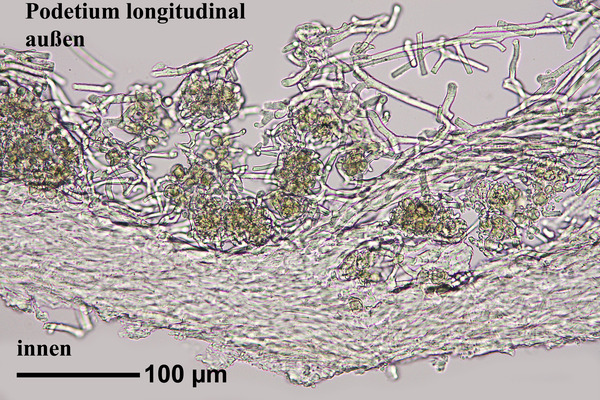
Felix Schumm – CC BY-SA 4.0
[4377], Schweiz, Davos Wolfgang, Richtung Drussetscha-Wald, Felsblockhalde mit Kiefern und Fichten, feucht, kalt, schattig, Hanglage, nördlich einer kleinen Moorwiese, ca. 1665 m. Leg. et det. Schumm 21.09.1974.
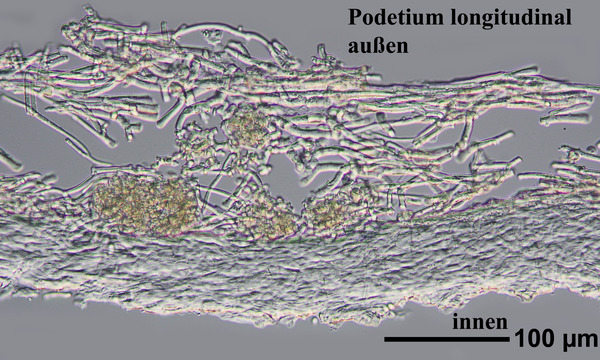
Felix Schumm – CC BY-SA 4.0
[4377], Schweiz, Davos Wolfgang, Richtung Drussetscha-Wald, Felsblockhalde mit Kiefern und Fichten, feucht, kalt, schattig, Hanglage, nördlich einer kleinen Moorwiese, ca. 1665 m. Leg. et det. Schumm 21.09.1974.
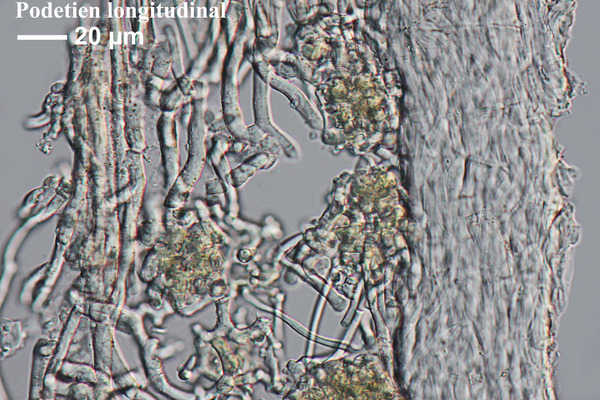
Felix Schumm – CC BY-SA 4.0
[4377], Schweiz, Davos Wolfgang, Richtung Drussetscha-Wald, Felsblockhalde mit Kiefern und Fichten, feucht, kalt, schattig, Hanglage, nördlich einer kleinen Moorwiese, ca. 1665 m. Leg. et det. Schumm 21.09.1974.
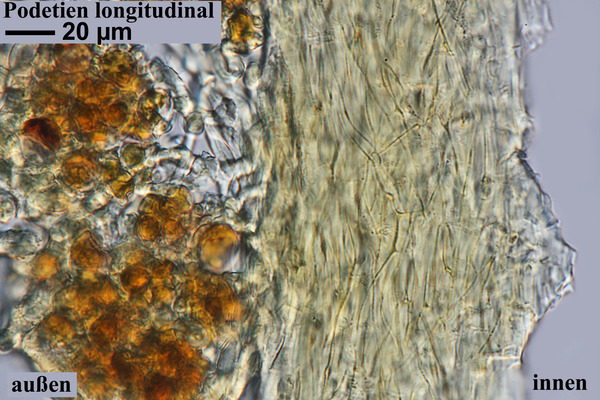
Felix Schumm – CC BY-SA 4.0
[4377], Schweiz, Davos Wolfgang, Richtung Drussetscha-Wald, Felsblockhalde mit Kiefern und Fichten, feucht, kalt, schattig, Hanglage, nördlich einer kleinen Moorwiese, ca. 1665 m. Leg. et det. Schumm 21.09.1974.
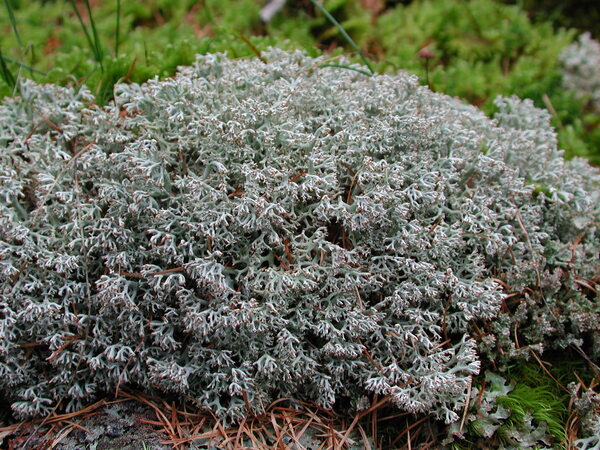
Juri Nascimbene - CC BY-SA 4.0
Italy, Trentino-Alto Adige, Trento, Val di Rabbi
2006
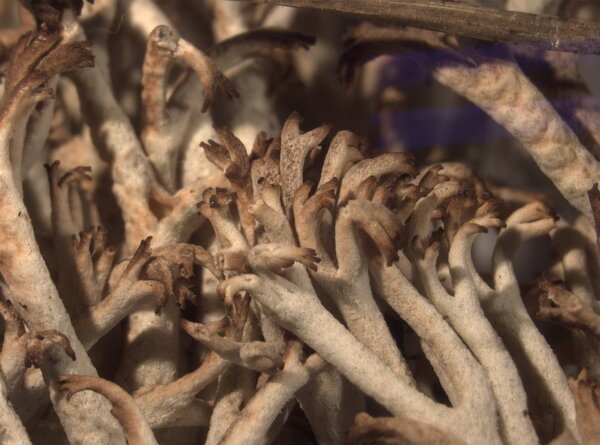
Pier Luigi Nimis - CC BY-SA 4.0
TSB 43964
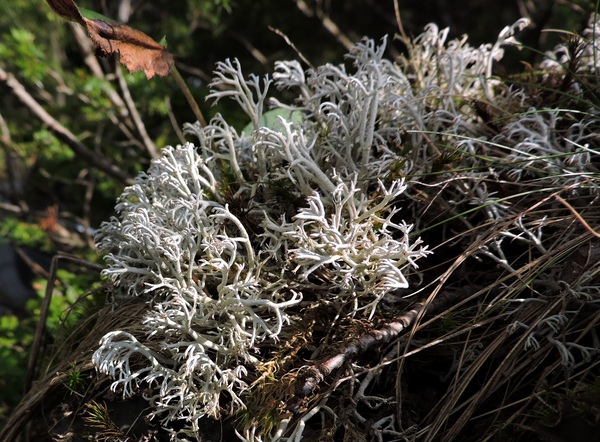
Gabriele Gheza - https://lichenidilombardia.home.blog
Italy, Lombardia, Sondrio, Pian Gembro, 1400 m
08/2018
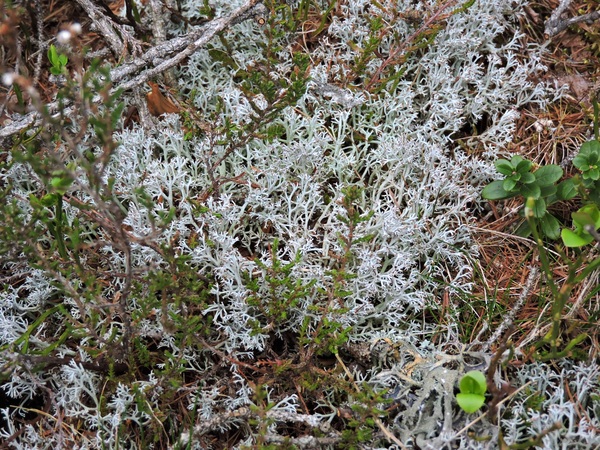
Gabriele Gheza - https://lichenidilombardia.home.blog
Italy, Lombardia, Bergamo, Vilminore di Scalve, 1530 m
30/04/2018
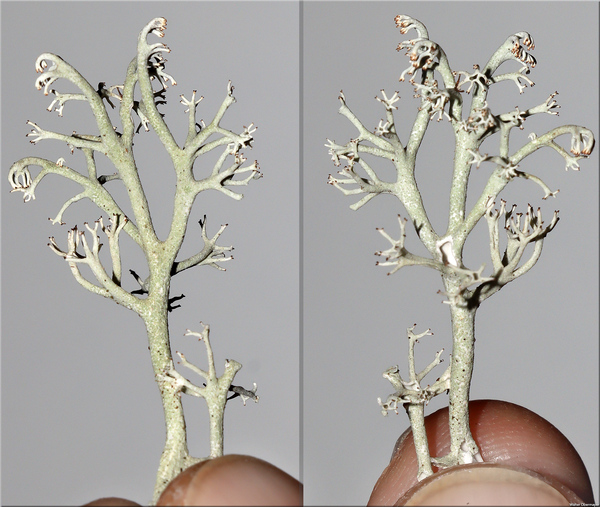
Walter Obermayer CC BY-SA 4.0 - Source: Lichens of Noricum - http://lichens-of-noricum.uni-graz.at/
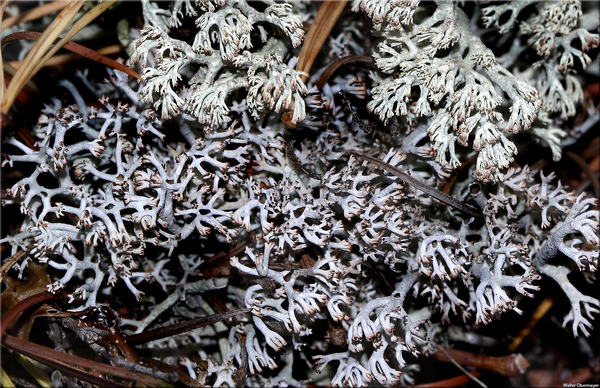
Walter Obermayer CC BY-SA 4.0 - Source: Lichens of Noricum - http://lichens-of-noricum.uni-graz.at/
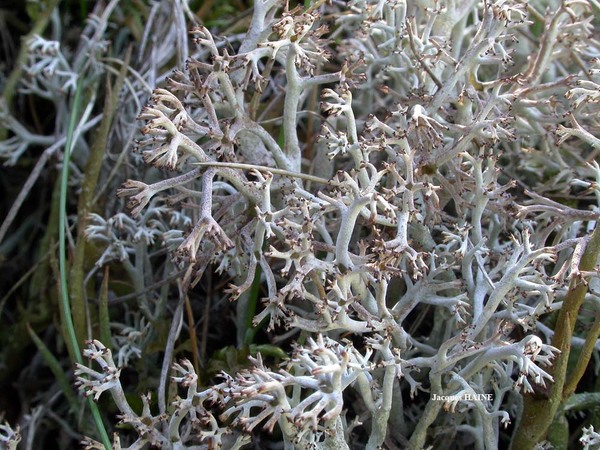
Jacques Haine - Source: http://www.lichensmaritimes.org/index.php?task=fiche&lichen=490&lang=en
Italy, Valle d'Aoste
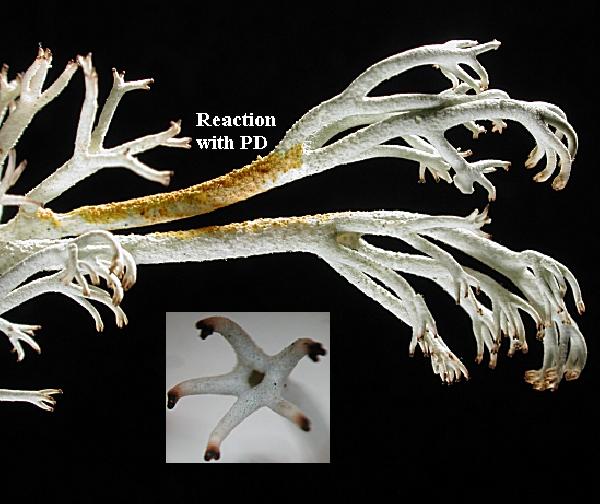
Ulrich Kirschbaum CC BY-SA 4.0 - Source: https://www.thm.de/lse/ulrich-kirschbaum/flechtenbilder
Central Europe
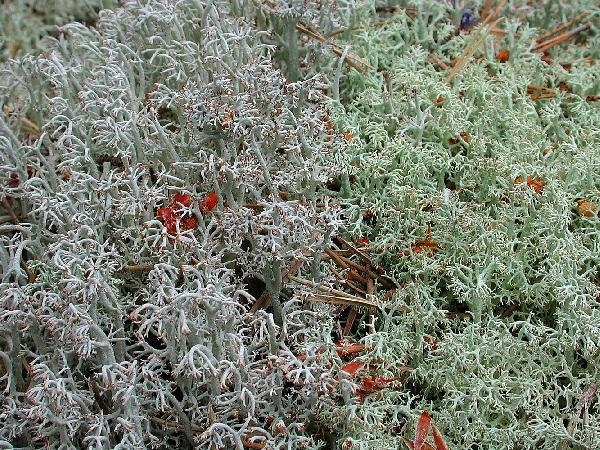
Ulrich Kirschbaum CC BY-SA 4.0 - Source: https://www.thm.de/lse/ulrich-kirschbaum/flechtenbilder
Sweden: Värmland.
with C. arbuscula (right)

Wolfgang von Brackel - CC BY-4.0
Czech Republic, Halkova chata

Wolfgang von Brackel - CC BY-4.0
Germany, Bavaria, Bärenriegel-Bayerwald

Wolfgang von Brackel - CC BY-4.0
Germany, Bavaria, Kreither Forst

Wolfgang von Brackel - CC BY-4.0
Italy, Toscana, Abetone
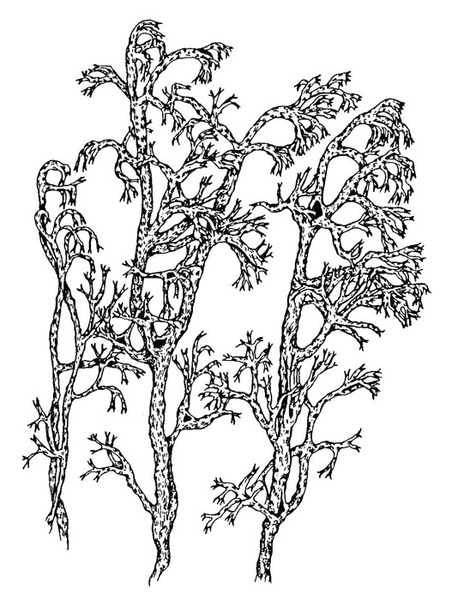
Triin Aimla; Owner: University of Tartu
originally as Cladina rangiferina
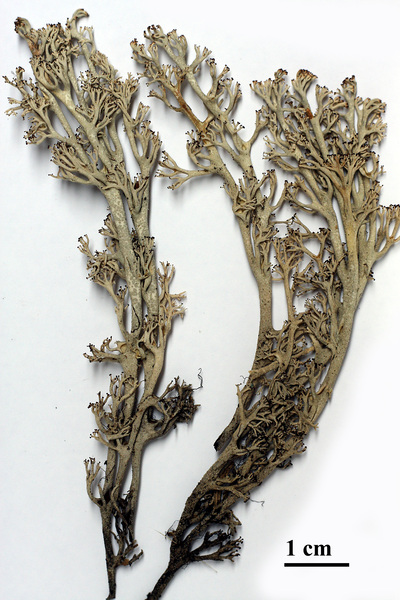
Felix Schumm – CC BY-SA 4.0
[4377], Schweiz, Davos Wolfgang, Richtung Drussetscha-Wald, Felsblockhalde mit Kiefern und Fichten, feucht, kalt, schattig, Hanglage, nördlich einer kleinen Moorwiese, ca. 1665 m. Leg. et det. Schumm 21.09.1974.
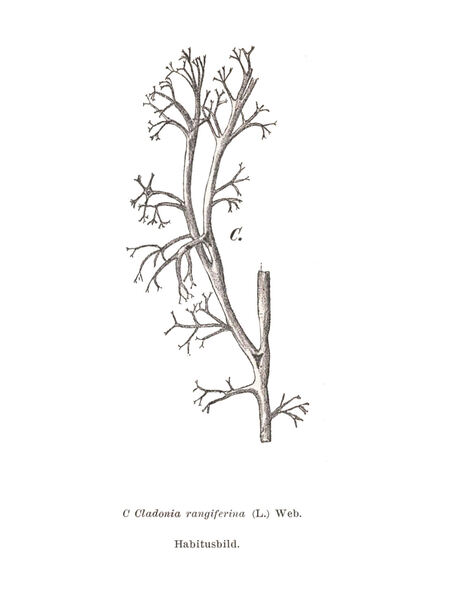
Zahlbruckner A. 1926. Lichenes (Flechten). In: Engler A. (ed.): Die natürlichen Pflanzenfamilien. 2nd ed., vol 8, W. Engelmann, Leipzig, 270 pp.
Growth form: Fruticose
Substrata: soil, terricolous mosses, and plant debris
Photobiont: green algae other than Trentepohlia
Reproductive strategy: mainly asexual, by thallus fragmentation
Commonnes-rarity: (info)
Alpine belt: rather rare
Subalpine belt: very common
Montane belt: very rare
Dry submediterranean belt: absent
Humid submediterranean belt: absent
Padanian area: absent
pH of the substrata:
| 1 | 2 | 3 | 4 | 5 |
Solar irradiation:
| 1 | 2 | 3 | 4 | 5 |
Aridity:
| 1 | 2 | 3 | 4 | 5 |
Eutrophication:
| 1 | 2 | 3 | 4 | 5 |
Poleotolerance:
| 0 | 1 | 2 | 3 |
Altitudinal distribution:
| 1 | 2 | 3 | 4 | 5 | 6 |
Rarity
absent
extremely rare
very rare
rare
rather rare
rather common
common
very common
extremely common
Loading data...
Occurrence data
Predictive map
Current prediction (1981-2010)Future prediction (2071-2100) SSP 1-2.6Future prediction (2071-2100) SSP 5-8.5Predictive maps according to Francesconi et al. 2025
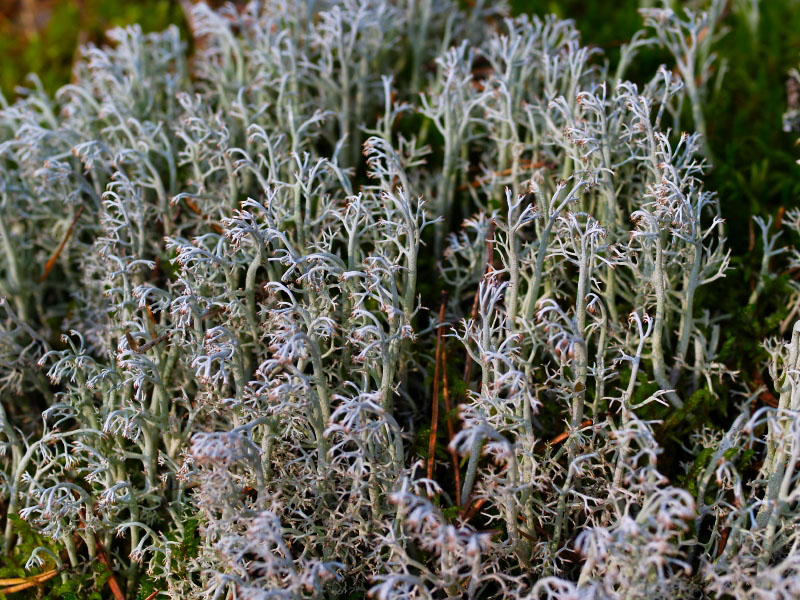
Andres Saag; Owner: University of Tartu
originally as Cladina rangiferina
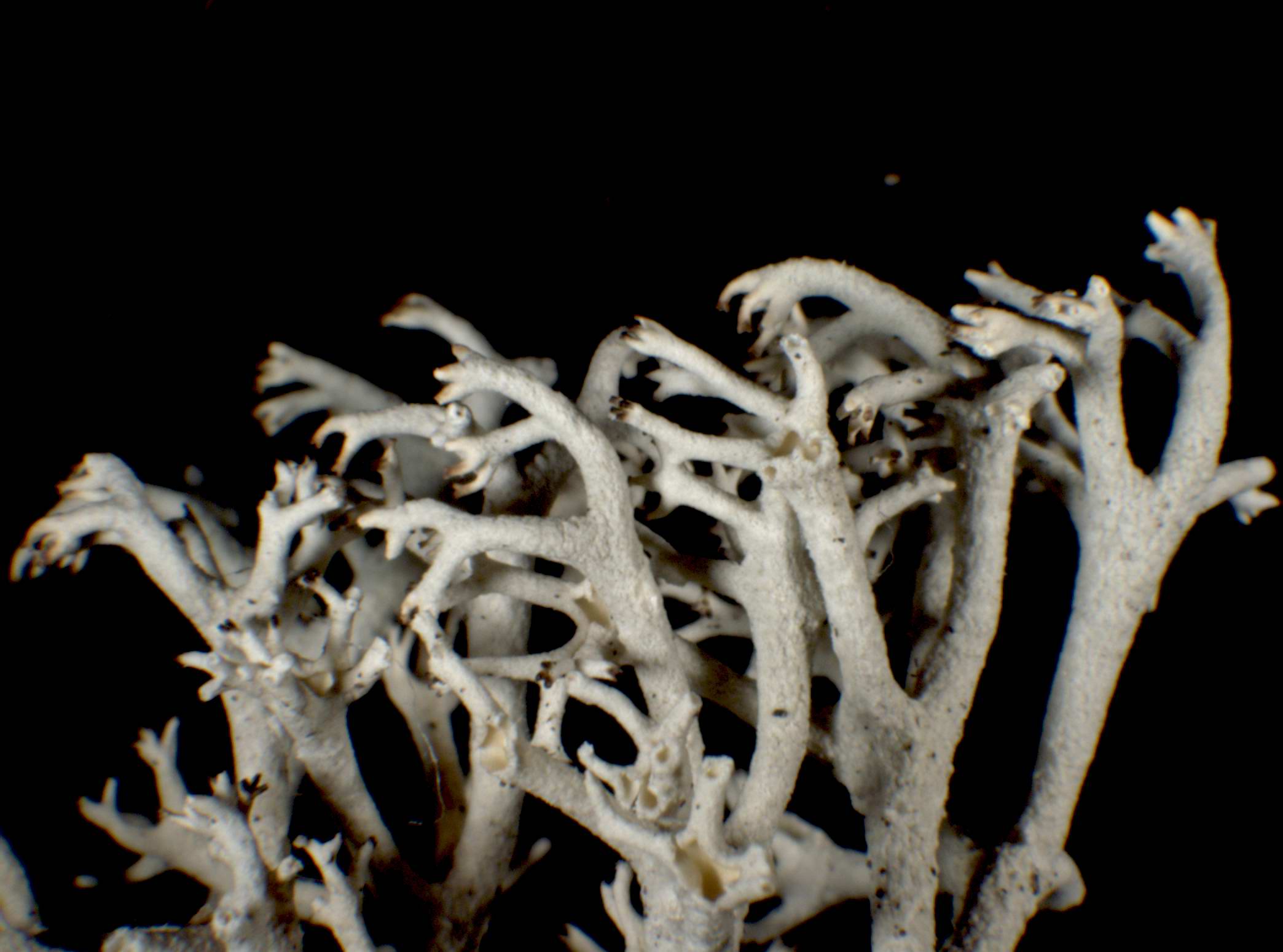
P.L. Nimis; Owner: Department of Life Sciences, University of Trieste
Herbarium: TSB (14039)
2001/12/04
tips of branches
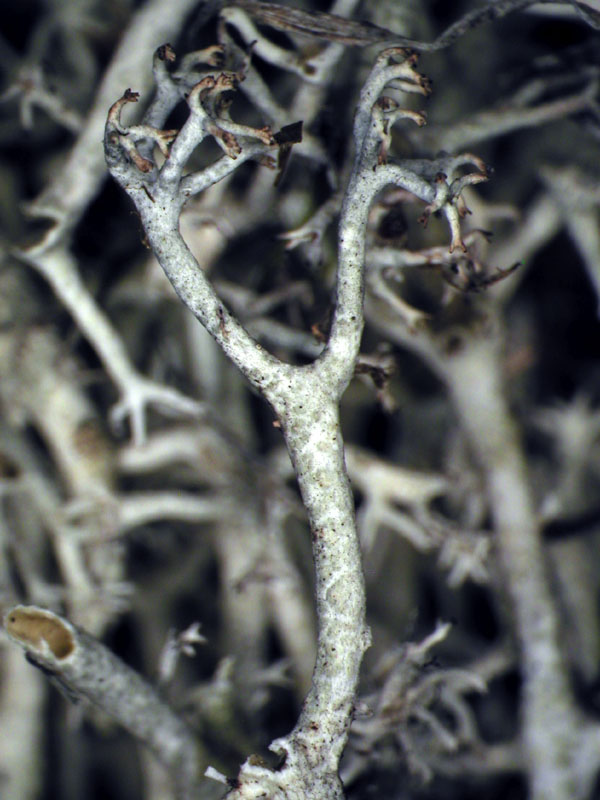
Andres Saag; Owner: University of Tartu
originally as Cladina rangiferina
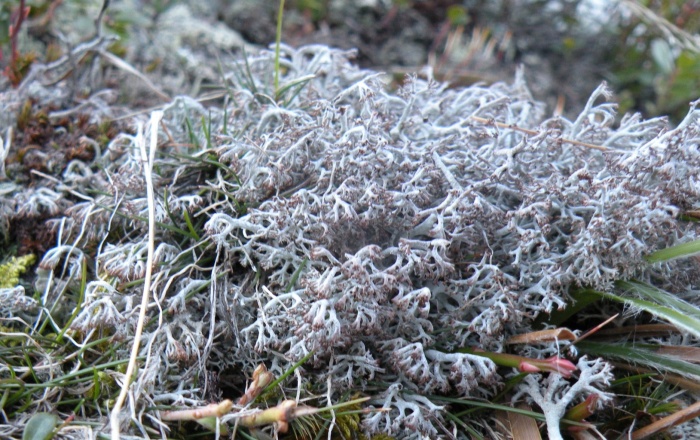
Gabriele Gheza, Tromello (PV); Owner: Gabriele Gheza, Tromello (PV)

Gabriele Gheza, Tromello (PV); Owner: Gabriele Gheza, Tromello (PV)
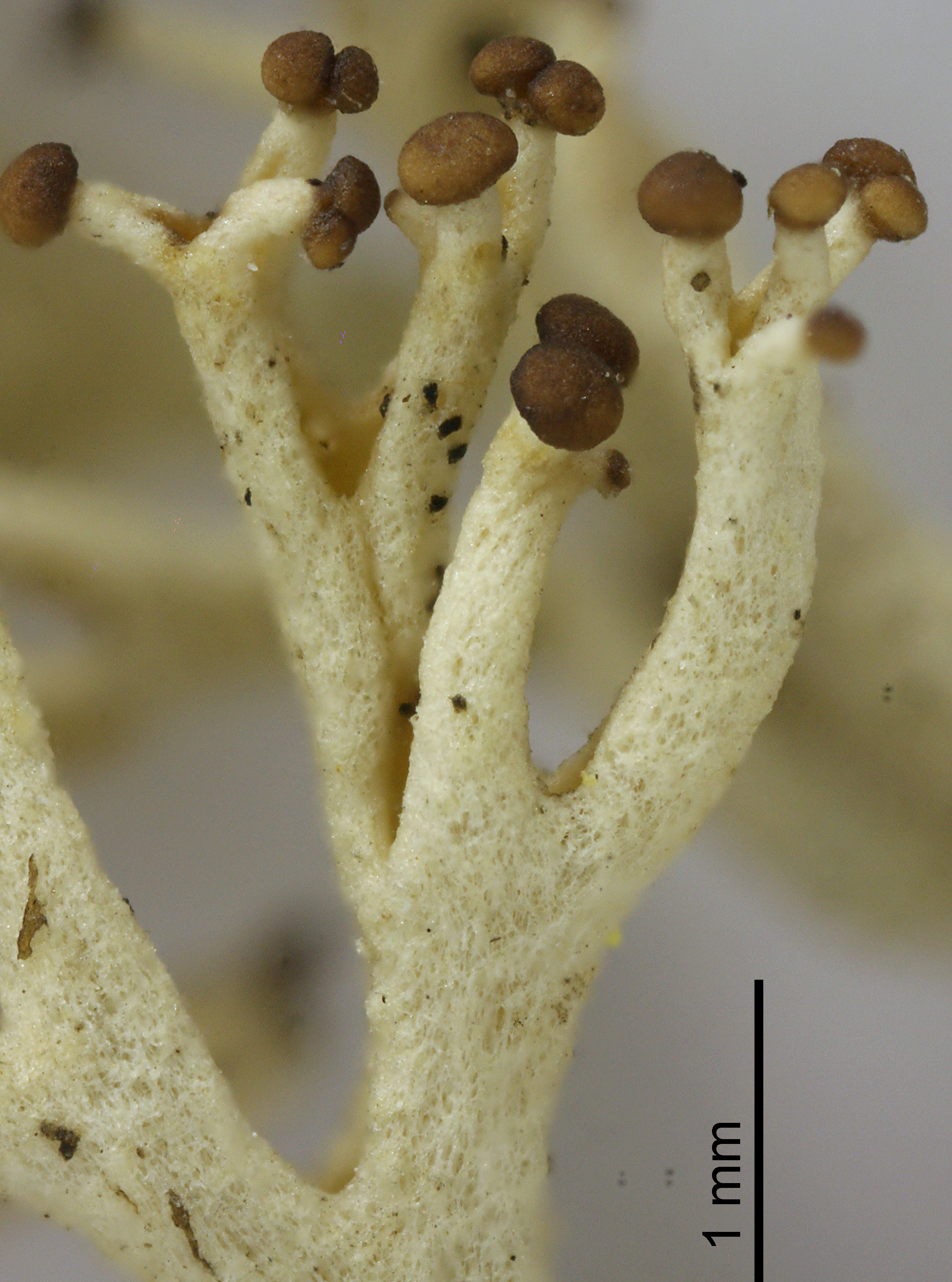
Felix Schumm – CC BY-SA 4.0
[4377], Schweiz, Davos Wolfgang, Richtung Drussetscha-Wald, Felsblockhalde mit Kiefern und Fichten, feucht, kalt, schattig, Hanglage, nördlich einer kleinen Moorwiese, ca. 1665 m. Leg. et det. Schumm 21.09.1974.
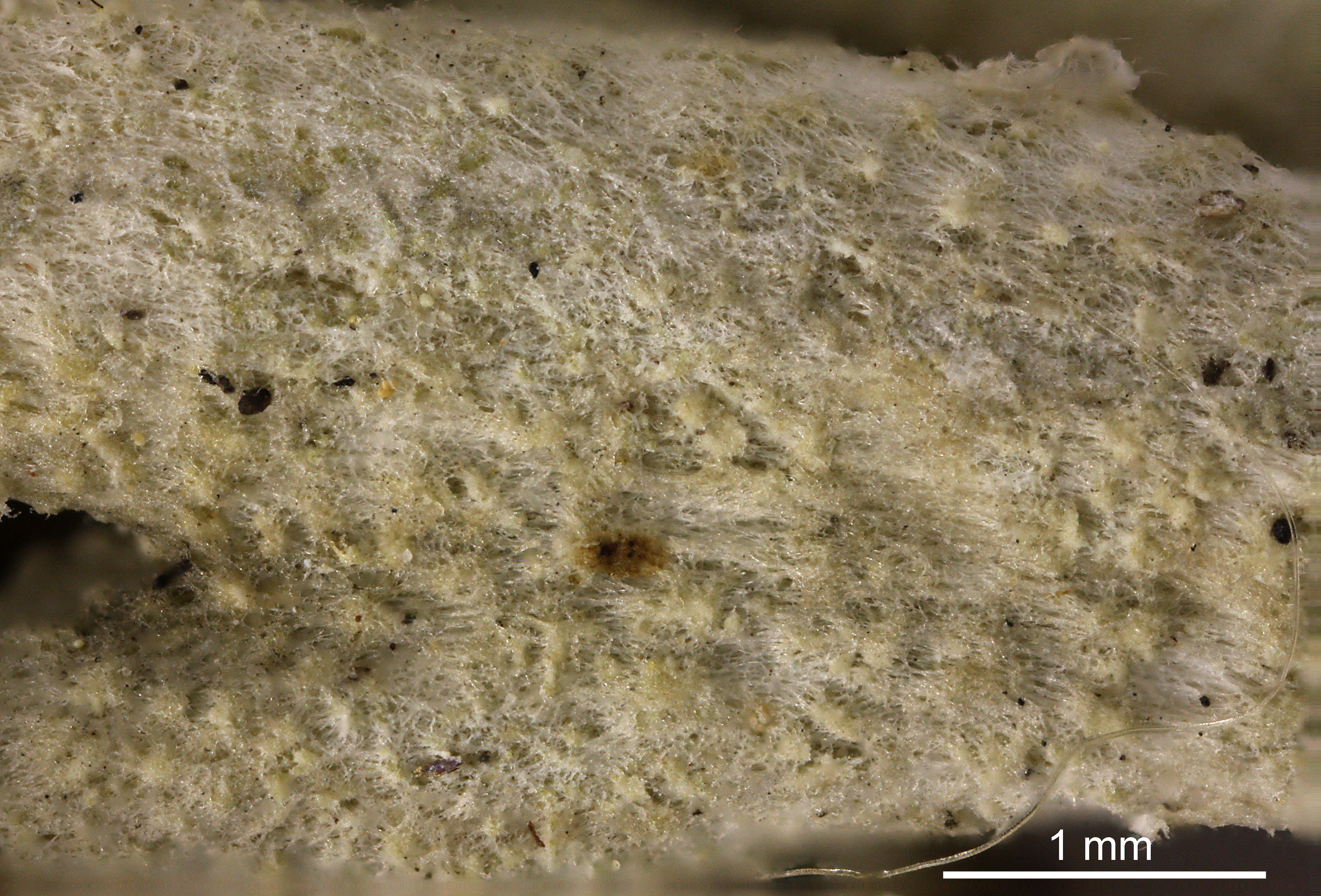
Felix Schumm – CC BY-SA 4.0
[4377], Schweiz, Davos Wolfgang, Richtung Drussetscha-Wald, Felsblockhalde mit Kiefern und Fichten, feucht, kalt, schattig, Hanglage, nördlich einer kleinen Moorwiese, ca. 1665 m. Leg. et det. Schumm 21.09.1974.

Felix Schumm – CC BY-SA 4.0
[4377], Schweiz, Davos Wolfgang, Richtung Drussetscha-Wald, Felsblockhalde mit Kiefern und Fichten, feucht, kalt, schattig, Hanglage, nördlich einer kleinen Moorwiese, ca. 1665 m. Leg. et det. Schumm 21.09.1974.
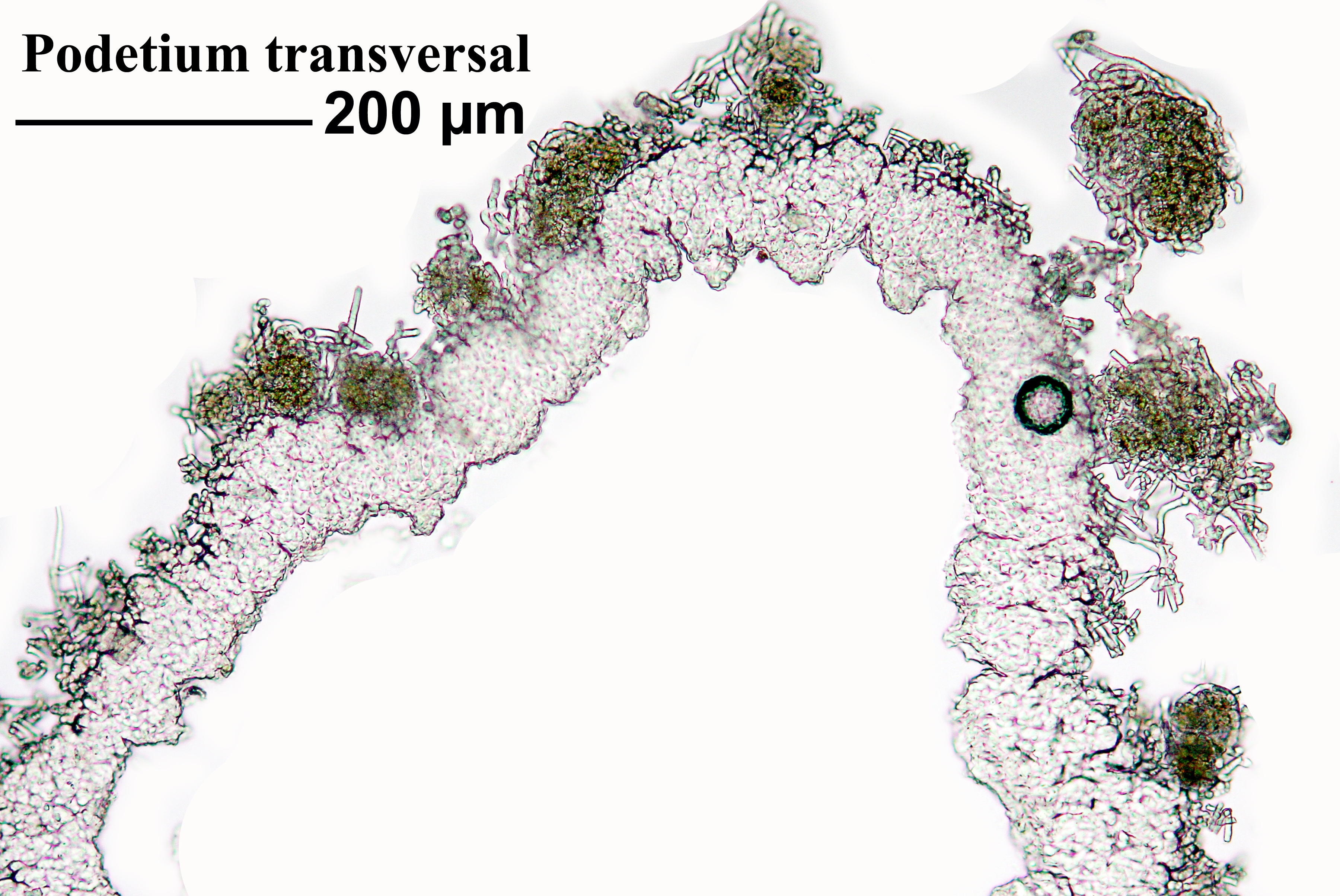
Felix Schumm – CC BY-SA 4.0
[4377], Schweiz, Davos Wolfgang, Richtung Drussetscha-Wald, Felsblockhalde mit Kiefern und Fichten, feucht, kalt, schattig, Hanglage, nördlich einer kleinen Moorwiese, ca. 1665 m. Leg. et det. Schumm 21.09.1974.
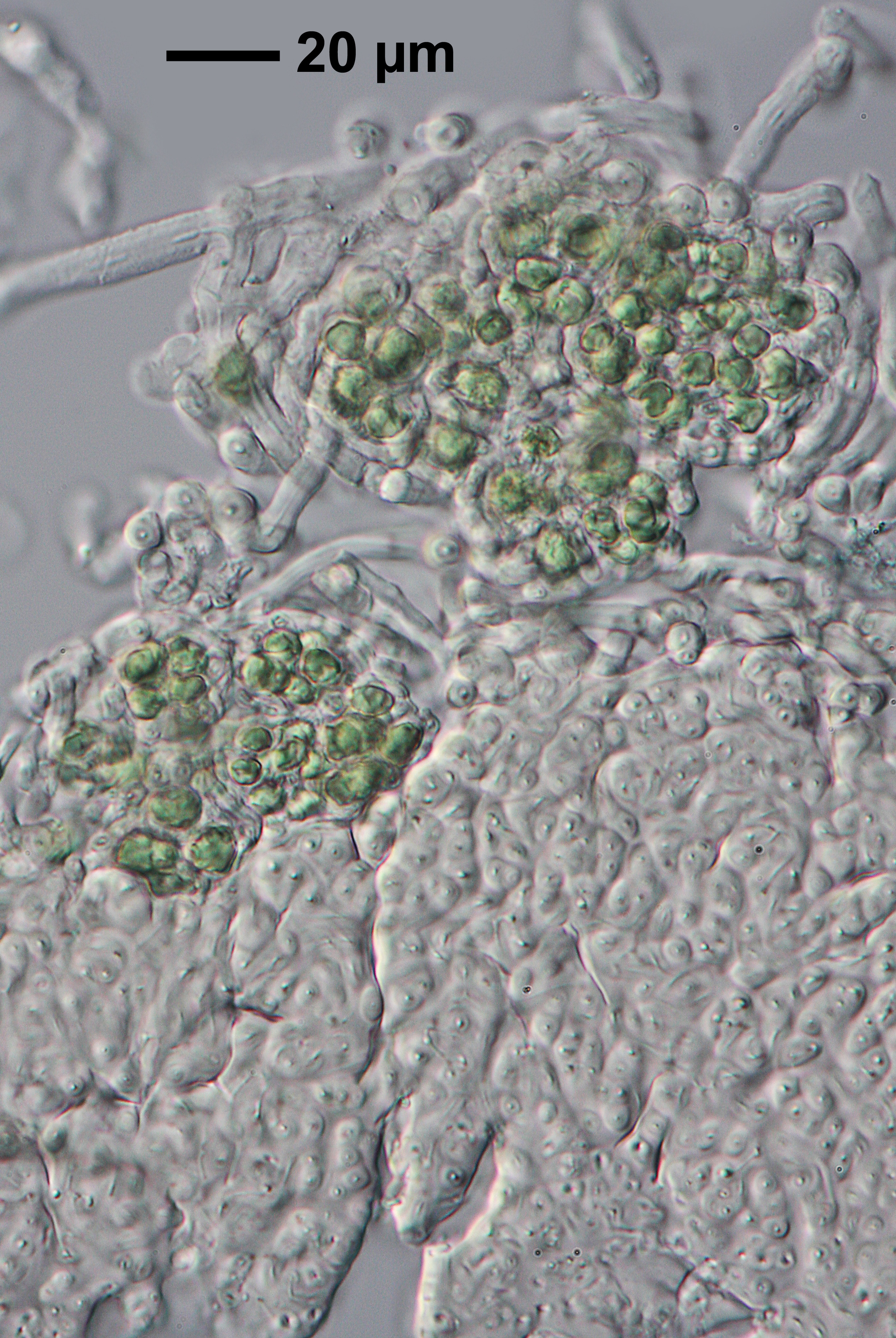
Felix Schumm – CC BY-SA 4.0
[4377], Schweiz, Davos Wolfgang, Richtung Drussetscha-Wald, Felsblockhalde mit Kiefern und Fichten, feucht, kalt, schattig, Hanglage, nördlich einer kleinen Moorwiese, ca. 1665 m. Leg. et det. Schumm 21.09.1974.

Felix Schumm – CC BY-SA 4.0
[4377], Schweiz, Davos Wolfgang, Richtung Drussetscha-Wald, Felsblockhalde mit Kiefern und Fichten, feucht, kalt, schattig, Hanglage, nördlich einer kleinen Moorwiese, ca. 1665 m. Leg. et det. Schumm 21.09.1974.

Felix Schumm – CC BY-SA 4.0
[4377], Schweiz, Davos Wolfgang, Richtung Drussetscha-Wald, Felsblockhalde mit Kiefern und Fichten, feucht, kalt, schattig, Hanglage, nördlich einer kleinen Moorwiese, ca. 1665 m. Leg. et det. Schumm 21.09.1974.
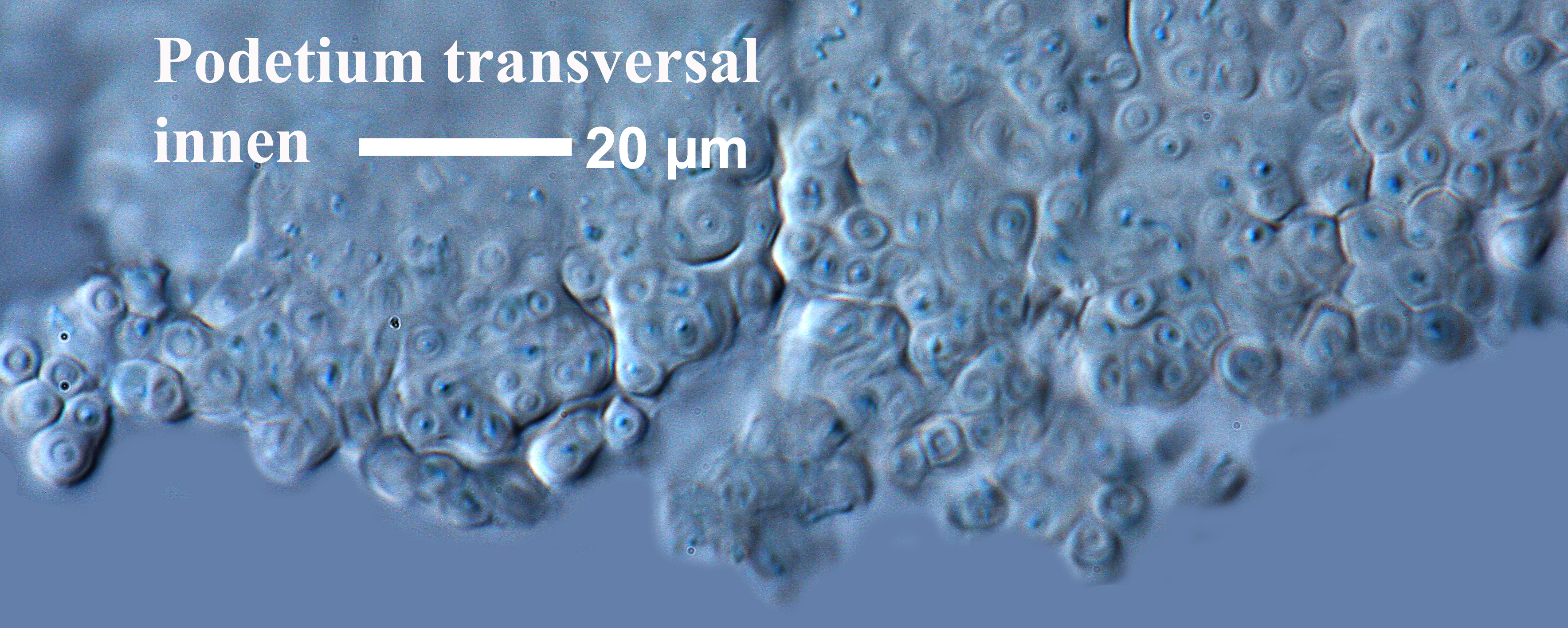
Felix Schumm – CC BY-SA 4.0
[4377], Schweiz, Davos Wolfgang, Richtung Drussetscha-Wald, Felsblockhalde mit Kiefern und Fichten, feucht, kalt, schattig, Hanglage, nördlich einer kleinen Moorwiese, ca. 1665 m. Leg. et det. Schumm 21.09.1974.
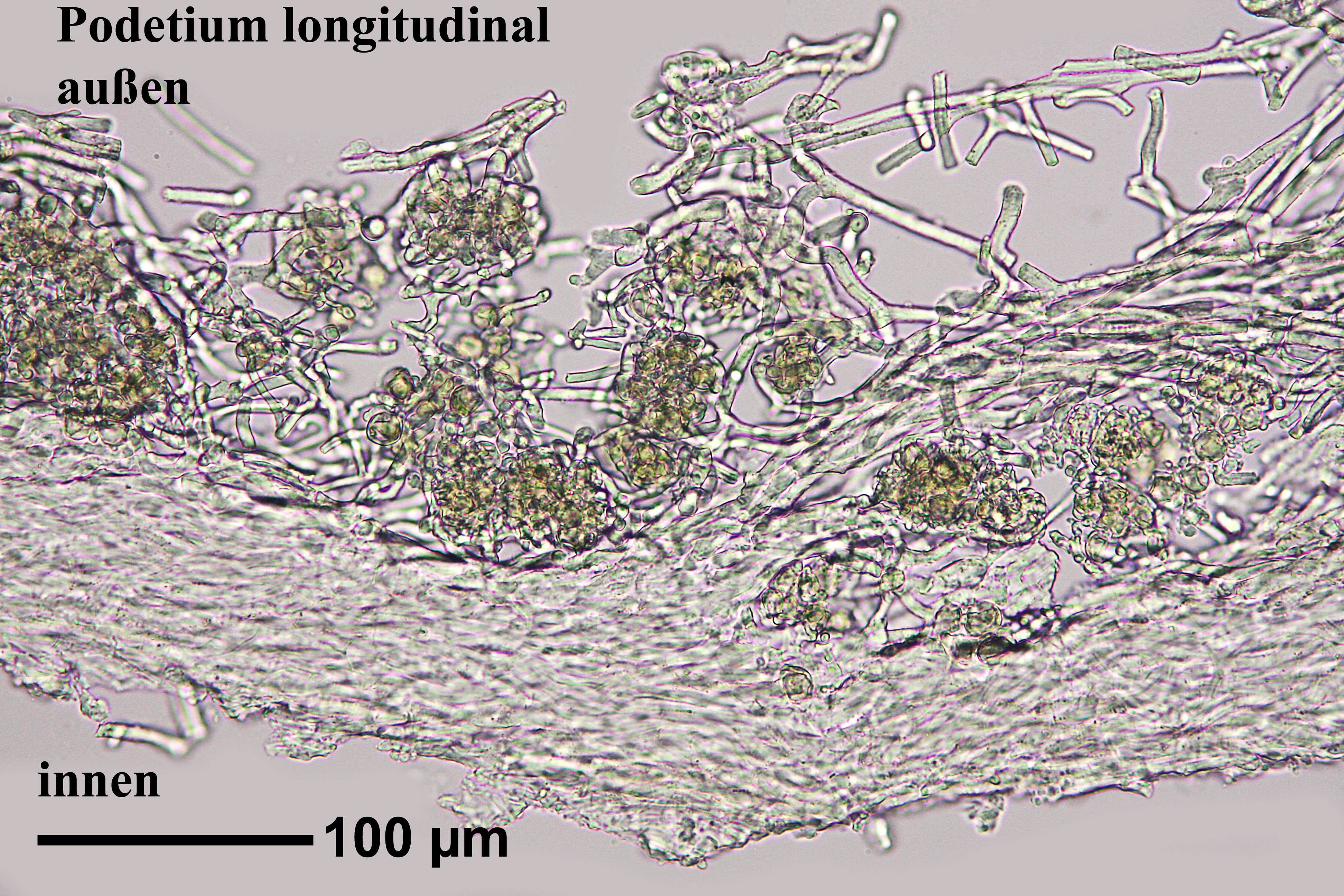
Felix Schumm – CC BY-SA 4.0
[4377], Schweiz, Davos Wolfgang, Richtung Drussetscha-Wald, Felsblockhalde mit Kiefern und Fichten, feucht, kalt, schattig, Hanglage, nördlich einer kleinen Moorwiese, ca. 1665 m. Leg. et det. Schumm 21.09.1974.
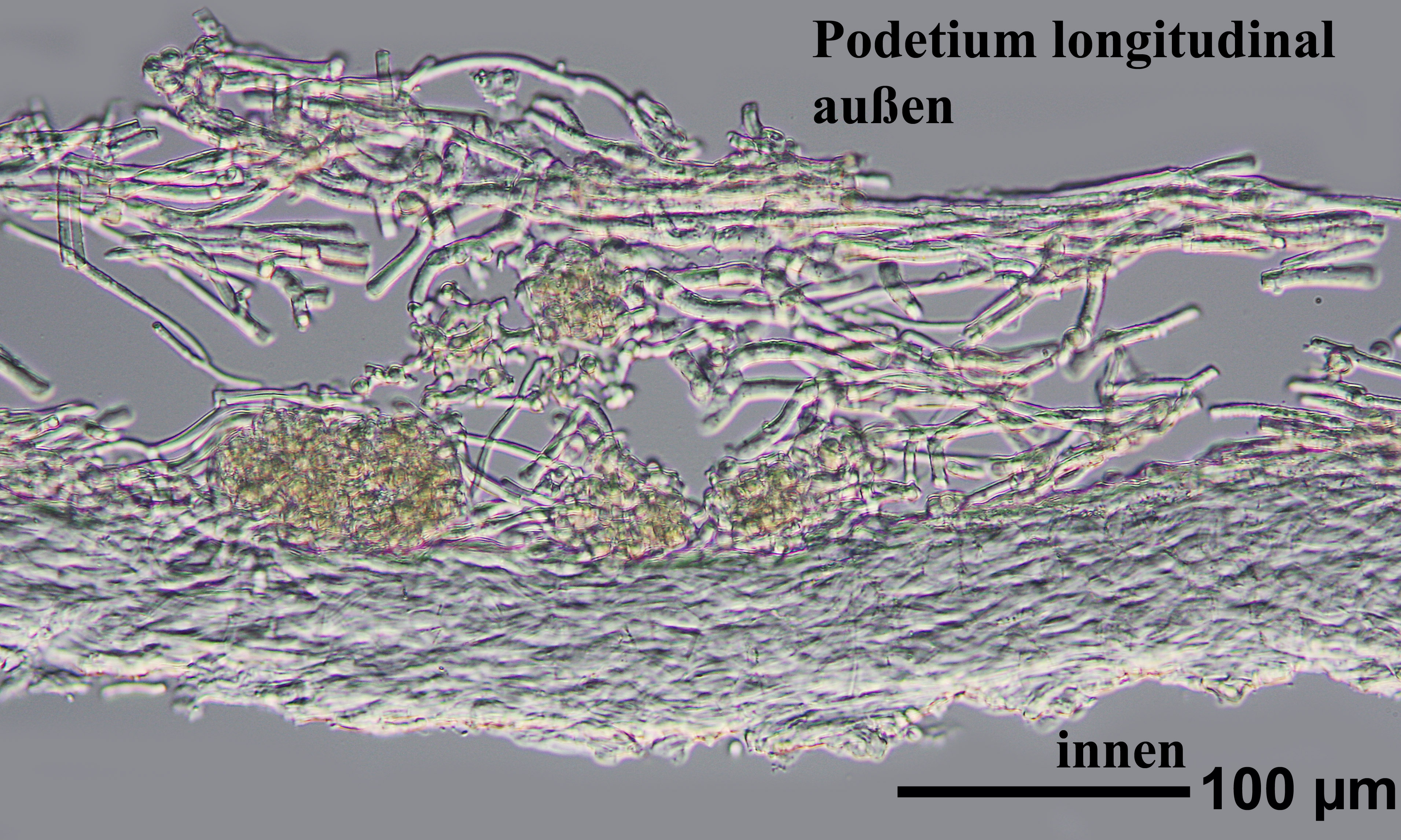
Felix Schumm – CC BY-SA 4.0
[4377], Schweiz, Davos Wolfgang, Richtung Drussetscha-Wald, Felsblockhalde mit Kiefern und Fichten, feucht, kalt, schattig, Hanglage, nördlich einer kleinen Moorwiese, ca. 1665 m. Leg. et det. Schumm 21.09.1974.

Felix Schumm – CC BY-SA 4.0
[4377], Schweiz, Davos Wolfgang, Richtung Drussetscha-Wald, Felsblockhalde mit Kiefern und Fichten, feucht, kalt, schattig, Hanglage, nördlich einer kleinen Moorwiese, ca. 1665 m. Leg. et det. Schumm 21.09.1974.
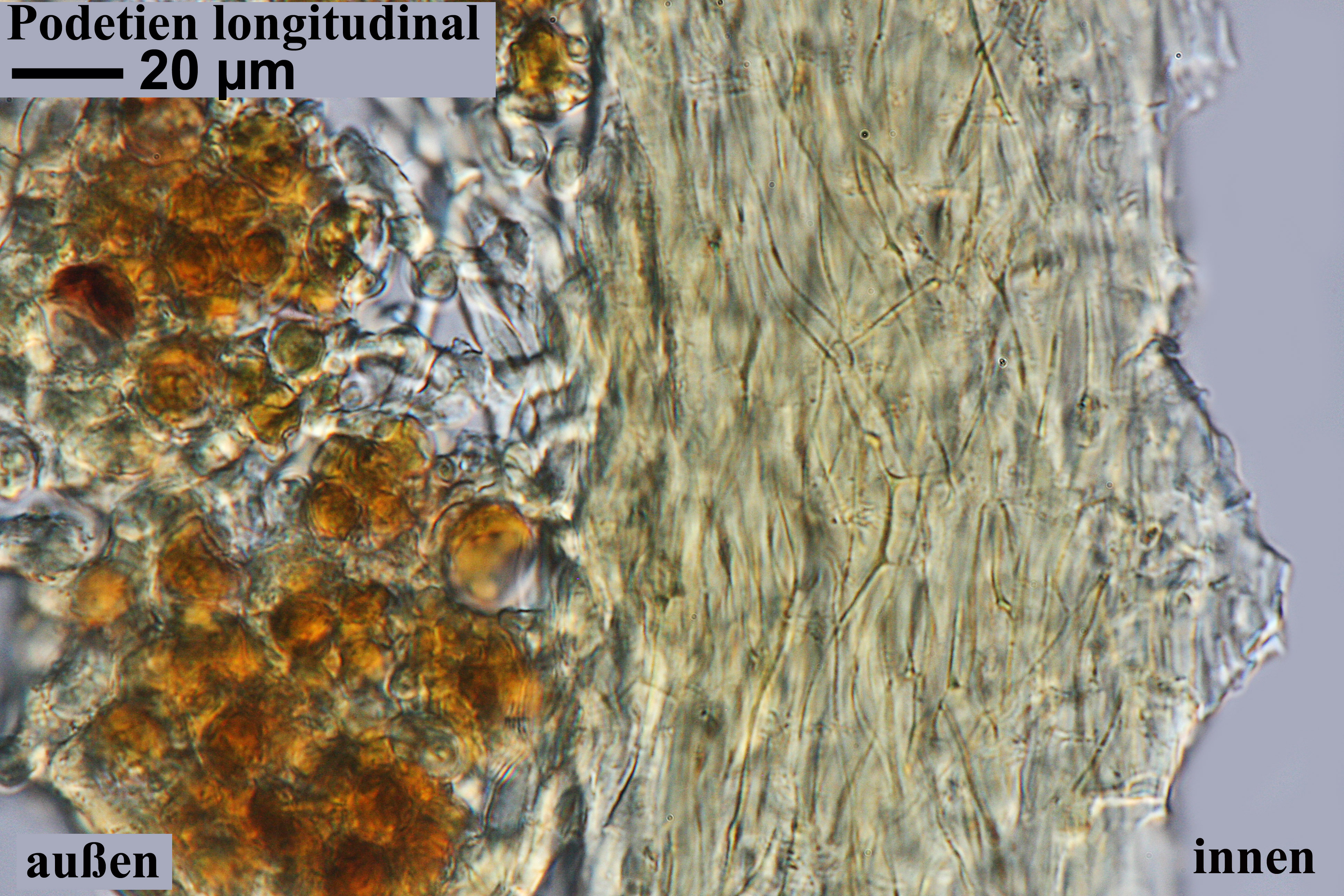
Felix Schumm – CC BY-SA 4.0
[4377], Schweiz, Davos Wolfgang, Richtung Drussetscha-Wald, Felsblockhalde mit Kiefern und Fichten, feucht, kalt, schattig, Hanglage, nördlich einer kleinen Moorwiese, ca. 1665 m. Leg. et det. Schumm 21.09.1974.
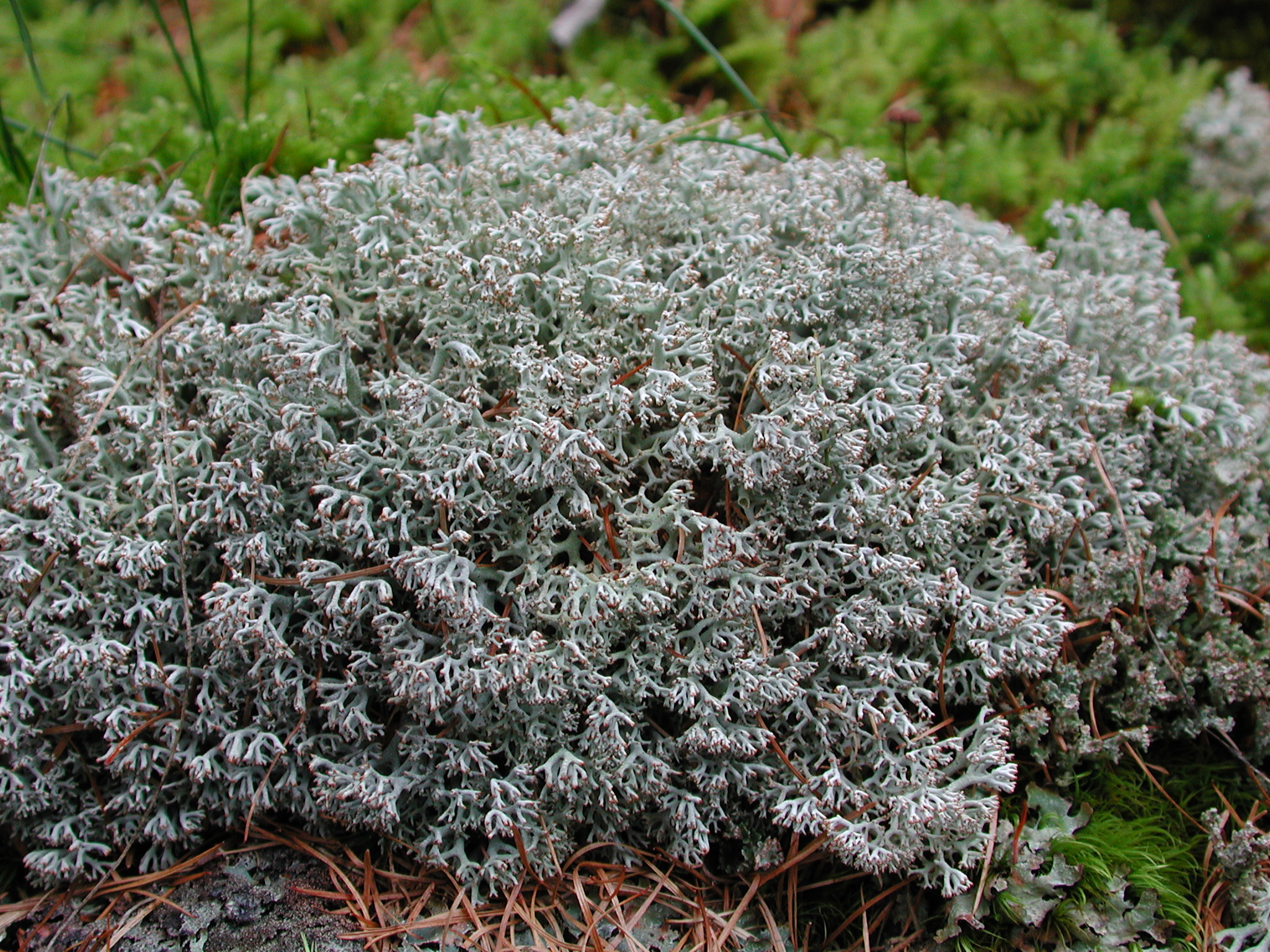
Juri Nascimbene - CC BY-SA 4.0
Italy, Trentino-Alto Adige, Trento, Val di Rabbi
2006
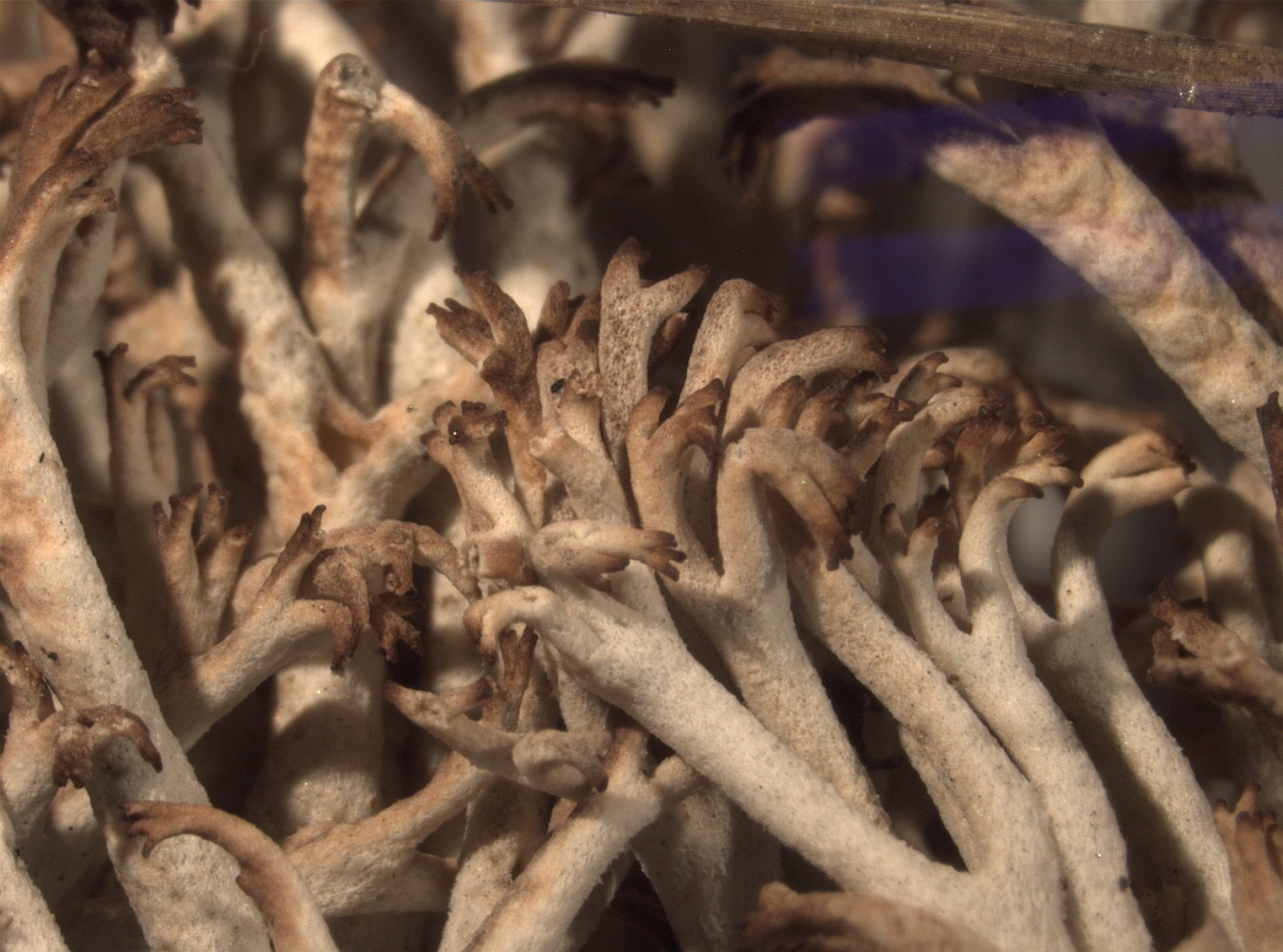
Pier Luigi Nimis - CC BY-SA 4.0
TSB 43964
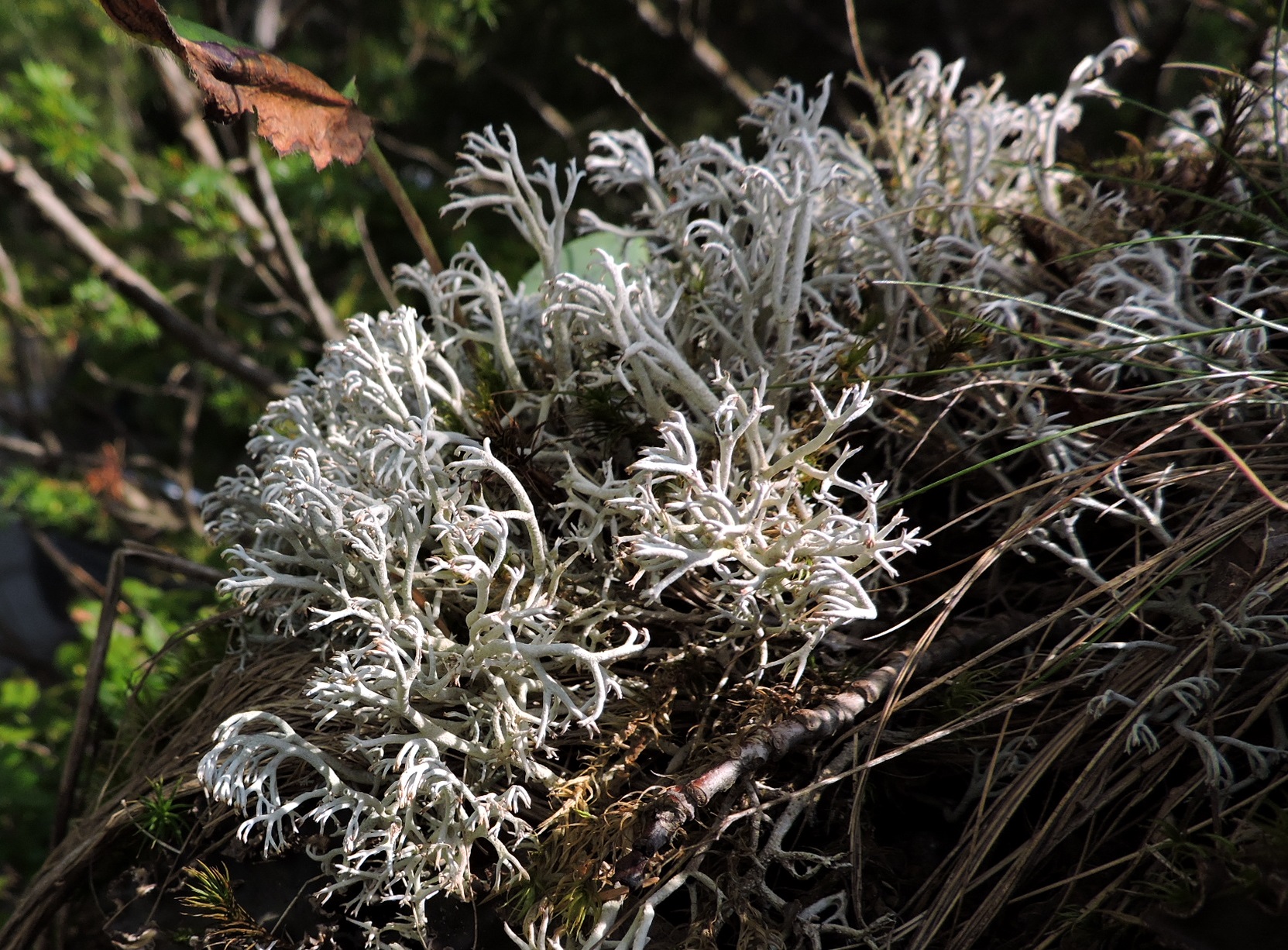
Gabriele Gheza - https://lichenidilombardia.home.blog
Italy, Lombardia, Sondrio, Pian Gembro, 1400 m
08/2018
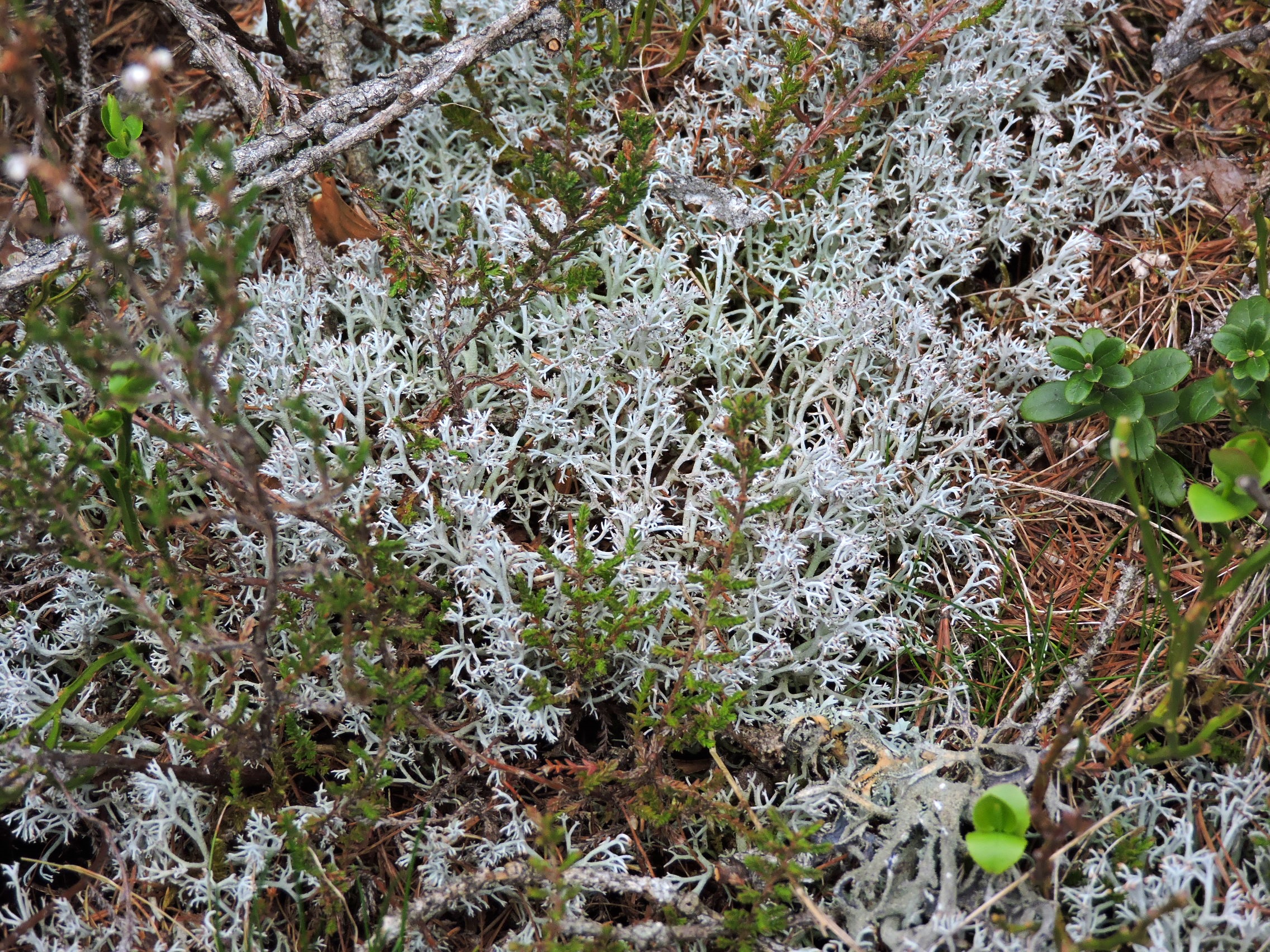
Gabriele Gheza - https://lichenidilombardia.home.blog
Italy, Lombardia, Bergamo, Vilminore di Scalve, 1530 m
30/04/2018
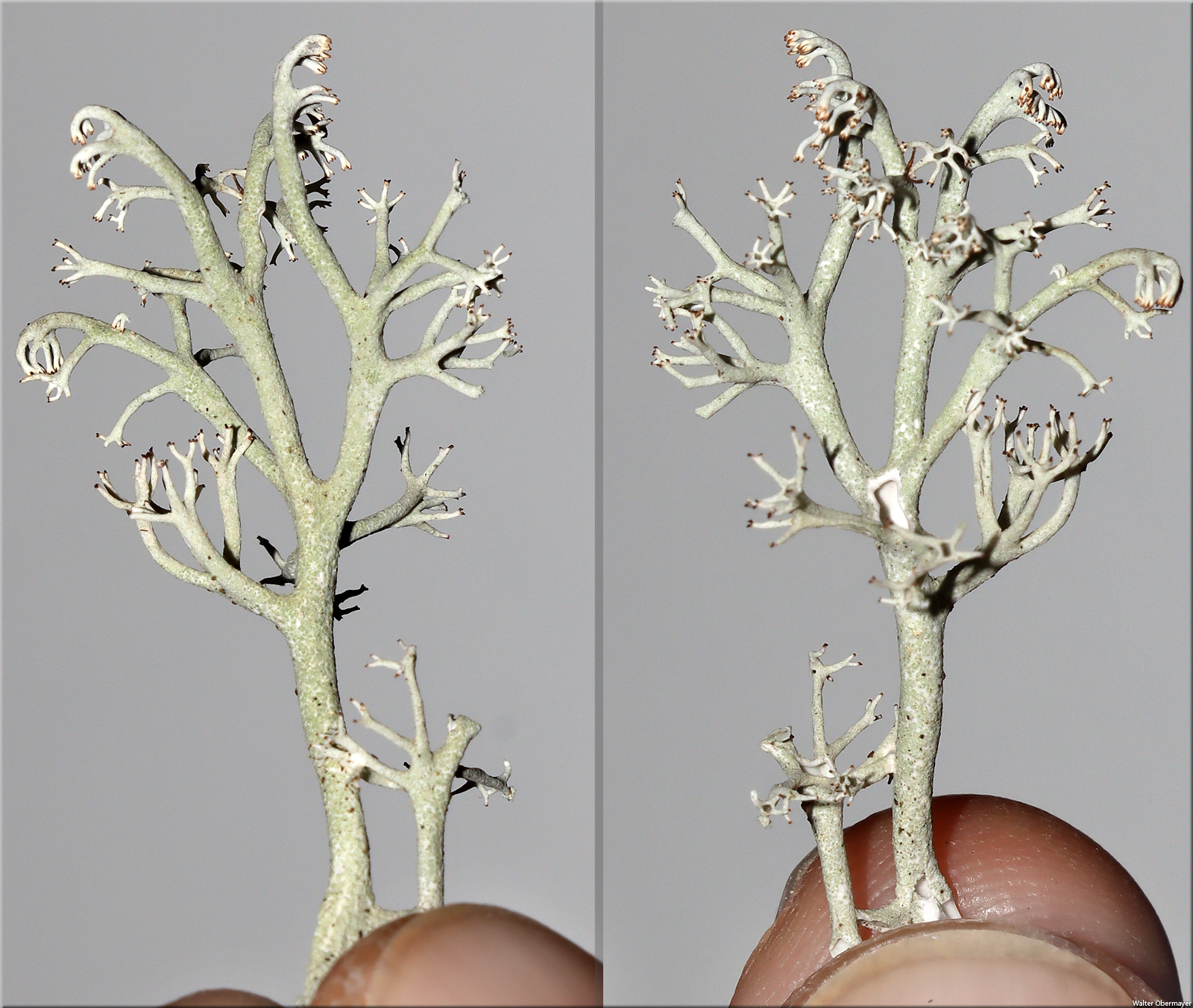
Walter Obermayer CC BY-SA 4.0 - Source: Lichens of Noricum - http://lichens-of-noricum.uni-graz.at/
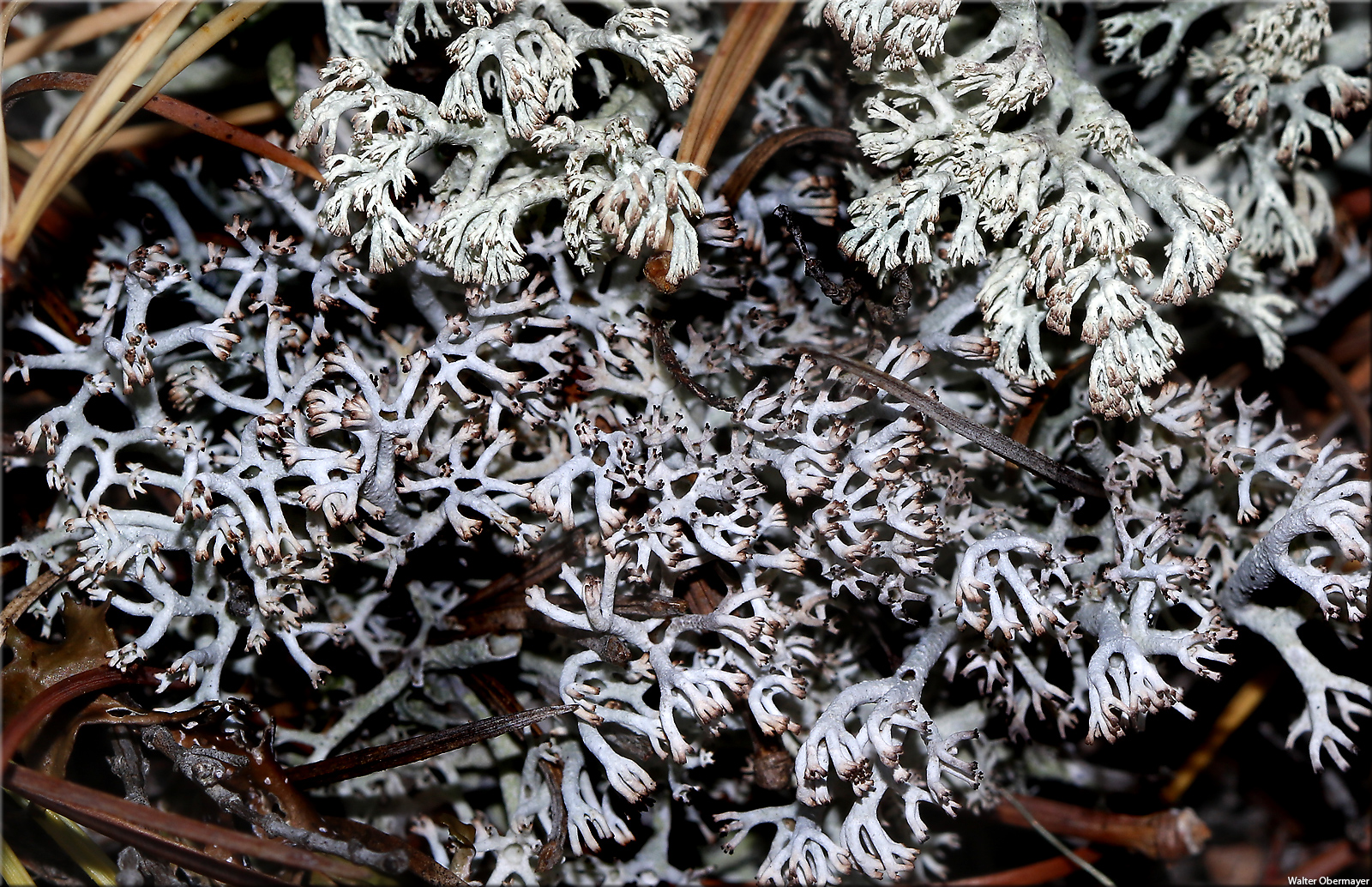
Walter Obermayer CC BY-SA 4.0 - Source: Lichens of Noricum - http://lichens-of-noricum.uni-graz.at/
Jacques Haine - Source: http://www.lichensmaritimes.org/index.php?task=fiche&lichen=490&lang=en
Italy, Valle d'Aoste

Ulrich Kirschbaum CC BY-SA 4.0 - Source: https://www.thm.de/lse/ulrich-kirschbaum/flechtenbilder
Central Europe

Ulrich Kirschbaum CC BY-SA 4.0 - Source: https://www.thm.de/lse/ulrich-kirschbaum/flechtenbilder
Sweden: Värmland.
with C. arbuscula (right)

Wolfgang von Brackel - CC BY-4.0
Czech Republic, Halkova chata

Wolfgang von Brackel - CC BY-4.0
Germany, Bavaria, Bärenriegel-Bayerwald

Wolfgang von Brackel - CC BY-4.0
Germany, Bavaria, Kreither Forst

Wolfgang von Brackel - CC BY-4.0
Italy, Toscana, Abetone

Triin Aimla; Owner: University of Tartu
originally as Cladina rangiferina

Felix Schumm – CC BY-SA 4.0
[4377], Schweiz, Davos Wolfgang, Richtung Drussetscha-Wald, Felsblockhalde mit Kiefern und Fichten, feucht, kalt, schattig, Hanglage, nördlich einer kleinen Moorwiese, ca. 1665 m. Leg. et det. Schumm 21.09.1974.