Cladonia uncialis (L.) F.H. Wigg. subsp. uncialis
Primit. Florae Holsat.: 90, 1780. Basionym: Lichen uncialis L. - Sp. Pl.: 1153, 1753, nom. cons.
Synonyms: Cladonia uncialis var. obtusata (Ach.) Räsänen
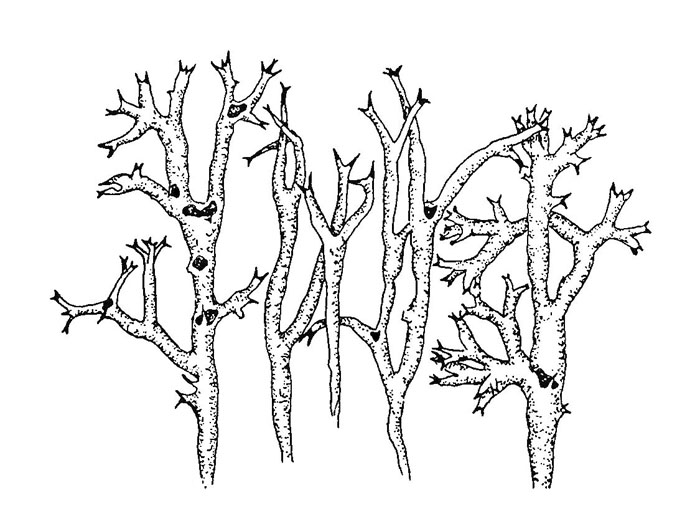
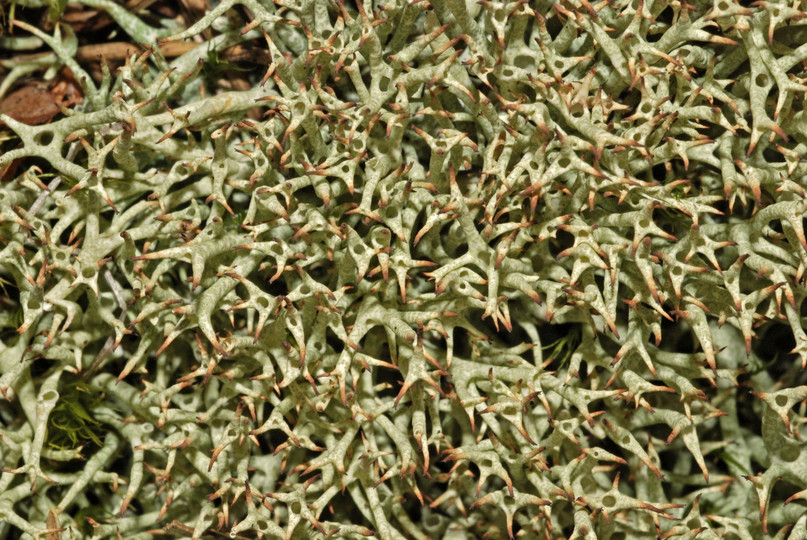
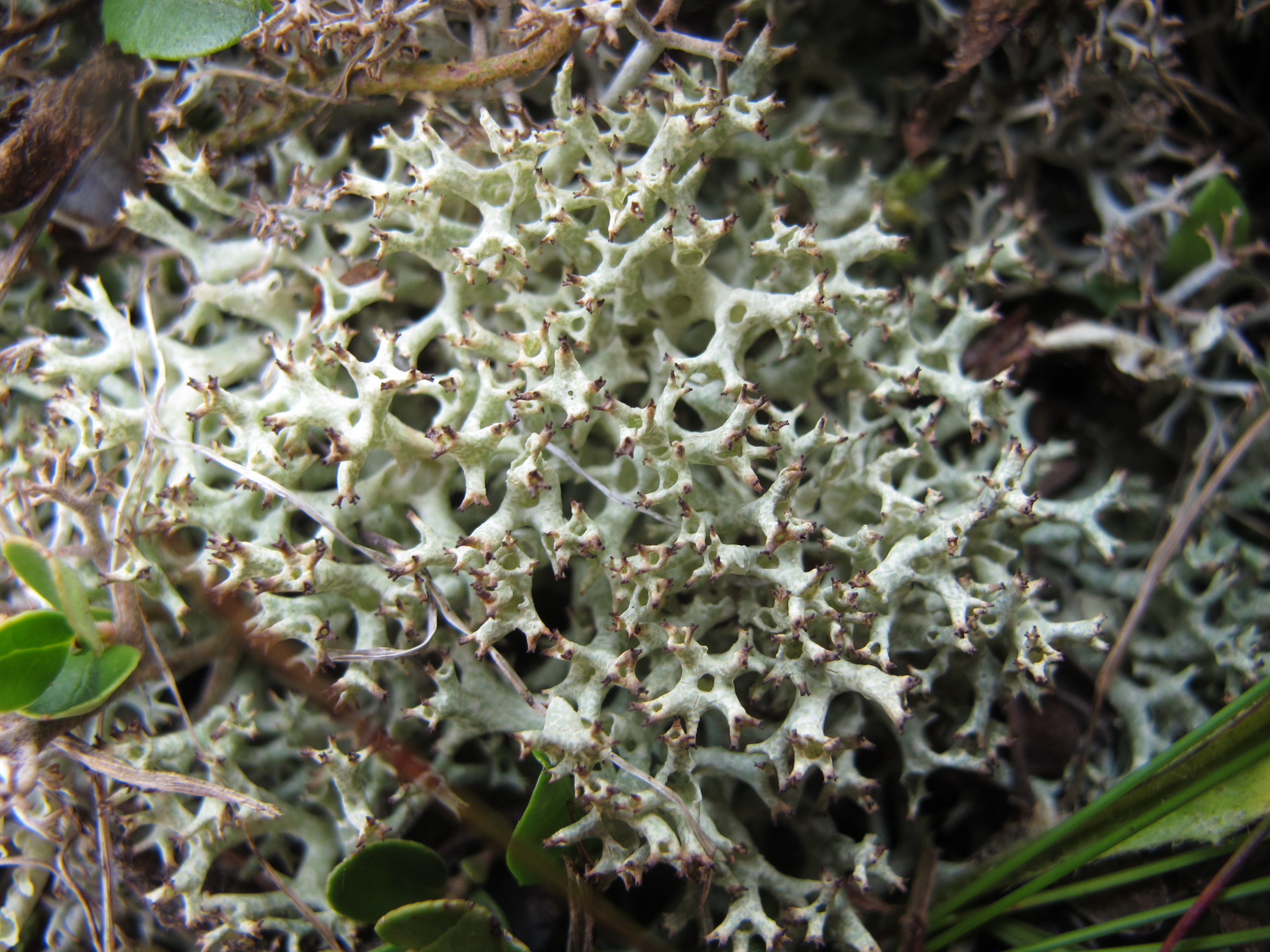
Description: Primary thallus squamulose, ephemeral and rarely seen, the squamules to 1 mm long, white below. Podetia forming compact tufts, hollow inside, pale yellowish green, paler towards the base, often with brownish tips, esquamulose, mostly tri- to tetrachotomously branched, up to 6(-10) cm tall, c. 1.5(-2) mm thick, subcylindrical in section, cupless, with pointed apices and divergent terminal branchlets, the axils mostly perforate. Cortex smooth, maculate; surface of central canal not powdery. Apothecia rare, brown, convex, up to 2 mm across. Asci 8-spored, clavate, thickened at apex, with a K/I+ blue tholus and a K/I+ strongly blue outer gelatinous sheath, Cladonia-type. Ascospores 1-celled, hyaline, ellipsoid. Pycnidia dark, semi-immersed, apical, with a colourless jelly. Conidia hyaline, curved. Photobiont chlorococcoid. Spot tests: K-, C-, KC+ yellow, P-, UV- (rarely UV+ white). Chemistry: usnic acid, rarely also squamatic acid.
Growth form: Fruticose
Substrata: soil, terricolous mosses, and plant debris
Photobiont: green algae other than Trentepohlia
Reproductive strategy: mainly sexual
Commonnes-rarity: (info)
Alpine belt: rare
Subalpine belt: rather rare
Montane belt: absent
Dry submediterranean belt: extremely rare
Humid submediterranean belt: absent
Padanian area: absent
pH of the substrata:
1 2 3 4 5

Solar irradiation:
1 2 3 4 5
Aridity:
1 2 3 4 5
Eutrophication:
1 2 3 4 5
Poleotolerance:
0 1 2 3
Altitudinal distribution:
1 2 3 4 5 6
Rarity
absent
extremely rare
very rare
rare
rather rare
rather common
common
very common
extremely common
Loading data...
Occurrence data
Predictive map
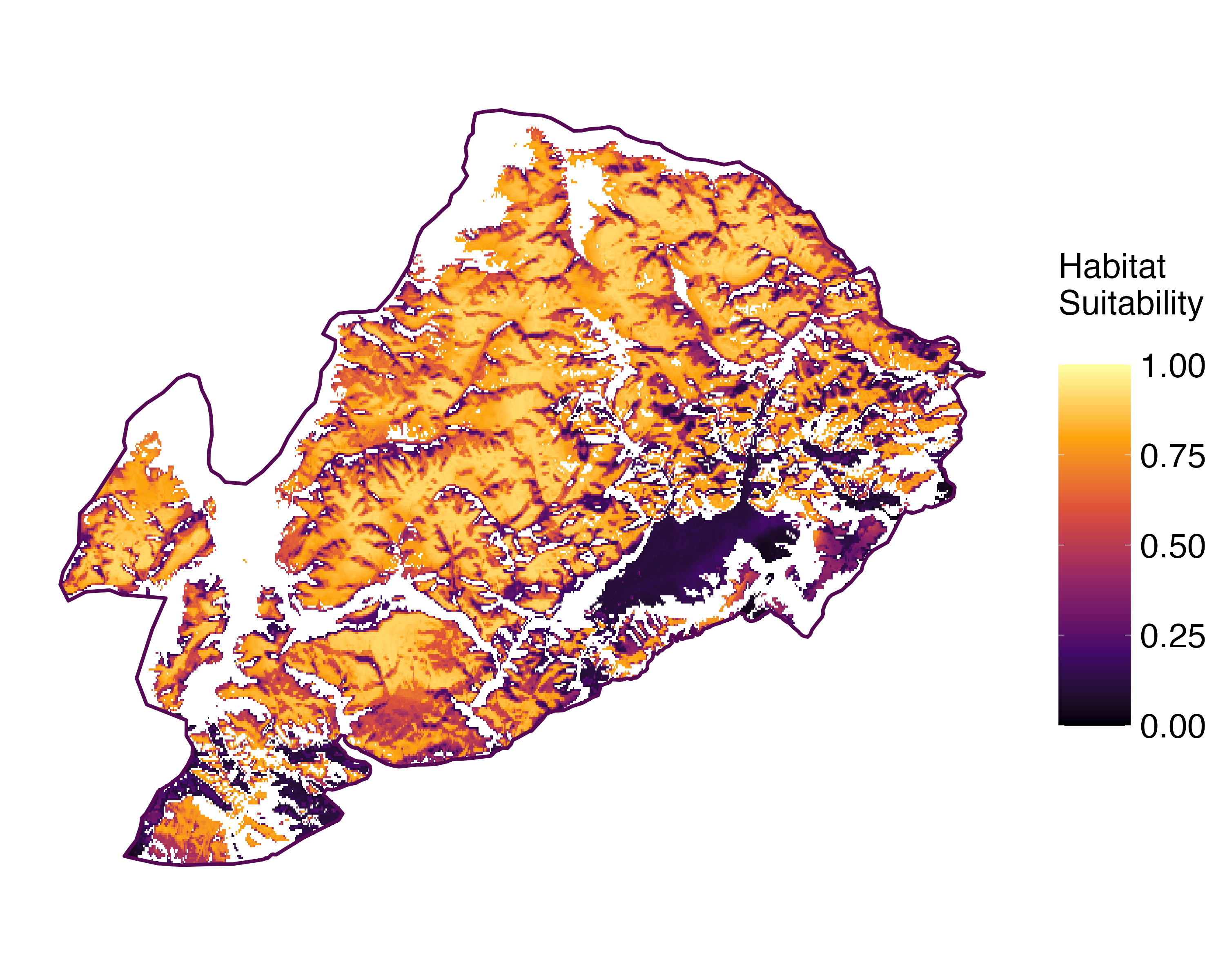 Current prediction (1981-2010)
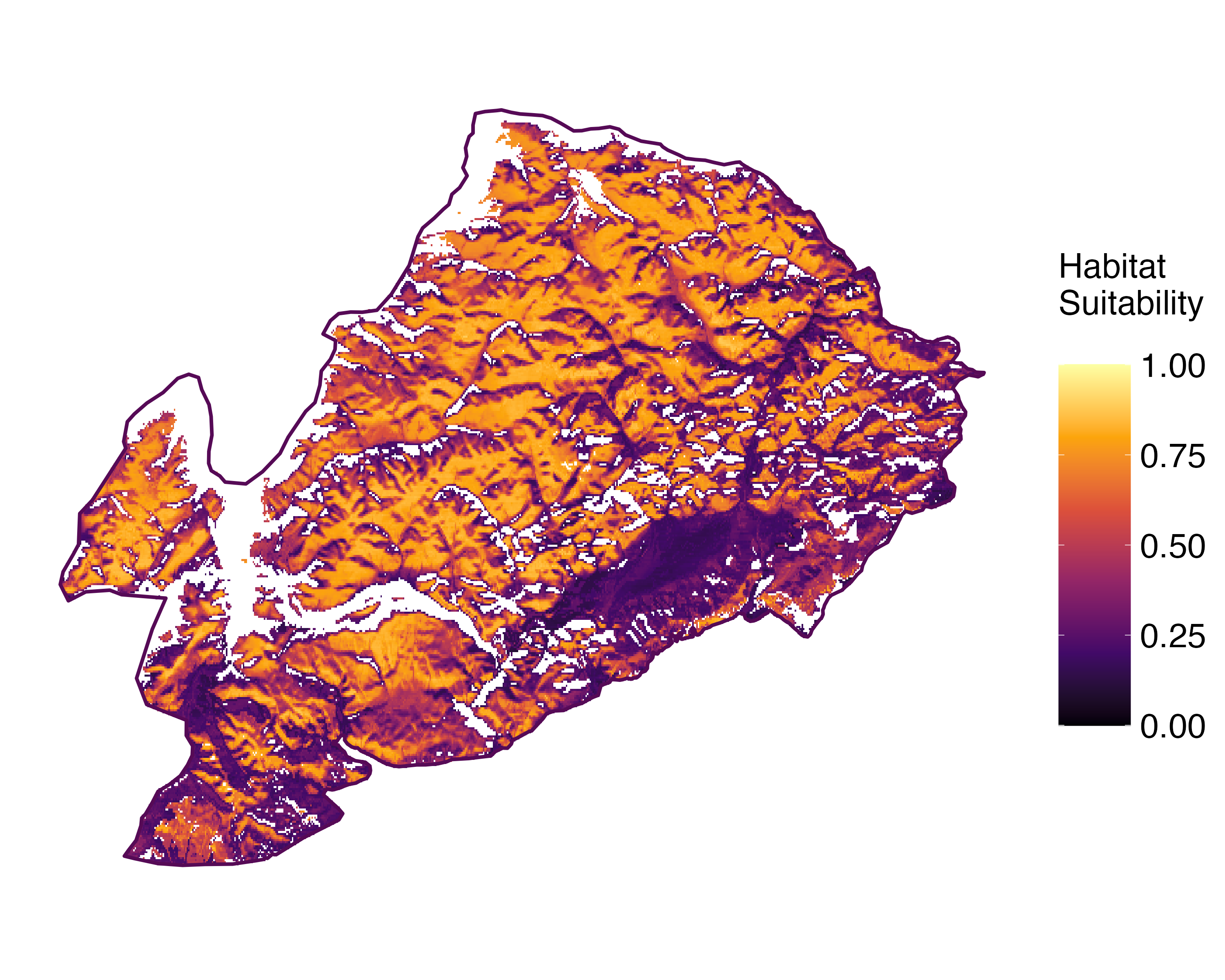 Future prediction (2071-2100) SSP 1-2.6
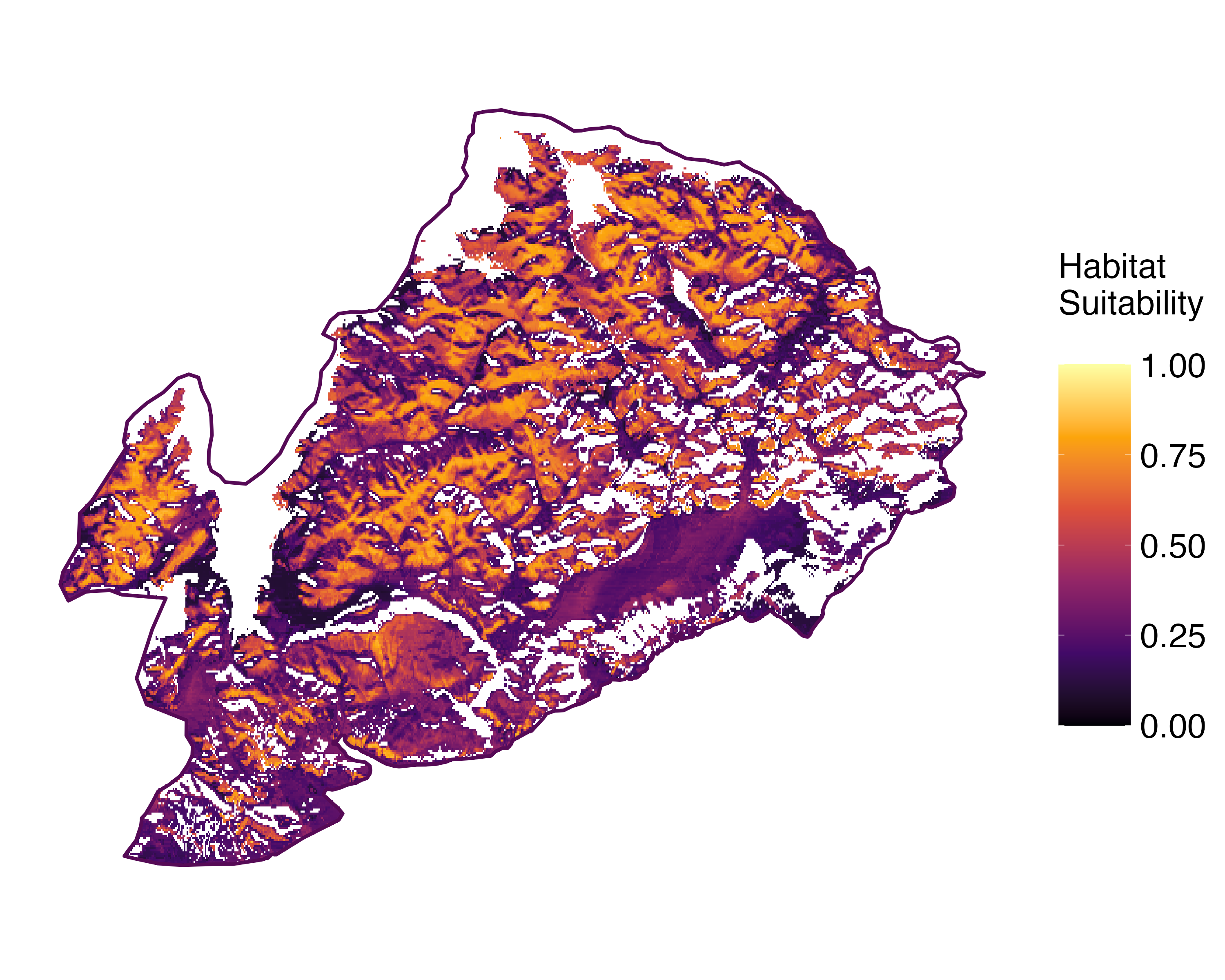 Future prediction (2071-2100) SSP 5-8.5Predictive maps according to Francesconi et al. 2025
Michel David - Source: http://www.lichensmaritimes.org/index.php?task=fiche&lichen=376&lang=en
France, Cap de la Chèvre

P.L. Nimis; Owner: Department of Life Sciences, University of Trieste
Herbarium: TSB (1701)
2001/12/04
tips of podetia

Gabriele Gheza; Owner: Gabriele Gheza
Italy, Lombardia, Alta Valtellina; altitude: c. 2000 m
summer 2010

Gabriele Gheza; Owner: Gabriele Gheza
Italy, Lombardia, Alta Valtellina; altitude: c. 2000 m
summer 2010

Juri Nascimbene – CC BY-SA 4.0; Owner: Department of ùLife Sciences, University of Trieste
Calaita, Italy

Mark Rahill - CC BY-SA 4.0
USA, Vermont

Bernard Bouffinier - Source: http://www.lichensmaritimes.org/index.php?task=fiche&lichen=376&lang=en
France, Menez, Kador

Bernard Bouffinier - Source: http://www.lichensmaritimes.org/index.php?task=fiche&lichen=376&lang=en
France, Menez, Kador

Bernard Bouffinier - Source: http://www.lichensmaritimes.org/index.php?task=fiche&lichen=376&lang=en
France, Menez, Kador

Bernard Bouffinier - Source: http://www.lichensmaritimes.org/index.php?task=fiche&lichen=376&lang=en
France, Menez, Kador

Bernard Bouffinier - Source: http://www.lichensmaritimes.org/index.php?task=fiche&lichen=376&lang=en
France, Menez, Kador

Bernard Bouffinier - Source: http://www.lichensmaritimes.org/index.php?task=fiche&lichen=376&lang=en
France, Menez, Kador

Michel David - Source: http://www.lichensmaritimes.org/index.php?task=fiche&lichen=376&lang=en
France, Cap de la Chèvre

Michel David - Source: http://www.lichensmaritimes.org/index.php?task=fiche&lichen=376&lang=en
France, Cap de la Chèvre

Leif Stridvall - Source: http://www.stridvall.se/la/galleries.php

Bernard Bouffinier - Source: http://www.lichensmaritimes.org/index.php?task=fiche&lichen=376&lang=en
France, Camaret

Bernard Bouffinier - Source: http://www.lichensmaritimes.org/index.php?task=fiche&lichen=376&lang=en
France, Camaret
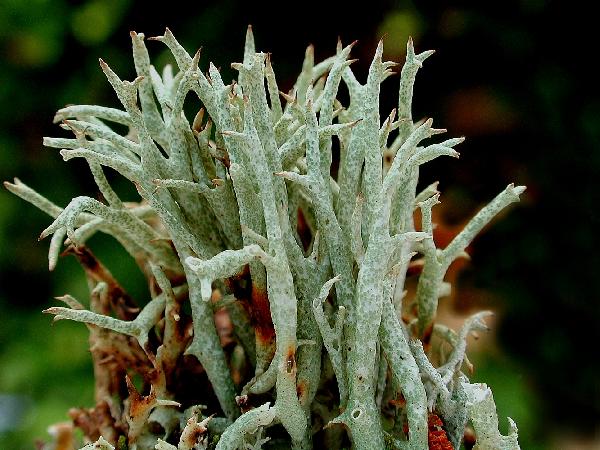
Ulrich Kirschbaum CC BY-SA 4.0 - Source: https://www.thm.de/lse/ulrich-kirschbaum/flechtenbilder
Sweden

Wolfgang von Brackel - CC BY-4.0
Germany, Bavaria, Heidenberg
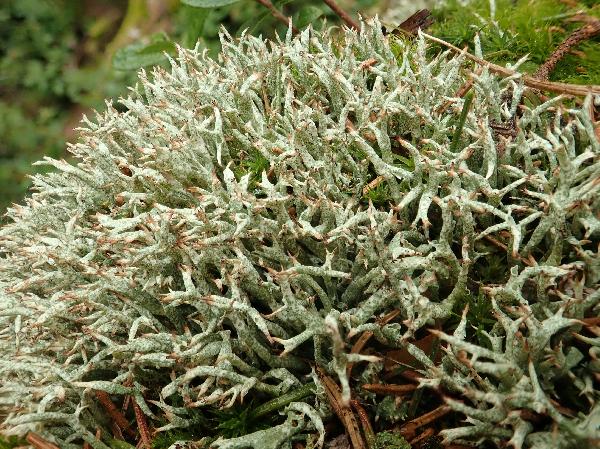
Wolfgang von Brackel - CC BY-4.0
Germany, Bavaria, Arber
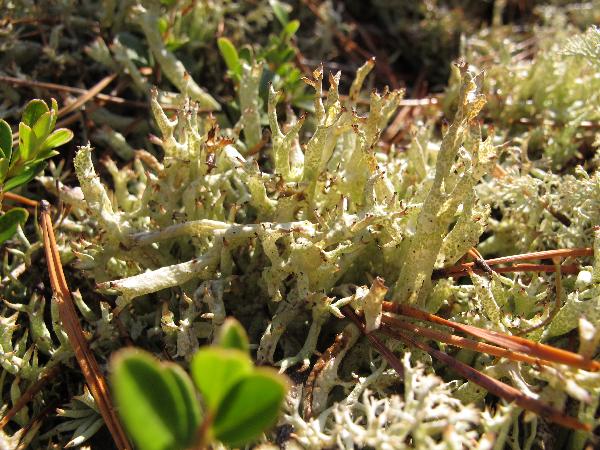
Wolfgang von Brackel - CC BY-4.0
Germany, Bavaria, Behringersdorf
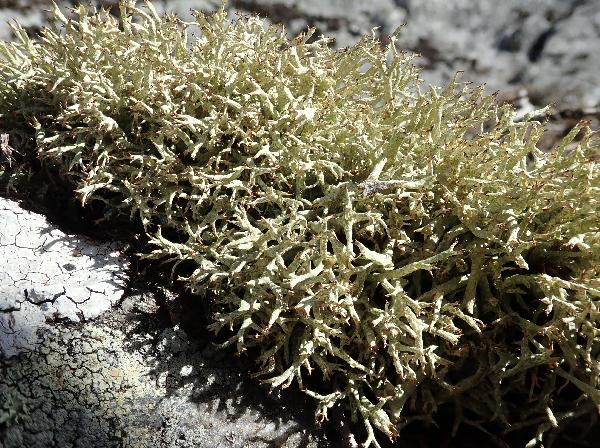
Wolfgang von Brackel - CC BY-4.0
Germany, Bavaria, Knöchel

Wolfgang von Brackel - CC BY-4.0
Germany, Bavaria, Kreither Forst
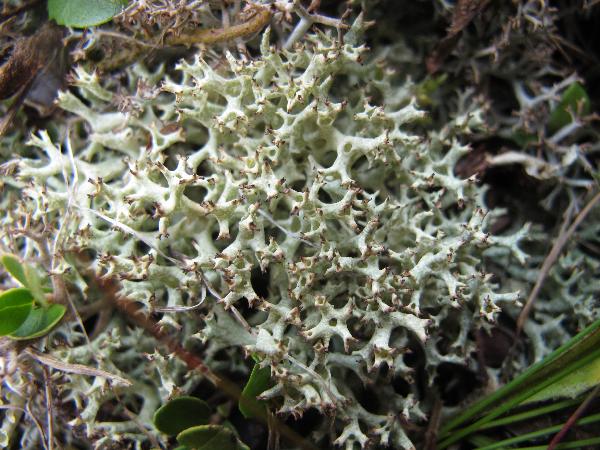
Wolfgang von Brackel - CC BY-4.0
Germany, Bavaria, Laubacher Eck
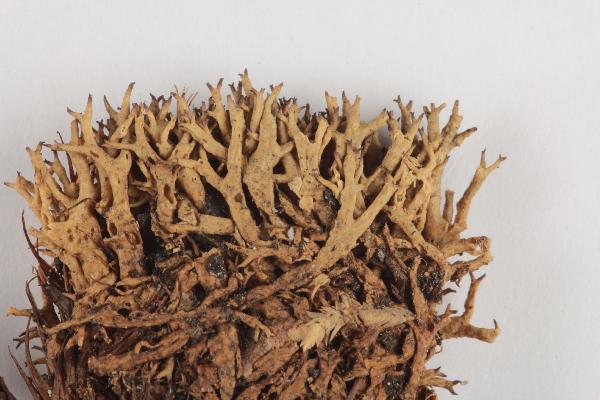
Collezione lichenologica Abramo Massalongo del Museo di Storia Naturale G. Ligabue di Venezia - Autori: Seggi, Linda; Trabucco, Raffaella Proprietà: Fondazione Musei Civici di Venezia - CC BY-NC
E Germania misit Siegmund

Triin Aimla; Owner: University of Tartu
originally as Cladonia uncialis
Growth form: Fruticose
Substrata: soil, terricolous mosses, and plant debris
Photobiont: green algae other than Trentepohlia
Reproductive strategy: mainly sexual
Commonnes-rarity: (info)
Alpine belt: rare
Subalpine belt: rather rare
Montane belt: absent
Dry submediterranean belt: extremely rare
Humid submediterranean belt: absent
Padanian area: absent
pH of the substrata:
| 1 | 2 | 3 | 4 | 5 |
Solar irradiation:
| 1 | 2 | 3 | 4 | 5 |
Aridity:
| 1 | 2 | 3 | 4 | 5 |
Eutrophication:
| 1 | 2 | 3 | 4 | 5 |
Poleotolerance:
| 0 | 1 | 2 | 3 |
Altitudinal distribution:
| 1 | 2 | 3 | 4 | 5 | 6 |
Rarity
absent
extremely rare
very rare
rare
rather rare
rather common
common
very common
extremely common
Loading data...
Occurrence data
Predictive map
Current prediction (1981-2010)Future prediction (2071-2100) SSP 1-2.6Future prediction (2071-2100) SSP 5-8.5Predictive maps according to Francesconi et al. 2025

Michel David - Source: http://www.lichensmaritimes.org/index.php?task=fiche&lichen=376&lang=en
France, Cap de la Chèvre
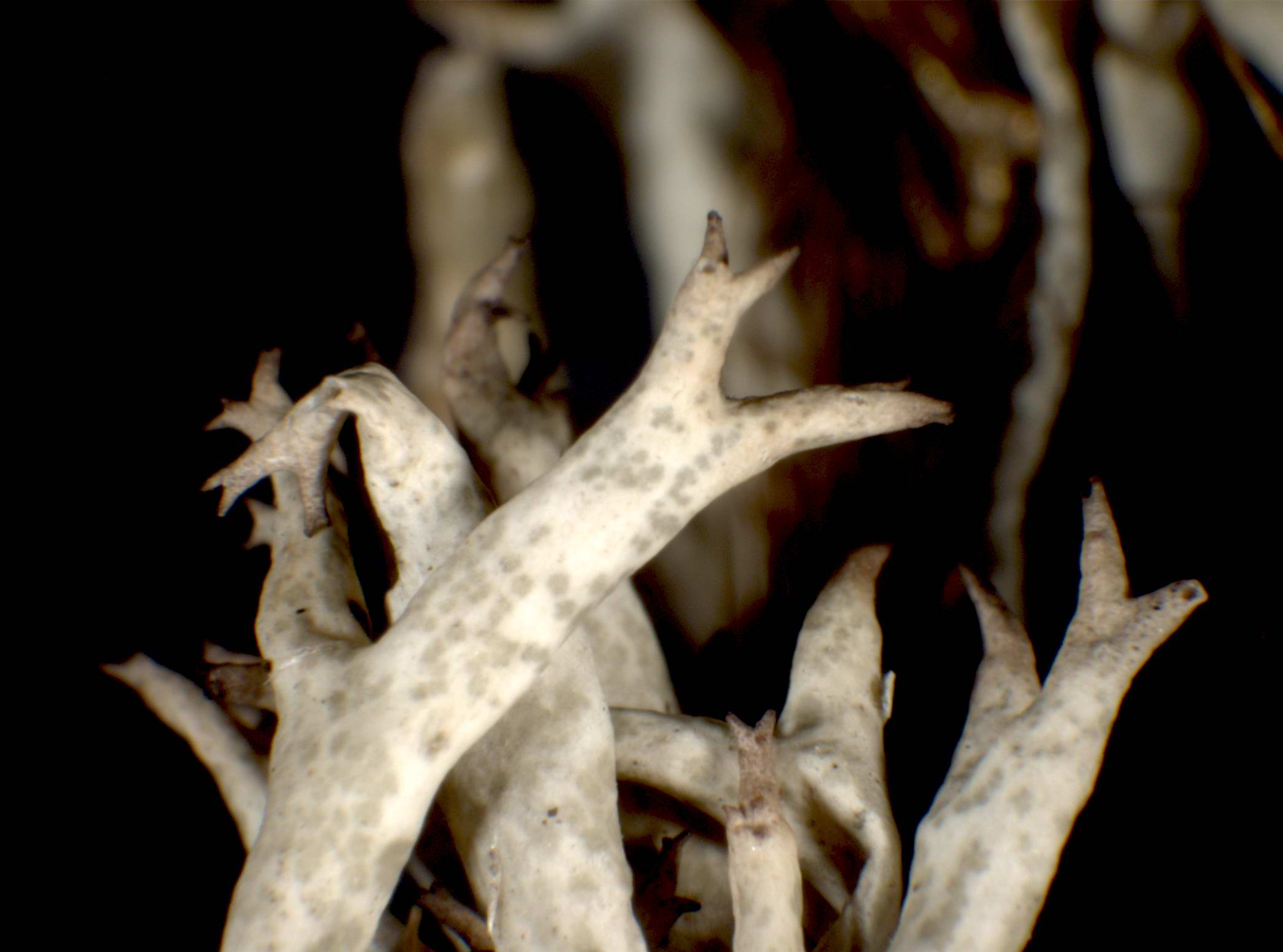
P.L. Nimis; Owner: Department of Life Sciences, University of Trieste
Herbarium: TSB (1701)
2001/12/04
tips of podetia
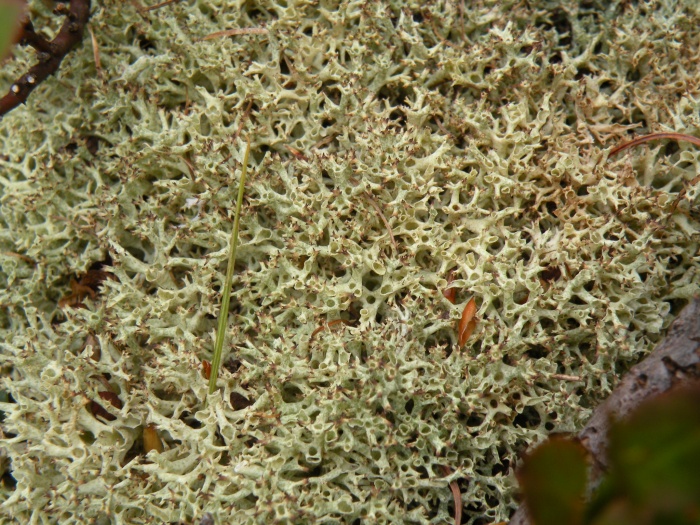
Gabriele Gheza; Owner: Gabriele Gheza
Italy, Lombardia, Alta Valtellina; altitude: c. 2000 m
summer 2010
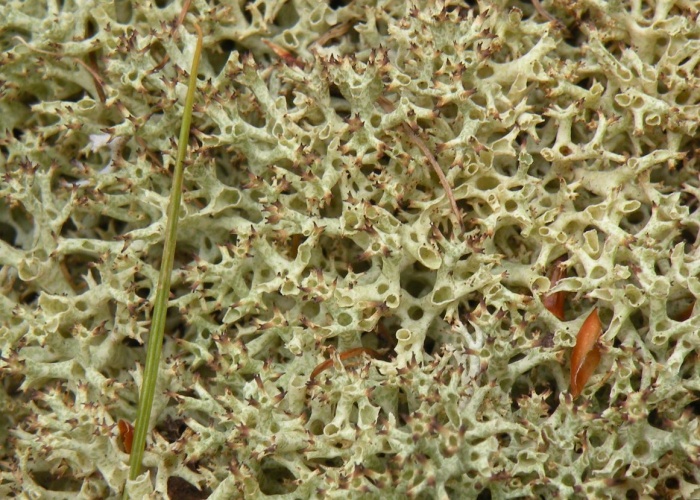
Gabriele Gheza; Owner: Gabriele Gheza
Italy, Lombardia, Alta Valtellina; altitude: c. 2000 m
summer 2010
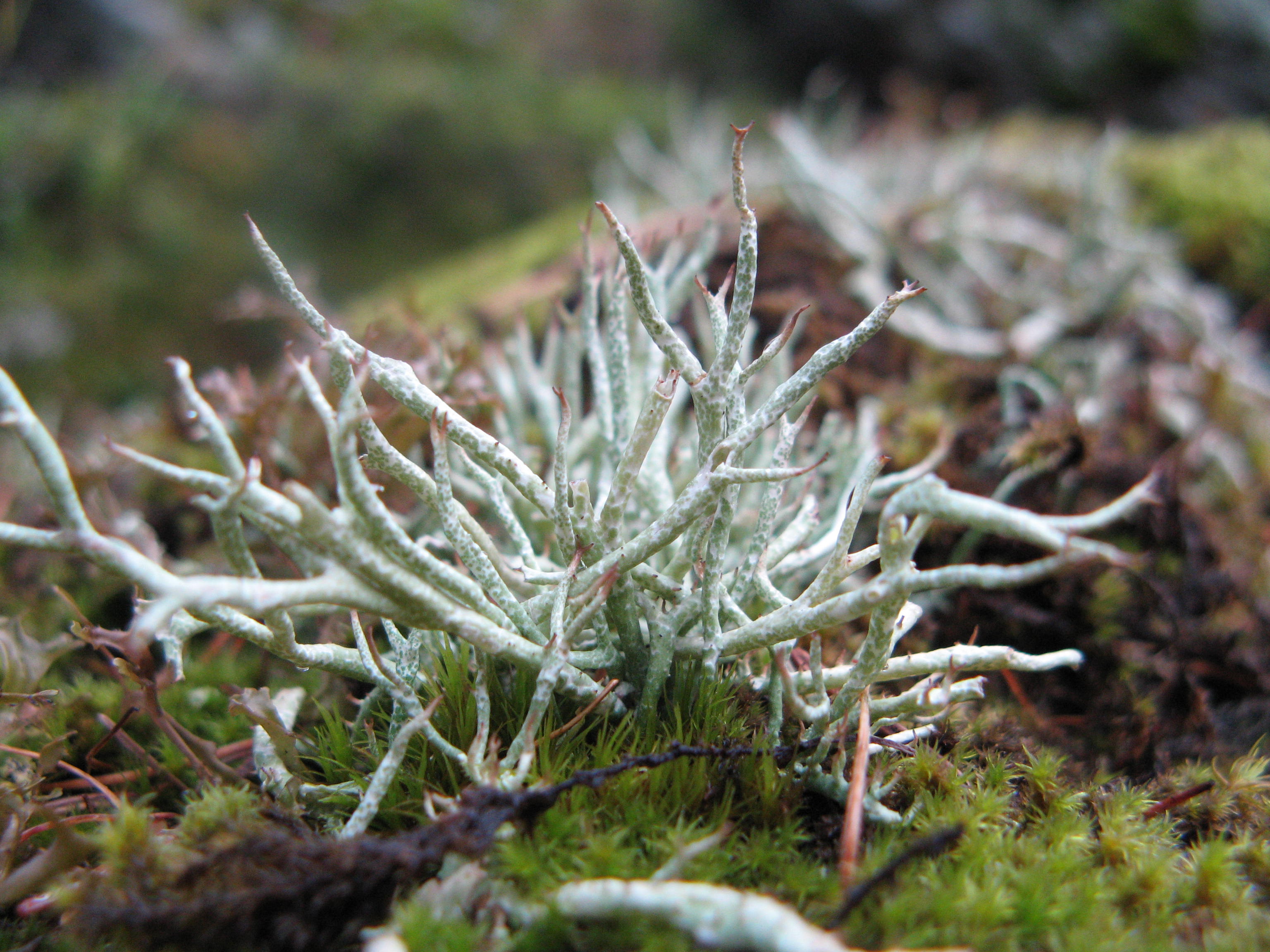
Juri Nascimbene – CC BY-SA 4.0; Owner: Department of ùLife Sciences, University of Trieste
Calaita, Italy
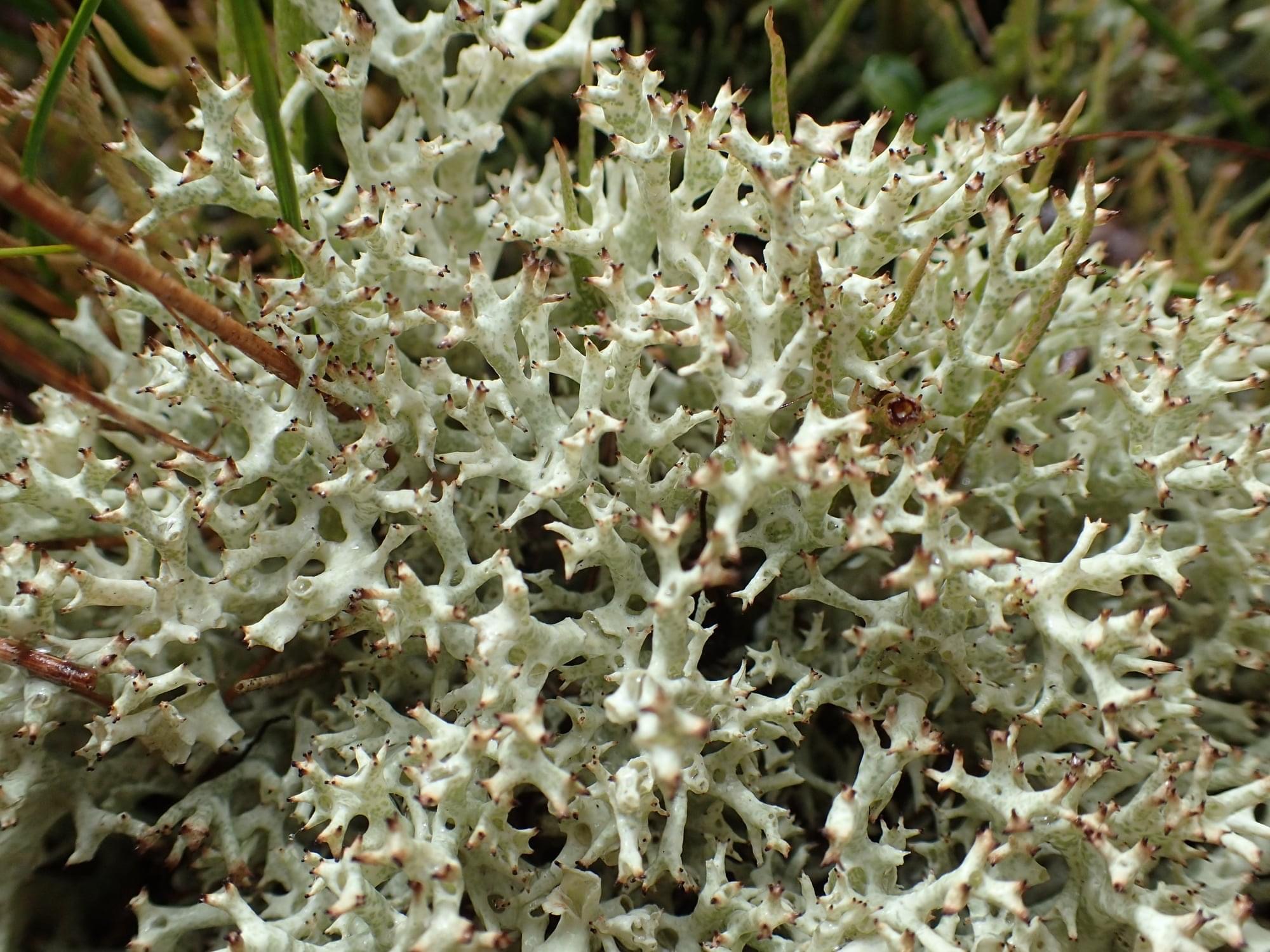
Mark Rahill - CC BY-SA 4.0
USA, Vermont

Bernard Bouffinier - Source: http://www.lichensmaritimes.org/index.php?task=fiche&lichen=376&lang=en
France, Menez, Kador

Bernard Bouffinier - Source: http://www.lichensmaritimes.org/index.php?task=fiche&lichen=376&lang=en
France, Menez, Kador

Bernard Bouffinier - Source: http://www.lichensmaritimes.org/index.php?task=fiche&lichen=376&lang=en
France, Menez, Kador

Bernard Bouffinier - Source: http://www.lichensmaritimes.org/index.php?task=fiche&lichen=376&lang=en
France, Menez, Kador

Bernard Bouffinier - Source: http://www.lichensmaritimes.org/index.php?task=fiche&lichen=376&lang=en
France, Menez, Kador

Bernard Bouffinier - Source: http://www.lichensmaritimes.org/index.php?task=fiche&lichen=376&lang=en
France, Menez, Kador

Michel David - Source: http://www.lichensmaritimes.org/index.php?task=fiche&lichen=376&lang=en
France, Cap de la Chèvre

Michel David - Source: http://www.lichensmaritimes.org/index.php?task=fiche&lichen=376&lang=en
France, Cap de la Chèvre
Leif Stridvall - Source: http://www.stridvall.se/la/galleries.php

Bernard Bouffinier - Source: http://www.lichensmaritimes.org/index.php?task=fiche&lichen=376&lang=en
France, Camaret

Bernard Bouffinier - Source: http://www.lichensmaritimes.org/index.php?task=fiche&lichen=376&lang=en
France, Camaret

Ulrich Kirschbaum CC BY-SA 4.0 - Source: https://www.thm.de/lse/ulrich-kirschbaum/flechtenbilder
Sweden

Wolfgang von Brackel - CC BY-4.0
Germany, Bavaria, Heidenberg

Wolfgang von Brackel - CC BY-4.0
Germany, Bavaria, Arber

Wolfgang von Brackel - CC BY-4.0
Germany, Bavaria, Behringersdorf

Wolfgang von Brackel - CC BY-4.0
Germany, Bavaria, Knöchel

Wolfgang von Brackel - CC BY-4.0
Germany, Bavaria, Kreither Forst
Wolfgang von Brackel - CC BY-4.0
Germany, Bavaria, Laubacher Eck

Collezione lichenologica Abramo Massalongo del Museo di Storia Naturale G. Ligabue di Venezia - Autori: Seggi, Linda; Trabucco, Raffaella Proprietà: Fondazione Musei Civici di Venezia - CC BY-NC
E Germania misit Siegmund