Dacampia hookeri (Borrer) A. Massal.
Sulla Lecidea hookeri di Schaer.: 7, 1853. Basionym: Verrucaria hookeri Borrer - Engl. Bot. Suppl.: tab. 2622, fig. 2, 1831.
Synonyms: Biatorina sphaerica A. Massal.; Pleospora hookeri (Borrer) Keissl.
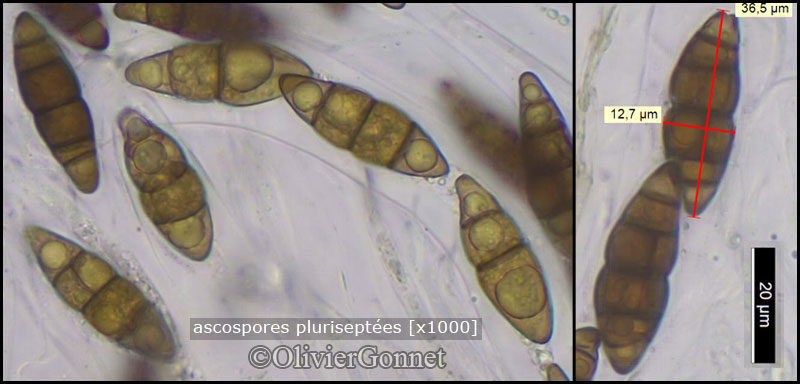
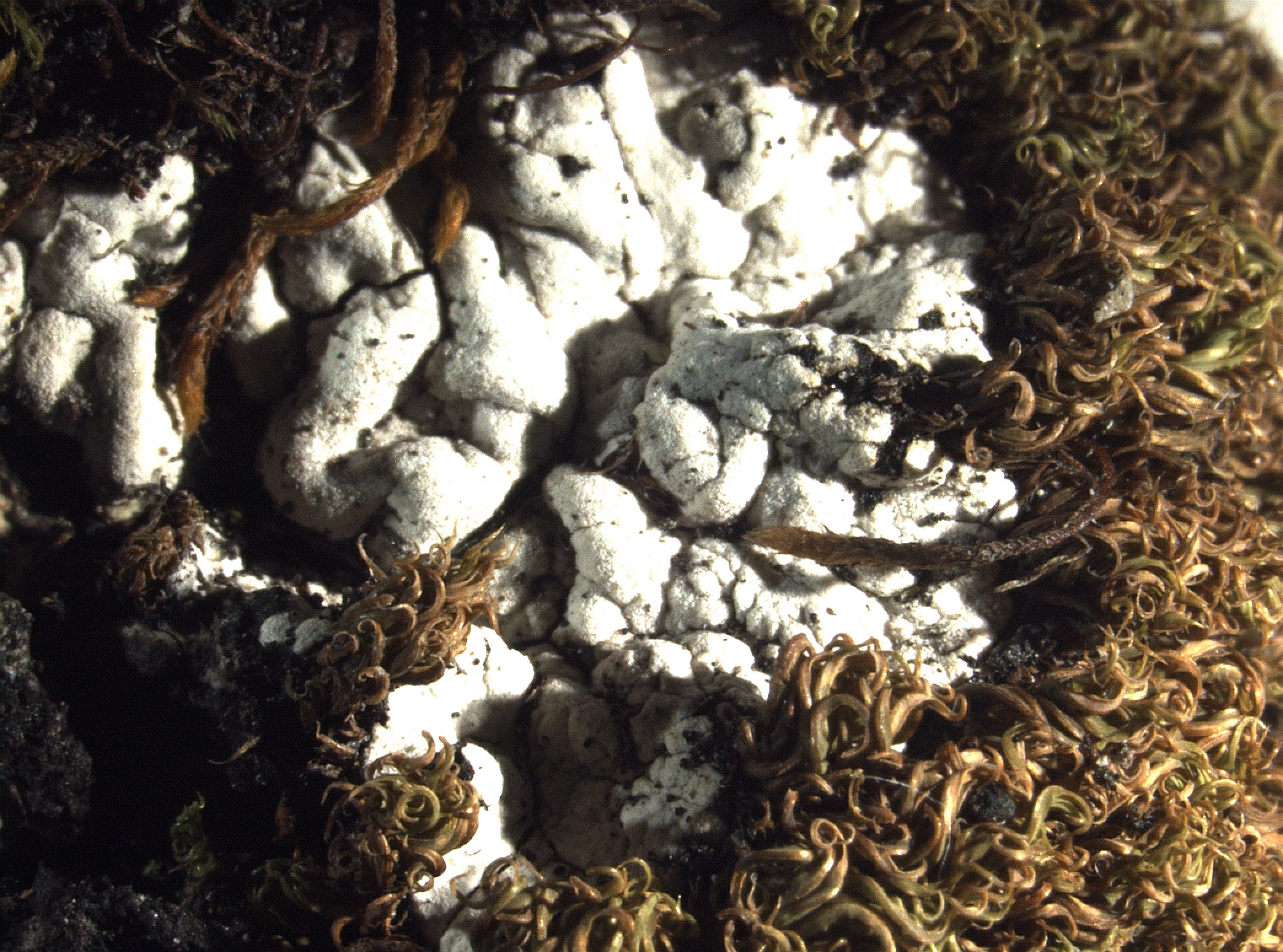
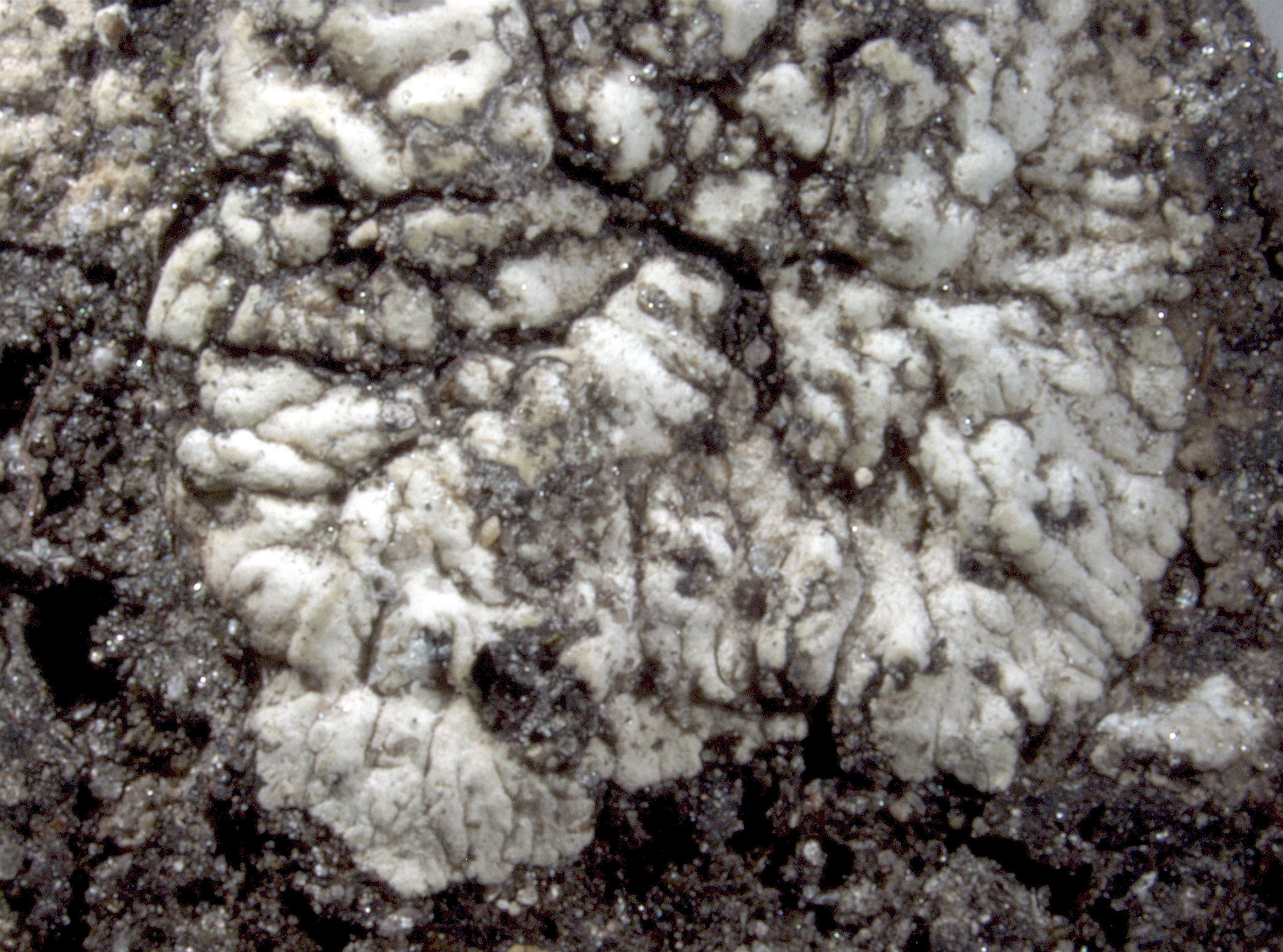
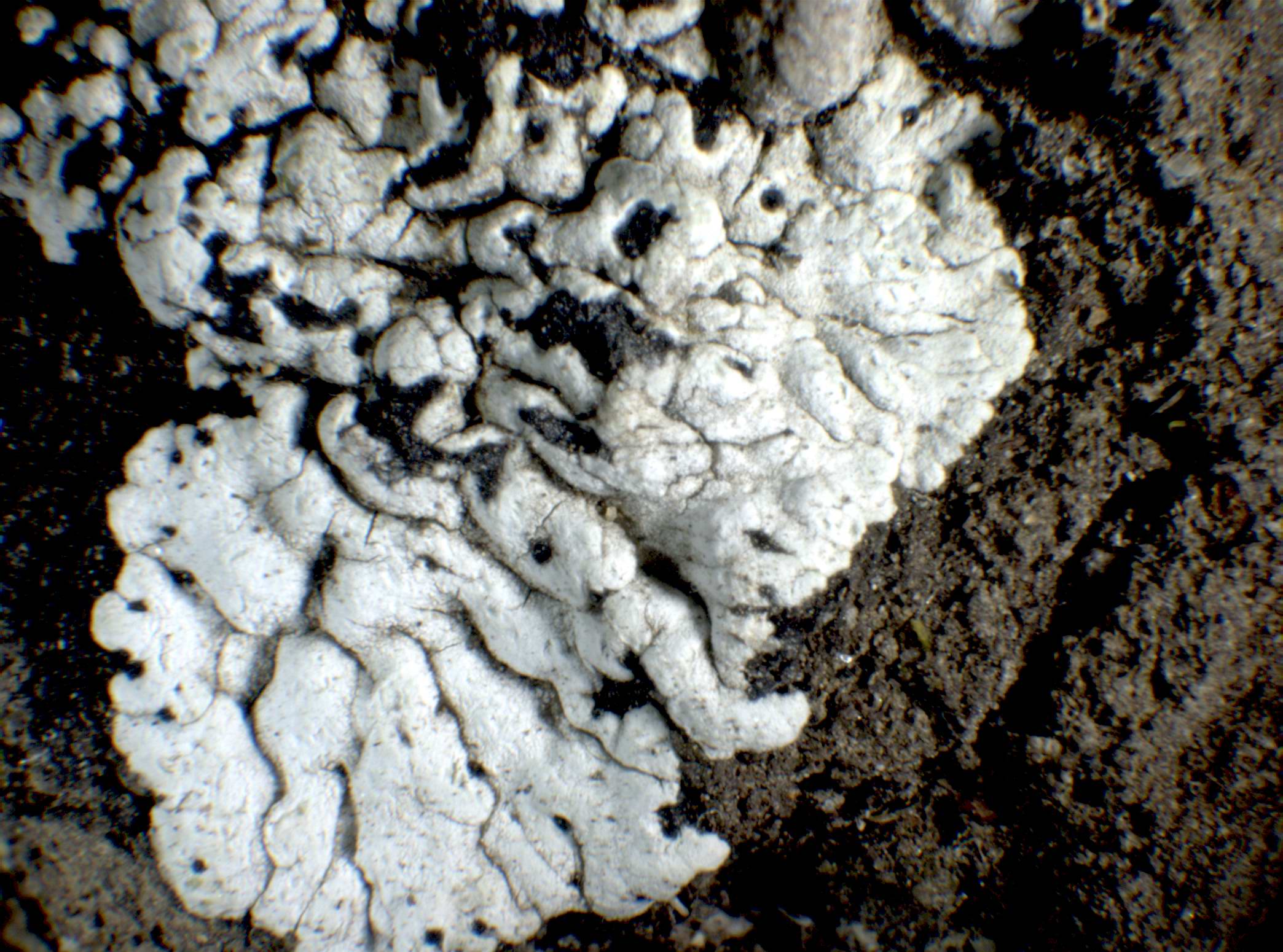
Description: Thallus apparently crustose and lichenized, greenish white, often white-pruinose, several cm wide, often lobed at margin, irregularly areolate in central parts, the areoles flat to convex, often blackish at margins, delimited by a blackish prothallus (some authors maintain that this is a strongly modified thallus of Solorina, and that D. hookeri is a lichenicolous fungus). Perithecia black, bottle-shaped, with a rather pronounced beak. Exciple of several layers of angular, pseudoparenchymatous, radially compressed, thick-walled cells of textura angularis, reddish to dark brown; hamathecium of branched and anastomosing pseudoparaphyses, the hymenial gel I-. Asci 8-spored, bitunicate, elongate-clavate to short-cylindrical, shortly pedicellate, with a thick-walled apex and a small, sometimes indistinct ocular chamber. Ascospores submuriform, with 3-5 transverse septa and 1-2 longitudinal septa in the median part of the spore, brown at maturity, 37-42 x 11-13 µm. Photobiont chlorococcoid (or absent if the species is parasitic on Solorina). Spot tests: K-, C-, KC-, P-, UV-. Chemistry: without lichen substances.
Growth form: Crustose
Substrata: soil, terricolous mosses, and plant debris
Photobiont: green algae other than Trentepohlia
Reproductive strategy: mainly sexual
Commonnes-rarity: (info)
Alpine belt: rather rare
Subalpine belt: rather common
Montane belt: extremely rare
Dry submediterranean belt: absent
Humid submediterranean belt: absent
Padanian area: absent
pH of the substrata:
1 2 3 4 5

Solar irradiation:
1 2 3 4 5
Aridity:
1 2 3 4 5
Eutrophication:
1 2 3 4 5
Poleotolerance:
0 1 2 3
Altitudinal distribution:
1 2 3 4 5 6
Rarity
absent
extremely rare
very rare
rare
rather rare
rather common
common
very common
extremely common
Loading data...
Occurrence data
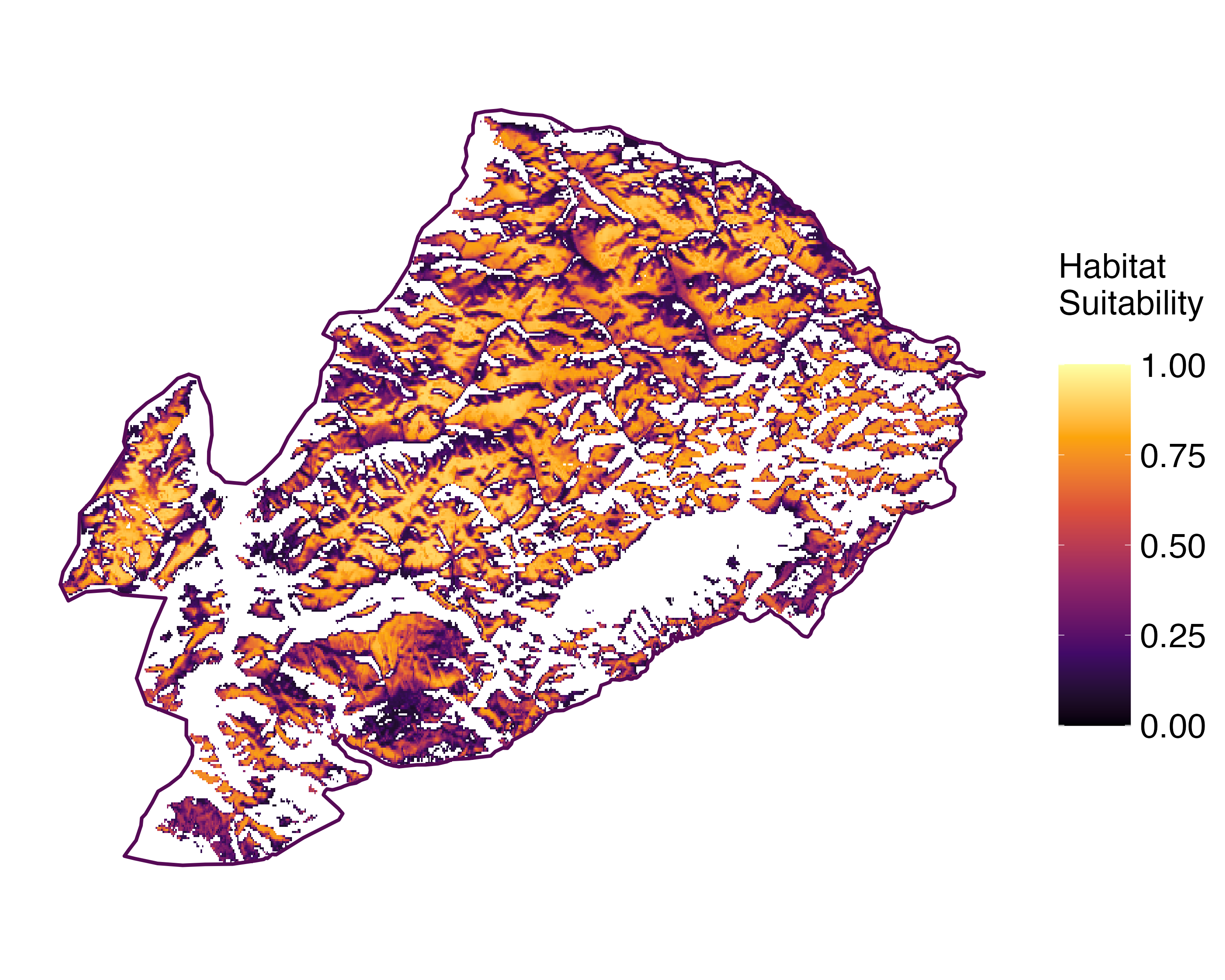
Predictive map
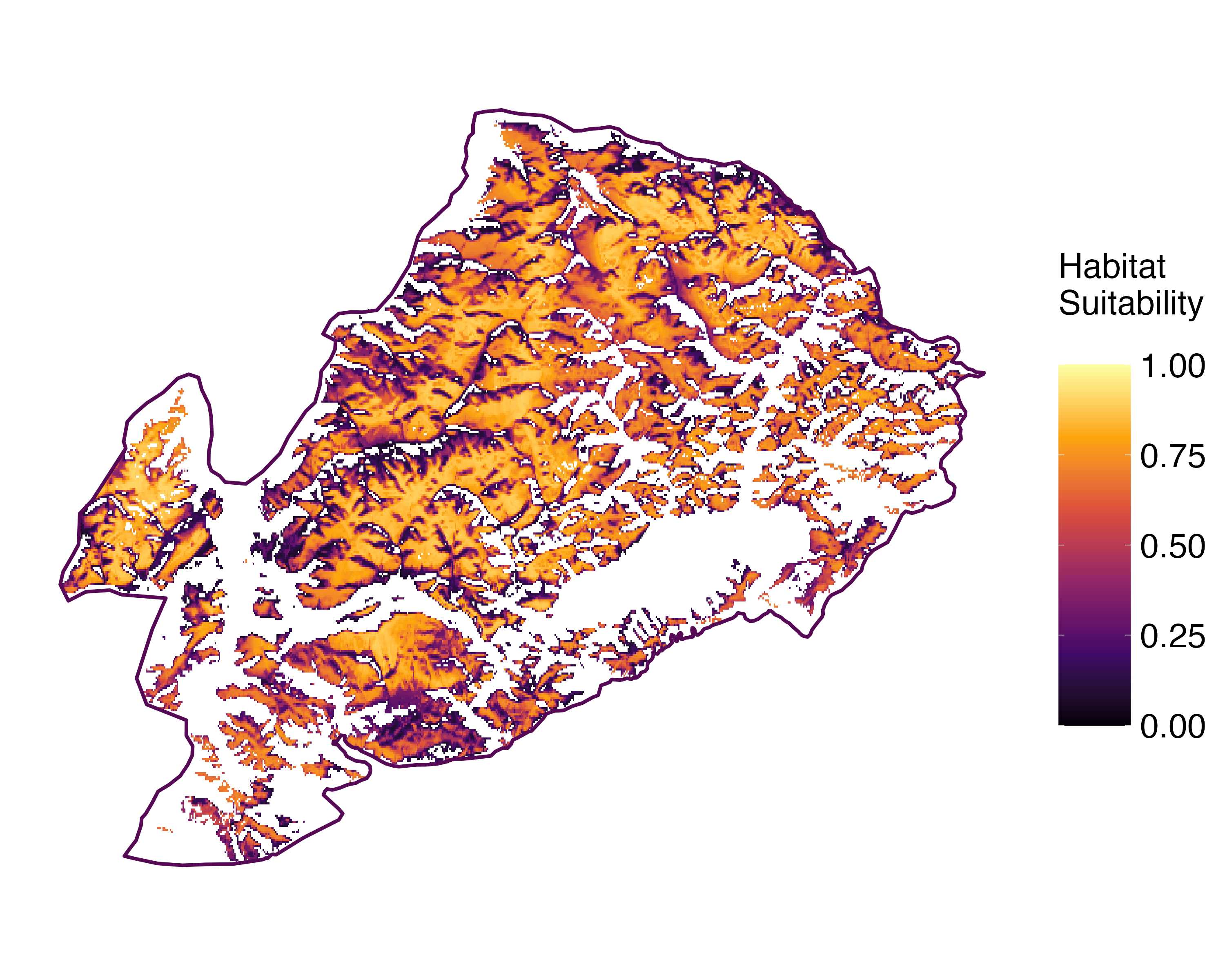 Current prediction (1981-2010)
 Future prediction (2071-2100) SSP 1-2.6
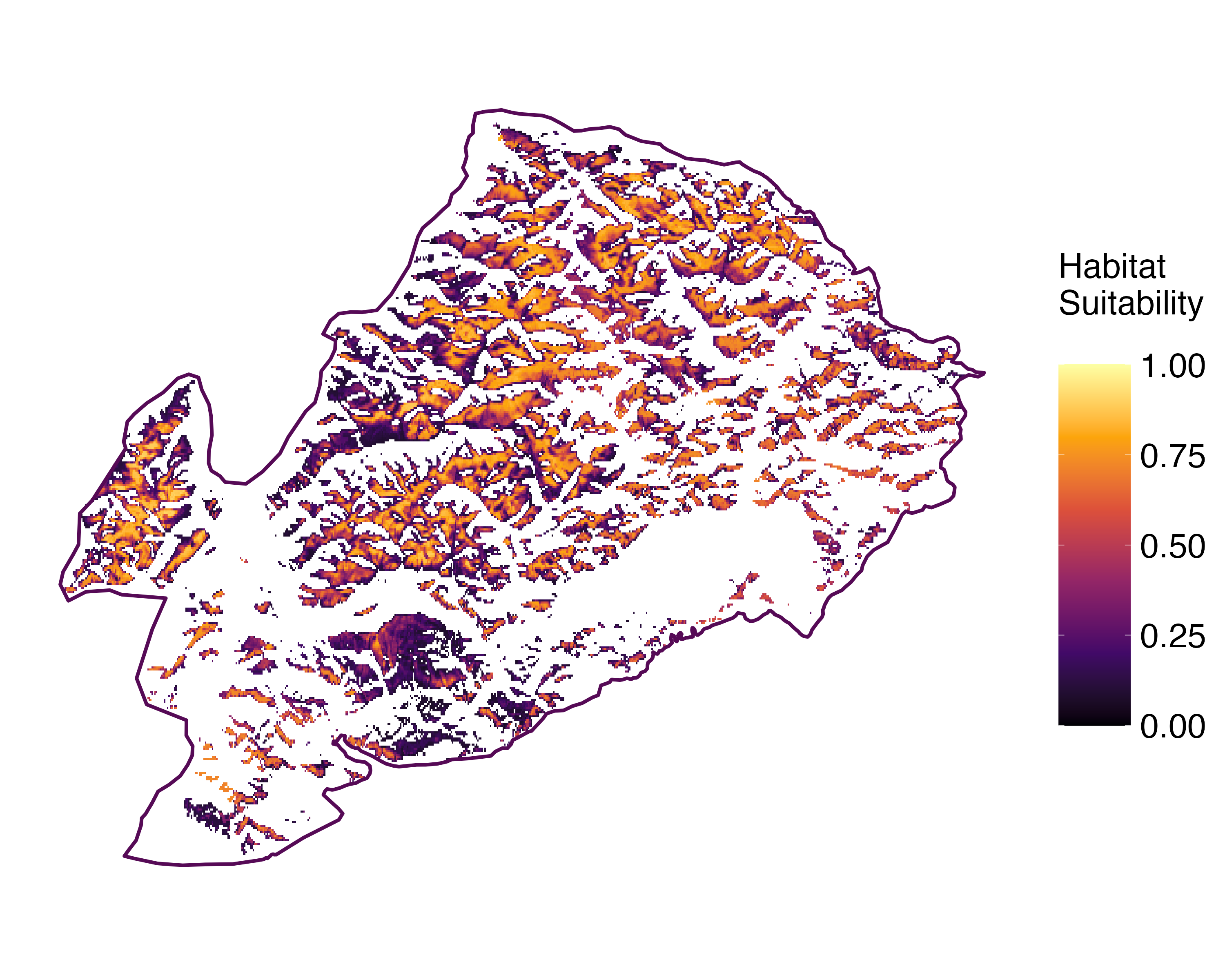 Future prediction (2071-2100) SSP 5-8.5Predictive maps according to Francesconi et al. 2025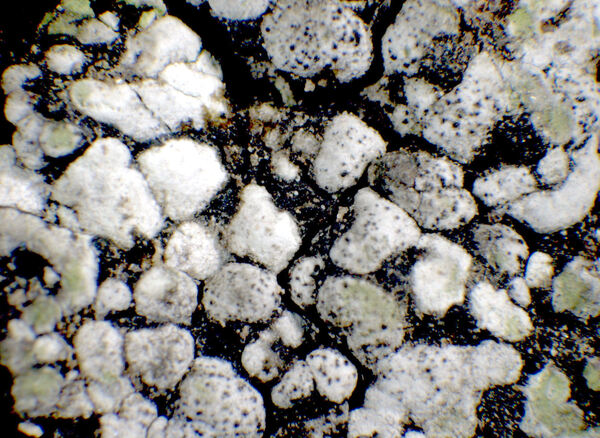
P.L. Nimis CC BY-SA 4.0
TSB 34655
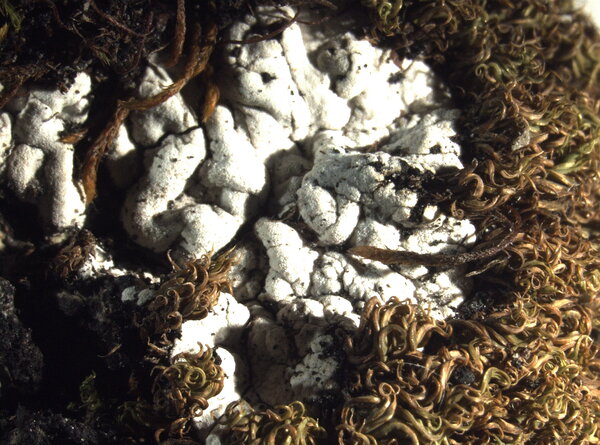
Pier Luigi Nimis - CC BY-SA 4.0
TSB 37861
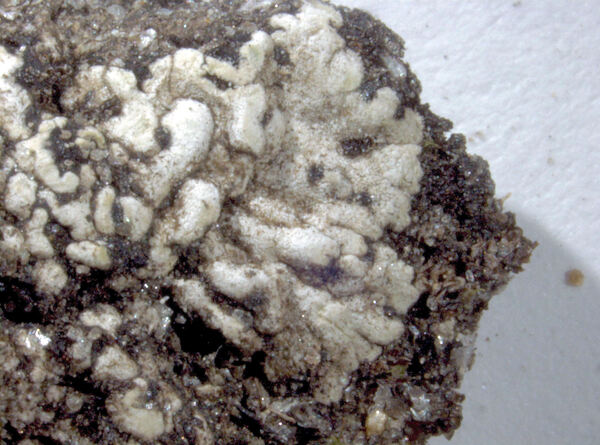
P.L. Nimis CC BY-SA 4.0
TSB 42119
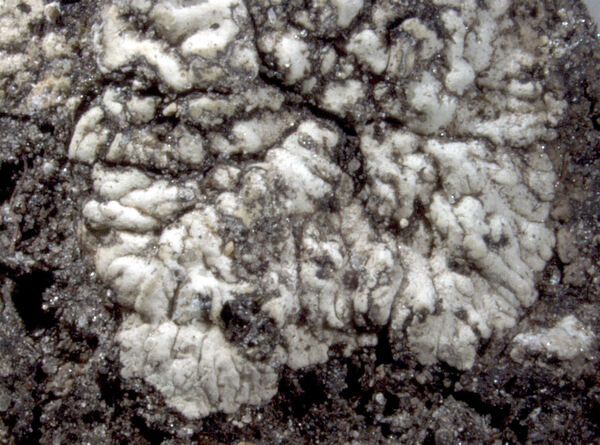
P.L. Nimis CC BY-SA 4.0
TSB 42119
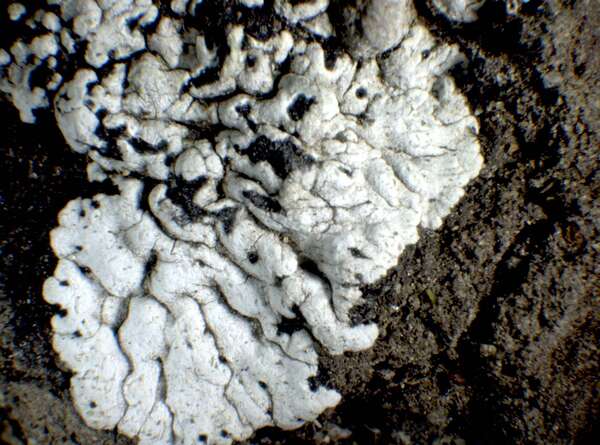
P.L. Nimis; Owner: Department of Life Sciences, University of Trieste
Herbarium: TSB (34514)
2002/01/17
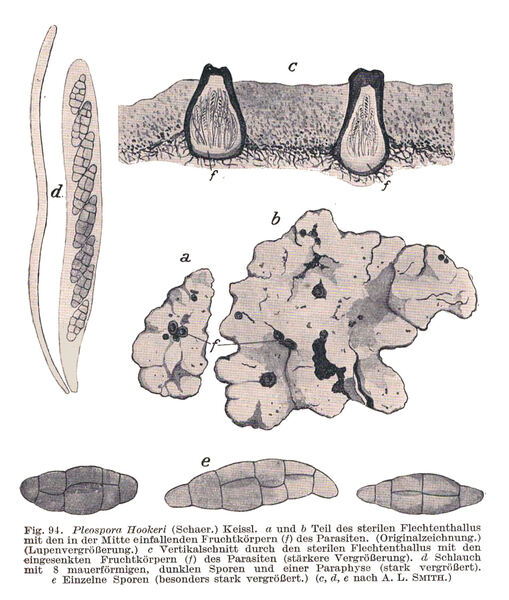
Zschacke, H. (1934) Epigloeaceae, Verrucariaceae und Dermatocarpaceae. In: Dr. L. Rabenhorst‘s Kryptogamen-Flora, Band 9, Abt. 1, Teil 1. Akademische Verlagsgesellschaft, Leipzig, 695 pp. - Public Domain
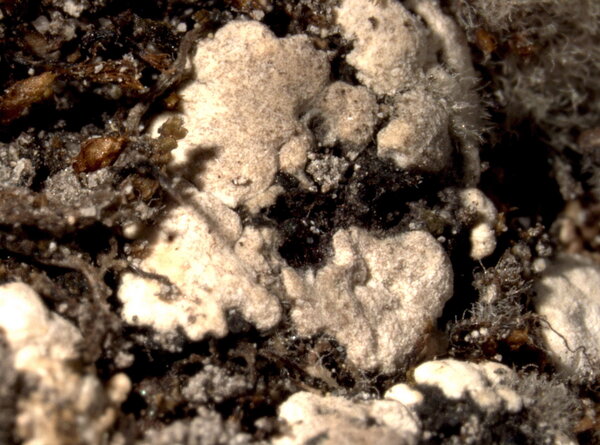
Pier Luigi Nimis - CC BY-SA 4.0
TSB 38710
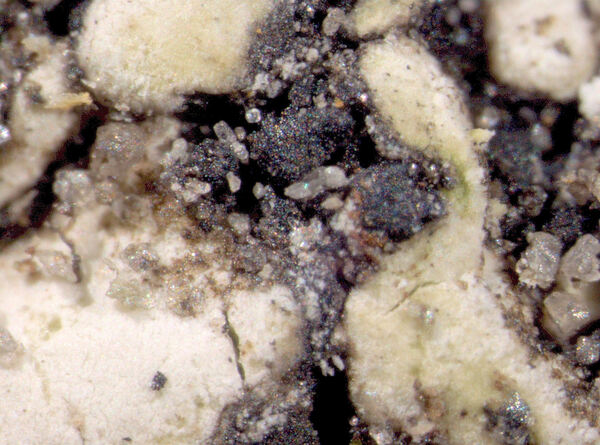
P.L. Nimis CC BY-SA 4.0
TSB 42119
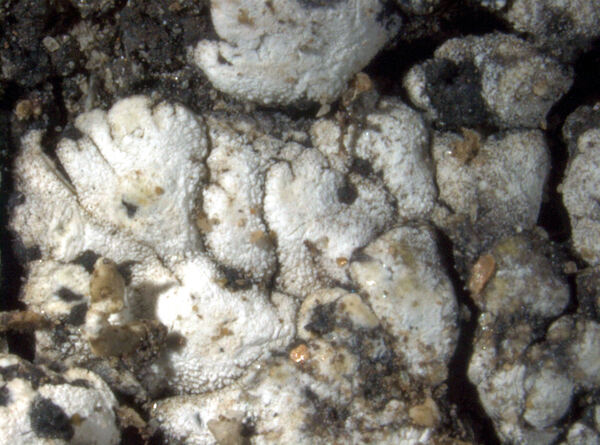
P.L. Nimis CC BY-SA 4.0
TSB 38469
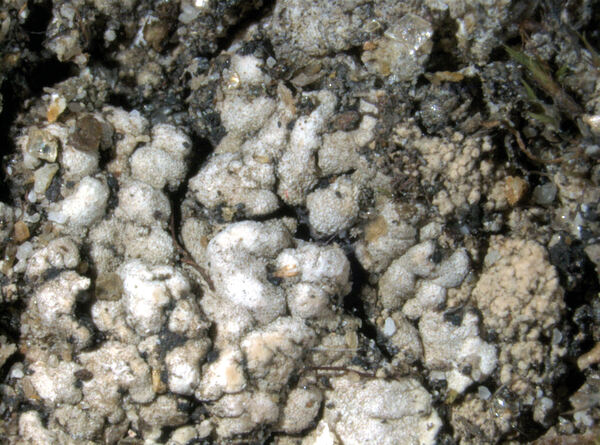
P.L. Nimis CC BY-SA 4.0
TSB 38468
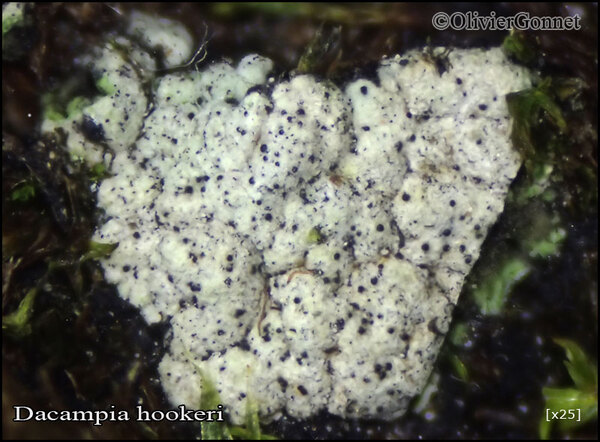
Courtesy Danièle et Olivier Gonnet - Source: https://www.afl-lichenologie.fr/Photos_AFL/Photos_AFL_D/Textes_D1/Dacampia_hookeri.htm
France, Canyon du crêt de la neige, alt. 1694 m - Lélex - Ain - on Solorina bispora
26/8/2017
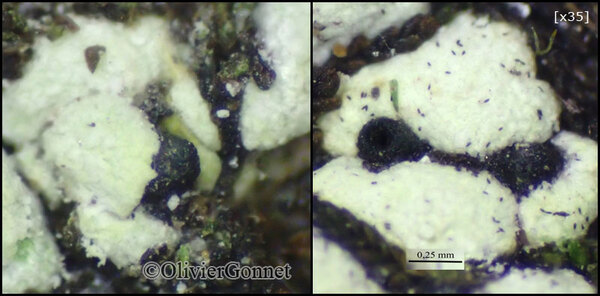
Courtesy Danièle et Olivier Gonnet - Source: https://www.afl-lichenologie.fr/Photos_AFL/Photos_AFL_D/Textes_D1/Dacampia_hookeri.htm
France, Canyon du crêt de la neige, alt. 1694 m - Lélex - Ain - on Solorina bispora
26/8/2017
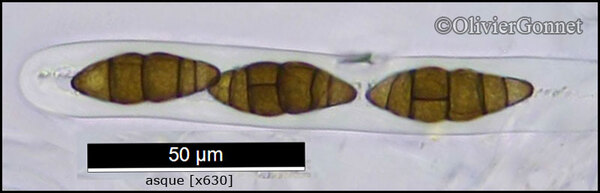
Courtesy Danièle et Olivier Gonnet - Source: https://www.afl-lichenologie.fr/Photos_AFL/Photos_AFL_D/Textes_D1/Dacampia_hookeri.htm
France, Canyon du crêt de la neige, alt. 1694 m - Lélex - Ain - on Solorina bispora
26/8/2017
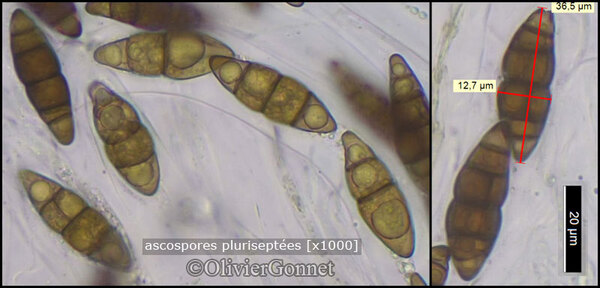
Courtesy Danièle et Olivier Gonnet - Source: https://www.afl-lichenologie.fr/Photos_AFL/Photos_AFL_D/Textes_D1/Dacampia_hookeri.htm
France, Canyon du crêt de la neige, alt. 1694 m - Lélex - Ain - on Solorina bispora
26/8/2017
Growth form: Crustose
Substrata: soil, terricolous mosses, and plant debris
Photobiont: green algae other than Trentepohlia
Reproductive strategy: mainly sexual
Commonnes-rarity: (info)
Alpine belt: rather rare
Subalpine belt: rather common
Montane belt: extremely rare
Dry submediterranean belt: absent
Humid submediterranean belt: absent
Padanian area: absent
pH of the substrata:
| 1 | 2 | 3 | 4 | 5 |
Solar irradiation:
| 1 | 2 | 3 | 4 | 5 |
Aridity:
| 1 | 2 | 3 | 4 | 5 |
Eutrophication:
| 1 | 2 | 3 | 4 | 5 |
Poleotolerance:
| 0 | 1 | 2 | 3 |
Altitudinal distribution:
| 1 | 2 | 3 | 4 | 5 | 6 |
Rarity
absent
extremely rare
very rare
rare
rather rare
rather common
common
very common
extremely common
Loading data...
Occurrence data
Predictive map
Current prediction (1981-2010)Future prediction (2071-2100) SSP 1-2.6Future prediction (2071-2100) SSP 5-8.5Predictive maps according to Francesconi et al. 2025

P.L. Nimis CC BY-SA 4.0
TSB 34655
Pier Luigi Nimis - CC BY-SA 4.0
TSB 37861

P.L. Nimis CC BY-SA 4.0
TSB 42119
P.L. Nimis CC BY-SA 4.0
TSB 42119
P.L. Nimis; Owner: Department of Life Sciences, University of Trieste
Herbarium: TSB (34514)
2002/01/17
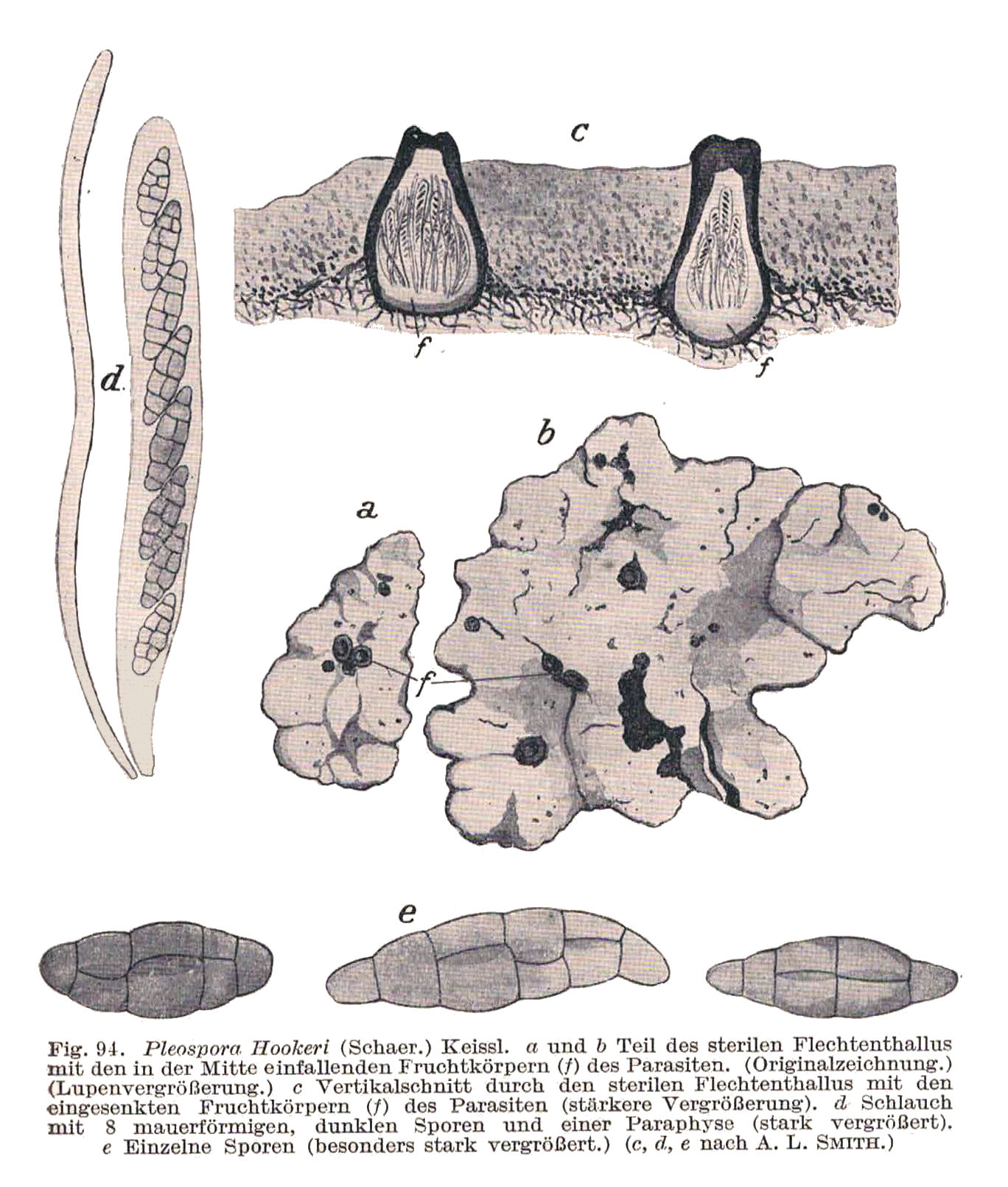
Zschacke, H. (1934) Epigloeaceae, Verrucariaceae und Dermatocarpaceae. In: Dr. L. Rabenhorst‘s Kryptogamen-Flora, Band 9, Abt. 1, Teil 1. Akademische Verlagsgesellschaft, Leipzig, 695 pp. - Public Domain
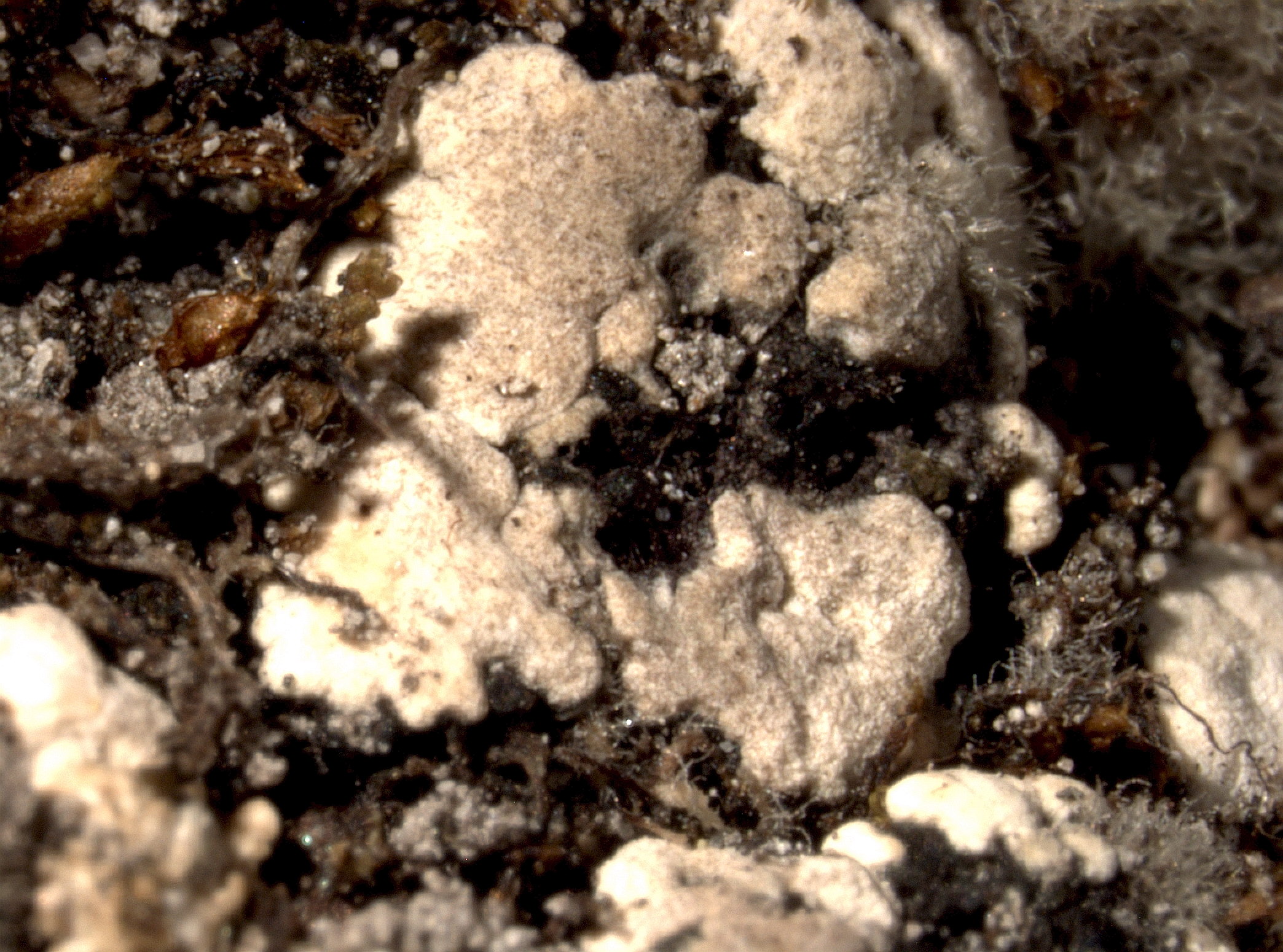
Pier Luigi Nimis - CC BY-SA 4.0
TSB 38710
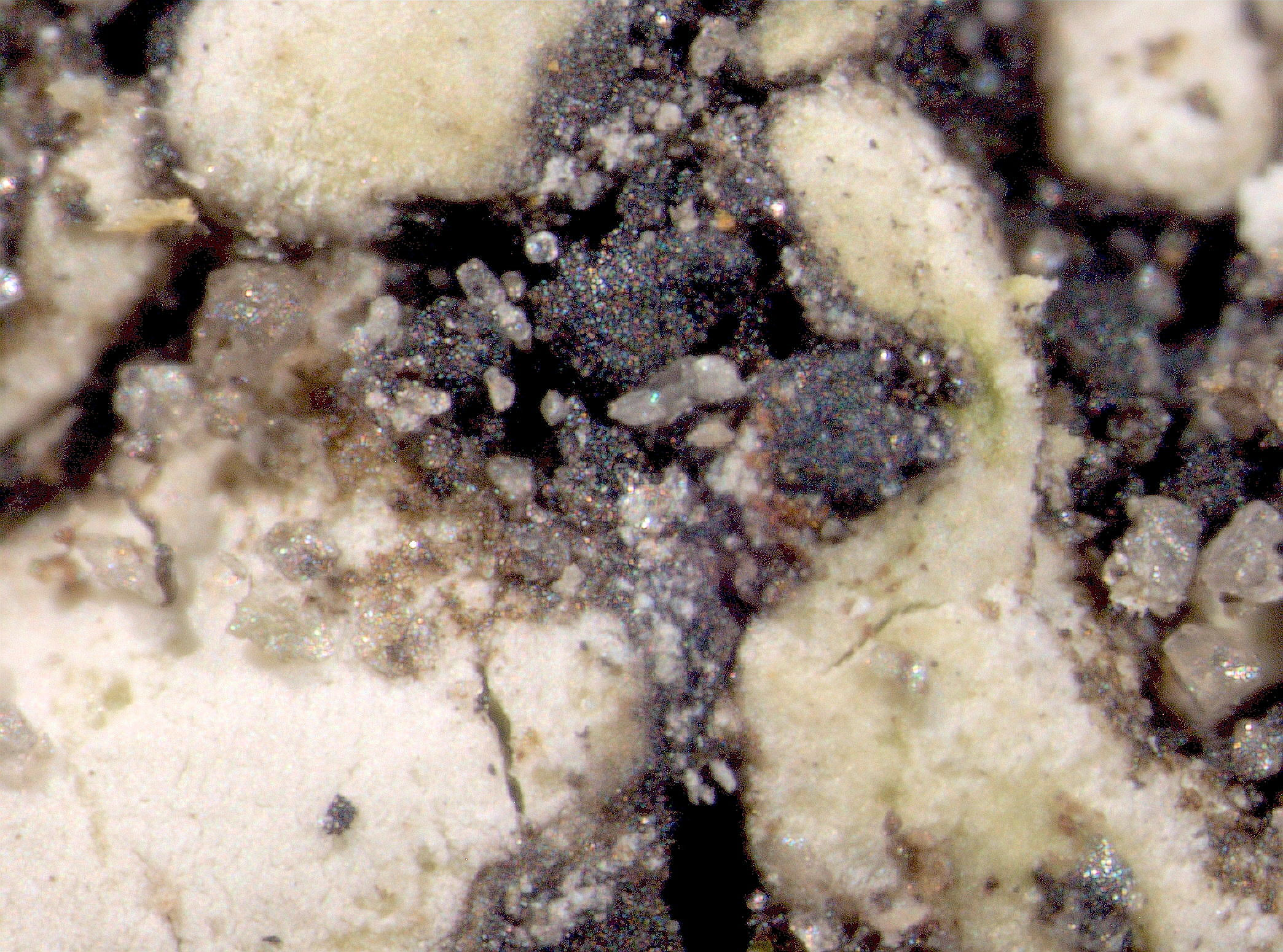
P.L. Nimis CC BY-SA 4.0
TSB 42119
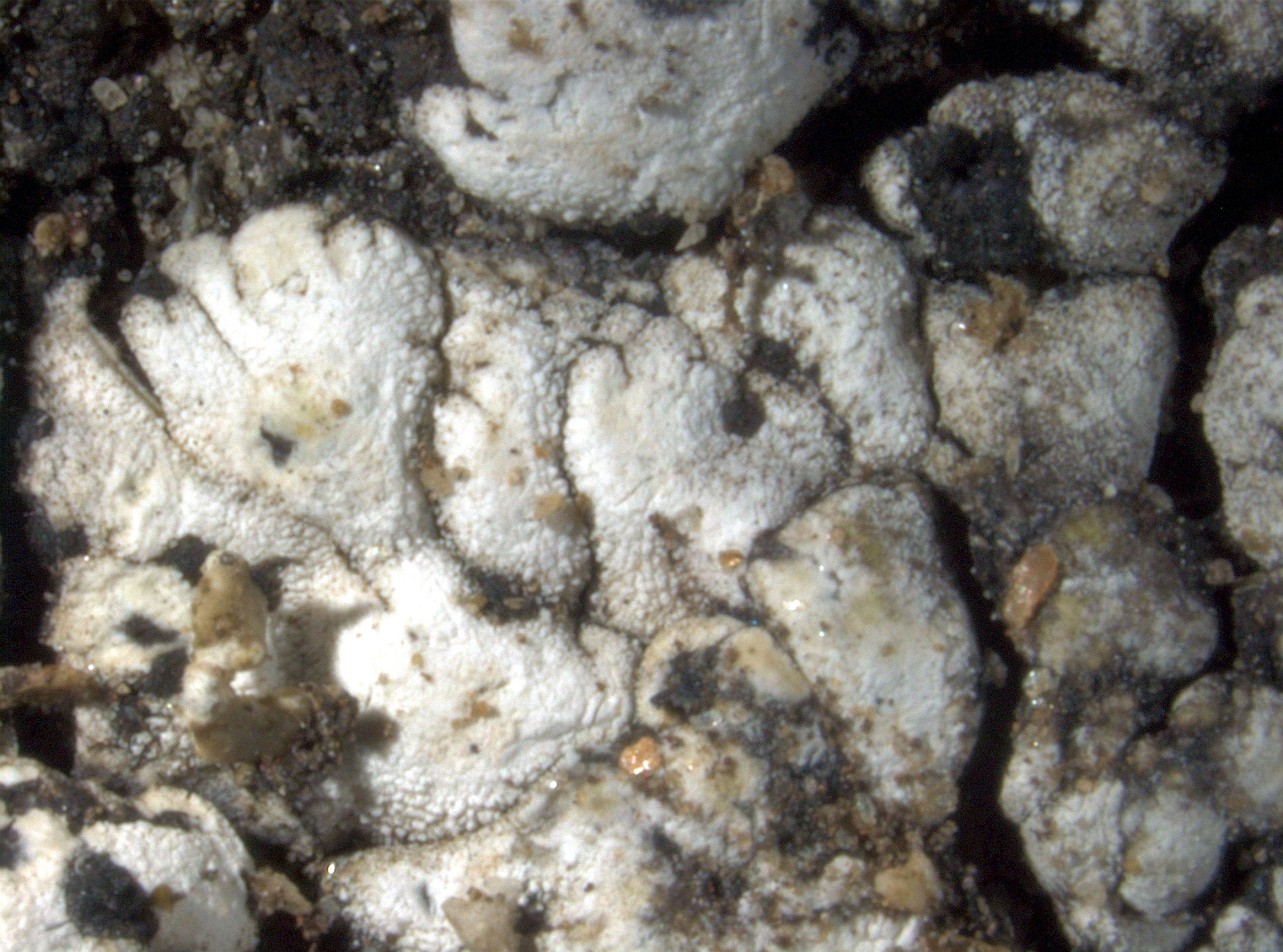
P.L. Nimis CC BY-SA 4.0
TSB 38469
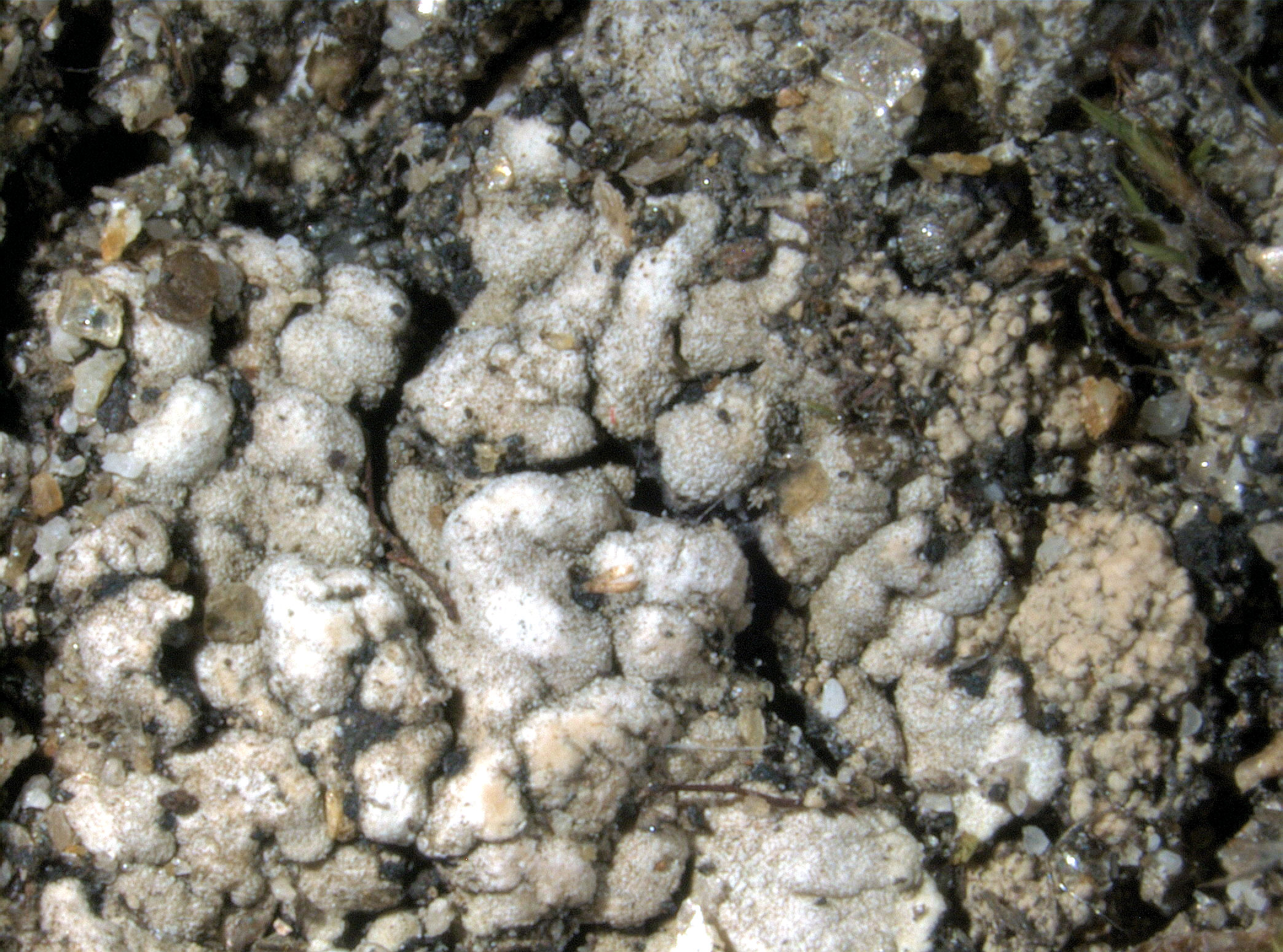
P.L. Nimis CC BY-SA 4.0
TSB 38468
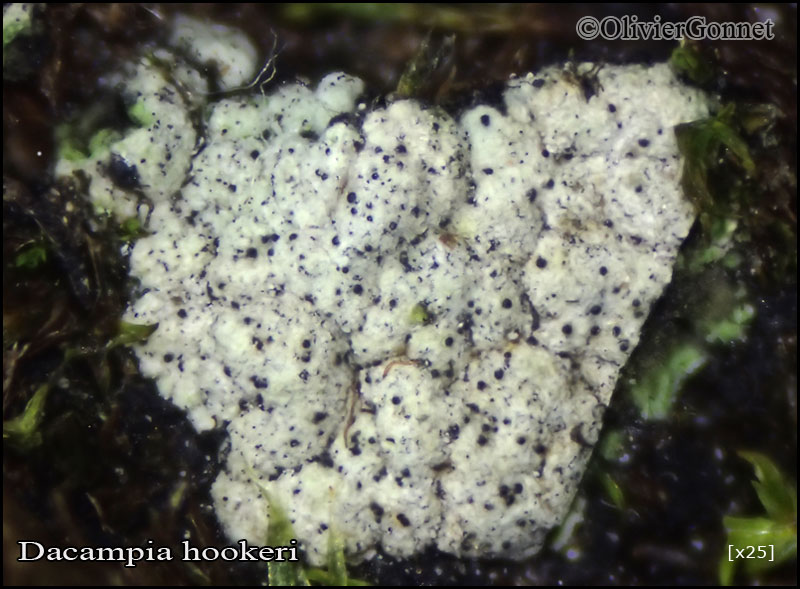
Courtesy Danièle et Olivier Gonnet - Source: https://www.afl-lichenologie.fr/Photos_AFL/Photos_AFL_D/Textes_D1/Dacampia_hookeri.htm
France, Canyon du crêt de la neige, alt. 1694 m - Lélex - Ain - on Solorina bispora
26/8/2017

Courtesy Danièle et Olivier Gonnet - Source: https://www.afl-lichenologie.fr/Photos_AFL/Photos_AFL_D/Textes_D1/Dacampia_hookeri.htm
France, Canyon du crêt de la neige, alt. 1694 m - Lélex - Ain - on Solorina bispora
26/8/2017

Courtesy Danièle et Olivier Gonnet - Source: https://www.afl-lichenologie.fr/Photos_AFL/Photos_AFL_D/Textes_D1/Dacampia_hookeri.htm
France, Canyon du crêt de la neige, alt. 1694 m - Lélex - Ain - on Solorina bispora
26/8/2017