Farnoldia jurana subsp. muverani (Müll. Arg.) Hafellner & Türk
Stapfia, 76: 152, 2001. Basionym: Biatora muverani Müll. Arg. - Flora, 53: 165, 1870.
Synonyms: Melanolecia jurana var. muverani (Müll. Arg.) Hertel ; Lecidea jurana Schaer. var. muverani (Müll. Arg.) Hertel; Lecidea muverani (Müll. Arg.) Hertel
Description: Thallus crustose, endosubstratic or more rarely very thinly episubstratic, continuous to rarely finely rimose, white to yellowish-ochre. Medulla white, I- or I+ pale blue. Apothecia lecideine, adnate and constricted at base, black, epruinose and somehow shiny or finely bluish-pruinose, 0.2-1.3 mm across, with a slightly concave to flat, finally sometimes convex, non-umbonate disc, and a thick, prominent, usually persistent, often wavy proper margin. Proper exciple c. 40 µm wide, black, the hyphae 5-9 µm thick, K+ intensively purple; epithecium blue-green or greenish brown (the two colours often present in the same apothecium), 12-25 µm high, K-, often with a layer of crystals; hymenium colourless or greenish in upper part, 70-130 µm high; paraphyses coherent, branched and anastomosing, 1.7-2.2 µm thick at mid-level, the apical cells to 3 µm wide; hypothecium dark brown to brown-black (paler than exciple), the upper part sometimes greenish and K+ purple, c. as twice as high as the hymenium. Asci 8-spored, clavate, with a I+ pale blue tholus and a central amyloid tube, approaching the Porpidia-type. Ascospores usually poorly developed, 1-celled, hyaline, ellipsoid, (11-)14-16 x 5.5-6.5 µm, with a gelatinous perispore. Pycnidia black, immersed, globose. Conidia bacilliform, 3.5-9 µm long. Photobiont chlorococcoid. Spot tests: thallus K-, C-, KC-, P-, UV-. Chemistry: without lichen substances.
Growth form: Crustose endolithic
Substrata: rocks
Photobiont: green algae other than Trentepohlia
Reproductive strategy: mainly sexual
In underhangs rarely wetted by rain
Poorly known taxon in need of further study
Commonnes-rarity: (info)
Alpine belt: very rare
Subalpine belt: very rare
Montane belt: absent
Dry submediterranean belt: absent
Humid submediterranean belt: absent
Padanian area: absent
pH of the substrata:
1 2 3 4 5

Solar irradiation:
1 2 3 4 5
Aridity:
1 2 3 4 5
Eutrophication:
1 2 3 4 5
Poleotolerance:
0 1 2 3
Altitudinal distribution:
1 2 3 4 5 6
Rarity
absent
extremely rare
very rare
rare
rather rare
rather common
common
very common
extremely common
Loading data...
Occurrence data
Predictive map

P.L. Nimis CC BY-SA 4.0
TSB 13439

Pier Luigi Nimis CC BY-SA 4.0
TSB 13419

Pier Luigi Nimis CC BY-SA 4.0
TSB 13419

P.L. Nimis CC BY-SA 4.0
TSB 13419

P.L. Nimis CC BY-SA 4.0
TSB 13419

Pier Luigi Nimis - CC BY-SA 4.0
TSB 13439
Growth form: Crustose endolithic
Substrata: rocks
Photobiont: green algae other than Trentepohlia
Reproductive strategy: mainly sexual
In underhangs rarely wetted by rain
Poorly known taxon in need of further study
Commonnes-rarity: (info)
Alpine belt: very rare
Subalpine belt: very rare
Montane belt: absent
Dry submediterranean belt: absent
Humid submediterranean belt: absent
Padanian area: absent
pH of the substrata:
| 1 | 2 | 3 | 4 | 5 |
Solar irradiation:
| 1 | 2 | 3 | 4 | 5 |
Aridity:
| 1 | 2 | 3 | 4 | 5 |
Eutrophication:
| 1 | 2 | 3 | 4 | 5 |
Poleotolerance:
| 0 | 1 | 2 | 3 |
Altitudinal distribution:
| 1 | 2 | 3 | 4 | 5 | 6 |
Rarity
absent
extremely rare
very rare
rare
rather rare
rather common
common
very common
extremely common
Loading data...
Occurrence data
Predictive map
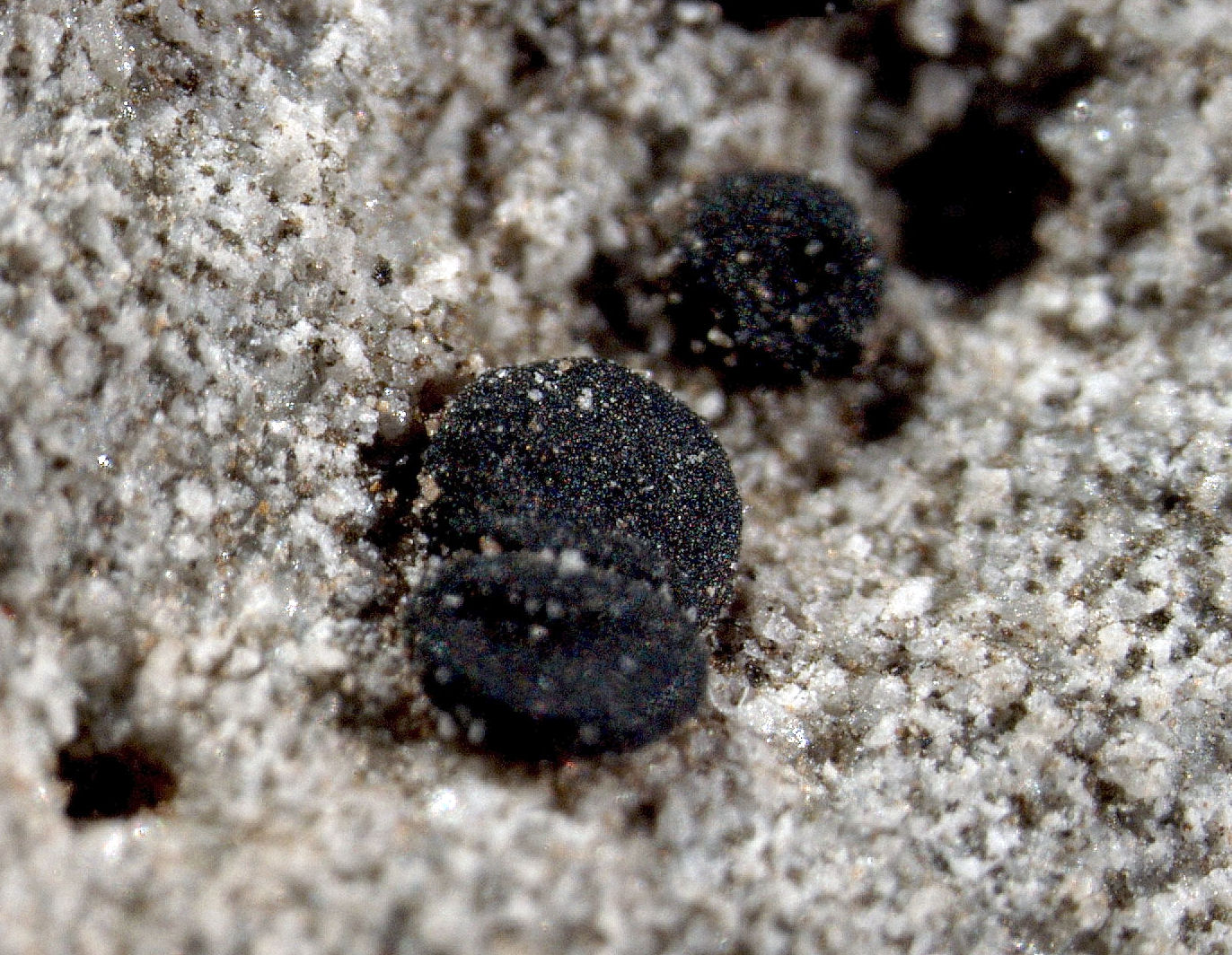
P.L. Nimis CC BY-SA 4.0
TSB 13439
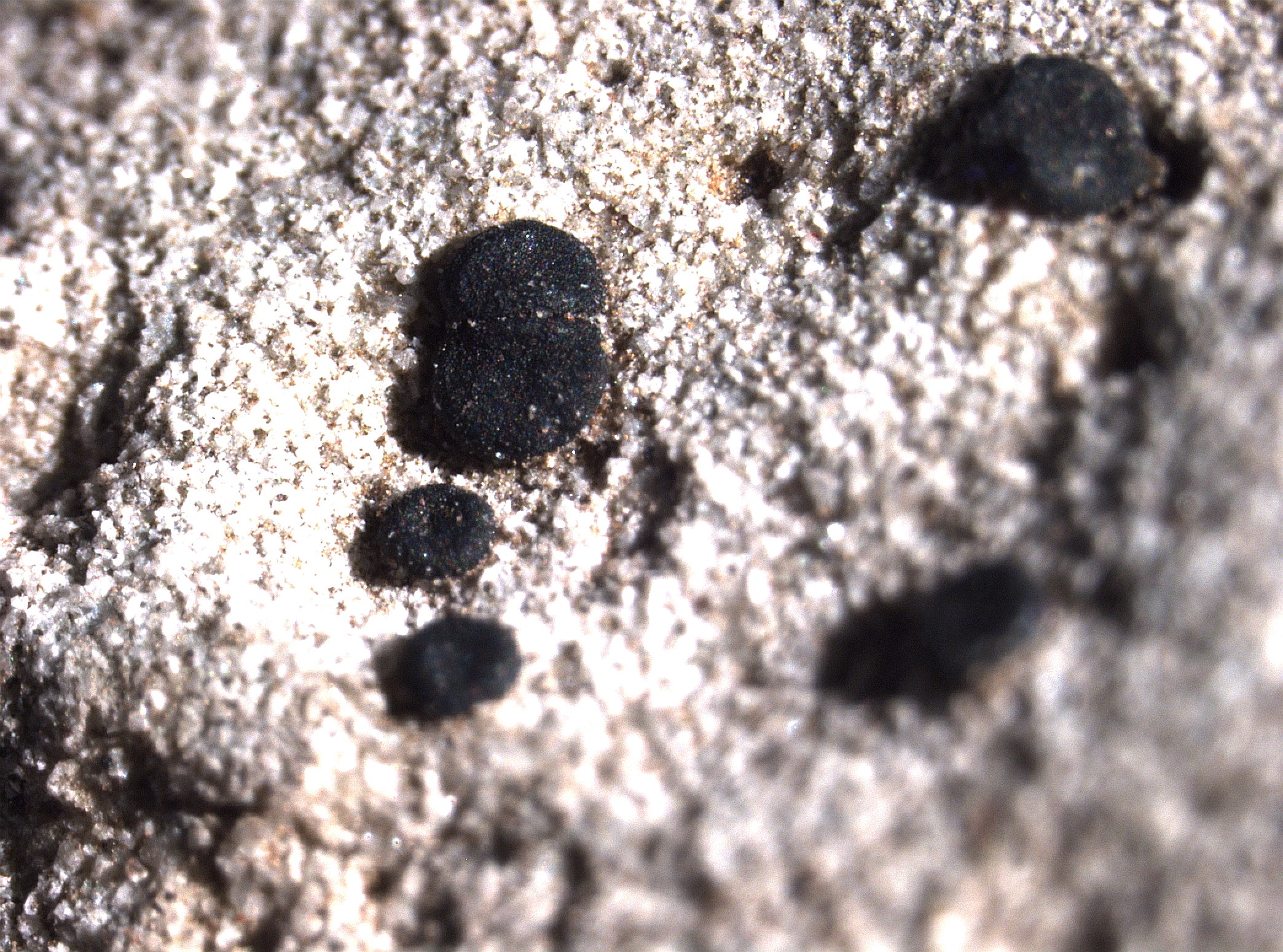
Pier Luigi Nimis CC BY-SA 4.0
TSB 13419
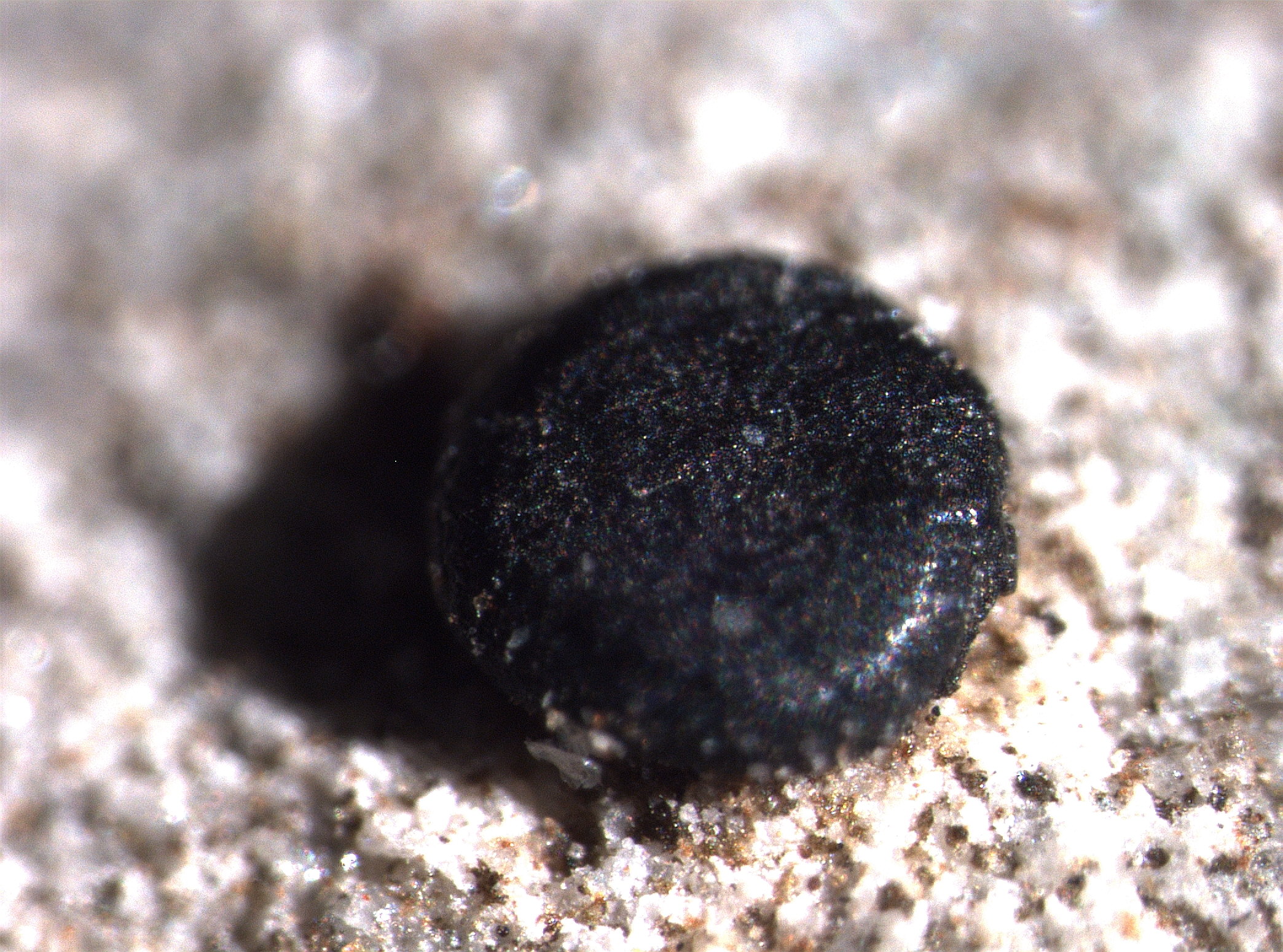
Pier Luigi Nimis CC BY-SA 4.0
TSB 13419
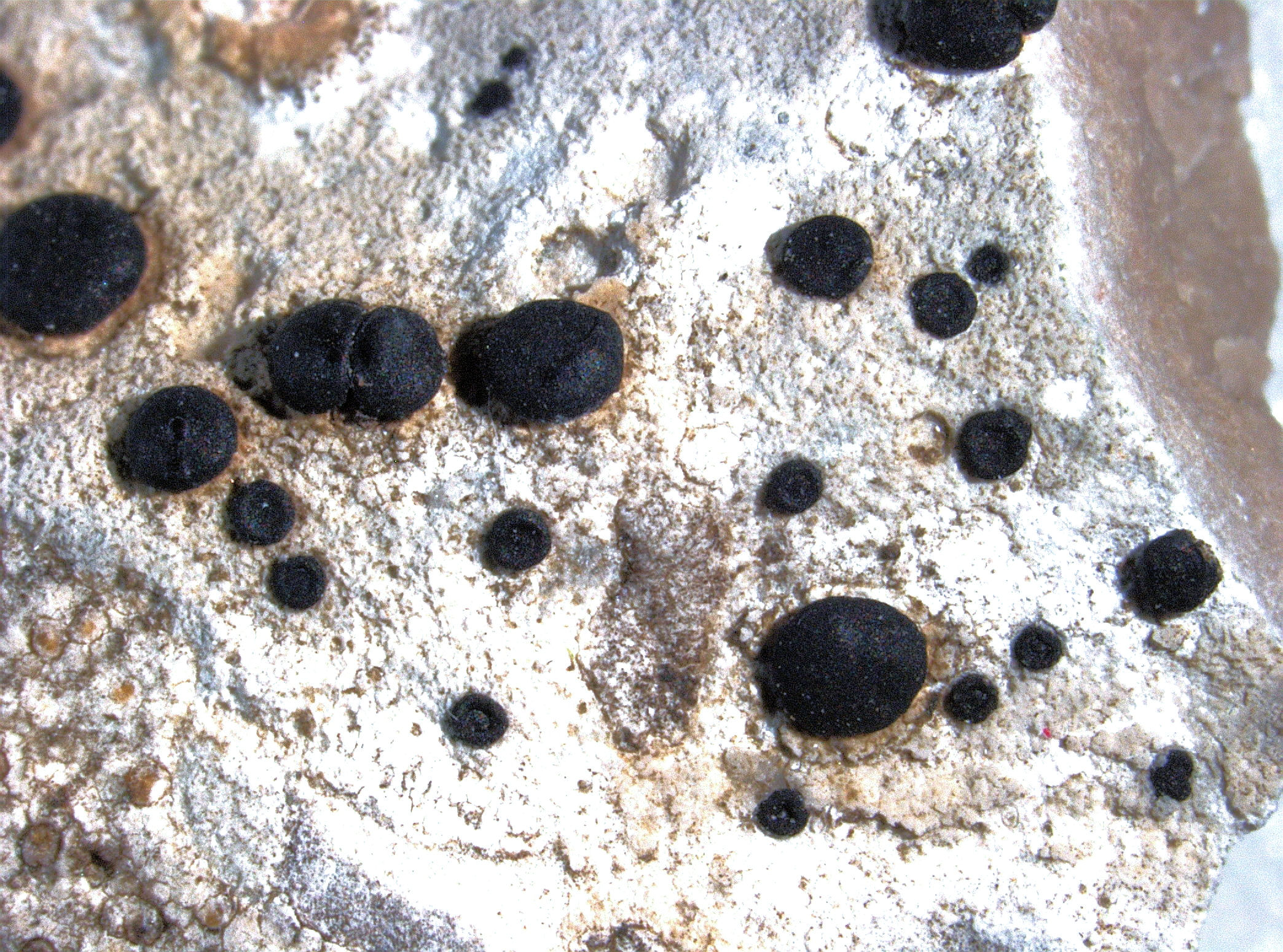
P.L. Nimis CC BY-SA 4.0
TSB 13419

P.L. Nimis CC BY-SA 4.0
TSB 13419