Farnoldia micropsis (A. Massal.) Hertel
Mitt. bot. Staatss. München, 19: 443, 1983. Basionym: Lecidea micropsis A. Massal. - Atti Ist. Ven. Sc. Lett. Arti, ser. 3, 2: 18, 1857.
Synonyms: Lecidea dusenii Lynge; Lecidea hornii Lynge; Lecidea macrospora Lynge; Lecidea nivalis Anzi; Lecidea nivalis var. lutescens Anzi; Lecidea rhaetica f. lutescens (Anzi) Jatta; Lecidea rhaetica Hepp ex Th. Fr.; Lecidea rhaetica var. micropsis (A. Massal.) Dalla Torre & Sarnth.; Lecidea valpellinensis B. de Lesd.; Lecidella micropsis (A. Massal.) Körb.; Lecidella rhaetica (Th.Fr.) Körb.; Melanolecia micropsis (A. Massal.) Hertel; Tremolecia nivalis (Anzi) Hertel
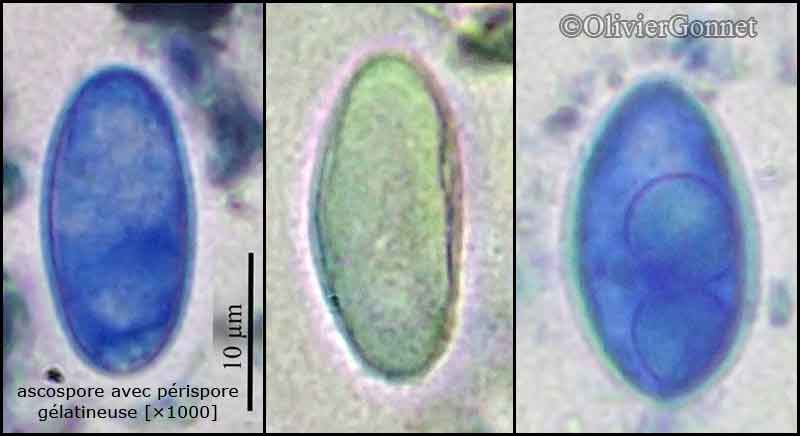
Description: Thallus crustose, episubstratic, up to 1.5 mm thick, warted-areolate, chalky white, dirty white or ochraceous, without a distinct prothallus, the areoles contiguous or scattered, flat to convex. Medulla white, usually I+ blue. Apothecia lecideine, black, epruinose, (0.3-)0.5-1.5(-2) mm across, with a flat to strongly convex disc and a thin, soon excluded proper margin. Proper exciple black, 40-60 µm thick laterally; epithecium green-black to brownish black; hymenium colourless or pale green-brown in upper part, 80-120 μm high; paraphyses coherent, branched and anastomosing, 1.7-2.2 µm thick at mid-level, the apical cells to 3.5 µm wide; hypothecium pale to dark brown, much paler than exciple. Asci 8-spored, clavate, with a I+ pale blue tholus and a central amyloid tube, approaching the Porpidia-type. Ascospores 1-celled, hyaline, ellipsoid, (15-)17-25(-32) x (7-)10-14(-16) µm, halonate at least when young. Photobiont chlorococcoid. Spot tests: thallus K-, C-, KC-, P-, UV-. Chemistry: without lichen substances.
Growth form: Crustose
Substrata: rocks
Photobiont: green algae other than Trentepohlia
Reproductive strategy: mainly sexual
Commonnes-rarity: (info)
Alpine belt: rather common
Subalpine belt: rather rare
Montane belt: absent
Dry submediterranean belt: absent
Humid submediterranean belt: absent
Padanian area: absent
pH of the substrata:
1 2 3 4 5

Solar irradiation:
1 2 3 4 5
Aridity:
1 2 3 4 5
Eutrophication:
1 2 3 4 5
Poleotolerance:
0 1 2 3
Altitudinal distribution:
1 2 3 4 5 6
Rarity
absent
extremely rare
very rare
rare
rather rare
rather common
common
very common
extremely common
Loading data...
Occurrence data
Predictive map
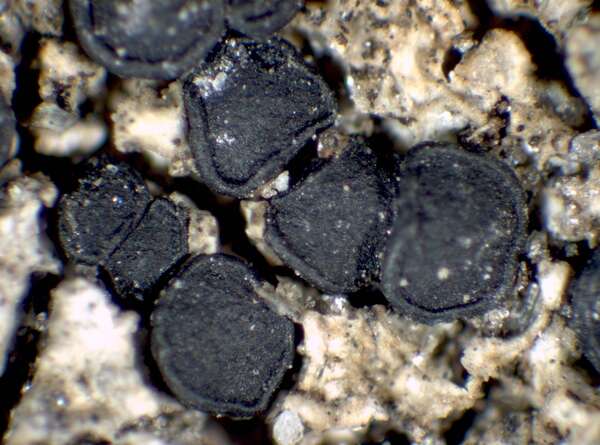
P.L. Nimis; Owner: Department of Life Sciences, University of Trieste
Herbarium: TSB (32923)
2001/12/09
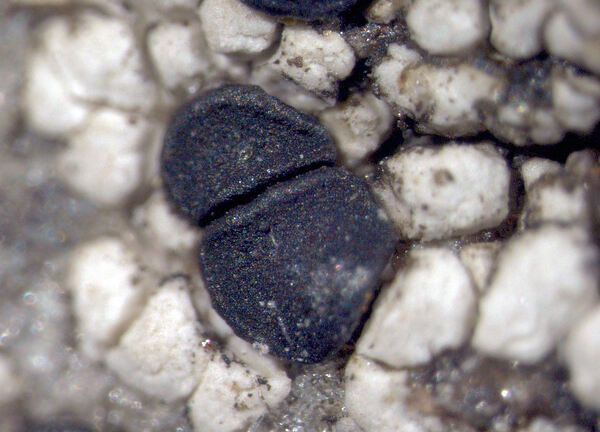
P.L. Nimis CC BY-SA 4.0
TSB 41225
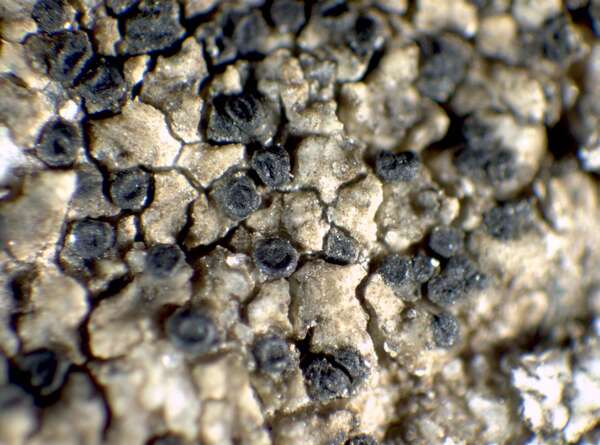
P.L. Nimis; Owner: Department of Life Sciences, University of Trieste
Herbarium: TSB (32923)
2001/12/09
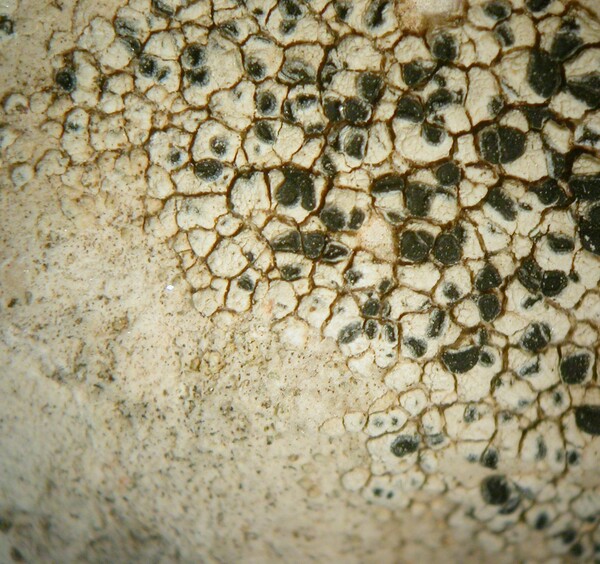
Juri Nascimbene - CC BY-SA 4.0
Italy, Trentino-Alto Adige, Bolzano/Bozen, Sciliar/Schlern
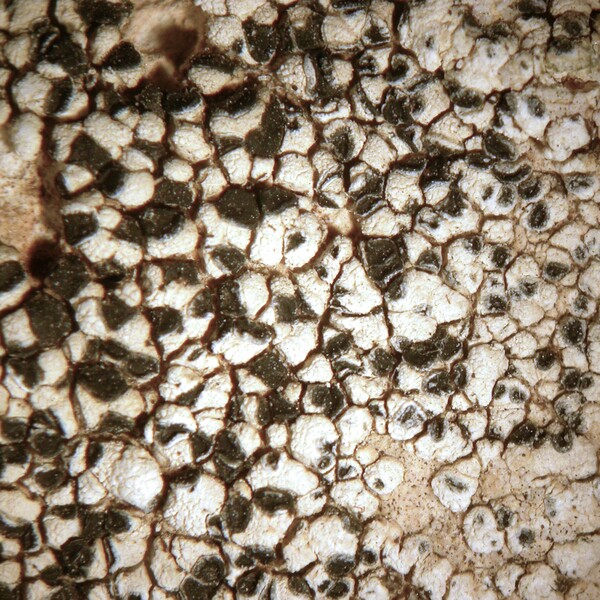
Juri Nascimbene - CC BY-SA 4.0
Italy, Trentino-Alto Adige, Bolzano/Bozen, Sciliar/Schlern
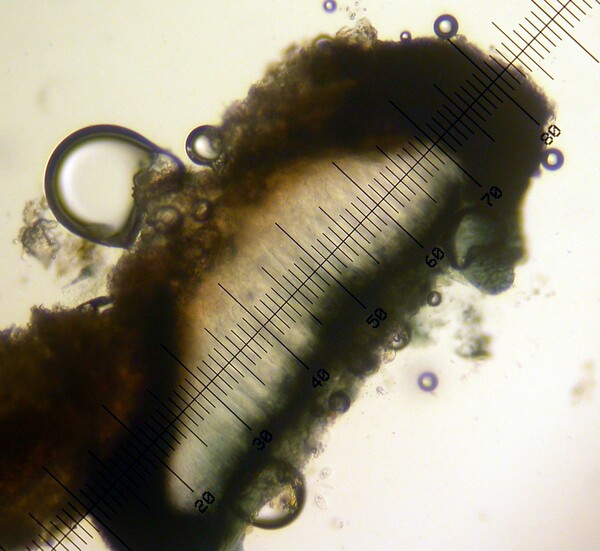
Juri Nascimbene - CC BY-SA 4.0
Italy, Trentino-Alto Adige, Bolzano/Bozen, Sciliar/Schlern
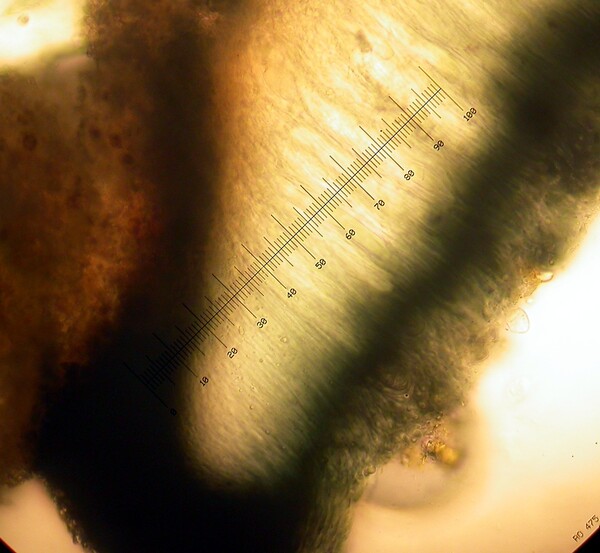
Juri Nascimbene - CC BY-SA 4.0
Italy, Trentino-Alto Adige, Bolzano/Bozen, Sciliar/Schlern
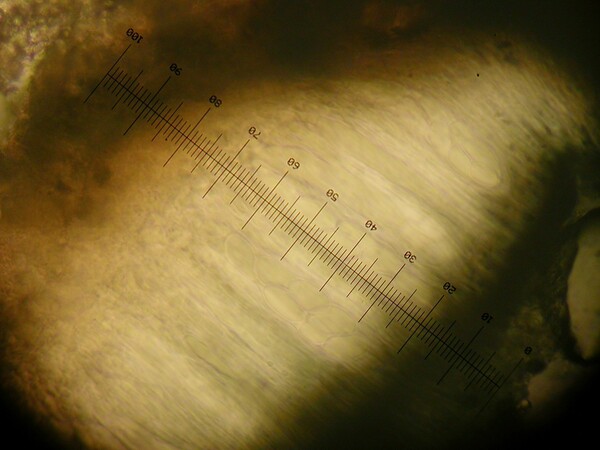
Juri Nascimbene - CC BY-SA 4.0
Italy, Trentino-Alto Adige, Bolzano/Bozen, Sciliar/Schlern
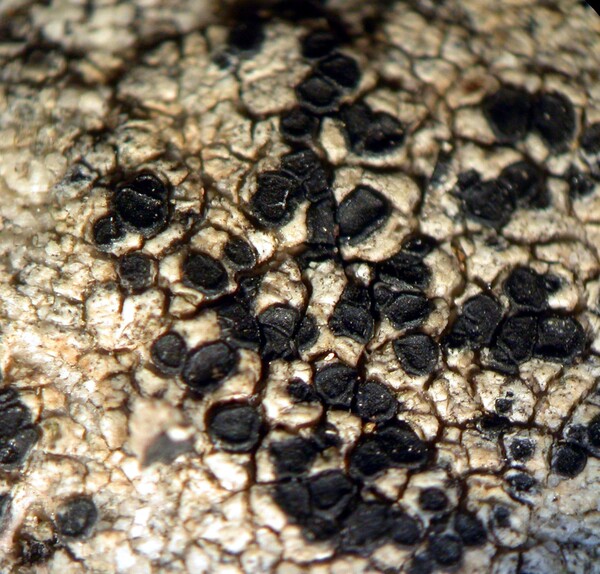
Juri Nascimbene - CC BY-SA 4.0
Italy, Trentino-Alto Adige, Bolzano/Bozen, Sciliar/Schlern
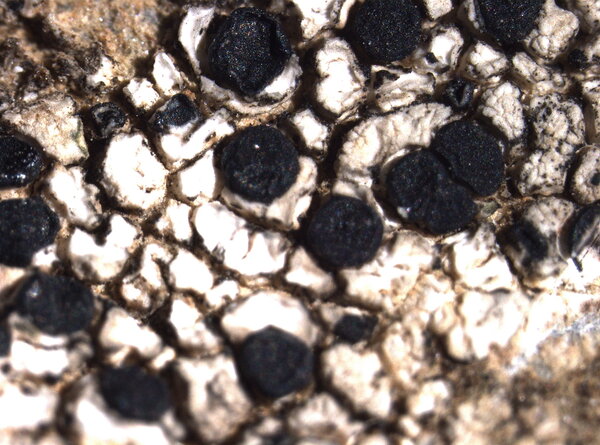
Pier Luigi Nimis CC BY-SA 4.0
TSB 10856
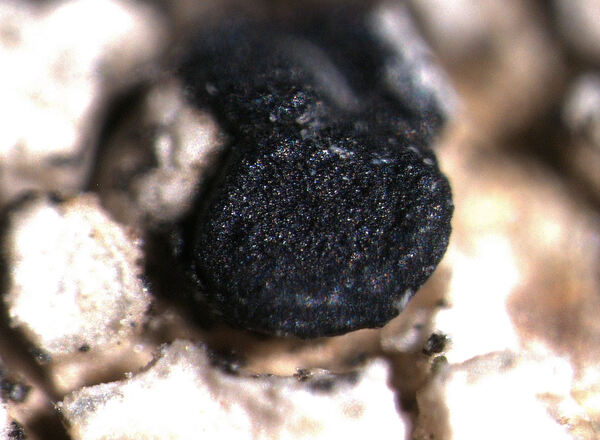
P.L. Nimis CC BY-SA 4.0
TSB 10856
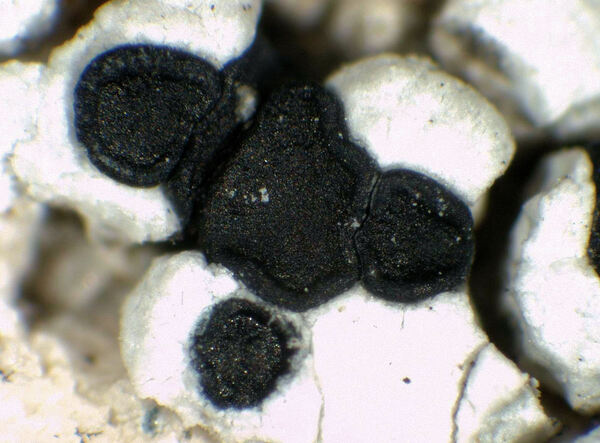
P.L. Nimis CC BY-SA 4.0
TSB 35699
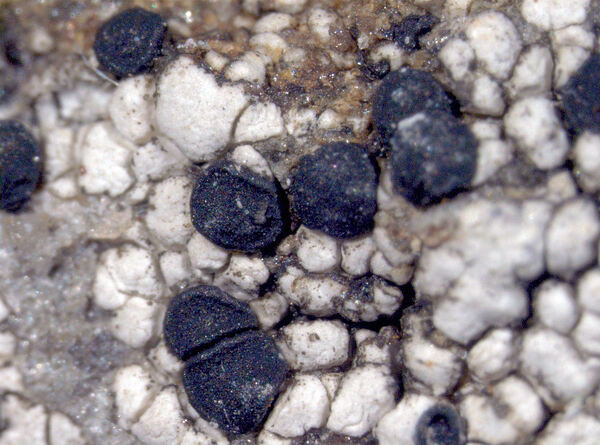
P.L. Nimis CC BY-SA 4.0
TSB 41225
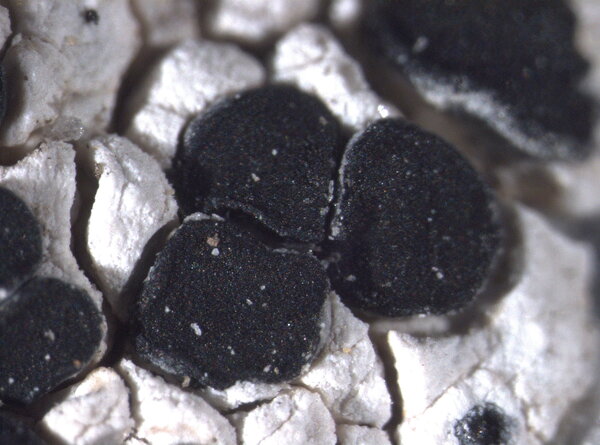
Pier Luigi Nimis
Italy
TSB 38489
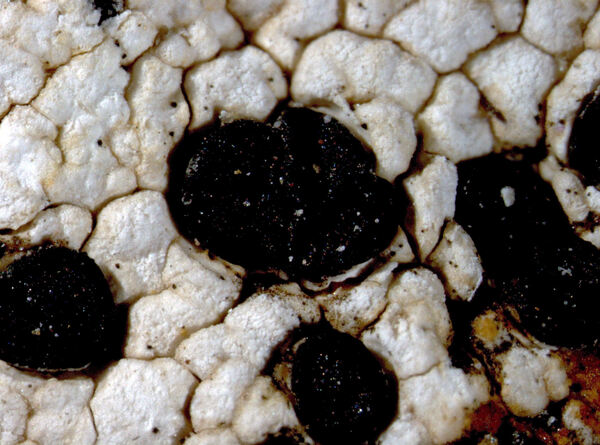
P.L. Nimis CC BY-SA 4.0
TSB 38490
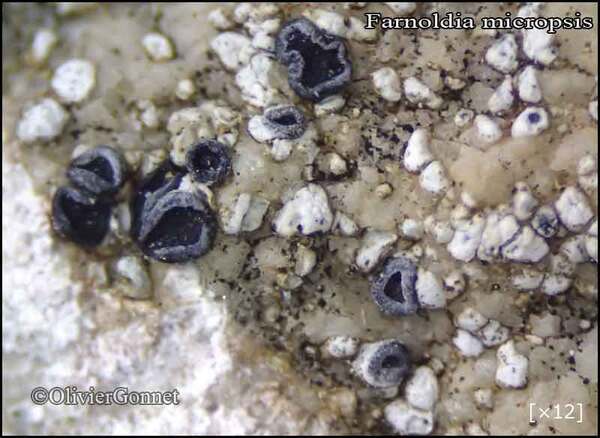
Courtesy Danièle et Olivier Gonnet - Source: https://www.afl-lichenologie.fr/Photos_AFL/Photos_AFL_F/Farnoldia_micropsis.htm
France, Pré des Fabres, alt. 2022 m - sur bloc calcaire - Uvernet-Fours - Alpes-de-Haute-Provence
23/7/2014
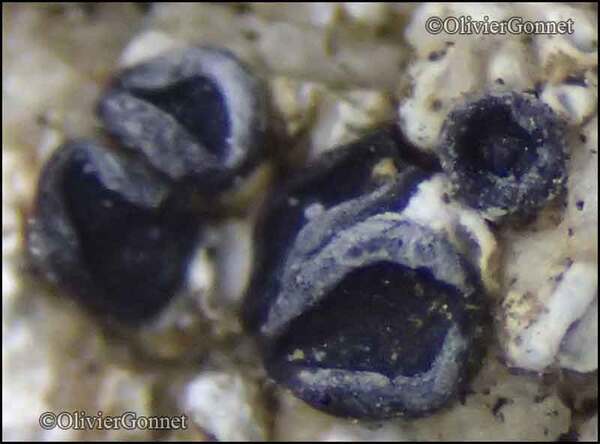
Courtesy Danièle et Olivier Gonnet - Source: https://www.afl-lichenologie.fr/Photos_AFL/Photos_AFL_F/Farnoldia_micropsis.htm
France, Pré des Fabres, alt. 2022 m - sur bloc calcaire - Uvernet-Fours - Alpes-de-Haute-Provence
23/7/2014
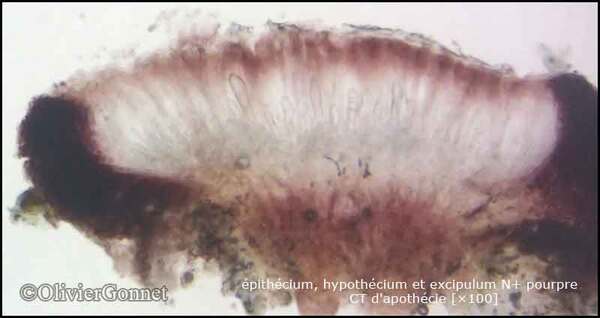
Courtesy Danièle et Olivier Gonnet - Source: https://www.afl-lichenologie.fr/Photos_AFL/Photos_AFL_F/Farnoldia_micropsis.htm
France, Pré des Fabres, alt. 2022 m - sur bloc calcaire - Uvernet-Fours - Alpes-de-Haute-Provence
23/7/2014
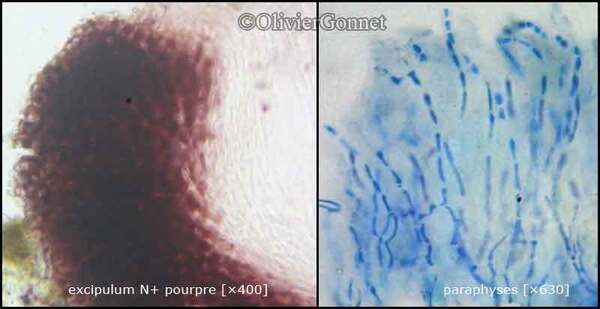
Courtesy Danièle et Olivier Gonnet - Source: https://www.afl-lichenologie.fr/Photos_AFL/Photos_AFL_F/Farnoldia_micropsis.htm
France, Pré des Fabres, alt. 2022 m - sur bloc calcaire - Uvernet-Fours - Alpes-de-Haute-Provence
23/7/2014
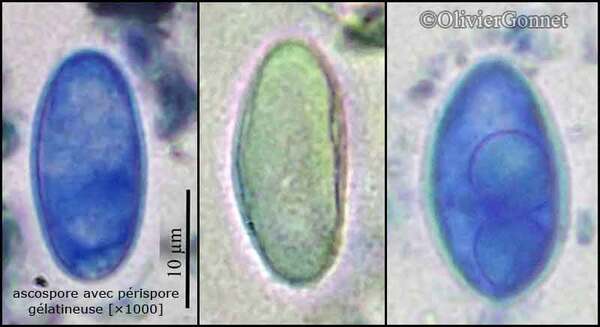
Courtesy Danièle et Olivier Gonnet - Source: https://www.afl-lichenologie.fr/Photos_AFL/Photos_AFL_F/Farnoldia_micropsis.htm
France, Pré des Fabres, alt. 2022 m - sur bloc calcaire - Uvernet-Fours - Alpes-de-Haute-Provence
23/7/2014
Growth form: Crustose
Substrata: rocks
Photobiont: green algae other than Trentepohlia
Reproductive strategy: mainly sexual
Commonnes-rarity: (info)
Alpine belt: rather common
Subalpine belt: rather rare
Montane belt: absent
Dry submediterranean belt: absent
Humid submediterranean belt: absent
Padanian area: absent
pH of the substrata:
| 1 | 2 | 3 | 4 | 5 |
Solar irradiation:
| 1 | 2 | 3 | 4 | 5 |
Aridity:
| 1 | 2 | 3 | 4 | 5 |
Eutrophication:
| 1 | 2 | 3 | 4 | 5 |
Poleotolerance:
| 0 | 1 | 2 | 3 |
Altitudinal distribution:
| 1 | 2 | 3 | 4 | 5 | 6 |
Rarity
absent
extremely rare
very rare
rare
rather rare
rather common
common
very common
extremely common
Loading data...
Occurrence data
Predictive map

P.L. Nimis; Owner: Department of Life Sciences, University of Trieste
Herbarium: TSB (32923)
2001/12/09
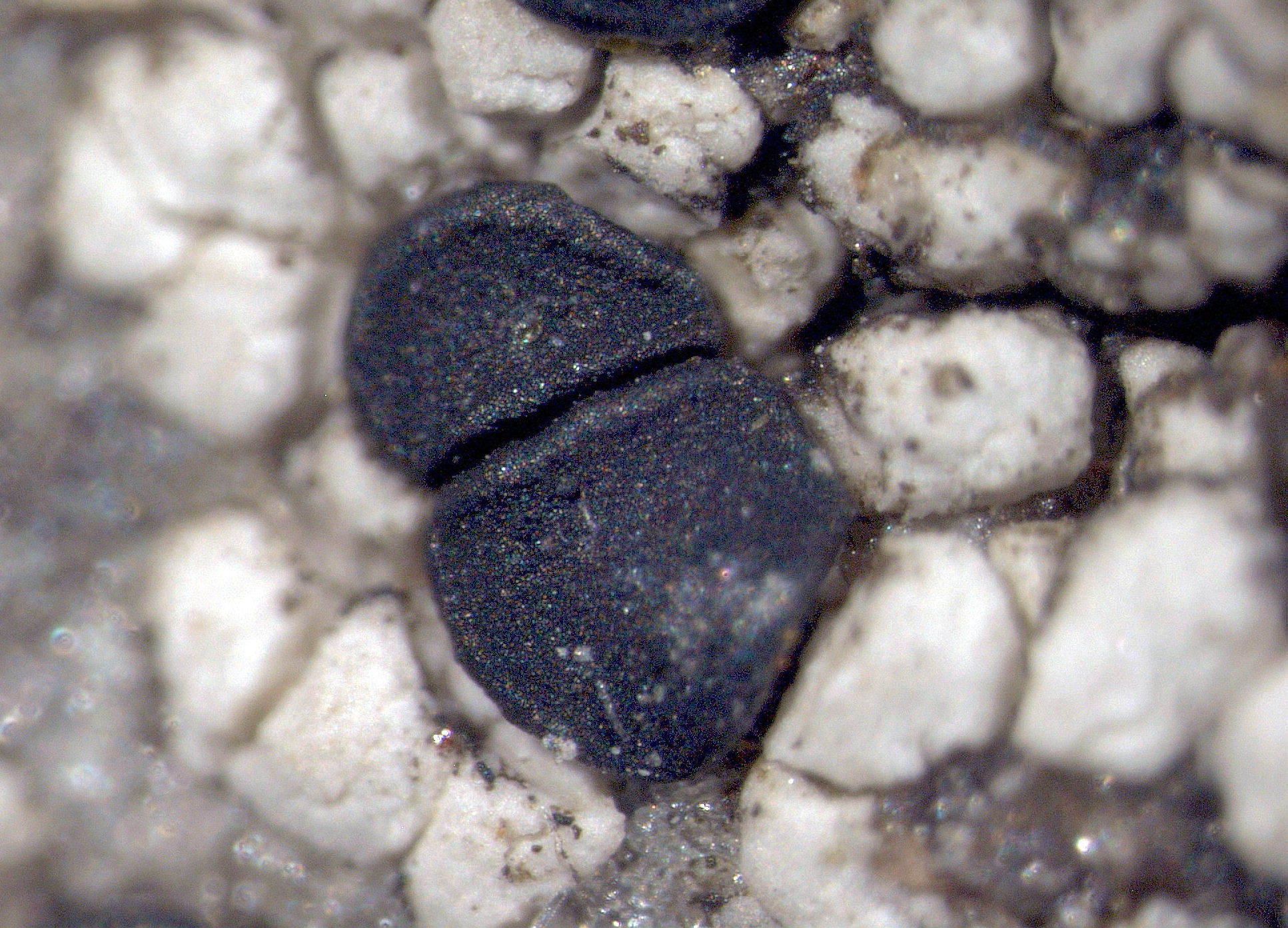
P.L. Nimis CC BY-SA 4.0
TSB 41225
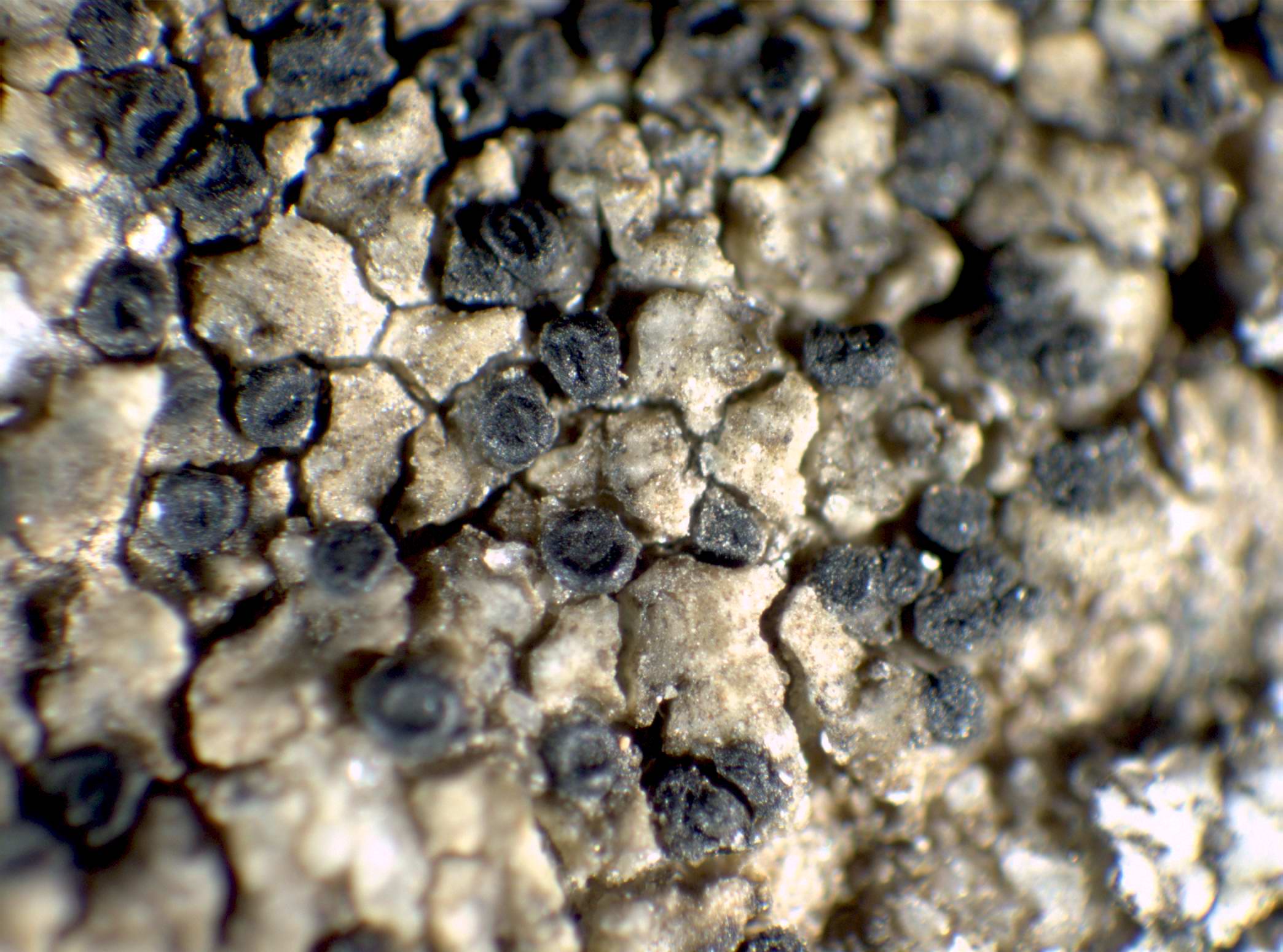
P.L. Nimis; Owner: Department of Life Sciences, University of Trieste
Herbarium: TSB (32923)
2001/12/09

Juri Nascimbene - CC BY-SA 4.0
Italy, Trentino-Alto Adige, Bolzano/Bozen, Sciliar/Schlern
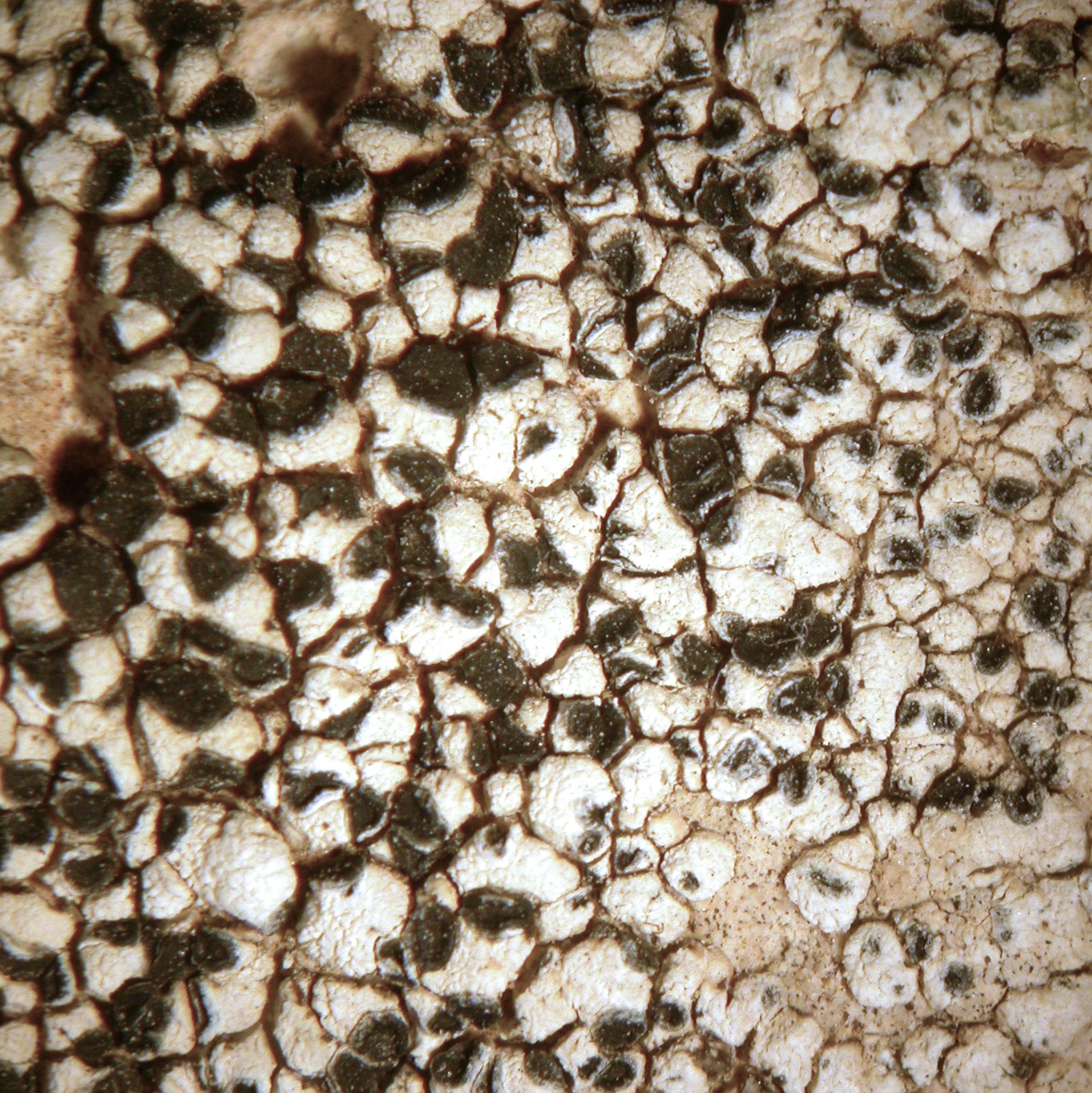
Juri Nascimbene - CC BY-SA 4.0
Italy, Trentino-Alto Adige, Bolzano/Bozen, Sciliar/Schlern
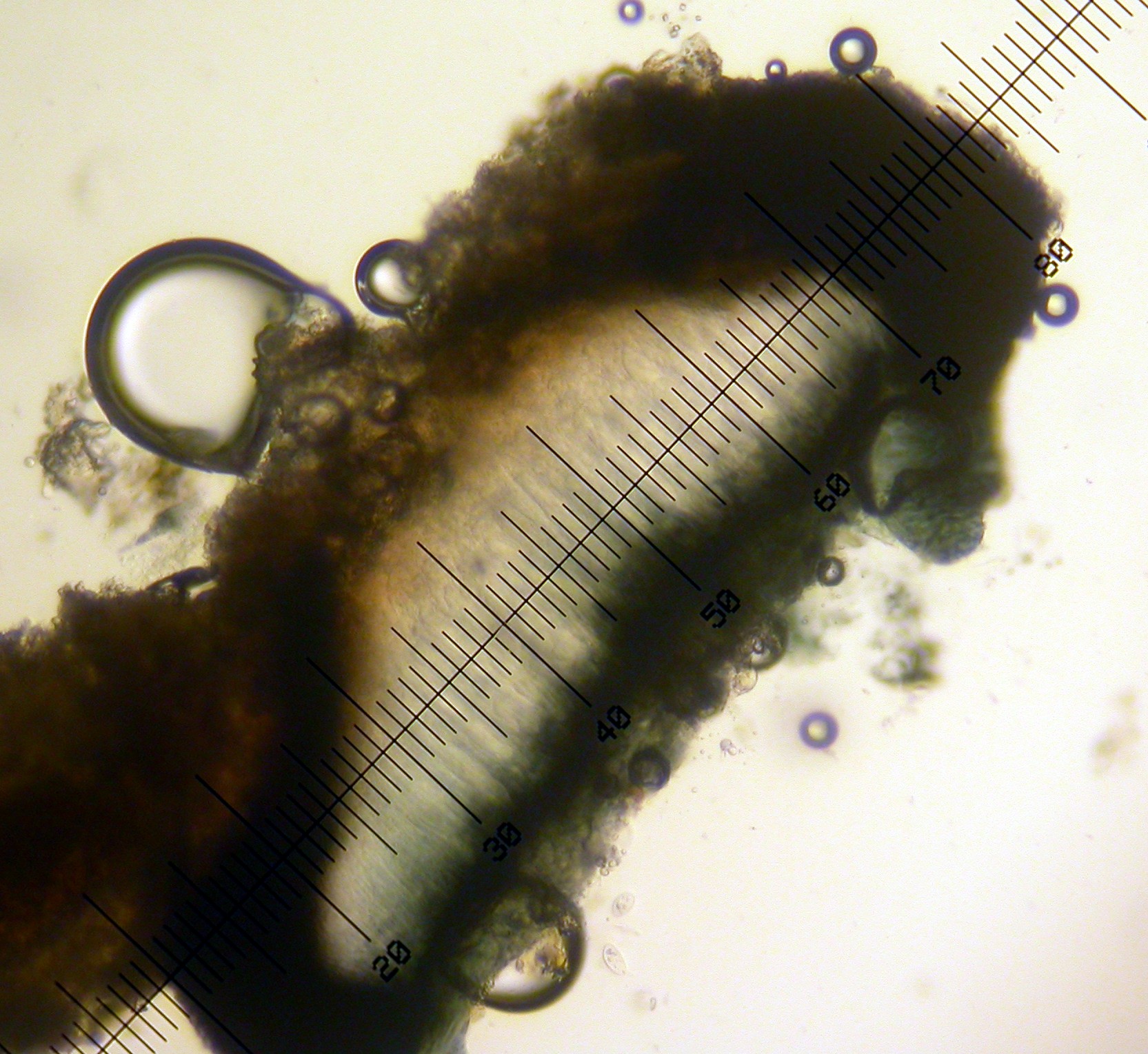
Juri Nascimbene - CC BY-SA 4.0
Italy, Trentino-Alto Adige, Bolzano/Bozen, Sciliar/Schlern

Juri Nascimbene - CC BY-SA 4.0
Italy, Trentino-Alto Adige, Bolzano/Bozen, Sciliar/Schlern

Juri Nascimbene - CC BY-SA 4.0
Italy, Trentino-Alto Adige, Bolzano/Bozen, Sciliar/Schlern
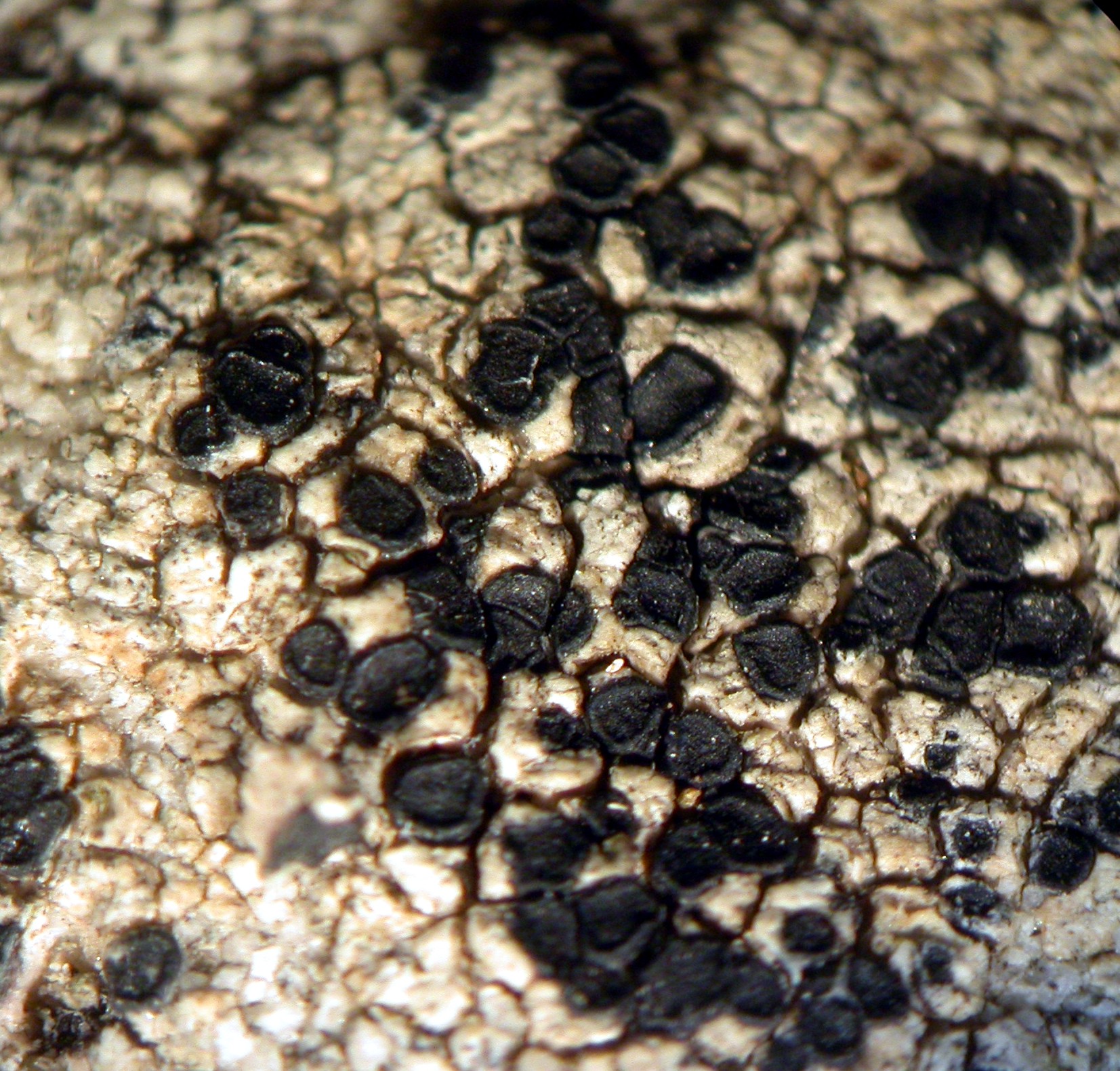
Juri Nascimbene - CC BY-SA 4.0
Italy, Trentino-Alto Adige, Bolzano/Bozen, Sciliar/Schlern
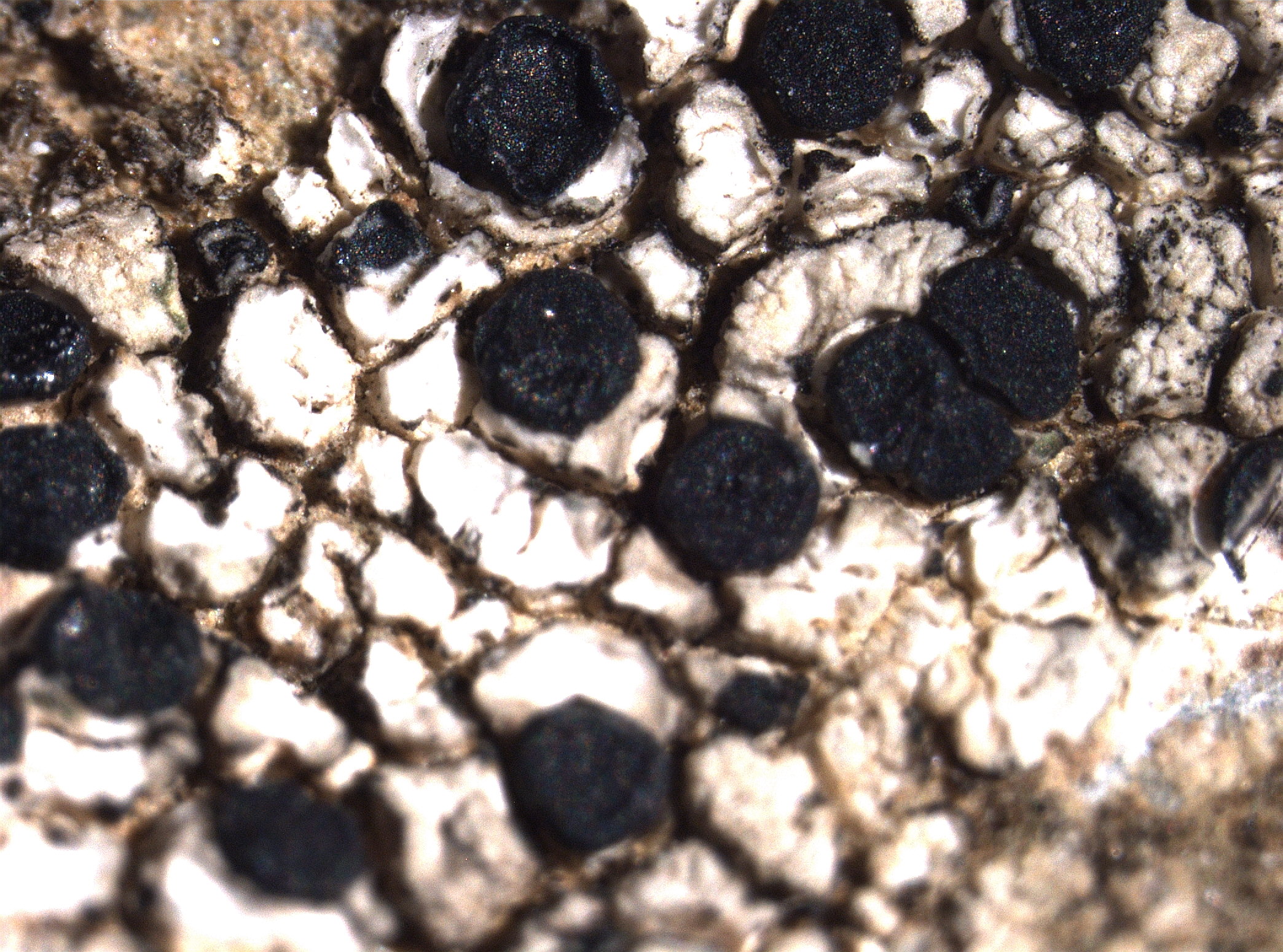
Pier Luigi Nimis CC BY-SA 4.0
TSB 10856
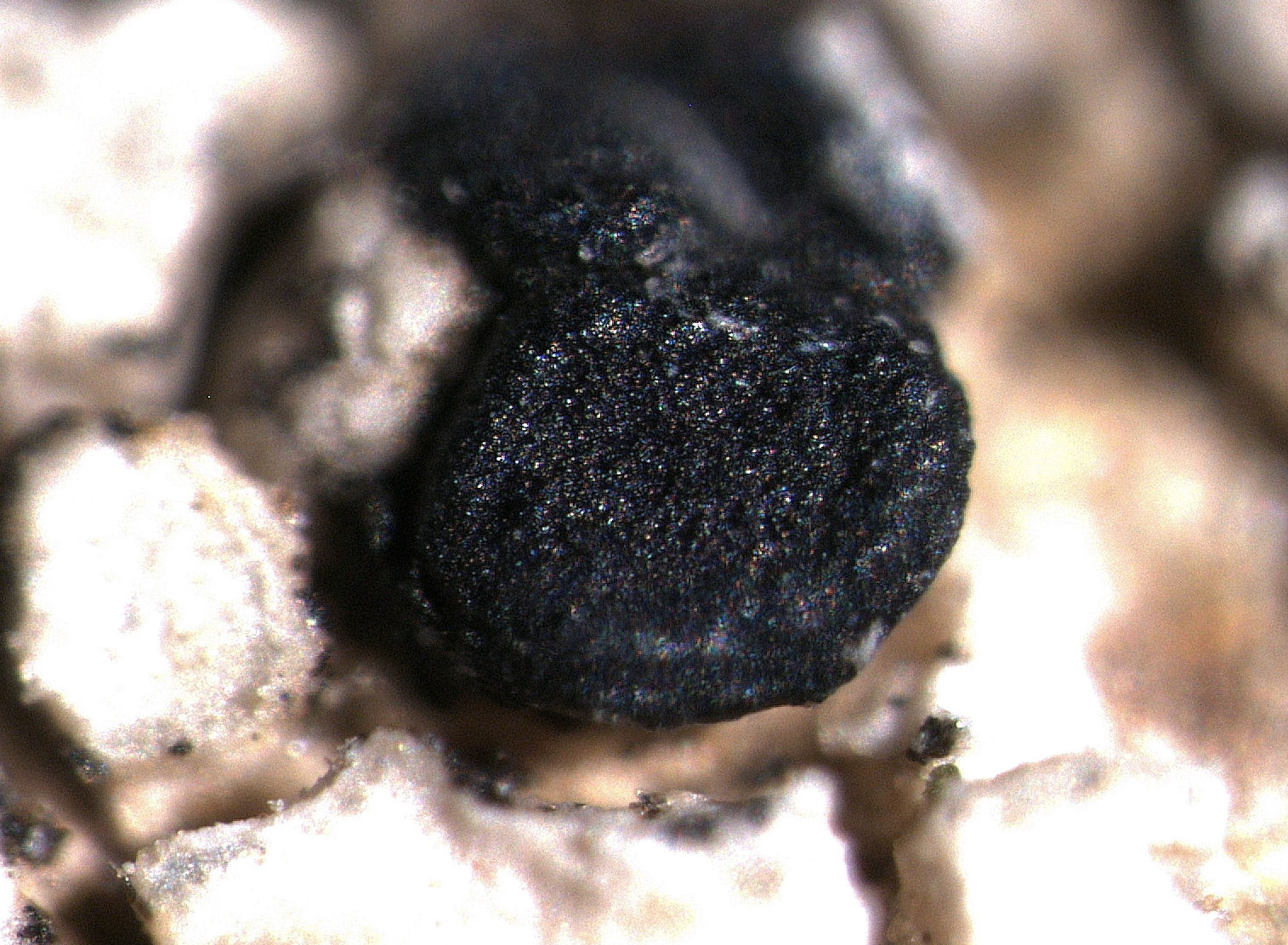
P.L. Nimis CC BY-SA 4.0
TSB 10856
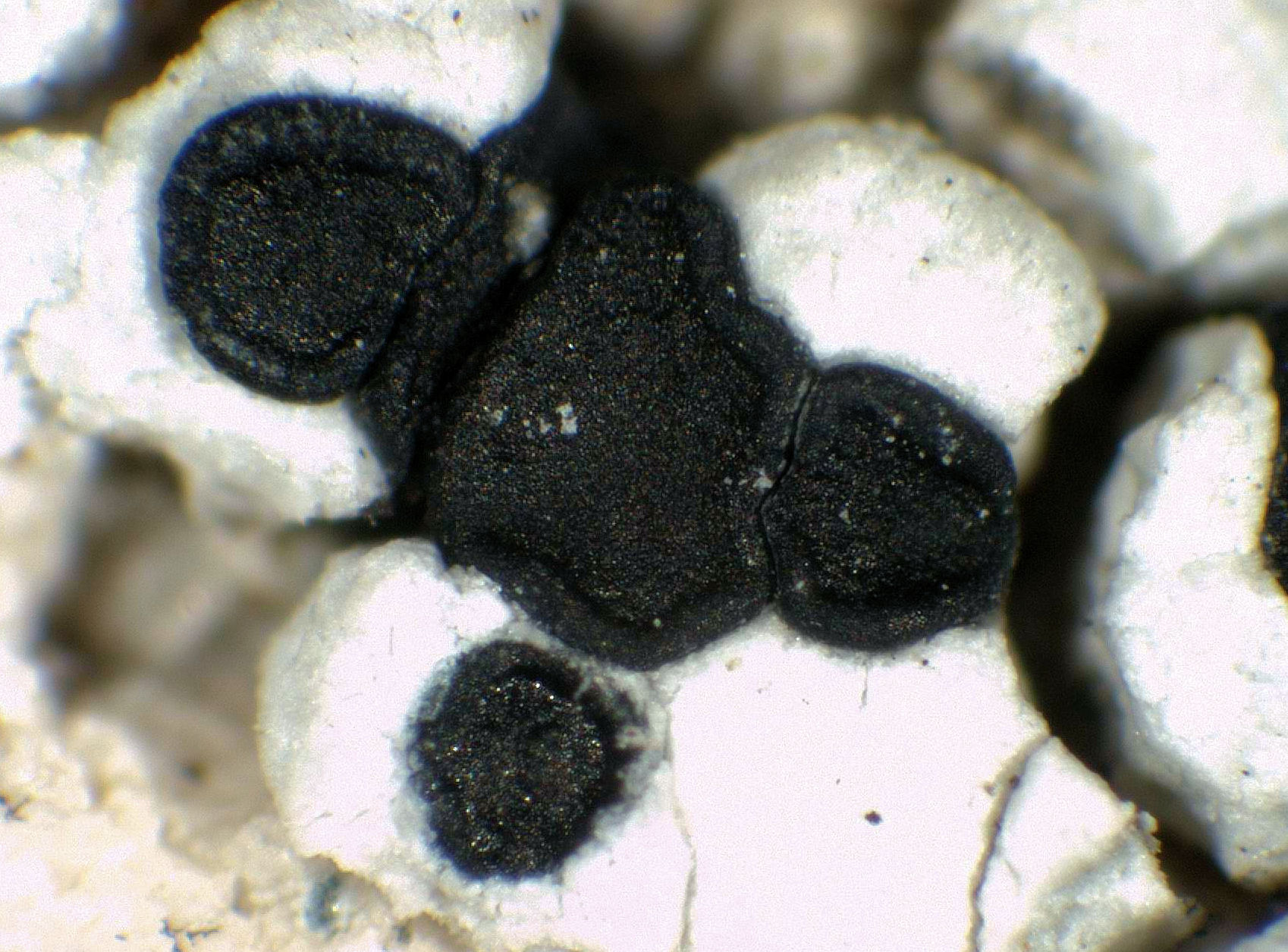
P.L. Nimis CC BY-SA 4.0
TSB 35699
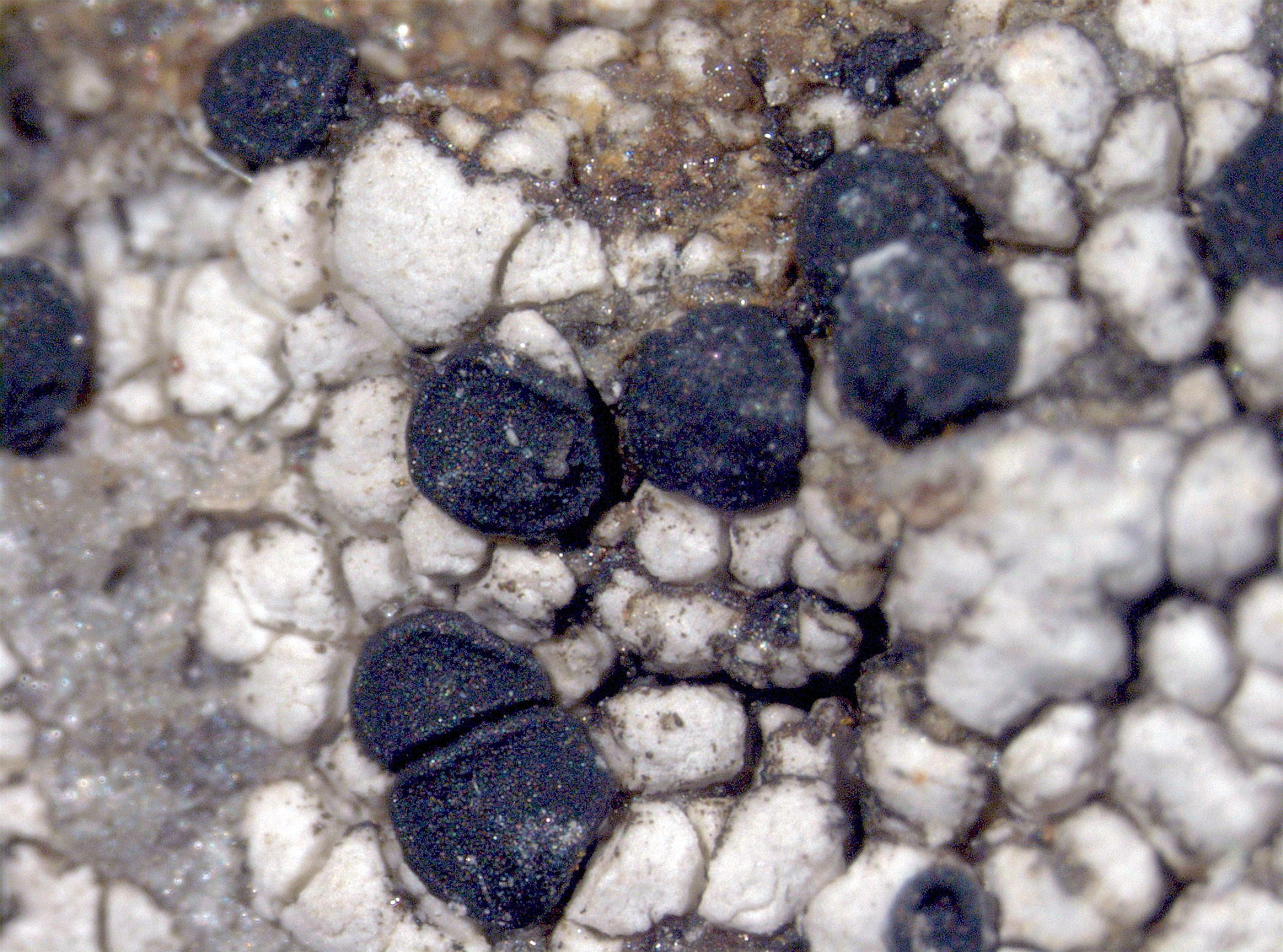
P.L. Nimis CC BY-SA 4.0
TSB 41225

Pier Luigi Nimis
Italy
TSB 38489

P.L. Nimis CC BY-SA 4.0
TSB 38490
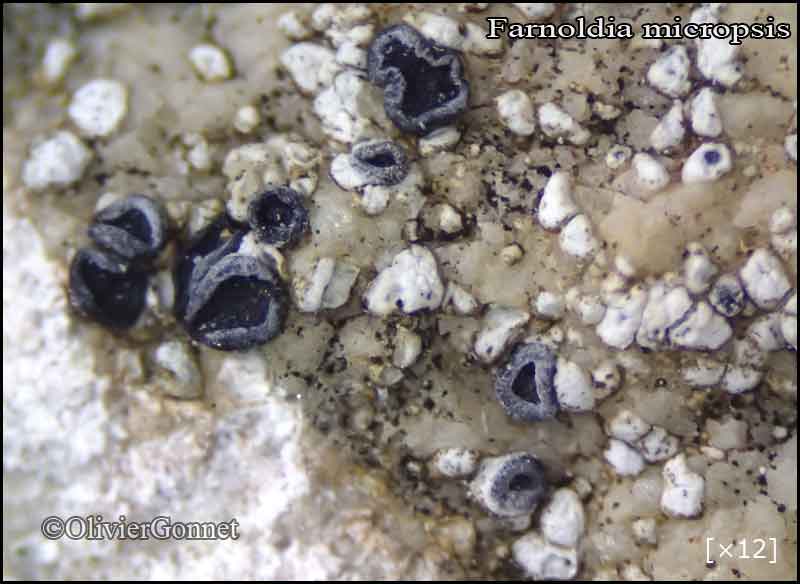
Courtesy Danièle et Olivier Gonnet - Source: https://www.afl-lichenologie.fr/Photos_AFL/Photos_AFL_F/Farnoldia_micropsis.htm
France, Pré des Fabres, alt. 2022 m - sur bloc calcaire - Uvernet-Fours - Alpes-de-Haute-Provence
23/7/2014
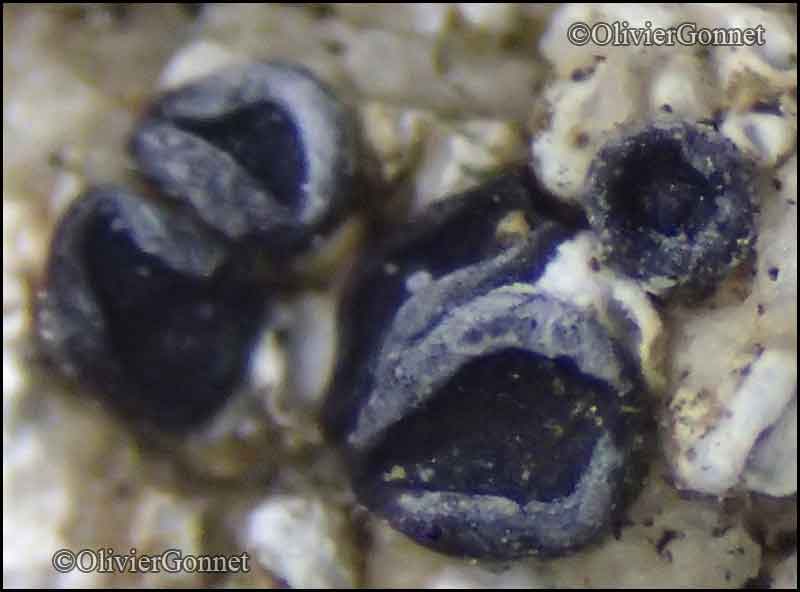
Courtesy Danièle et Olivier Gonnet - Source: https://www.afl-lichenologie.fr/Photos_AFL/Photos_AFL_F/Farnoldia_micropsis.htm
France, Pré des Fabres, alt. 2022 m - sur bloc calcaire - Uvernet-Fours - Alpes-de-Haute-Provence
23/7/2014
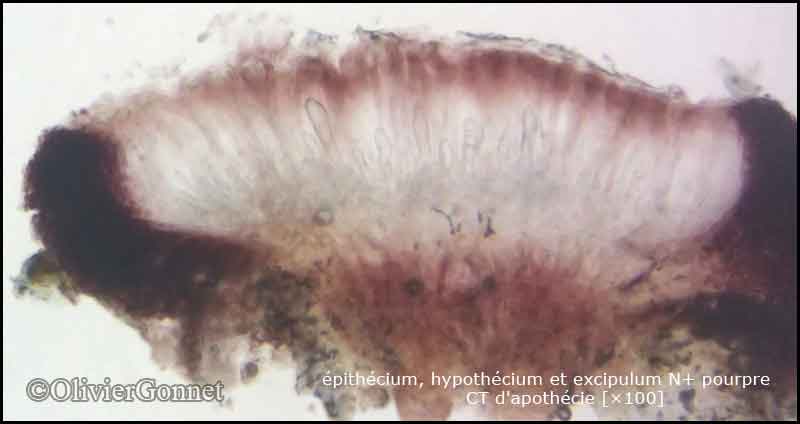
Courtesy Danièle et Olivier Gonnet - Source: https://www.afl-lichenologie.fr/Photos_AFL/Photos_AFL_F/Farnoldia_micropsis.htm
France, Pré des Fabres, alt. 2022 m - sur bloc calcaire - Uvernet-Fours - Alpes-de-Haute-Provence
23/7/2014
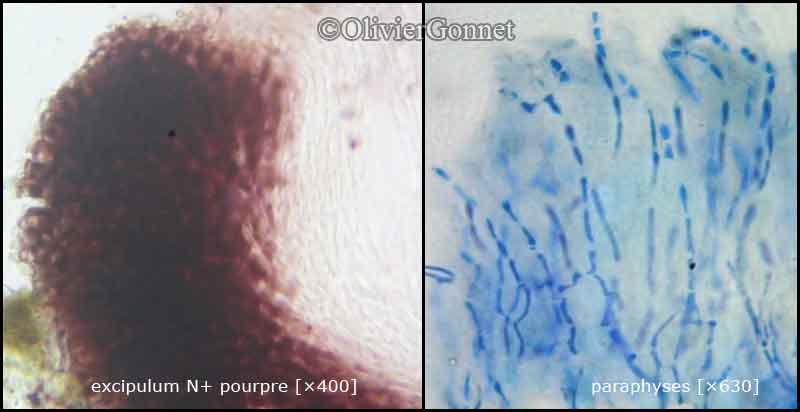
Courtesy Danièle et Olivier Gonnet - Source: https://www.afl-lichenologie.fr/Photos_AFL/Photos_AFL_F/Farnoldia_micropsis.htm
France, Pré des Fabres, alt. 2022 m - sur bloc calcaire - Uvernet-Fours - Alpes-de-Haute-Provence
23/7/2014